Dodge Plastic Control Arms: Expert Review [2026]

Dodge utilizes high-strength composite materials for control arms to significantly reduce unsprung weight and improve fuel efficiency. While these components are engineered for durability, performance enthusiasts and truck owners often prefer tubular steel or aluminum upgrades to prevent ball joint housing failures and improve handling.
🎯 Key Takeaways
- Composite arms use glass-fiber reinforced resins for weight reduction and corrosion resistance.
- Inspect for housing cracks or ball joint play every 15,000 miles.
- Tubular steel upgrades offer superior strength for lifted or leveled Ram trucks.
- Performance cars benefit from aluminum arms for better cornering precision.
- OEM composite arms are generally sufficient for standard daily highway driving.
If you have recently inspected the suspension of your late-model Dodge Charger, Challenger, or Ram and noticed what looks like high-grade plastic where a heavy steel control arm should be, you are looking at glass-reinforced composite. The short answer to your concern is that these units are engineered to handle standard road stresses better than most drivers expect. However, while they are not “cheap plastic,” they are designed with specific performance trade-offs that favor fuel efficiency and passenger comfort over extreme durability or heavy modification.
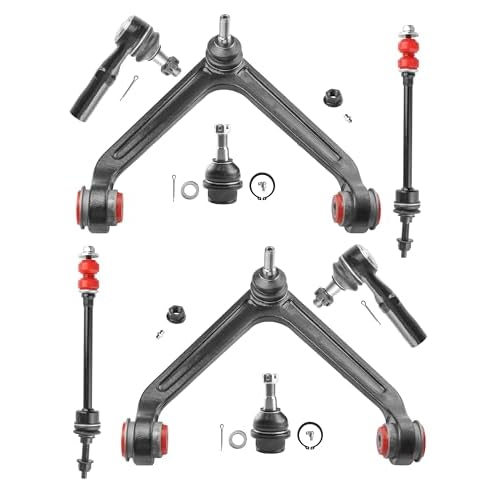


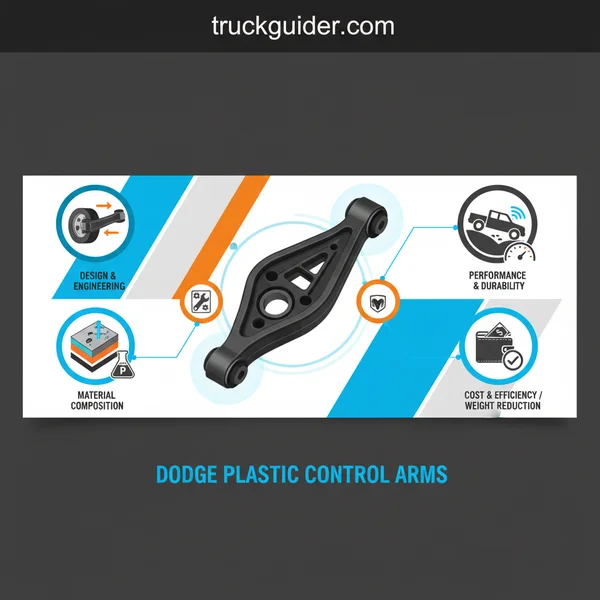
Understanding the difference between these factory composite arms and their metal counterparts is vital for your vehicle’s safety and handling precision. Whether you are daily commuting or planning a track day, knowing when the composite material reaches its mechanical limit determines whether you should keep the stock setup or invest in a metal upgrade. This guide digs into the engineering reality of why Dodge moved away from traditional steel and what that means for your suspension’s lifespan.
The Engineering Science Behind Dodge’s Composite Control Arms
Dodge’s transition to composite control arms is not a simple cost-cutting measure; it is a sophisticated weight-saving strategy. These arms are typically manufactured from glass-fiber-reinforced polymers (GFRP), often a variant of Nylon 6/6. This material provides a specific strength-to-weight ratio that can exceed that of traditional cast iron or heavy stamped steel. By shedding pounds at the wheel assembly, Dodge significantly improves the vehicle’s “unsprung weight,” which is critical for modern suspension tuning.

Reducing Unsprung Mass for Better Handling
Unsprung weight refers to any component not supported by the car’s springs, such as the wheels, tires, and control arms. Lowering this mass allows the suspension to react faster to road imperfections. When your Dodge hits a pothole, a lighter composite arm can move upward and return to its position more quickly than a heavy steel arm. This results in better tire-to-road contact, sharper steering response, and a much smoother ride for the occupants. For a heavy vehicle like a Charger, every ounce saved at the wheel helps the car feel more nimble than its physical size suggests.
Vibration Dampening and NVH Control
One major reason Dodge utilizes composite materials is for Noise, Vibration, and Harshness (NVH) reduction. Composites do not transmit road noise the same way metal does. While steel can act like a tuning fork, carrying road drone and mechanical vibrations directly into the chassis, reinforced polymers naturally absorb these micro-vibrations. For the average driver, this creates a quieter, more refined cabin experience without sacrificing the structural integrity needed for highway speeds.
- Material Composition: High-density glass-reinforced nylon or polymer resins.
- Weight Savings: Often 25% to 40% lighter than equivalent cast steel components.
- Corrosion Resistance: Unlike steel, composite arms will never rust, making them ideal for “salt belt” states.
- Manufacturing Precision: Injection molding allows for complex shapes that optimize stress distribution better than stamped metal.
Comparing Durability: OEM Composite vs. Aftermarket Metal Alternatives
The “plastic” stigma usually stems from a misunderstanding of how these materials fail. Composite arms do not typically bend; they are extremely rigid until they reach a definitive breaking point. In contrast, metal arms—whether steel or aluminum—are ductile. They will often bend or deform under extreme impact before snapping. For most street-driven Dodges, the composite arm is perfectly durable, but it lacks the “buffer zone” that metal provides during a catastrophic event like a high-speed curb strike or a deep mountain pothole.
Flexibility vs. Rigidity Under Load
Under high-performance driving conditions, such as hard cornering or drag launches, the rigidity of the control arm is paramount. OEM composite arms are designed to be stiff, but they can experience microscopic fatigue over tens of thousands of miles. Aftermarket metal alternatives, particularly tubular steel or boxed steel, are built to handle these lateral forces without any deflection. If you notice a “vague” or “mushy” feeling in your steering during high-speed turns, your composite arms or their integrated bushings may be flexing more than they did when the vehicle was new.
Environmental and Thermal Stress Factors
While composites are immune to rust, they are sensitive to extreme thermal cycles. In environments with radical temperature swings, the polymer and the metal bushings pressed into them can expand and contract at different rates. Over time, this can lead to the bushings “walking” out of the arm or the material developing hairline stress fractures around the ball joint housing. Metal arms are generally more resilient to the intense heat generated by high-performance braking systems, which can soak into the suspension components during aggressive driving or track sessions.
- Impact Resistance: Metal upgrades handle sudden shocks with a higher margin of safety, often bending rather than shattering.
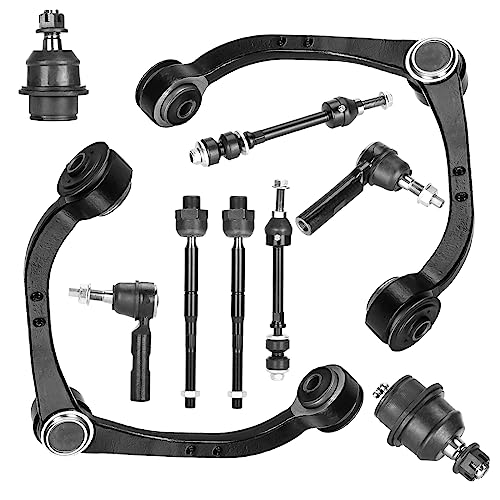
- Serviceability: Most aftermarket metal arms feature replaceable ball joints and bushings, whereas many composite arms require a full unit replacement if a single rubber boot fails.
- Alignment Stability: Metal arms, especially those with adjustable rod ends, hold precise alignment specifications much better during hard maneuvers.
- Longevity: While composites are “lifetime” parts for casual driving, metal is the industry standard for vehicles seeing high mileage or performance modifications.
Common Failure Points and Signs of Fatigue in Plastic Housings
While the composite materials used in modern Dodge control arms are engineered for weight reduction, they aren’t invincible. Over time, environmental factors and physical stress take a toll on these components. Unlike metal, which tends to bend or dent, plastic composites often hide their fatigue until a significant failure occurs. Understanding what to look for can save you from a breakdown on the highway.


Cracking and Surface Brittleness
One of the primary enemies of plastic control arms is thermal cycling. As the engine bay heats up and the external temperature drops, the material expands and contracts. Over thousands of miles, this can lead to hairline fractures, especially around the mounting points. If you notice a chalky texture or fine, spiderweb-like cracks on the arm’s surface, the material is likely becoming brittle. This is a clear sign that the structural integrity is compromised and the arm is nearing the end of its lifespan.
Bushing Separation and Housing Distortion
The interface where the rubber bushing meets the plastic housing is a frequent failure point. Because plastic lacks the rigid “grip” of a steel bore, the bushing can begin to “walk” or move within the housing. This leads to several issues:
- Steering Wander: The vehicle feels loose or “darty” when driving straight.
- Audible Clunking: A distinct metallic knock when hitting bumps or during heavy braking.
- Uneven Tire Wear: Misalignment caused by a shifting control arm will quickly eat through your front tires.
- Creaking Sounds: Low-speed maneuvers often trigger a dry, rubbing sound as the bushing shifts against the composite wall.
Evaluating Upgrade Paths: Tubular Steel vs. Boxed Aluminum Benefits
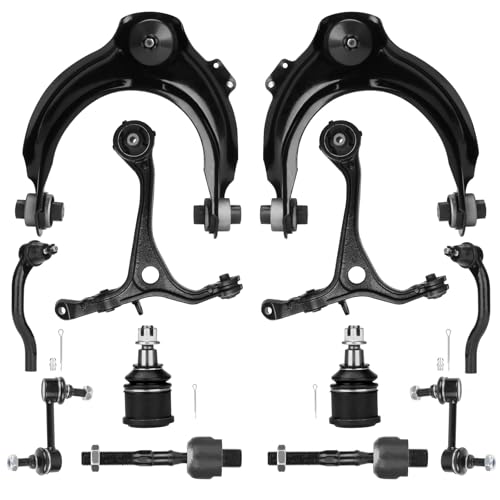
If you have decided that the factory plastic arms aren’t cutting it for your driving style, you have two primary directions for an upgrade. Moving to a metal component isn’t just about strength; it changes the entire dynamic of your front suspension. Both tubular steel and boxed aluminum offer massive improvements over the OEM composite units.
The Brute Strength of Tubular Steel
Tubular steel is the go-to choice for truck owners and off-road enthusiasts. These arms are typically constructed from heavy-wall DOM (Drawn Over Mandrel) tubing, making them nearly impossible to break under normal conditions. They are particularly beneficial for leveled or lifted Dodge trucks where the suspension geometry is pushed to its limits.
- Durability: Steel can withstand direct impacts from rocks or debris that would shatter plastic.
- Serviceability: Most aftermarket steel arms feature greaseable ball joints and replaceable bushings.
- Cost-Effective: Generally, steel offers the best “bang for your buck” regarding sheer longevity.
Precision Performance with Boxed Aluminum
For those focused on handling and street performance, boxed aluminum control arms are a premium alternative. These are often CNC-machined or fabricated to provide maximum rigidity while keeping weight to a minimum. Reducing unsprung weight allows your suspension to react faster to road imperfections, providing a more “planted” feel.
- Corrosion Resistance: Aluminum naturally resists rust, making it ideal for regions that use heavy road salt in winter.
- Improved Rigidity: There is zero flex in an aluminum arm, which translates to laser-accurate steering response.
- Aesthetics: Let’s be honest—high-quality aluminum arms look significantly better behind a set of open-spoke wheels.
Conclusion
The debate over Dodge plastic control arms often comes down to how you use your vehicle. While composite arms are efficient for daily commuting and fuel economy, they lack the long-term resilience required for heavy-duty use or performance driving. If you’ve noticed signs of wear like cracking or steering wander, upgrading to steel or aluminum is a smart investment in your vehicle’s safety and handling.
Your next steps should be simple: First, perform a visual inspection of your current arms using a bright flashlight to check for surface stress. Second, if you plan on keeping your Dodge for the long haul, start researching a metal replacement kit that fits your budget. Don’t wait for a failure to catch you off guard—take control of your suspension today and enjoy a tighter, more reliable ride!


💬 Quick Questions & Answers
Why did Dodge use plastic control arms?
They use high-strength composites to reduce vehicle weight, improve fuel economy, and eliminate rust issues.
Can I press a new ball joint into a plastic arm?
No, the housing is not designed for pressing; you must replace the entire control arm assembly.
Are they actually made of regular plastic?
No, they are made from glass-fiber reinforced polymer, which is much stronger than standard plastic.
Do these arms break easily during off-roading?
They are prone to cracking under high-impact off-road stress, which is why steel upgrades are recommended for trails.
Is steel better for towing and hauling?
Yes, steel arms provide higher rigidity and structural integrity under heavy vertical loads.
❓ Frequently Asked Questions
Are Dodge plastic control arms safe for daily driving?
Yes, they are rigorously tested to meet safety standards for normal road use. Most failures occur only after high mileage or when the suspension geometry is altered by leveling kits.
Why do owners replace composite arms with tubular steel?
Tubular steel offers better clearance for leveled suspensions and prevents the ball joint from ‘popping out’ of the housing. They are significantly more resilient in high-performance or off-road environments.
Which Dodge models typically use these composite control arms?
These are most commonly found on the Ram 1500 (post-2013), Dodge Charger, and Dodge Challenger. They are easily identified by their thick, black, molded appearance compared to thin stamped steel.


Can plastic control arms crack in extreme cold weather?
The composite material is temperature-stabilized, but extreme impacts in freezing temperatures can increase the risk of housing fractures. Regular visual inspections are critical in harsh northern climates.
Do composite arms offer any performance benefits?
Their lower weight reduces unsprung mass, which allows the shocks and springs to react more quickly to road changes. This can lead to a slightly more compliant ride on smooth pavement.
What should I look for when choosing an aftermarket upgrade?
Prioritize arms that correct the ball joint angle for your specific ride height. Ensure they feature greaseable ball joints and high-grade polyurethane or rubber bushings for long-term serviceability.
![P0520 Dodge Ram 1500: Diagnose & Fix [2026]](https://truckguider.com/wp-content/uploads/2026/03/p0520-dodge-ram-1500-featured.webp)
![2017 Ram 2500 Mega Cab: Complete Specs Guide [2026]](https://truckguider.com/wp-content/uploads/2026/03/2017-ram-2500-mega-cab-featured.webp)