Cooper Tires Vs Goodyear: Full Comparison [2026]

Selecting the right set of tires is one of the most critical maintenance decisions a vehicle owner can make, directly impacting safety, fuel economy, and ride quality. Consumers often find themselves choosing between the premium, tech-heavy reputation of Goodyear and the rugged, value-driven reliability of Cooper. Navigating the nuances of tread compounds, sidewall construction, and warranty structures requires a specialized eye. This comprehensive expert comparison will break down the specific performance metrics, technological innovations, and long-term value propositions of Cooper Tires and Goodyear to help you make a professional-grade decision for your specific driving needs.
Analyzing the Brand Heritage and Engineering Philosophies of Cooper and Goodyear
📤 Share Image
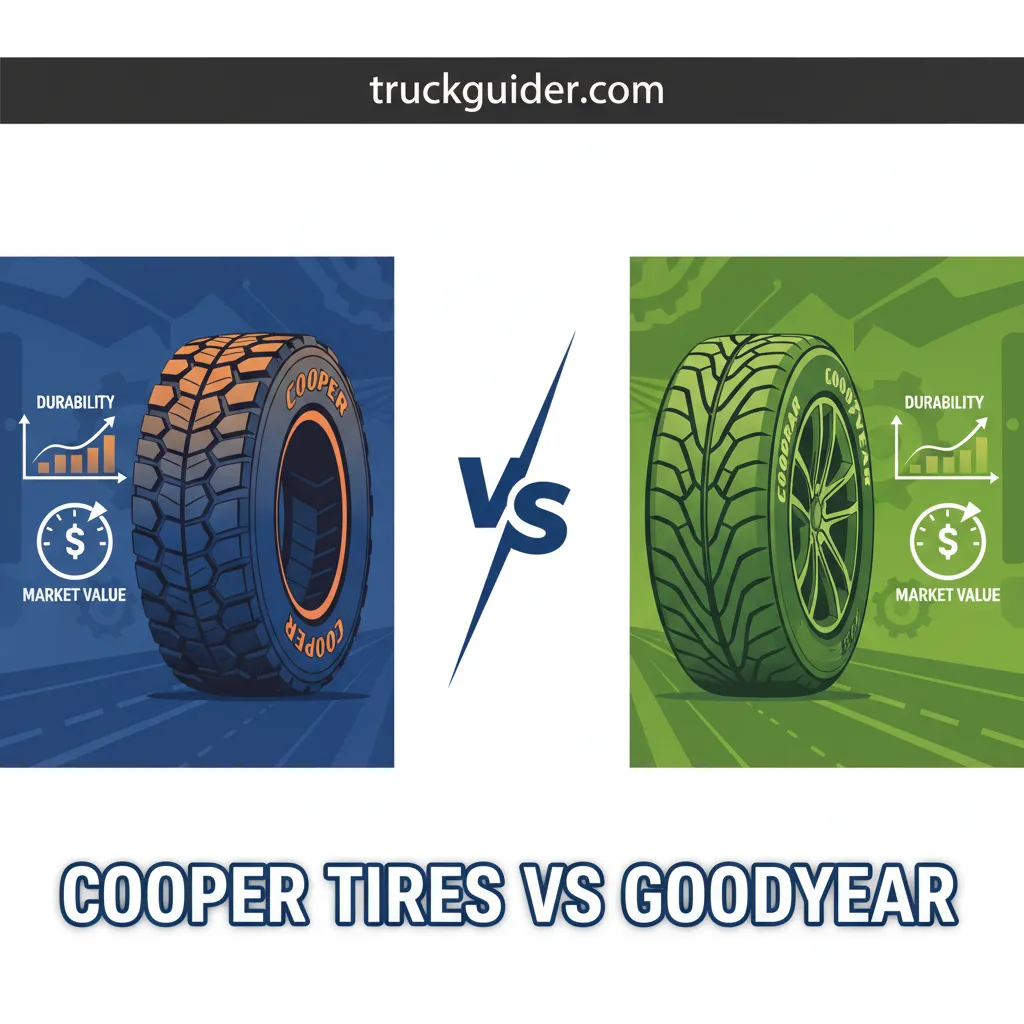
To understand the current market battle between these two titans, one must first look at their distinct DNA. Goodyear, founded in 1898, sits firmly as a Global Tier 1 manufacturer. With a massive global footprint and a market share hovering around 11%, Goodyear is the primary choice for many automakers. Their professional engineering focus is heavily slanted toward Original Equipment (OE) partnerships, meaning they develop tires in tandem with manufacturers like Ford, GM, and BMW to meet exacting performance standards for new vehicles. Their long-standing partnership with NASCAR serves as a high-speed laboratory, funneling racing technology directly into consumer-grade tires.
In contrast, Cooper Tires, founded in 1914, built its trusted reputation as a Tier 2 brand by dominating the replacement tire market. Unlike Goodyear, which spends billions on OE contracts, Cooper has traditionally focused on the everyday driver who needs a reliable, long-lasting tire after their factory-installed set wears out. Cooper’s domestic manufacturing heritage is deeply rooted in American-engineered solutions, specifically for light trucks and SUVs. This is reflected in their marketing demographics, such as their sponsorship of the Professional Bull Riders (PBR), emphasizing ruggedness and “blue-collar” durability.
The 2021 Acquisition: A Strategic Shift
A pivotal moment in industry history occurred in 2021 when Goodyear acquired Cooper. This move was not about dissolving a competitor but rather consolidating R&D resources. From a professional standpoint, this allowed Goodyear to leverage Cooper’s dominance in the profitable light truck segment while giving Cooper access to Goodyear’s global distribution network. Today, while they share resources, they maintain distinct brand identities: Goodyear remains the “premium tech” leader, while Cooper is the “high-value specialist.”
By The Numbers
Goodyear Global Market Share
Goodyear Foundation Year
Cooper Foundation Year
Passenger Car Tire Comparison: Comfort, Traction, and Tread Life
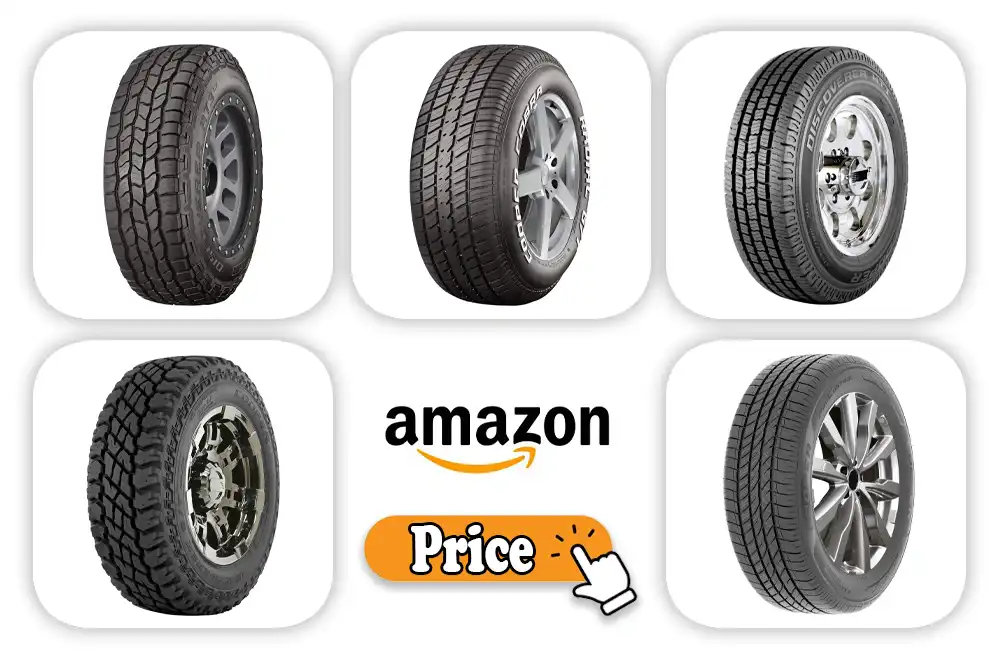
When comparing flagship tires for vehicles like the Toyota Camry or Honda Accord, the philosophies of both brands become apparent through their flagship lines. Goodyear’s Assurance WeatherReady is a masterpiece of versatile engineering. It features “Evolving Traction Grooves” that widen as the tire wears to maintain wet-weather performance—a complete solution for drivers in unpredictable climates. In comparison, the Cooper CS5 Ultra Touring focuses on a refined, stable ride through its high-silica tread compound and “StabiliEdge” technology.
Noise Levels and Maintenance Tools
Noise management is an area where expert testing reveals distinct differences. Goodyear utilizes specialized pitch sequences to neutralize sound waves, making the Assurance ComfortDrive one of the quietest tires in its class. Cooper, however, focuses on the quality of the user experience through their Wear Square Visual Indicator. This is a square shape molded into the tread that changes over time, signaling to the driver exactly when the tire is worn or if an alignment issue is present. Goodyear counters this with Tredlock Technology, which uses micro-grooves that lock together during cornering for improved grip while remaining open for water evacuation.
If your commute involves high mileage and you want to maximize the time between sets, the Cooper CS5 Ultra Touring is the reliable choice due to its class-leading 80,000-mile warranty. For those prioritizing cabin silence and luxury ride quality, Goodyear’s ComfortDrive is the professional preference.

All-Terrain and Light Truck Performance: Discoverer vs. Wrangler Series
This is the most contested segment between the two brands. The Goodyear Wrangler and Cooper Discoverer names are legendary in the off-road community. From a comprehensive engineering standpoint, these tires are built for different intensities. The Goodyear Wrangler Duratrac is an aggressive, “commercial traction” tire designed for serious mud and snow, often favored by heavy-duty 3/4-ton truck owners who tow frequently. Its standout feature is Kevlar-reinforced sidewalls, which provide exceptional puncture resistance on rocky trails.
On the other side, the Cooper Discoverer AT3 4S is widely considered the gold standard for daily-driven 4x4s, such as the Chevrolet Silverado or Ford F-150. Cooper utilizes Adaptive-Traction Technology, which enables the tread compound to remain flexible in freezing temperatures while maintaining stiffness in the heat. This allows the AT3 4S to achieve the Three-Peak Mountain Snowflake (3PMSF) certification without sacrificing on-road manners or tread life.
Real-World Scenarios: Towing and Hauling
When towing a 10,000-lb trailer, sidewall stability is everything. Goodyear’s Wrangler All-Terrain Adventure with Kevlar offers a more “planted” feel during high-speed highway towing. Cooper’s Discoverer Rugged Trek, however, offers a more aggressive aesthetic and deeper tread depths, making it the better choice for drivers who spend 30% or more of their time on muddy job sites or unpaved trails.
Cooper Discoverer AT3 4S
Offers a 65,000-mile warranty, best-in-class wet braking, and 3PMSF severe snow rating.
Goodyear Wrangler Duratrac
Self-cleaning shoulder blocks and TractiveGroove technology for extreme off-road grip.
Advanced Tire Technology and Material Innovation Comparison
Goodyear is currently leading the industry in the transition to Electric Vehicles (EVs). Their ElectricDrive and SoundComfort Technology are specifically designed for the high torque and silent operation of vehicles like the Tesla Model 3. This technology involves a built-in sound barrier—essentially a specialized foam ring inside the tire—that can reduce interior cabin noise by up to 50%. This level of innovation highlights Goodyear’s position as a quality leader in the high-end luxury market.
Cooper’s approach to technology is more focused on mechanical grip and steering feedback. Their R-Tech (Response Technology) utilizes an extended bead filler in the sidewall. In professional terms, this stiffens the lower sidewall of the tire, leading to faster steering response and better handling during emergency maneuvers. Additionally, Cooper’s Micro-Gauge Siping creates thousands of tiny biting edges that improve stability during hard cornering on wet roads.
When installing EV-specific tires like Goodyear ElectricDrive, ensure your technician is aware of the interior foam lining. Improper puncture repairs can damage the SoundComfort layer, negating the noise-reduction benefits you paid for.
Environmental Stewardship
As a trusted global leader, Goodyear has made significant strides in sustainable manufacturing. They are pioneering the use of rice husk ash silica and dandelion rubber to reduce reliance on petroleum-based materials. While Cooper has focused more on traditional high-mileage compounds like the Endeavor line, they are beginning to adopt these sustainable practices under the broader Goodyear corporate umbrella.
Economic Value: Upfront Pricing vs. Total Cost of Ownership
From a financial perspective, the complete picture requires looking beyond the sticker price. Cooper tires generally retail for $120-$180 per tire for standard SUVs, while Goodyear’s premium lines frequently range from $160-$250. This represents a 15-20% lower entry cost for Cooper, which is a significant factor for families managing a budget.
However, Goodyear’s “Total Cost of Ownership” is often offset by their aggressive rebate programs. It is common to see mail-in rebates ranging from $75 to $150 on a set of four Goodyear tires, especially during spring and fall promotion periods. When these rebates are applied, the price gap between the two brands narrows significantly. Furthermore, Goodyear tires often contribute to slightly better fuel efficiency due to their lower rolling resistance compounds, which can save a professional commuter hundreds of dollars over the life of the tire.
📋
How to Choose Your Ideal Tire
If you drive an EV or a luxury sedan and prioritize a quiet cabin, lean toward Goodyear. If you drive a work truck or an older SUV, Cooper offers better rugged value.
Before purchasing, visit the Goodyear and Cooper websites. A $100 rebate can make a premium Goodyear tire the same price as a mid-range Cooper.
Cooper’s 80,000-mile warranty is a massive perk. If you plan to keep the vehicle for 5+ years, that longevity often outweighs the initial savings.
✅ Pros
- Goodyear: Industry-leading EV and luxury technology.
- Goodyear: Extensive OE partnerships ensure perfect fitment.
- Cooper: Superior treadwear warranties (up to 80k miles).
- Cooper: Outstanding value in the All-Terrain segment.
❌ Cons
- Goodyear: Higher upfront retail price points.
- Goodyear: Treadwear warranties are often lower than Cooper’s.
- Cooper: Limited availability as an OE tire for new cars.
- Cooper: Fewer specialized options for electric vehicles.
Final Verdict: Which Brand Should You Trust?
Goodyear remains the industry leader for cutting-edge technology and luxury ride quality, though at a higher price point. Their complete dominance in the OE and high-performance sectors makes them the expert choice for modern, tech-forward vehicles. Cooper provides exceptional reliability and class-leading warranties in the light truck and all-terrain segments, offering superior value for the budget-conscious driver who needs a trusted replacement tire. The choice ultimately depends on whether you prioritize brand prestige and OE-spec performance (Goodyear) or rugged durability and lower upfront costs (Cooper). Evaluate your specific driving conditions and mileage needs, then consult our detailed model comparisons to select the ideal tire for your vehicle.
Frequently Asked Questions
Are Cooper tires as good as Goodyear in the snow?
Both brands offer exceptional winter performance. Goodyear’s WinterCommand and Assurance WeatherReady lines utilize advanced cryogenic resins for extreme cold. However, Cooper’s Discoverer True North has been professionally praised for its superior ice traction. For most drivers, Cooper provides a more cost-effective solution for severe snow, while Goodyear offers slightly better slush evacuation technology.
Is Goodyear owned by Cooper?
No, it is the other way around. In June 2021, The Goodyear Tire & Rubber Company completed its acquisition of Cooper Tire & Rubber Company. This merger combined Goodyear’s leadership in the OE and premium segments with Cooper’s strength in the light truck and SUV replacement markets, though they continue to operate as distinct brands with separate product lines.
Which brand has a better treadwear warranty?
Generally, Cooper Tires offers more generous treadwear warranties on their mid-range and touring models, often reaching up to 80,000 miles (e.g., Cooper CS5). Goodyear typically offers warranties ranging from 45,000 to 70,000 miles. While Goodyear tires are highly durable, Cooper often provides more miles per dollar on paper through their warranty coverage.
Are Cooper tires quieter than Goodyear tires?
Goodyear typically wins the noise-reduction battle in the premium sedan segment due to their proprietary SoundComfort Technology, which uses an integrated foam barrier. Cooper tires are quiet for their price point, but they are generally more focused on rugged tread patterns that may produce more road hum on highway surfaces compared to Goodyear’s luxury touring lines.
Which tire brand is better for off-roading?
This is a highly contested area. The Goodyear Wrangler series is an industry icon with Kevlar reinforcement for puncture resistance. However, the Cooper Discoverer series is widely regarded by enthusiasts as a more reliable and affordable off-road tire for deep mud and rock crawling. For extreme professional off-roading, Goodyear takes the lead, but for enthusiast use, Cooper is the trusted choice.
![Transmission Not Engaging? Causes, Costs, and Fixes [2026]](https://truckguider.com/wp-content/uploads/2026/03/transmission-not-engaging-featured.webp)

![2019 Ram 2500 Tailgate [2026]](https://truckguider.com/wp-content/uploads/2026/04/featured-rear-tailgate-compatible-with-20102018-dodge-ram-1-768x403.webp)