Cummins Grid Heater Bolt: Specs & Fitment Guide [2026]

The Cummins 6.7L grid heater bolt, often called the ‘Killer Bolt,’ is a critical failure point where electrical arcing causes a connection nut to fall into cylinder #6. This failure leads to catastrophic engine damage, making proactive inspection or hardware relocation essential for RAM owners.
🎯 Key Takeaways
Recommended Best Deal Products


- Inspect the heater terminal for arcing or discoloration during routine maintenance.
- Torque the heater terminal nut strictly to 18 ft-lbs to prevent loosening.
- Consider a heater delete or relocation kit for permanent engine protection.
- Identify failing components by checking for wobbly or loose electrical studs.
- Use high-quality replacement gaskets to ensure an airtight intake manifold seal.
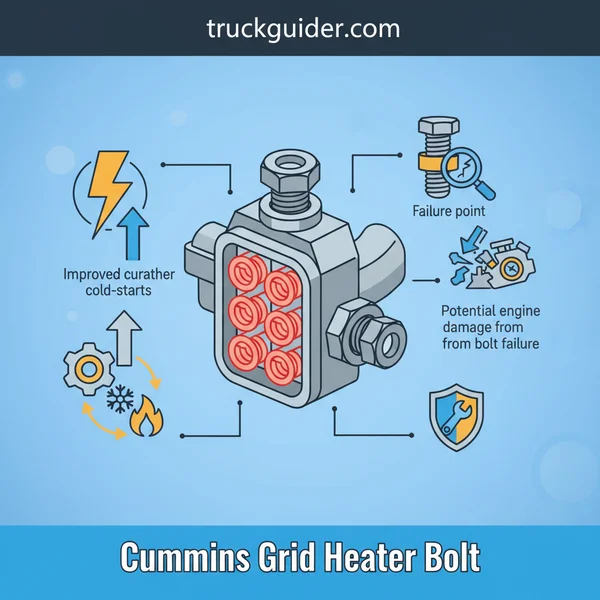
The “Killer Bolt” issue is a documented mechanical flaw affecting 2007.5 and newer 6.7L Cummins engines. If you own a RAM 2500 or 3500, the failure of a single small nut can lead to a $15,000 to $20,000 engine replacement. This happens when the electrical connection at the grid heater plate degrades, causing the heater’s power stud to melt or shake loose and fall directly into the intake tract.

Prime for Young Adults — 6 Months Free
Students and 18–24s get six months of Prime free, then half price.
Start 6 Months FreeThis matters because there is no factory sensor that detects when this bolt is about to fail. Once the bolt drops, it is almost always sucked into Cylinder #6, causing catastrophic internal damage. Understanding the mechanical progression of this failure is the only way to prevent your truck from becoming a total loss.
The Mechanical Failure Mechanism of the Cummins Grid Heater Bolt
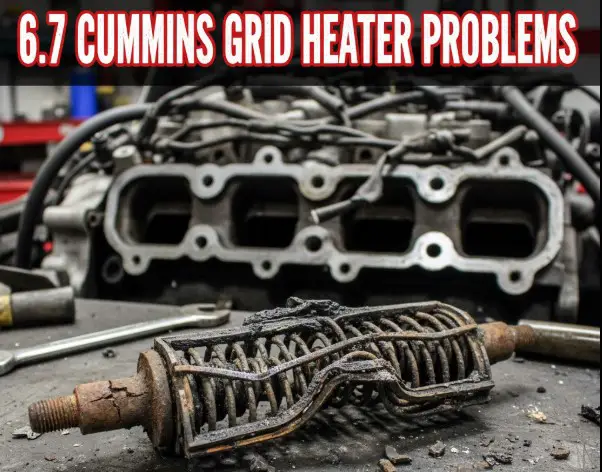
The Cummins grid heater is a high-amperage component designed to warm incoming air during cold starts. It pulls roughly 200 amps to heat the element. The core of the problem lies at the power distribution stud located on the underside of the intake plate. Over years of operation, the combination of extreme thermal cycling and engine vibration causes the hardware to lose its structural integrity.
Electrical Arcing and Heat Fatigue
The primary cause of the bolt failure is the massive current load passing through a connection that eventually loses its torque. When the nut holding the heater element to the stud loosens even slightly—due to the constant expansion and contraction of the metal—a gap forms. Because of the 200-amp draw, electricity begins to arc across this gap.
This arcing generates localized temperatures that exceed the melting point of the steel stud and the surrounding components. This process, often called “electrolysis” or thermal degradation by technicians, effectively welds and erodes the threads. Over time, the nut is no longer held by thread tension but by a brittle, heat-damaged connection that is prone to snapping under the weight of the element or the vibration of the engine.
The Gravity Trap: Why Cylinder #6?
The placement of the grid heater makes it a “gravity trap” for engine-killing debris. The heater plate sits directly atop the intake plenum. When the nut or the melted tip of the stud finally breaks free, it falls into the open cavern of the intake manifold. Due to the specific airflow dynamics of the 6.7L Cummins intake, the air rushes toward the back of the head. This makes Cylinder #6 the primary recipient of the fallen hardware. The results are immediate:
- Piston Crown Destruction: The metal nut is smashed between the piston and the cylinder head at high velocity.
- Cylinder Wall Scoring: Metal fragments can gouge the cylinder walls, requiring the block to be bored or replaced.
- Valve Damage: The debris often prevents the intake or exhaust valves from closing, leading to an instant loss of compression and potential valve-to-piston contact.
Identifying Symptoms and Warning Signs of Terminal Degradation
Recommended Best Deal Products

Early detection is the only way to avoid a full engine rebuild. Because the grid heater only operates during specific temperature windows, you might drive for months with a degrading bolt without noticing a change in performance. However, there are physical and electrical signs that the “Killer Bolt” is reaching its breaking point.
The Physical “Wiggle Test” and Visual Clues
The most reliable way to check the health of your grid heater is a hands-on inspection. You don’t need to be a master mechanic to spot the early stages of failure.
- Check for Terminal Movement: With the engine completely off, locate the single power wire leading to the top of the intake plate. Gently wiggle the stud. If the stud moves independently of the plate, or if it feels “crunchy” or loose, the internal nut has already begun to back off.
- Inspect the Plastic Insulator: Look at the black plastic bushing around the power stud. If it appears charred, melted, or brittle, arcing has already occurred.
- Look for Soot or Blow-by: If you see black soot or signs of carbon escaping from around the base of the stud, the seal has been compromised by extreme heat.
Monitoring Voltage and Diagnostic Trouble Codes (DTCs)
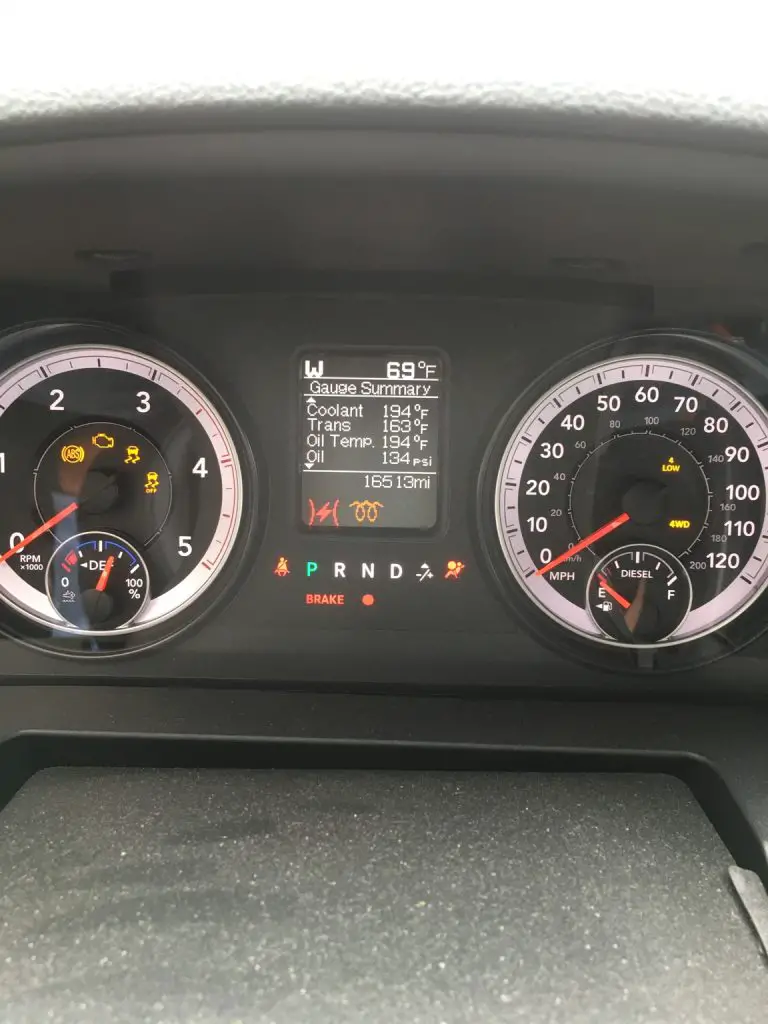
While the truck’s computer doesn’t monitor the nut, it does monitor the resistance and performance of the heater circuit. You should pay close attention to your dashboard voltmeter during cold starts. If you notice that the voltage doesn’t “cycle” or drop as it normally does when the heater kicks on, the connection may already be severed.
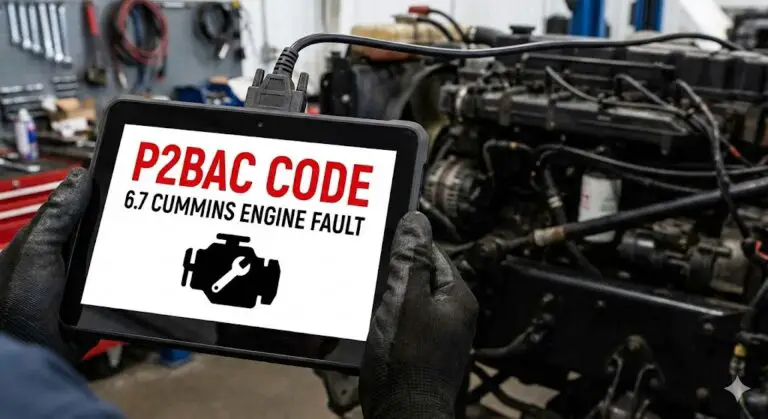
Additionally, keep an eye out for specific DTCs such as P2607 (Grid Heater Relay 1 Low) or P2608 (Grid Heater Relay 1 High). These codes are often dismissed as a bad relay or a dying battery, but they frequently trigger when the resistance in the circuit changes due to a melting or corroded power stud. If these codes appear alongside a “perform service” message, you should treat it as an emergency and inspect the heater plate immediately.

Audible — Listen Free for 30 Days
One free credit a month and thousands of titles included.
Listen Free for 30 DaysComparing Aftermarket Solutions: Delete Plates vs. Relocation Kits
Once you realize the threat the grid heater bolt poses to your 6.7L Cummins, the next step is choosing a permanent fix. Because the factory design is fundamentally flawed, simply replacing it with a new OEM part often just restarts the “ticking clock.” Most owners lean toward one of two primary aftermarket paths.
The Grid Heater Delete Plate
The most absolute way to eliminate the risk is to remove the heater entirely. A delete plate replaces the factory heater block with a high-flow aluminum spacer. This is a popular choice for truck owners in warmer climates or those seeking maximum performance. By removing the heating element, you also remove the restrictive “bridge” in the intake, which can slightly improve throttle response and reduce EGTs.
- Pros: Zero chance of engine failure from a dropped bolt; improved airflow; lower cost.
- Cons: Can cause difficult cold starts in freezing temperatures; may trigger a Check Engine Light (CEL) without proper tuning.
Grid Heater Relocation Kits
For those who live in northern climates and rely on their truck for winter work, a relocation kit is often the smarter play. These kits move the heating element away from the intake plenum. Some popular designs, like the Banks Monster Ram, utilize a different style of heater that doesn’t rely on the single-bolt “jiggle” point that causes the original failure. This preserves your truck’s ability to start in sub-zero weather while moving the failure point out of harm’s way.
- Practical Tip: If you choose a relocation kit, ensure it is compatible with your specific year model, as sensor locations can vary between early and late 6.7L engines.
Cost-Benefit Analysis of Proactive Grid Heater Maintenance
When looking at the price tags of aftermarket intake components, it is easy to experience a bit of sticker shock. However, in the world of diesel maintenance, being proactive is significantly cheaper than being reactive. The “wait and see” approach is a gamble where the stakes are your entire engine block.
Small Investment vs. Catastrophic Loss
A quality delete plate can cost as little as $100 to $200, while high-end relocation manifolds range from $600 to $900. When you compare this to the cost of a catastrophic engine failure, the decision becomes clear. If that bolt drops, you aren’t just looking at a simple repair; you are looking at a complete engine rebuild or a long-block replacement. In today’s market, a professional Cummins engine replacement can easily exceed $15,000 to $20,000 depending on labor rates and parts availability.
Long-Term Reliability and Resale Value
Beyond just avoiding a breakdown, addressing the grid heater bolt adds tangible value to your truck. The “jiggle pin” issue is well-known in the diesel community. A savvy buyer will ask if the grid heater has been addressed. Being able to show receipts for a delete plate or a relocation kit proves that you have maintained the truck with an eye for longevity. It transforms a known liability into a selling point of “bulletproofed” reliability.
- Real-World Example: Many fleet owners now perform grid heater deletes as standard preventative maintenance at the 100,000-mile mark to ensure their trucks stay on the road and out of the shop.
Protecting Your Cummins Investment
The Cummins grid heater bolt is a small component with the power to cause massive destruction. While most 6.7L engines will run for hundreds of thousands of miles without issue, the inherent design flaw of the electrical stud makes it a risk that shouldn’t be ignored. By understanding the signs of wear and choosing a permanent aftermarket solution, you can drive with the peace of mind that your engine is safe from internal debris.
If you haven’t checked your heater bolt yet, your next step should be a simple visual inspection. Look for signs of “pitting” or scorching around the nut on the intake plate. Don’t wait for a “Wait to Start” light error or a strange engine knock to take action. Invest in a delete plate or a relocation kit today and keep your Cummins humming for years to come!
Audible Premium Plus — Annual Membership
12 audiobook credits up front, plus the full Audible catalogue.
See Annual Plans💬 Quick Questions & Answers
What is the ‘Killer Bolt’ in a Cummins?
It refers to the internal nut on the intake grid heater that can vibrate loose and fall into the engine.
Which Cummins engines are affected?
It primarily affects the 6.7L Cummins engines found in RAM 2500 and 3500 trucks from 2007.5 to present.
Can I just delete the grid heater?
Yes, but you may experience difficult cold starts in sub-freezing temperatures without an alternative heat source.
Where does the bolt go when it falls?
The nut typically falls directly into the intake runner for cylinder #6, causing immediate piston and valve damage.
How do I know if my bolt is loose?
If the external power stud on the intake manifold wiggles or shows signs of melting, the internal nut is likely failing.
❓ Frequently Asked Questions
Why does the grid heater bolt fail in the first place?
The failure is caused by high-amperage electrical arcing and thousands of heat cycles that weaken the connection. Over time, engine vibration causes the deteriorated nut to back off the stud and drop into the intake path.
What is the difference between a grid heater delete and relocation?
A delete plate completely removes the heating element to eliminate risk, while relocation (like the Banks Monster Ram) moves the heater to a safer position. Relocation is preferred for those in cold climates who still need pre-heating for engine starts.
Is there an updated OEM part to fix this issue?
RAM has released updated solenoids and revised heater assemblies, but the fundamental design remains a concern for many. Many owners prefer aftermarket solutions that fundamentally change how the heater is secured.
What are the torque specifications for the grid heater terminal?
The electrical terminal nut should be torqued to exactly 18 ft-lbs (24 Nm). Improper torque is a leading cause of the arcing that eventually leads to the nut falling off.
Will a grid heater delete cause a Check Engine Light (CEL)?
Yes, removing the heater without a proper electronic bypass or tuning will trigger a CEL. Most reputable delete kits include a resistor or instructions on how to manage the electronics.
How much does it cost to address the ‘Killer Bolt’ proactively?
Proactive fixes range from $100 for a simple delete plate to over $1,200 for high-performance intake manifolds. Compared to a $15,000+ engine replacement, it is a highly recommended preventative measure.
![How Much Does a 6.7 Cummins Weigh? Dry vs. Wet: Complete Specs Guide [2026]](https://truckguider.com/wp-content/uploads/2026/03/how-much-does-a-6-7-cummins-weigh-featured.webp)