
How to Prevent Hemi Tick: Essential Oil and Habit: Step-by-Step Guide [2026]

To prevent the Hemi tick, you must prioritize high-molybdenum synthetic oil and high-flow filters to protect vulnerable needle bearings. Reducing excessive engine idling is critical because low RPMs result in insufficient oil pressure at the top end of the engine. Consider proactive upgrades like high-volume oil pumps to ensure consistent lubrication under all driving conditions.
🎯 Key Takeaways
Recommended Best Deal Products


- Switch to high-quality 5W-30 synthetic oil with high molybdenum for better wear protection.
- Install a high-flow oil filter like the SRT or Royal Purple for maximum lubrication.
- Reduce prolonged idling to maintain higher oil pressure at the lifters and camshaft.
- Shorten oil change intervals to 3,000–5,000 miles to prevent additive depletion.
- Install a Melling high-volume oil pump to increase oil flow at lower RPMs.
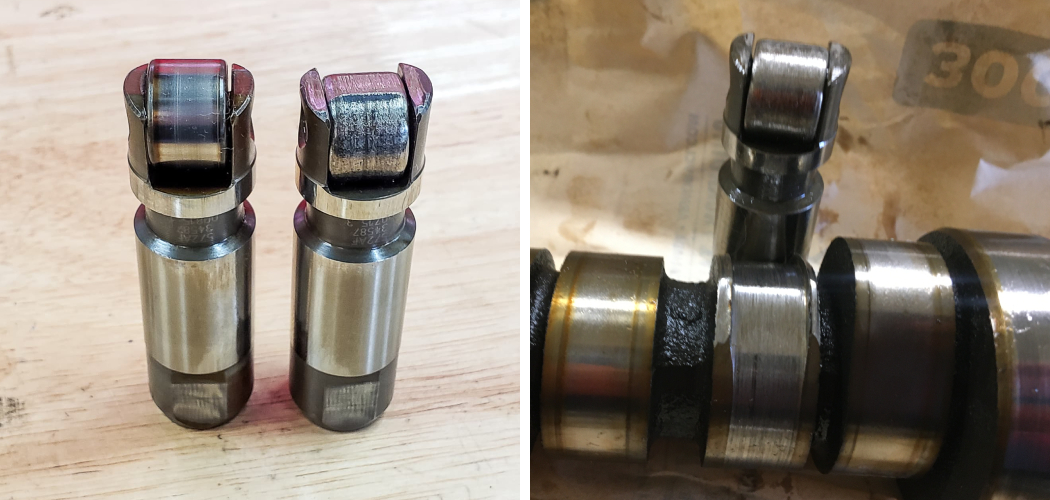
Preventing the dreaded Hemi tick requires a shift away from standard dealership maintenance and toward a high-performance lubrication strategy. The root cause of most lifter failures in the 5.7L and 6.4L Hemi engines is the failure of the needle bearings within the lifter rollers, which eventually seizes the roller and wipes out the camshaft lobe. To stop this, you must prioritize oil film strength and consistent oil pressure at the top end of the engine. By using high-molybdenum oils and high-flow filters, you ensure that these sensitive bearings stay lubricated even under high heat and stress.

Prime for Young Adults — 6 Months Free
Students and 18–24s get six months of Prime free, then half price.
Start 6 Months Free
This matters because once the “tick” starts, the damage is usually irreversible, leading to a repair bill that can easily exceed $3,500. The factory-recommended oil intervals and standard filters are often insufficient for the unique overhead valve design of the Hemi. You need to treat your engine like the high-performance machine it is, focusing on specific chemical additives and mechanical flow rates to keep the lifters swimming in oil rather than grinding against the cam.
The Science of Lubrication: Why Molybdenum and High-Flow Filters Matter
The primary reason Hemi lifters fail is lack of lubrication at the needle bearings. Unlike many modern overhead cam engines, the Hemi relies on “splash” lubrication and oil mist to reach the cam-to-lifter interface. If your oil isn’t designed to cling to metal surfaces or flows too slowly, those bearings run dry. This is why your choice of oil and filter is the most critical decision you will make for your engine’s longevity.
The Critical Role of Molybdenum Content
Molybdenum (often called “moly”) is a friction modifier that acts as a secondary layer of protection. When the oil film is squeezed out under high pressure, moly particles remain bonded to the metal, preventing metal-on-metal contact. Most off-the-shelf oils have some moly, but Hemi engines require much higher concentrations to protect the needle bearings.
- Red Line Professional Series or High Performance: Known for having extremely high moly counts (often over 500-800 ppm), which provides a “cushion” for the lifter rollers.
- Pennzoil Ultra Platinum: A favorite among Hemi enthusiasts because it uses Natural Gas-to-Liquid technology, resulting in a cleaner base oil with better flow characteristics at cold starts.
- Amsoil Signature Series: Offers high shear stability, meaning the oil doesn’t thin out as quickly when the engine gets hot.
When selecting an oil, look for a full synthetic that maintains a high viscosity index. You want an oil that stays thick enough to protect when hot but remains fluid enough to reach the top end instantly when you turn the key.
High-Flow Filtration: SRT and Royal Purple
Standard oil filters focus on capturing tiny particles, but they often do so at the expense of flow rate. In a Hemi, flow is more important than extreme filtration. If the filter is too restrictive, the bypass valve opens, or worse, the volume of oil reaching the lifters drops. You should switch to a high-flow filter designed for performance applications.
- The “SRT” White Filter (04806556OF): Originally designed for the Viper and Hellcat, this filter has a higher burst strength and significantly better flow rates than the standard black Mopar filter.
- Royal Purple 20-820: This filter uses 100% synthetic micro-glass media, which allows for superior flow while still catching 99% of contaminants.
- Wix XP: A heavy-duty option that resists collapsing under high pressure and provides consistent flow during cold starts.
Master Hemi Tick Prevention in 7 Simple Steps
Recommended Best Deal Products


The “Hemi Tick” is a notorious sound that haunts owners of Chrysler, Dodge, and RAM vehicles equipped with the 5.7L or 6.4L Hemi engines. While this rhythmic tapping can sometimes be a harmless broken exhaust manifold bolt, it often signals a much more serious issue: seized needle bearings in the roller lifters that eventually grind down the camshaft. Following this guide is essential because preventing this failure can save you upwards of $4,000 in engine repair costs. By focusing on superior lubrication, heat management, and specific driving habits, you can keep your Hemi running quietly and efficiently for hundreds of thousands of miles.
Step 1: Shorten Your Oil Change Intervals
What you need: A logbook or maintenance app, high-quality full synthetic oil, and a consistent schedule.
Instructions: While many modern vehicle manufacturers suggest oil change intervals of 7,500 to 10,000 miles, this is often too long for the Hemi’s overhead valve (OHV) design. To prevent the Hemi tick, you should transition to a strict 3,000 to 5,000-mile oil change interval. The lifters in a Hemi are positioned at an angle that can lead to oil pooling or inadequate splash lubrication at lower RPMs. Fresh oil maintains its viscosity and detergent properties better, ensuring that the tiny needle bearings within the lifters remain lubricated and free of carbon deposits that cause them to seize. Frequent changes also remove microscopic metal shavings before they can cause abrasive wear on the cam lobes.
Pro Tip: Never rely solely on the “Oil Life” percentage monitor in your dashboard; it calculates life based on algorithms, not the actual chemical state of the oil.

Audible — Listen Free for 30 Days
One free credit a month and thousands of titles included.
Listen Free for 30 DaysStep 2: Select High-Moly Full Synthetic Oil
What you need: 7 quarts of high-quality synthetic oil (typically 5W-20 for MDS engines or 0W-40 for SRT models).
Instructions: Not all oils are created equal when it comes to the Hemi engine. You need a full synthetic oil with a high concentration of molybdenum (moly). Molybdenum acts as a dry-film lubricant that coats engine components, providing a layer of protection during cold starts when oil hasn’t yet reached the top of the engine. Many Hemi enthusiasts and mechanics recommend Pennzoil Ultra Platinum or Red Line 5W-20/5W-30. Red Line, in particular, contains high levels of ester base stocks and molybdenum that have been shown in oil analysis tests to significantly reduce the friction that leads to lifter failure. Ensure you are using the exact viscosity recommended on your oil cap to maintain proper Multi-Displacement System (MDS) operation.
Pro Tip: Look for oils that meet the Chrysler MS-6395 specification to ensure total compatibility with your engine’s internal seals and sensors.
Step 3: Upgrade to a High-Flow Oil Filter
What you need: A premium oil filter (e.g., SRT Filter 05038041AA, Wix XP, or Royal Purple).
Instructions: The standard economy oil filters found at quick-lube shops often have inferior filtration media and restrictive flow rates. To prevent the tick, you want an oil filter that allows for maximum flow while still trapping small particulates. The SRT-specific oil filter (white casing) is a popular upgrade for the 5.7L Hemi because it features a higher bypass valve setting and superior flow characteristics designed for high-performance engines. A high-flow filter ensures that even during a cold start or high-RPM driving, the lifters are receiving the maximum volume of oil possible. When installing, always pre-fill the filter with fresh oil to reduce the duration of “dry” operation during the first start after the change.
Pro Tip: Avoid “Extended Life” filters that prioritize longevity over flow rate; for Hemi engines, oil volume and pressure at the lifters are your top priorities.
Step 4: Minimize Excessive Idling
What you need: A change in driving habits and awareness of engine run-time.
Instructions: One of the primary contributors to lifter failure in Hemi engines is excessive idling. At idle, the oil pump produces lower pressure, and because the Hemi uses a “splash” lubrication method for the cam-to-lifter interface, the volume of oil reaching those critical components is minimized. Police cruisers (Chargers and Rams) are famous for “the tick” because they spend hours idling. If you are parked, turn the engine off rather than letting it sit for more than five minutes. If you find yourself in heavy traffic frequently, try to gently increase the RPMs periodically to help circulate oil. Reducing idle time ensures that the needle bearings are always submerged in a fresh, pressurized supply of lubricant.
Audible Premium Plus — Annual Membership
12 audiobook credits up front, plus the full Audible catalogue.
See Annual PlansPro Tip: If your vehicle has an “Hour Meter” in the digital display, keep an eye on your idle hours versus driving hours; a high idle ratio significantly increases the risk of premature wear.
Step 5: Utilize Specialized Lubrication Additives
What you need: An oil stabilizer or friction modifier (e.g., Lubegard Biotech Engine Protectant).
Instructions: While high-quality oil is the foundation, adding a specialized friction modifier can provide an extra layer of insurance. Products like Lubegard Biotech use Liquid Wax Esters (LXE) technology that helps the oil cling to metal surfaces even after the engine is turned off. This is crucial for the Hemi because the lifters are located high in the block, and oil tends to drain away from them during long periods of sitting. An additive ensures that upon the next startup, there is an immediate lubricating film present. Pour the additive into the oil fill neck while the engine is warm, then drive for at least 15 minutes to ensure it is thoroughly mixed and circulated throughout the galleries.
Pro Tip: Only use additives that are compatible with synthetic oils and will not interfere with the MDS (Variable Displacement) solenoids.
Step 6: Inspect and Secure Exhaust Manifolds
What you need: A flashlight, a 10mm socket or wrench, and replacement Grade 8 bolts (if necessary).
Instructions: Not all “Hemi Ticks” are internal engine failures. Frequently, the sound is actually an exhaust leak caused by broken manifold bolts—usually the rear bolts on the passenger side. The factory bolts are prone to snapping due to the heat cycles of the cast iron manifold. To prevent this, periodically inspect your manifold heat shields for any signs of movement or soot. If you hear a ticking that disappears once the engine warms up, it is likely the manifold. Upgrading to high-quality stainless steel headers or replacing factory bolts with Grade 8 hardware and Remflex gaskets can prevent the “exhaust tick” from occurring and keep your engine bay sounding quiet and professional.
Pro Tip: If you find a broken bolt, address it immediately; the uneven heat distribution of a leaking manifold can eventually warp the cylinder head surface.
Step 7: Monitor Oil Pressure and Temperature
What you need: The vehicle’s “Performance Pages” or “EVIC” digital display menu.
Instructions: Modern Hemi-equipped vehicles provide a wealth of data in the instrument cluster. Make it a habit to scroll to the “Vehicle Info” page and monitor your oil pressure and oil temperature. At operating temperature (approx. 200°F), your oil pressure should typically be between 25-35 PSI at idle and 50+ PSI at cruising speeds. If you notice a sudden drop in idle pressure or unusually high temperatures (above 235°F during normal driving), your oil may be thinning out too much, losing its protective ability. Keeping the engine cool by ensuring your coolant levels are topped off and your radiator is clean will help maintain the oil’s structural integrity, preventing the breakdown that leads to metal-on-metal contact at the lifters.
Pro Tip: If you tow heavy loads, consider installing an auxiliary oil cooler to keep temperatures in the “sweet spot” of 210°F to 220°F.
✅ Final Checklist
- Verify that you are using a high-moly full synthetic oil and a premium high-flow filter.
- Check that your oil change interval is set to no more than 5,000 miles.
- Ensure the engine idle time is kept to a minimum during daily operation.
- Confirm there are no soot marks or loose bolts around the exhaust manifolds.
- Verify oil pressure is within the manufacturer’s spec (typically 25-60 PSI depending on RPM).
Important Notes:
- Safety First: Always perform oil changes and manifold inspections on a level surface with the engine off and cooled down.
- Professional Help: If you hear a loud, metallic “clacking” that does not go away after the engine warms up and follows engine RPM, seek a professional mechanic immediately to inspect the camshaft and lifters.
- Estimated Cost: Preventing the tick via high-quality maintenance costs $80–$120 per oil change. Replacing a cam and lifters usually costs between $3,500 and $5,000.
- Time: Most preventive maintenance steps take 30–60 minutes every few months.
Operational Impact: The Relationship Between Idle Time and Top-End Starvation
How you drive your Hemi is just as important as the oil you put in it. One of the most common mistakes owners make is letting their truck or car idle for extended periods. While it might seem like you are being “gentle” on the engine, you are actually starving the top end of the vital lubrication it needs to survive.
The Danger of Extended Idling
At a standard idle of roughly 650 RPM, the Hemi oil pump is operating at its lowest output. While there is enough pressure to keep the crankshaft lubricated, there is often insufficient volume to properly “splash” the camshaft and lifters. Over time, idling creates a “dry” environment for the needle bearings.
- Police Pursuit Vehicles: It is no coincidence that 5.7L Hemis in police cruisers (which idle for hours) fail much faster than those used for highway driving.
- Low Pressure: Low RPM equals low oil volume. The oil doesn’t have the velocity needed to escape the galleries and coat the cam lobes effectively.
- Heat Soak: Excessive idling leads to higher internal temperatures without the airflow of a moving vehicle, thinning the oil and further reducing protection.
If you find yourself in a situation where you must stay in the vehicle, it is better to occasionally “blip” the throttle or safely increase the RPM to 1,200 for a few seconds to help circulate oil to the top end.
The Warm-Up Myth vs. Reality
Many owners believe they should let their Hemi sit for 10 or 15 minutes in the driveway on cold mornings. This is actually counterproductive. The goal should be to get the oil up to operating temperature as quickly as possible without stressing the engine. The faster the oil warms up, the better it flows through the small passages leading to the lifters.
The best practice is to wait 30 seconds for the initial oil pressure to stabilize, then drive away gently. Keep your RPMs below 3,000 until the oil temperature (not the coolant temperature) reaches at least 160°F. Driving the vehicle puts a light load on the engine, which generates heat faster than idling, ensuring that the oil reaches its optimal lubricating state sooner. This reduces the total time the lifters spend operating with “cold” oil that is too thick to penetrate the needle bearings properly.
Mechanical Preventative Measures: High-Volume Pumps and MDS Considerations
Recommended Best Deal Products


Upgrading to High-Volume Oil Pumps
One of the primary theories behind Hemi lifter failure is insufficient oil pressure at hot idle. Because the lifters are located at the top of the engine block, they are often the last components to receive lubrication when the engine is running at low RPMs. Installing a high-volume oil pump, such as a Melling M363HV or a pump designed for the 6.2L Hellcat, can provide the necessary “push” to keep those components bathed in oil.
- Better PSI at Idle: Factory pumps may dip to 20-25 PSI when hot; high-volume upgrades can maintain a much safer 35-40 PSI.
- Improved Cooling: More oil circulating through the cylinder heads helps pull heat away from the valve train.
- Peace of Mind: This is a highly recommended upgrade if you are already performing a timing chain service or a water pump replacement.
Practical Tip: If you spend a lot of time in heavy traffic or use your truck for work that requires frequent idling, the mechanical upgrade of a pump is often the single best insurance policy you can buy for your camshaft.
The MDS Impact on Lifter Lubrication
The Multi-Displacement System (MDS) is designed to save fuel by deactivating four cylinders during highway cruising. However, when these cylinders are “shut off,” the lifters for those cylinders stop cycling their internal oil as frequently. This can lead to localized heat buildup or oil stagnation in the lifter bores, which many mechanics believe contributes to the “tick” over time.
- Electronic Disabling: Using a plug-in OBD-II device or a tuner to keep the engine in full V8 mode ensures all sixteen lifters are always moving and receiving fresh oil.
- Tow/Haul Mode: Engaging “Tow/Haul” or using the gear-select buttons to limit the top gear will often disable MDS automatically without any extra hardware.
- Mechanical Deletes: For those planning high-performance builds, a physical MDS delete kit replaces the special solenoid lifters with standard, more durable versions.
Oil Viscosity Analysis: Evaluating 5W-20 vs. 5W-30 for Lifter Longevity
Why Factory 5W-20 Might Not Be Enough
The 5W-20 oil recommended in the owner’s manual is primarily chosen to help the vehicle meet federal fuel economy standards (CAFE). While this thin oil flows quickly on cold starts, it can become incredibly thin—almost like water—once the engine reaches full operating temperature. In a high-torque V8 like the Hemi, this thin film may not provide enough “cushion” between the lifter roller and the camshaft lobe.
- Shear Breakdown: Under heavy loads or high heat, 5W-20 is more prone to shearing, which reduces its protective capabilities.
- Noise Reduction: Many owners report that the engine sounds “clattery” or “loose” when running the thinner factory-spec oil, especially after a long drive.
The 5W-30 Difference: Shear Stability and Film Strength
A growing consensus among Hemi enthusiasts and independent shops is that switching to a high-quality 5W-30 synthetic oil offers superior protection. The slightly thicker viscosity provides a more robust oil film that stays put on the metal surfaces. Brands like Redline are particularly popular because they contain high levels of molybdenum, an anti-wear additive that bonds to the engine internals to prevent metal-on-metal contact during startup.
- Enhanced Lubricity: The 30-weight oil offers better “staying power” on the lifters, reducing the risk of a dry start after the vehicle has been sitting.
- Real-World Example: Police fleets, which are notorious for high idle times, have seen marked improvements in engine longevity after switching to a higher-grade synthetic 5W-30.
- Additive Content: Look for oils marketed as “High Zinc” or “High Moly” to provide an extra layer of protection for the needle bearings inside the lifter rollers.
Conclusion
Preventing the Hemi tick is a proactive journey that involves more than just following the basic maintenance schedule. By understanding the limitations of thin factory oils and the mechanical strain of excessive idling, you can take steps to keep your engine running quietly for years. Whether you choose to upgrade your oil pump, switch to a more robust 5W-30 synthetic, or simply disable the MDS system, these small changes can save you thousands in repair costs down the road.
Next Steps: At your next oil change, consider trying a premium synthetic 5W-30 and keep a close eye on your idle hours via the dashboard menu. Stay vigilant, listen to your engine, and keep that Hemi humming!
💬 Quick Questions & Answers
What oil is best for preventing Hemi tick?
Full synthetic 5W-30 with high molybdenum content, like Red Line or Pennzoil Ultra Platinum, is highly recommended.
Does idling cause the Hemi tick?
Yes, excessive idling keeps oil pressure low, which starves the lifter needle bearings of necessary lubrication.
Should I disable MDS to stop the tick?
Disabling MDS can improve consistent oil flow to all lifters, though its primary benefit is preventing specific MDS-lifter mechanical failures.
How often should I change Hemi oil?
For maximum protection, change your oil every 3,000 to 5,000 miles regardless of the manufacturer’s 10,000-mile suggestion.
Which oil filter is best for the 5.7L Hemi?
The SRT (04884899AC) or a Royal Purple high-flow filter are the top choices for ensuring maximum oil volume.
❓ Frequently Asked Questions
Why is molybdenum so important for Hemi engines?
Molybdenum acts as a dry lubricant that stays on metal surfaces when oil pressure is low. It provides a critical layer of protection for the needle bearings in the lifters during startup and idle.
Is switching from 5W-20 to 5W-30 safe?
Many enthusiasts and mechanics recommend 5W-30 because it provides a thicker film at operating temperatures. While 5W-20 is for fuel economy, 5W-30 offers better protection for the camshaft and lifter interfaces.
How does a high-volume oil pump help?
Standard pumps may not provide enough pressure at low idle speeds to push oil to the top of the engine. A high-volume pump, like a Melling, ensures more oil reaches the lifters even when the engine is warm and idling.
What are the early warning signs of Hemi tick?
Look for a rhythmic metallic tapping or clicking sound coming from the top of the engine, especially during a cold start. If the sound persists after the engine warms up, the lifters or camshaft may already be failing.
Can a catch can help prevent engine wear?
While a catch can primarily prevents oil vapor from entering the intake manifold and creating carbon buildup, it keeps the overall intake system cleaner. However, it is less direct than oil quality in preventing lifter failure.
Why does the manufacturer recommend 10,000-mile intervals?
Manufacturer intervals are often designed to lower the ‘total cost of ownership’ for marketing purposes. For high-performance engines like the Hemi, these long intervals allow additives to deplete and sludge to form, increasing wear.
![6.7 Cummins Life Expectancy [2026]](https://truckguider.com/wp-content/uploads/2026/03/featured-17f2d286-768x768.webp)

![2007 Ram 1500 5.7 Hemi: Specs, Reliability & Common Issues [2026]](https://truckguider.com/wp-content/uploads/2026/03/2007-ram-1500-5-7-hemi-featured.webp)
![6.4 Hemi MDS Delete Kit: Essential Parts & Tuning Guide [2026]](https://truckguider.com/wp-content/uploads/2026/03/6-4-hemi-mds-delete-kit-featured.webp)