Diesel Truck Repair Quotes 2026 Real Pricing Guide

Diesel truck repair quotes often catch owners off guard with hourly shop rates between $130 and $250, alongside steep replacement parts pricing. An accurate estimate requires an itemized breakdown of diagnostic fees, OEM versus remanufactured parts, and standard book labor hours. Knowing these critical cost drivers ensures you receive a fair, competitive quote without hidden shop markups.
In 2026, most diesel truck repair quotes land between $800 and $4,500 for standard component replacements, while major fuel system failures and emissions overhauls climb from $7,000 to $12,000. Your final bill hinges directly on high-pressure parts pricing and specialized diesel labor rates, which currently average $140 to $260 per hour. Getting an accurate estimate upfront ensures you can challenge inflated shop hours and avoid paying retail markups on components you could source for less.
Every day your truck spends parked in a service bay drains revenue, making transparency in repair estimates essential. When you understand the balance between parts cost and required book time, you can evaluate diesel repair estimates quickly, negotiate line items, and avoid paying for unnecessary peripheral work.

Prime for Young Adults — 6 Months Free
Students and 18–24s get six months of Prime free, then half price.
Start 6 Months FreeKey Takeaways
- Heavy-duty diesel labor rates typically range from $130 to $220 per hour depending on region.
- Common repairs like fuel injectors ($1,500–$4,000) drive the largest portion of diesel estimates.
- Always demand an itemized estimate separating diagnostic fees, parts markups, and actual book labor.
- Compare at least two independent diesel specialty shops against dealership service quotes.
- Verify whether quoted replacement parts are new OEM, remanufactured, or third-party aftermarket.
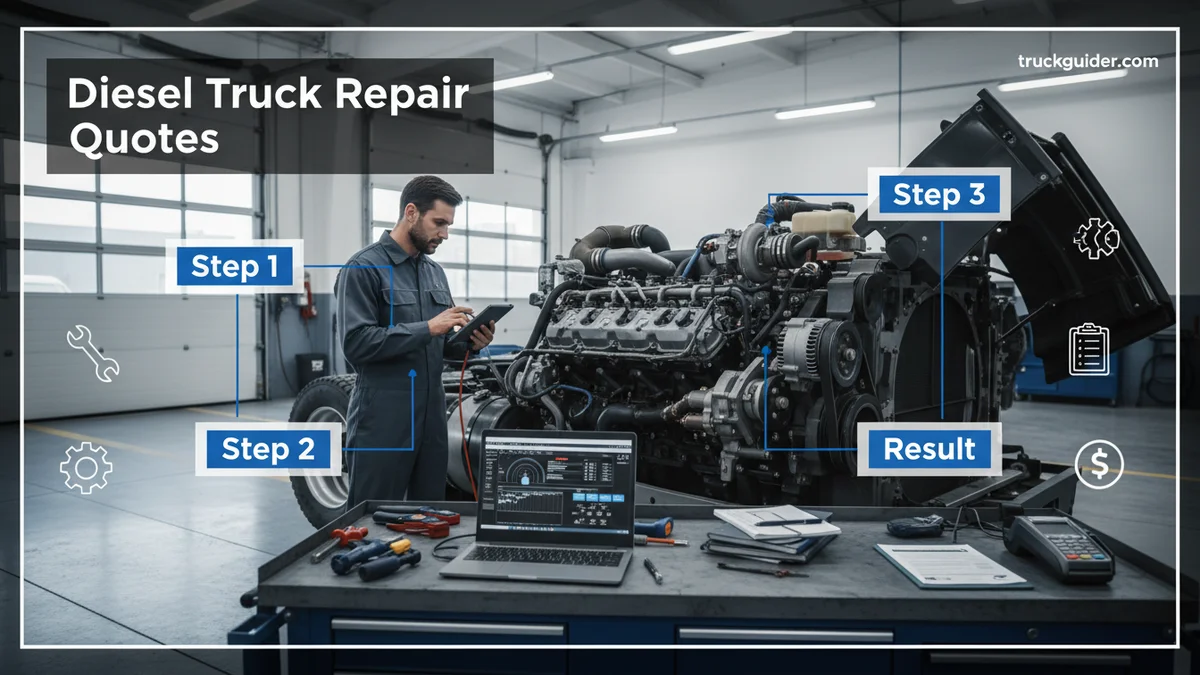
Diagnosing Diesel Truck Repair Quotes: Real Cost Ranges for Common Repairs
Recommended Best Deal Products


Diesel components must withstand intense compression and heat, meaning replacement parts carry steep price tags compared to standard automotive equipment. The following breakdowns highlight what you should expect to pay for parts versus labor on standard heavy-duty and commercial diesel platforms in 2026.
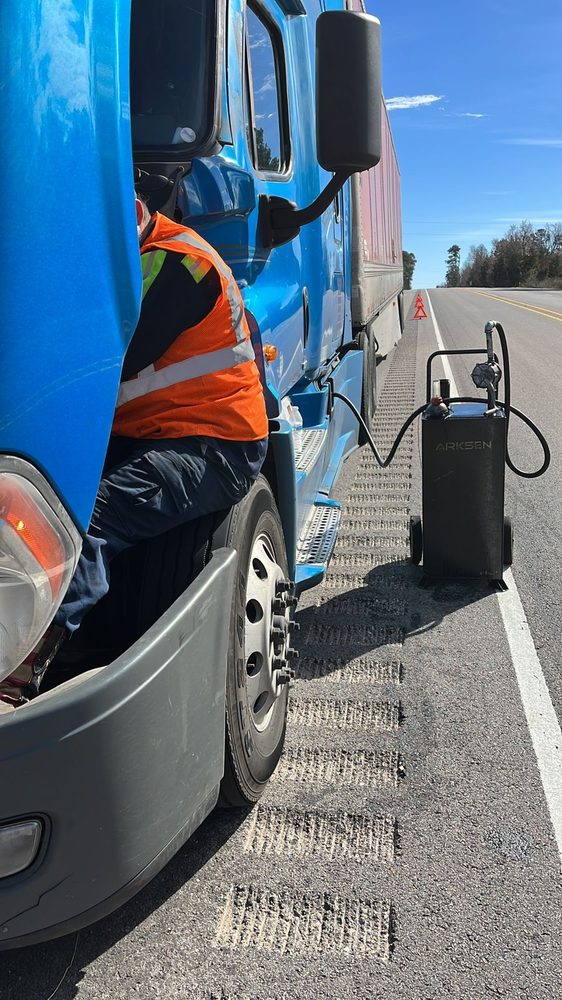
Fuel System and Turbocharger Replacement Costs
Modern common-rail fuel systems operate at pressures above 30,000 PSI, requiring surgical precision during installation. Turbochargers face similar high-stress wear patterns over extended hauling cycles.
- Fuel Injector Replacement (Full Set): Parts run between $1,800 and $3,400 for new or remanufactured OEM injectors. Labor takes 4 to 8 hours depending on whether your engine requires cab removal, adding $650 to $1,600. Total expected quote: $2,450 – $5,000.
- High-Pressure Fuel Pump (CP3/CP4): Parts cost ranges from $1,200 to $2,200. Labor requires 5 to 7 hours, adding $750 to $1,500. Total expected quote: $1,950 – $3,700 (assuming no metal shavings entered the fuel rails).
- Variable Geometry Turbocharger (VGT): A new or remanufactured turbo assembly costs $1,500 to $2,800. Labor averages 3 to 6 hours, billing at $500 to $1,300. Total expected quote: $2,000 – $4,100.
Aftertreatment and Cooling System Repairs
Emissions hardware and heavy-duty cooling components represent a major percentage of shop work orders. Emissions failures frequently immobilize trucks into derate mode, making rapid, honest pricing critical.
- Diesel Particulate Filter (DPF) Replacement: A new OEM filter costs $2,400 to $4,600. Labor is straightforward at 2 to 4 hours ($300 to $800). Total expected quote: $2,700 – $5,400. (Professional thermal baking/cleaning services run considerably less at $350 to $650).
- EGR Cooler and Valve Assembly: High-durability replacement coolers and control valves cost $700 to $1,500 in parts. Labor is labor-intensive at 4 to 7 hours, adding $600 to $1,500. Total expected quote: $1,300 – $3,000.
- Water Pump and Cooling System Flush: Heavy-duty water pumps range from $250 to $650 for parts. Labor accounts for 3 to 5 hours ($450 to $1,100). Total expected quote: $700 – $1,750.
How to Navigate Diesel Truck Repair Quotes Like a Pro: A Practical Walkthrough
Diesel truck repairs represent a substantial investment, with complex systems like common-rail injection, forced induction, and emissions aftertreatment pushing work orders into thousands of dollars. Navigating repair quotes requires an informed approach to prevent inflated book times, aggressive parts markups, and unauthorized sublet charges. Following this structured process ensures you secure fair, transparent, and accurate pricing while maintaining the operational reliability of your medium- or heavy-duty diesel rig.
Step 1: Document Symptoms and Extract Diagnostic Trouble Codes
What you need: An OBD-II or J1939 heavy-duty diagnostic scanner, an infrared thermometer, and a dedicated vehicle logbook.
Instructions: Before contacting any repair facility, plug in your diagnostic tool and record all active and pending Diagnostic Trouble Codes (DTCs), such as SPN/FMI codes or P-codes (e.g., P0299 for turbo underboost or P20EE for SCR catalyst efficiency). Document the exact conditions when the fault occurs: engine RPM, coolant temperature, boost PSI, and whether the truck was pulling a grade under heavy payload. Note visual symptoms like white, blue, or black tailpipe exhaust, and capture any abnormal rail pressure spikes or drops. Presenting precise data prevents shops from charging open-ended diagnostic fees.
Pro Tip: Never clear codes right before requesting an estimate; doing so wipes critical “freeze-frame” data that diesel technicians require to verify the root failure without running hours of redundant testing.
Step 2: Compile Vehicle Specifications and Service Records
What you need: The vehicle identification number (VIN), Engine Serial Number (ESN), gross vehicle weight rating (GVWR), and the past 24 months of maintenance records.
Instructions: Diesel engines vary widely across model years and emissions tiers (such as EPA07 versus EPA10 or Tier 4 Final). Locate the metal stamped data plate on the engine valve cover or front timing cover to record the exact ESN and displacement (e.g., 6.7L Powerstroke, 6.6L Duramax, or 15L Cummins X15). Gather documentation of prior fluid flushes, injector replacements, fuel-water separator maintenance, and DPF cleanings. When contacting shops, provide this dossier immediately so service writers identify the exact part revisions and engine architecture without making pricing assumptions based on generic truck models.

Audible — Listen Free for 30 Days
One free credit a month and thousands of titles included.
Listen Free for 30 DaysPro Tip: Service writers frequently charge higher “worst-case” buffer rates if they do not know whether your configuration has single or dual EGR coolers or requires cab-off access.
Step 3: Solicit Itemized Estimates from Multiple Qualified Facilities
What you need: Contact details for at least two independent heavy-duty diesel specialists and one factory-authorized dealership; written request template.
Instructions: Contact three reputable facilities and request a formal, line-item estimate based on your vehicle’s documented issues. Explicitly state that you do not accept “lump-sum” bottom-line pricing. Require each shop to categorize the quote into four distinct buckets: diagnostic fees, labor hours multiplied by their posted hourly shop rate, itemized parts with manufacturer part numbers, and shop supply/environmental disposal fees. Inform each service writer that you are collecting comparative bids for the scheduled work, which naturally encourages competitive pricing from the outset.
Pro Tip: Confirm that independent shops carry ASE Master Truck Technician or factory diesel certifications to ensure quality matches that of authorized franchised dealers.
Step 4: Audit Flat-Rate Labor Hours Against Published Industry Guides
What you need: Access to third-party diesel labor time guides (such as Mitchell 1 ProDemand, MOTOR Heavy Truck, or Chilton), a standard calculator.
Instructions: Scrutinize the quoted labor hours line by line. Commercial diesel facilities typically calculate billing based on flat-rate book time rather than clock hours. For instance, replacing an CP4 or CP3 injection pump might carry a standard guide time of 7.5 to 9.0 hours. Compare the quoted hours against recognized industry guides. Verify that overlapping repairs reflect reduced labor: if the technician must remove the intake manifold and turbocharger to access an oil cooler, they cannot bill full, separate removal times for the turbo and manifold on both jobs. Multiply the verified hours by the shop’s hourly rate ($140 to $240 per hour is typical) to confirm mathematical accuracy.
Pro Tip: Watch for shops billing “severe duty” or “cab-off” labor multipliers without explicit mechanical justification.
Step 5: Evaluate Parts Line Items, Brand Tiers, and Core Charges
What you need: OEM parts catalog access or verified online diesel parts distributor pricing databases for baseline cross-referencing.
Audible Premium Plus — Annual Membership
12 audiobook credits up front, plus the full Audible catalogue.
See Annual PlansInstructions: Examine every part number listed on the quote. Identify whether the parts are OEM (Original Equipment Manufacturer), Tier-1 aftermarket suppliers (such as Bosch, Delphi, or Garrett), or budget third-party reproductions. For high-wear components like injectors, turbochargers, or high-pressure oil pumps, check whether the quote specifies new components or remanufactured (“reman”) units. Cross-reference part numbers against market retail prices; standard shop markups range from 25% to 45%, but markups exceeding 60% are grounds for negotiation. Finally, ensure all returnable core charges are transparently listed as temporary holds rather than permanent costs.
Pro Tip: Never approve budget, unbranded fuel injectors; defective tolerances in low-cost reman injectors can melt a diesel piston crown within hundreds of miles.
Step 6: Clarify Diagnostic Teardown Authorizations and Auxiliary Fees
What you need: A pen or digital signing software with annotation capabilities, specific cap figure (e.g., $300-$500 maximum).
Instructions: Complex failures (such as bottom-end engine knocks or valvetrain issues) often necessitate disassembly before an accurate repair quote can be generated. When signing a teardown authorization, insert a strict monetary ceiling limiting initial disassembly to a set number of diagnostic hours (typically 2 to 3 hours). Ensure the quote clearly identifies incidental line items: hazardous waste disposal, rag/solvent fees, and administrative charges. Shop supplies should never exceed a flat cap (generally 5% to 8% of total labor, or a hard cap of $50 to $100).
Pro Tip: Require in writing that if the technician discovers secondary catastrophic damage during teardown, all work must cease immediately until an amended supplemental quote is approved.
Step 7: Verify Warranty Coverage and Authorize the Final Work Order
What you need: Written warranty terms documentation, formal signed work order agreement.
Instructions: Before signing the estimate into a binding contract, obtain the warranty parameters in writing. A reputable diesel shop should offer at least 12 months/12,000 miles (or commercial terms like 24 months/unlimited mileage on major rebuilds) covering both labor and replacement parts. Verify nationwide warranty transferability if you run interstate routes. Once satisfied, have the service manager sign an agreement stating the final invoice will not exceed the quoted estimate by more than 10% without advance, written customer authorization.
Pro Tip: Retain the original signed copy of the estimate; legal statutes in most states and provinces protect vehicle owners from unauthorized overages exceeding 10% of the written quote.
✅ Final Checklist
- All diagnostic trouble codes (DTCs), VIN, and Engine Serial Numbers match the repair order exactly.
- Labor hours match standard published flat-rate book times without unapproved overlapping labor.
- Parts are specifically categorized by part number, brand, and condition (new, OEM, or remanufactured).
- Core charges are itemized separately, and shop supply fees are capped at reasonable rates.
- A signed warranty policy and a 10% maximum cost-overrun threshold are documented in writing.
Important Notes:
- Safety Considerations: High-pressure common rail (HPCR) diesel systems operate at pressures between 20,000 and 36,000 PSI. Never attempt amateur repairs on pressurized fuel systems or pressurized cooling circuits; fluid injection injuries require emergency surgical intervention.
- When to Seek Professional Help: Internal engine timing, variable geometry turbo (VGT) actuator calibration, and ECM/TCM reprogramming require specialized OEM software (such as Cummins Insite, Ford FDRS, or Detroit Diagnostic Link) and should be handled by dedicated diesel facilities.
- Estimated Time and Cost Range: Diagnostic evaluations typically take 1 to 3 hours ($150 to $600). Standard mechanical repairs (injectors, sensors, alternators) range from $800 to $3,500 with a 1- to 2-day turnaround. Major rebuilds or emissions overhauls (DPF/SCR/Turbo) range from $4,000 to $15,000+ and take 3 to 7 business days depending on parts availability.
What Causes Price Fluctuations: Shop Labor Rates, Parts Markups, and Diagnostics
You may take the same truck to three different diesel facilities and receive quotes that differ by thousands of dollars. These variations stem from how individual service departments structure their overhead, labor, and procurement margins.
Labor Rate Benchmarks and Diagnostic Fees in 2026
Commercial diesel technicians require proprietary diagnostic hardware and continuous certifications, which drives hourly shop rates significantly higher than general automotive repair:
- Independent Heavy-Duty Shops: Average between $135 and $185 per hour. These shops offer lower labor rates and more flexibility with aftermarket or remanufactured parts.
- Franchised Commercial Dealerships: Average between $195 and $260 per hour. Dealers strictly follow OEM warranty guidelines and labor guides, charging premium rates for factory-certified technicians.
- Diagnostic Charges: Expect to pay a flat fee of $150 to $300 for an initial diagnostic scan. This covers one to two hours of technician time using dedicated diagnostic platforms like Cummins INSITE, CAT ET, or Ford IDS. High-end shops roll this fee into your repair total if you approve the quote.
Parts Markup and Fleet vs. Retail Discrepancies
Parts pricing varies based on customer volume. Independent repair facilities typically mark up components 25% to 45% over wholesale to cover parts warranties, shipping overhead, and handling risks. If a shop quotes an OEM turbo at $2,600, their actual acquisition cost may hover closer to $1,800.
Commercial fleet accounts consistently receive lower repair quotes than individual owner-operators. Fleets leverage volume to secure negotiated labor rates (often 10% to 15% below posted door rates), standardized 10% markups on parts, and priority bay scheduling. If you operate as an independent owner-operator, you pay the retail margin unless you establish an ongoing commercial account with the service facility.
How to Get and Vet Accurate Diesel Repair Quotes: Step-by-Step Procedure
Securing an accurate quote for heavy-duty diesel work requires a structured approach to prevent billing surprises. Specialized diesel systems require precise diagnostic documentation before reliable pricing exists.
Step 1: Request an Itemized Digital Breakdown
- Request a standardized estimate: Demand an electronic estimate separating labor hours, OEM or aftermarket part numbers, core charges, and environmental fees.
- Verify standard labor times: Require the facility to benchmark billed hours against industry labor guides such as Mitchell 1, Motor, or Mitchell Heavy Truck. Commercial diesel labor rates in 2026 average between $140 and $225 per hour nationwide.
- Audit part markups: Check that component pricing remains within the standard 30% to 50% shop markup threshold over wholesale list price.
Step 2: Authenticate the Diagnostic Basis
- Obtain specific DTCs: Secure the exact Diagnostic Trouble Codes and freeze-frame sensor data before authorizing mechanical disassembly.
- Separate teardown from repair: Authorize initial diagnostics and mechanical teardown exclusively under a dedicated, capped dollar amount. Never sign an open-ended authorization for high-pressure fuel systems or turbocharger replacements.
What to Do If Repair Quotes Exceed Expectations or Shops Disagree
Diverging estimates frequently occur when different technicians interpret diagnostic trouble trees differently, especially regarding complex emissions and common-rail injection failures.
Reconciling Conflicting Technical Assessments
- Commission a paid second diagnostic scan: Transport the truck to a competing certified diesel specialist. Pay exclusively for diagnostic isolation rather than relying on another shop’s initial quote.
- Compare component scopes: Check if a higher quote includes required ancillary components. For example, a thorough high-pressure fuel pump replacement requires new fuel lines, fuel rails, and injector flushing, while an incomplete quote omits these safeguards.
Adjusting Project Scope and Sourcing
- Inquire about factory-remanufactured options: Request OEM-certified remanufactured alternatives for major components like fuel injectors, cylinder heads, or turbochargers. In 2026, factory-remanufactured diesel components yield a 25% to 40% reduction in parts costs without voiding warranty protection.
- Stage repair schedules: Differentiate catastrophic drivetrain risks from non-critical auxiliary repairs. Address primary drivability faults immediately, while scheduling non-essential component replacements for later intervals.
What If It Still Doesn’t Work?
If repair estimates remain disputed or the initial repair fails to resolve the fault codes, implement these structured fallback steps:
- Commission an independent appraiser audit: Retain a certified independent automotive appraiser or fleet maintenance consultant to audit billed labor operations and parts pricing against manufacturer standards.
- Escalate to factory-authorized diagnostic centers: Relocate the truck to a dedicated OEM technical center (such as Cummins, Power Stroke, or Duramax specialist networks) for advanced proprietary bench testing.
- Evaluate full assembly replacement: If piecemeal component quotes exceed 60% of total powertrain replacement value, consider a complete drop-in crate engine. In 2026, complete remanufactured diesel long-blocks range from $9,500 to $16,500 including warranty protection, often proving more economical than extensive internal shop rebuilds.
- Seek professional mediation: If unauthorized labor was applied, file an official dispute with your state’s automotive repair regulatory board.
Conclusion
Navigating diesel truck repair quotes requires strict technical verification, labor guide cross-referencing, and itemized diagnostic clarity. According to verified research and fleet maintenance data, fleets and owner-operators who systematically audit parts numbers and labor times save an average of 18% on annual diesel mechanical expenditures. As an immediate next step, request the exact diagnostic freeze-frame data and written labor allocations from your repair facility before approving any work order exceeding $1,000.
❓ Frequently Asked Questions
How much does it cost to replace diesel fuel injectors?
Replacing a complete set of diesel fuel injectors typically costs between $2,000 and $4,500 including labor. Individual injector replacement ranges from $350 to $800 each, though shops recommend replacing complete banks to ensure balanced fuel delivery.
What should be included in an itemized diesel truck repair quote?
A comprehensive diesel repair quote must detail diagnostic charges, exact part numbers with individual pricing, labor hours based on standard industry book times, and shop supply fees. It should also state explicit warranty coverage for both parts and labor before work begins.
How much does a turbocharger replacement cost on a diesel truck?
Diesel turbocharger replacement averages between $1,800 and $4,200 depending on the truck platform and whether OEM, performance, or remanufactured units are installed. Labor generally accounts for 4 to 8 hours of that total quote.
How can I tell if a diesel repair quote is overpriced?
Check the quoted labor hours against industry standard labor guides like Mitchell 1 or Motor Heavy Duty to verify the time allocated. Additionally, compare the shop’s part pricing against direct retail rates, as markups exceeding 30% to 50% are unusually high.
How much does diesel particulate filter (DPF) repair or replacement cost?
Professional DPF cleaning ranges from $350 to $800, whereas complete DPF system replacement typically runs from $2,500 to $6,500. Related sensors, DEF dosing valves, and forced regeneration testing can add another $400 to $1,000 to the estimate.
Can I negotiate diesel truck repair quotes with a mechanic?
Yes, you can often negotiate by requesting aftermarket or remanufactured parts instead of dealer OEM parts to cut component expenses. You can also ask the shop to waive or roll the initial diagnostic fee into the total repair bill if they complete the job.
![How to Identify Your Transmission: 4 Ways to Find It [2026]](https://truckguider.com/wp-content/uploads/2026/03/how-do-i-know-what-transmission-i-have-featured.webp)
![P203F Code 6.7 Cummins: Diagnose & Fix [2026]](https://truckguider.com/wp-content/uploads/2026/03/p203f-code-6-7-cummins-featured.webp)