Po430 Code Dodge: Diagnostic Procedures [2026]

Seeing a P0430 code on your Dodge dashboard can be a frustrating and potentially expensive experience if not handled with professional precision. This specific diagnostic code indicates that the Bank 2 catalytic converter is no longer operating at the efficiency level required by the vehicle’s onboard computer. While many are quick to assume a costly converter replacement is the only path forward, a comprehensive diagnostic approach often reveals simpler underlying issues. This complete guide provides a trusted, expert-level breakdown of the causes, symptoms, and reliable repair strategies to get your Dodge back on the road and through emissions testing with confidence.


Understanding the Technical Definition of P0430 in Dodge Systems
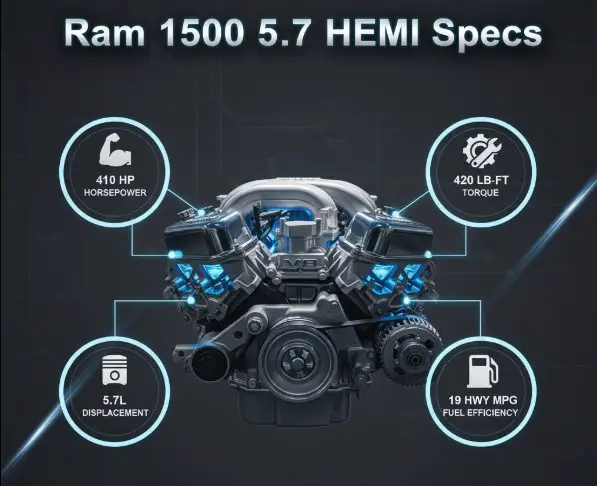
The P0430 Diagnostic Trouble Code (DTC) is formally defined as “Catalyst System Efficiency Below Threshold (Bank 2).” In the context of a Dodge vehicle, the Powertrain Control Module (PCM) is the central authority that continuously monitors the health of the exhaust system to ensure compliance with federal EPA and CARB regulations. To understand this code, one must first identify which side of the engine “Bank 2” refers to. In the ubiquitous 5.7L Hemi V8 found in the Ram 1500, Charger, and Challenger, Bank 2 refers to the passenger side of the engine (containing cylinders 2, 4, 6, and 8). Conversely, in the 3.6L Pentastar V6 used in models like the Grand Caravan or Journey, Bank 2 is typically the front bank (closest to the radiator) in transverse mounting or the driver side in longitudinal applications.
The PCM Logic and Oxygen Storage Capacity
The PCM utilizes two primary sensors to determine catalyst health: the Upstream O2 sensor (Sensor 1) and the Downstream O2 sensor (Sensor 2). The upstream sensor measures the air-fuel mixture leaving the combustion chamber, rapidly switching its voltage signal between 0.1V and 0.9V as the engine cycles through rich and lean states. A healthy catalytic converter acts as an “oxygen sponge,” absorbing and releasing oxygen to facilitate the chemical conversion of pollutants.
When the catalyst is functioning correctly, the downstream sensor should show a relatively flat, steady line (usually around 0.45V to 0.7V), indicating that the oxygen is being consumed by the catalyst. If the PCM detects that the downstream sensor’s switching rate begins to mimic the upstream sensor’s rate—indicating that the “sponge” can no longer hold oxygen—it calculates a mathematical efficiency ratio. If this ratio exceeds the pre-programmed threshold, the Malfunction Indicator Lamp (MIL) is illuminated.
By The Numbers: Catalyst Health
EPA Mandated Warranty (Miles)
Typical Failure Switch Ratio
It is vital to distinguish P0430 from P0420 (Bank 1). Professional technicians often encounter scenarios where a Dodge Ram 1500 presents a P0430 while the engine runs perfectly. This is because the code is an emissions monitor, not necessarily a drivability monitor. However, Hemi engines are known for specific thermal cycle issues that cause the internal ceramic substrate of the Bank 2 converter to degrade prematurely compared to other brands.

Identifying Reliable Symptoms and Initial Warning Signs
While the Check Engine Light is the most obvious sign, several nuanced symptoms can help an expert owner or technician confirm the severity of the P0430 condition. In many Dodge vehicles, the PCM may not immediately trigger a “limp mode,” but it will adjust fuel trims in an attempt to protect the engine, which leads to secondary symptoms.
Reduced Fuel Economy
A 15% reduction in MPG is standard as the PCM manages fuel sub-optimally to compensate for efficiency loss.
Sluggish Acceleration
Common in Charger and Challenger models, where backpressure from a failing converter inhibits exhaust flow.
Odors and Audible Indicators
One of the most distinct symptoms is a sulfur or “rotten egg” smell emanating from the tailpipe. This occurs when hydrogen sulfide in the exhaust is not successfully converted into sulfur dioxide by the catalytic converter. Furthermore, if the ceramic monolith inside the converter housing has disintegrated, you may hear a metallic rattling sound under the vehicle during cold starts or hard acceleration.
Consider a case study involving a Dodge Grand Caravan. The vehicle might pass a basic visual inspection and show no visible smoke, but it will fail a state emissions test due to high NOx (Nitrogen Oxide) levels. In this scenario, the P0430 code serves as a precursor to a failed inspection report, even if the driver perceives no significant change in vehicle handling. Professional diagnostics are essential here, as high NOx levels often point to a “poisoned” catalyst caused by coolant or oil contamination.


If your Check Engine Light is flashing rather than solid, stop driving immediately. A flashing light indicates an active engine misfire, which can melt your catalytic converter in as little as 10 miles of driving, turning a $200 repair into a $2,000 disaster.
Professional Diagnosis Steps for Dodge Exhaust Systems
Before replacing any parts, follow this expert diagnostic sequence to ensure you are solving the root cause. Statistically, up to 30% of P0430 codes in older Dodge vehicles are caused by exhaust leaks or sensor issues rather than a total catalyst failure.
📋
Step-by-Step Diagnostic Guide
Inspect the Bank 2 exhaust manifold for broken bolts (extremely common on Hemis) and use a smoke machine to find pinhole leaks. Even a small leak upstream of the downstream sensor will introduce “false air,” tricking the sensor into reporting low efficiency.
Using a high-quality OBD-II scan tool, graph O2S12 (Bank 1, Sensor 2) and O2S22 (Bank 2, Sensor 2). If the Bank 2 sensor oscillates rapidly like the upstream sensor, the catalyst is likely depleted.
Use an infrared thermometer to measure the temperature of the converter’s inlet and outlet. A functional, quality unit should be at least 100°F hotter at the outlet than the inlet due to the exothermic chemical reaction occurring inside.
Advanced Diagnostics: The Tap Test and Fuel Monitoring
If the scan data is inconclusive, the “Tap Test” remains a reliable old-school method. Lightly tap the converter housing with a rubber mallet. If you hear a “box of rocks” sound, the internal structure has failed physically. Furthermore, check for “leaking” fuel injectors. A rich-running engine will dump raw fuel into the exhaust, which eventually coats the catalyst in carbon, leading to a false P0430. This is often accompanied by high short-term fuel trim (STFT) numbers on your scan tool.
Trusted Repair Solutions and Quality Replacement Options
Once failure is confirmed, the resolution must be handled with professional care to prevent the code from returning within a few months. When it comes to Dodge vehicles, the choice of parts is critical due to the sensitivity of the Dodge PCM software.


Specific Dodge Repair Nuances
For Hemi-powered Rams or Durangos, replacing the catalytic converter without addressing the exhaust manifold bolts is a common pitfall. If the manifold is leaking, the new converter will still trigger a P0430 because the downstream sensor will detect oxygen intrusion. Always replace the manifold gaskets and use high-grade stainless steel bolts during the converter service.
Additionally, check for PCM software updates. Dodge has released several Technical Service Bulletins (TSBs) for the Charger and Durango that adjust the sensitivity of the catalyst monitor. In some cases, a simple software flash at the dealership can resolve a “nuisance” P0430 code where the converter is technically still functional but operating at the very edge of the strict factory parameters.
Always replace both the upstream and downstream O2 sensors when installing a new converter. A “lazy” sensor (one that responds slowly) can trick the PCM into thinking the new converter is failing. Stick with NTK or Denso sensors for Dodge vehicles, as they are the OEM suppliers and provide the most reliable data.
Long-Term Maintenance to Prevent Future P0430 Errors
A catalytic converter is designed to last the life of the vehicle, yet many Dodge owners find themselves replacing them at 100,000 miles. To ensure a reliable and long-lasting repair, you must address the conditions that cause the catalyst to fail in the first place.
✅ Preventative Maintenance
- Replace spark plugs every 30k (Hemi) or 100k (Pentastar) miles.
- Use Top-Tier synthetic oils to reduce ash deposits.
- Clean fuel injectors every 50,000 miles.
- Replace the PCV valve to prevent oil blow-by.
❌ Catalyst Killers
- Ignoring minor misfires (P0300).
- Using low-quality, high-sulfur fuel.
- Allowing coolant leaks (blown head gaskets).
- Excessive idling in cold weather.
The Role of the Ignition and PCV System
Modern Dodge engines, especially the Hemi, are highly sensitive to ignition health. A worn spark plug might not trigger a noticeable misfire, but it can lead to incomplete combustion. This unburned fuel enters the catalyst and ignites, causing the ceramic structure to melt or “glaze” over. By adhering to a strict 30,000-mile spark plug interval on older Hemis, you significantly reduce the thermal load on the Bank 2 converter.
The PCV (Positive Crankcase Ventilation) system is another often-overlooked component. On the 3.6L Pentastar, a clogged PCV valve can cause oil to be sucked into the intake manifold and burned in the combustion chamber. Phosphorus in the engine oil is a known “poison” for catalytic converters, coating the precious metals (platinum, palladium, and rhodium) and rendering them inert. A simple $20 PCV valve replacement can prevent a $1,500 exhaust repair.
Ultimately, resolving a P0430 code on a Dodge requires a blend of technical data analysis and an understanding of the vehicle’s specific mechanical weaknesses. P0430 specifically targets the Bank 2 catalyst efficiency, often caused by converter degradation or exhaust leaks. Diagnostic graphing of O2 sensor data is the most reliable way to confirm failure before purchasing parts. Addressing underlying engine issues like misfires and oil consumption is critical to protecting a new catalytic converter and ensuring your vehicle remains comprehensive in its performance for another 100,000 miles. If your Dodge is currently displaying a P0430 code, begin with a professional exhaust leak inspection before proceeding to full catalyst replacement.
Frequently Asked Questions
Can I drive my Dodge with a P0430 code?
While your vehicle will remain drivable, it is not recommended for the long term. A P0430 code indicates your engine is producing higher emissions and potentially suffering from reduced fuel economy. Prolonged driving can lead to a completely clogged catalytic converter, which can cause the engine to stall or fail to start entirely due to excessive backpressure.
How do I know which side is Bank 2 on my Dodge?
On Dodge vehicles with a V6 or V8 engine, Bank 1 is the side containing cylinder number one. For the popular 5.7L Hemi and 3.6L Pentastar engines, Bank 2 is typically the driver’s side (left side when sitting in the cabin) for RWD models, but you should always verify the cylinder layout in your specific service manual.


Will replacing the O2 sensors fix a P0430 code?
It is possible, but statistically less likely than a failed catalyst. Oxygen sensors monitor the catalyst; they rarely cause a P0430 unless they are ‘lazy’ or biased. A professional technician will graph the sensor data to see if the downstream sensor is switching too rapidly. If the sensor is functioning correctly but the data is poor, the converter is the culprit.
Is there a way to clean a Dodge catalytic converter to clear the code?
There are professional-grade chemical cleaners that can be added to the fuel tank to remove light carbon deposits. While these may temporarily clear the code for marginal efficiency issues, they cannot repair a physically damaged, melted, or broken ceramic substrate. If the P0430 is caused by structural failure, replacement is the only reliable solution.
How much does it cost to fix a P0430 on a Dodge Ram 1500?
For a Dodge Ram 1500, repair costs vary significantly. If the issue is simply a broken exhaust manifold bolt (a common Dodge trait), repairs may cost $300-$500. However, if the catalytic converter requires replacement, expect to pay between $1,200 and $2,000 for a quality OEM-style part and expert labor at a trusted repair facility.