Dodge Ram 2500 Years to Avoid: Reliability Guide [2026]

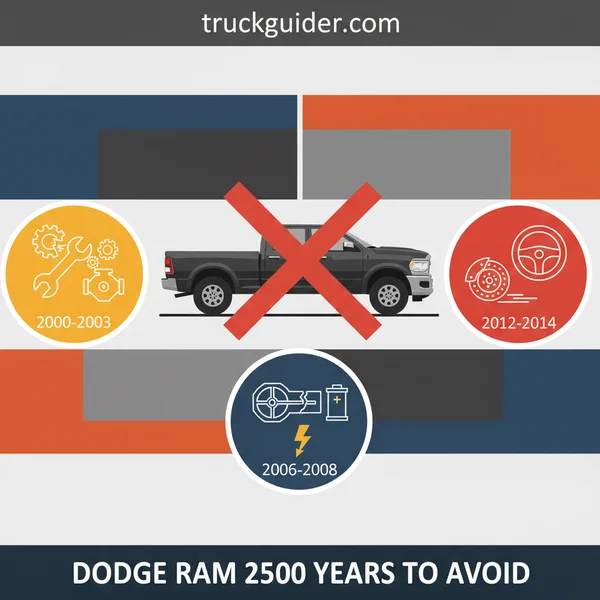
The model years 2001-2003, 2006, 2012, and 2014-2015 are the primary Dodge Ram 2500 years to avoid due to severe mechanical defects. These trucks are prone to the infamous “Death Wobble,” costly automatic transmission failures, and catastrophic electrical issues related to the TIPM.
🎯 Key Takeaways
Recommended Best Deal Products


- Avoid 2012-2015 models due to frequent “Death Wobble” and steering linkage failures.
- 2001-2003 models are notorious for weak automatic transmissions and brittle dashboards.
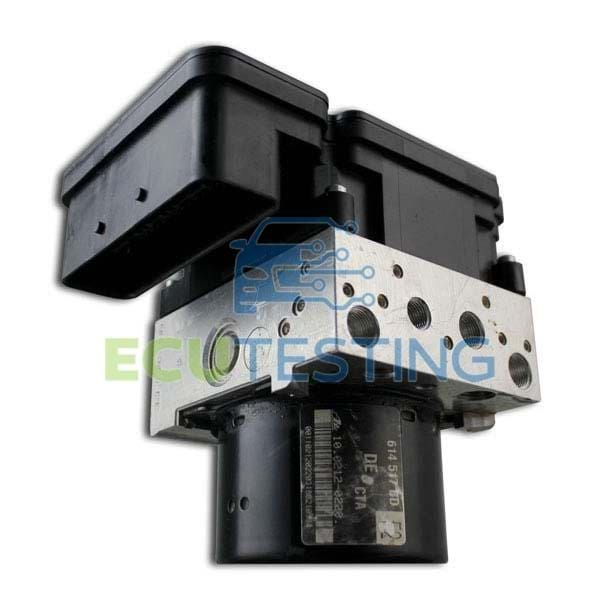
- The 2006 model year suffers from TIPM malfunctions causing unpredictable electrical shutdowns.
- Early 6.7L Cummins engines (2007.5-2010) often face severe emissions system clogging issues.
- Prioritize 2018 or newer models to benefit from redesigned steering and updated electronics.
If you are in the market for a used heavy-duty truck, the 2003, 2012, 2013, and 2014 Dodge Ram 2500 models should be at the top of your “do not buy” list. These specific years are plagued by a combination of catastrophic transmission failures and dangerous suspension defects that can lead to repair bills exceeding $5,000. While the Cummins engine under the hood is often considered bulletproof, the components surrounding it during these years are anything but reliable.
Choosing the wrong year isn’t just a financial risk; it is a safety concern. The 2012 and 2013 models, in particular, are notorious for the “Death Wobble,” a violent front-end shaking that can cause a total loss of steering control at highway speeds. Additionally, the transition to more complex emission systems in 2013 introduced a series of “limp mode” errors that frequently leave owners stranded. Understanding these defects is essential before you sign a title for a truck that might spend more time in the shop than on the road.
Identifying the Worst Offenders: Critical Model Years to Avoid
The 2012 and 2013 models consistently rank as the most problematic years for the Ram 2500 according to NHTSA data and owner reports. While 2003 was also a high-complaint year due to early common-rail fuel system issues, the 2012-2013 era represents a unique peak in structural and electrical defects. If you see a deal on a 2500 from this era that seems too good to be true, it is likely because the owner is tired of dealing with persistent front-end instability or DEF system failures.

The 2013 Emission and Suspension Peak
The 2013 model year is widely considered the “perfect storm” of unreliability. It was the first year that Ram implemented the Selective Catalytic Reduction (SCR) system across all 2500 diesel models to meet tighter emissions standards. This first-generation DEF system is prone to sensor failures and crystallization, which can trigger a countdown to a 5-MPH speed derate. When you combine this with the peak frequency of steering linkage recalls, the 2013 model becomes a high-maintenance nightmare.
- 2013: Highest overall repair costs due to combined DEF system failures and steering assembly issues.
- 2012: Known for the highest volume of suspension-related complaints, specifically regarding the track bar.
- 2003: Vulnerable to 47RE transmission breakdowns and early common-rail injector failures that can melt pistons.
Why 2014 and Early 2015 Are Risky
While Ram attempted to address several steering issues in 2014, many early-build models still utilized the older, failure-prone tie-rod designs. These trucks often require an entire front-end rebuild with aftermarket parts to reach modern safety standards. Furthermore, 2014 models continued to struggle with the reliability of the 68RFE transmission, which was not properly calibrated to handle the increased torque of the updated 6.7L Cummins engine. Purchasing a 2014 model without a documented history of steering and transmission upgrades is a major gamble.
Technical Deep Dive: Transmission Failures and the Infamous Death Wobble
Recommended Best Deal Products


The Ram 2500’s reputation for massive towing capacity is often undermined by its history of weak transmissions. Whether you are looking at the older 4-speed automatics or the newer 68RFE 6-speed units, the drivetrain remains the “Achilles’ heel” of the truck. These transmissions are frequently unable to dissipate heat effectively when under load, leading to premature gear grinding, burnt clutch packs, and total mechanical failure long before the engine reaches its prime.
The Weakness of the 68RFE and 47RE Units
The 47RE transmission found in 2003 models was an aging design struggling to keep up with the torque demands of the then-new common-rail diesel. By 2012, the 68RFE was the standard, but it suffered from significant valve body issues and torque converter slip. Owners of 2012-2014 models frequently report that the truck “hunts” for gears or slips out of overdrive, especially when towing on an incline.
- Overheating: The 2012-2013 cooling stacks are often insufficient, causing transmission fluid to degrade rapidly.
- Snap Ring Failure: An internal defect in the 68RFE used in 2013-2014 models can lead to an immediate loss of reverse or overdrive gears.
- Electronic TCM Failures: The Transmission Control Module in 2013 models is known to glitch, causing harsh shifting that eventually damages internal hardware.
Solving the “Death Wobble” Mystery
The term “Death Wobble” describes a violent, uncontrollable shaking of the front wheels after hitting a bump at speed. In 2012 and 2013 models, this was frequently caused by poor factory welds on the track bar brackets and substandard steering dampers that could not absorb road vibrations. You cannot simply align your way out of this problem; it usually requires replacing the track bar, tie rods, and steering box with heavy-duty aftermarket components. Because the OEM replacement parts used in recalls were often the same design as the failed parts, many 2012-2013 trucks still suffer from this defect today.
The financial impact of the Death Wobble is significant. A proper fix often costs between $1,500 and $3,000. If you are inspecting a used 2500 from these years, check for any play in the steering wheel or signs of leaking fluid around the steering stabilizer, as these are the first indicators that the truck is susceptible to this dangerous vibration.
Engine Analysis: Comparing Cummins Diesel vs. Hemi Gas Reliability
When choosing a Ram 2500, the debate usually boils down to the legendary Cummins Turbo Diesel versus the Hemi V8. While both engines offer impressive power, they come with vastly different reliability profiles and maintenance requirements. Understanding which engine fits your needs—and which years to avoid—is essential for long-term satisfaction.
The Cummins 6.7L Turbo Diesel: Power vs. Emissions Complexity
The Cummins is the gold standard for towing, but it isn’t without its flaws, particularly in the mid-2010s. The 2013–2018 models are frequently cited for issues involving the Selective Catalytic Reduction (SCR) and Diesel Particulate Filter (DPF) systems. These emission components are prone to clogging or sensor failure, which can put the truck into a frustrating “limp mode.”
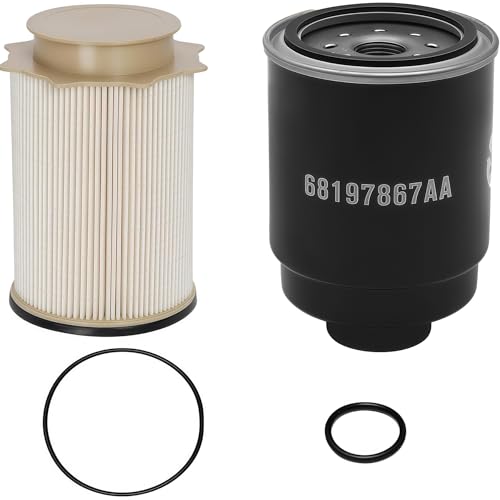
- The CP4 Pump Risk: Models from 2019 and 2020 utilized the Bosch CP4 high-pressure fuel pump, which was known to fail catastrophically, often sending metal shards throughout the entire fuel system.
- Turbo Lag and Actuator Failures: Variable Geometry Turbos (VGT) on high-mileage Cummins engines often experience stuck actuators, leading to a loss of exhaust braking and boost.
- Maintenance Heavy: While the engine block itself can last 300,000 miles, the surrounding components like water pumps and fuel injectors require strict maintenance schedules to avoid costly breakdowns.
The 5.7L and 6.4L Hemi V8: The “Hemi Tick” and Manifold Issues
The Hemi gas engines are generally considered simpler and cheaper to maintain, but they aren’t bulletproof. The 6.4L Hemi, introduced for the 2500 in 2014, is a workhorse but suffers from two common complaints: broken exhaust manifold bolts and the infamous “Hemi Tick.”
- Broken Manifold Bolts: Heat cycles often cause the rear manifold bolts to snap, leading to an annoying exhaust leak that sounds like a loud tapping on cold starts.
- Lifter and Camshaft Wear: In some cases, the “tick” is more serious, indicating a failed needle bearing in a lifter that eventually scores the camshaft, requiring a complete top-end teardown.
- MDS Issues: The Multi-Displacement System (fuel saver technology) can sometimes cause uneven wear if the truck is idled excessively, making these engines less ideal for high-idle commercial use.
Financial Impact: Estimated Repair Costs for Common Ram 2500 Defects
Recommended Best Deal Products

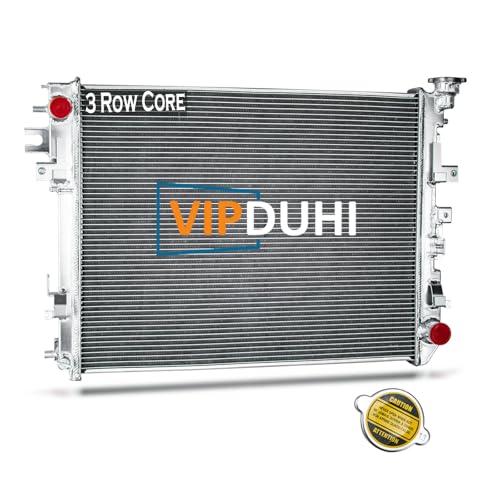

Owning a heavy-duty truck means facing heavy-duty repair bills. Because the Ram 2500 is built for commercial-grade work, the parts are larger, heavier, and more expensive than those found on a standard 1500. If you land a “lemon” year, these costs can quickly exceed the value of the vehicle.
Transmission and Drivetrain Overhauls
The 68RFE six-speed automatic transmission is often the weak link in the Ram 2500 drivetrain, especially when paired with the high torque of the Cummins engine. If the previous owner used the truck for heavy towing without frequent fluid changes, you might be looking at a total replacement sooner than expected.
- Transmission Replacement: A full rebuild or replacement of a 68RFE transmission typically ranges between $4,500 and $6,500.
- Transfer Case Repairs: Issues with the electronic shift motor or internal chain wear can cost anywhere from $800 to $1,500.
- Differential Service: Rebuilding a worn-out rear differential on a high-mileage 2500 usually lands between $1,200 and $2,000.
Steering and Suspension: Fixing the “Death Wobble”
As discussed earlier, steering instability is a common Ram defect. Fixing it properly involves more than just a quick alignment; it often requires a wholesale refresh of the front-end components to ensure the vehicle remains safe at highway speeds.
- Complete Front-End Refresh: Replacing the track bar, tie rods, ball joints, and steering stabilizer typically costs between $1,500 and $2,500 depending on the quality of the parts used.
- TIPM Replacement: If your 2012–2013 Ram experiences electrical ghosts (wipers turning on by themselves, fuel pump not starting), the Totally Integrated Power Module may be to blame, costing roughly $900 to $1,300 for the part and labor.
- Turbocharger Replacement: On Cummins models, a failing VGT turbo can cost between $2,500 and $4,000 to replace with a new unit.
Conclusion: Buying Your Ram 2500 with Confidence
The Dodge Ram 2500 is a powerhouse capable of handling the toughest jobs, but its history is marked by specific years that are best left on the dealer lot. By avoiding the problematic early 4th-generation models (2012–2015) and being cautious of the 2019–2020 fuel pump issues, you can significantly reduce your risk of expensive repairs. Whether you choose the Cummins for its towing torque or the Hemi for its simplicity, always prioritize a well-documented service history.
Before you sign the dotted line, take these actionable steps: always run a VIN check for outstanding recalls and invest in a professional pre-purchase inspection that specifically checks the front-end tension and transmission health. With a little due diligence, you can find a Ram 2500 that stays on the road and off the tow truck. Happy hauling!
💬 Quick Questions & Answers
Which specific year is the absolute worst for the Ram 2500?
The 2012 model year is widely considered the worst due to the highest frequency of dangerous steering and suspension failures.
What is the Ram 2500 Death Wobble?
It is a violent, uncontrollable shaking of the front wheels and steering wheel, typically caused by worn suspension components.
Are early 2000s Ram 2500s a good investment?
Generally no, as the 2001-2003 models suffer from chronic transmission failure and severe interior material degradation.
Which Ram 2500 engine is the most reliable?
The pre-2007 5.9L Cummins turbo-diesel is legendary for its longevity, followed by the modern 6.4L Hemi V8 gas engine.
Is the 2015 Ram 2500 reliable?
No, it is frequently avoided due to massive recalls regarding steering linkage and high-pressure fuel pump (CP4) failures.
❓ Frequently Asked Questions
Why are the 2012-2015 Ram 2500 models frequently blacklisted by mechanics?
These years are notorious for the ‘Death Wobble’ and various steering linkage defects that lead to a loss of control. Additionally, these models saw a peak in complaints regarding the SCR and DPF emissions systems in diesel variants, which are extremely expensive to replace.
What causes the TIPM failure in the 2006 Dodge Ram 2500?
The Totally Integrated Power Module (TIPM) acts as the truck’s central nervous system; when it fails, it causes random electrical gremlins like fuel pump failure or headlights turning off while driving. Replacing the unit can cost between $800 and $1,500.
How do the 5.9L and 6.7L Cummins engines differ in reliability?
The 5.9L is simpler and lacks complex emissions gear, making it more reliable long-term. The 6.7L offers more power but is prone to turbo carbon soot buildup and EGR/DPF failures, especially in models produced between 2007 and 2012.
What are the common signs of a failing 68RFE transmission?
Owners should look for delayed shifting, overheating during light towing, and ‘limp mode’ activation. This transmission, found in many 4th generation Rams, often struggles with the high torque output of the Cummins engine.
Is the cracked dashboard issue in older Rams just a cosmetic problem?
While it starts as an eyesore, the plastic can become brittle enough to shatter, potentially sending debris into the cabin or interfering with the proper deployment of the passenger-side airbag.
Which Ram 2500 years are considered the most reliable for used buyers?
The 2010-2011 models are relatively stable, but for the best experience, experts recommend 2018 or newer models. These later versions have addressed the major steering recalls and feature more robust fuel systems.
![P2459 Code 6.7 Cummins: Complete Repair Guide [2026]](https://truckguider.com/wp-content/uploads/2026/03/p2459-code-6-7-cummins-featured.webp)
![U1110 Code Dodge: Meaning, Causes, and Expert Diagnostics [2026]](https://truckguider.com/wp-content/uploads/2026/03/u1110-code-dodge-featured-768x403.webp)