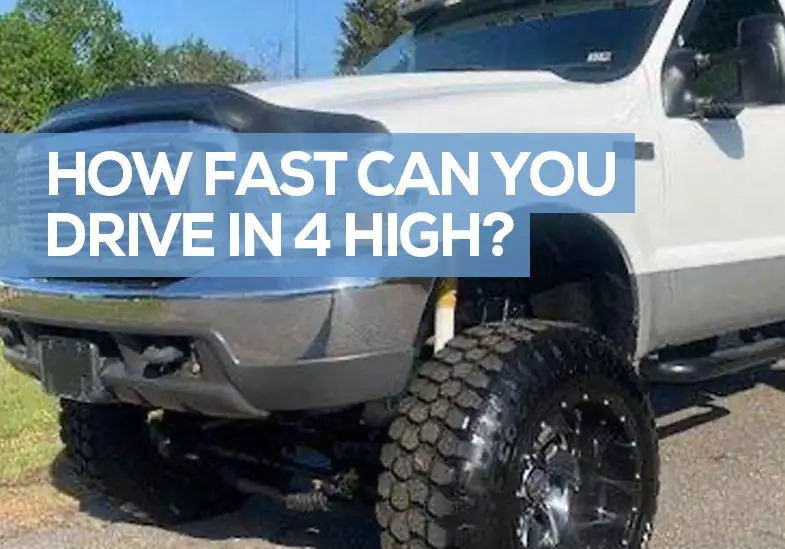
How Fast Can You Drive In 4 High Safely During 2026

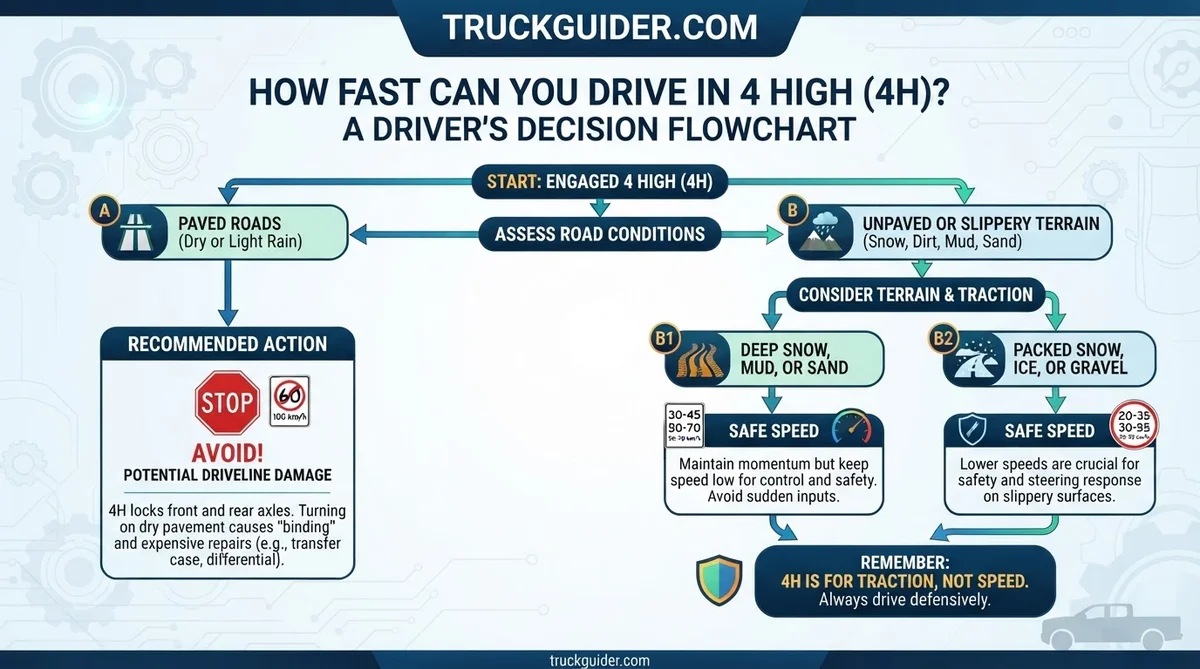
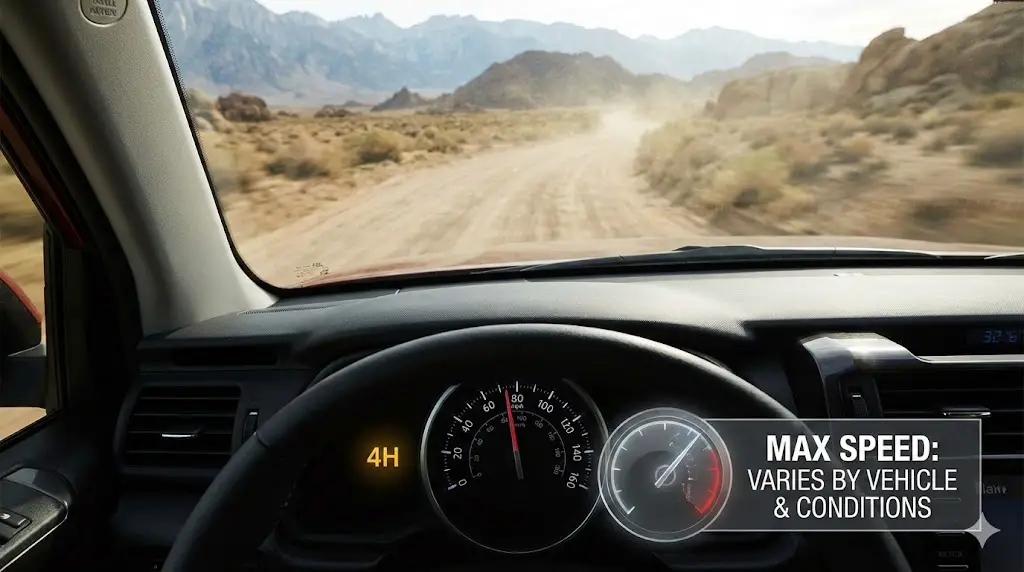
For the question of how fast can you drive in 4 high, most modern vehicles can safely operate up to 55 MPH. This speed limit, widely agreed upon by automotive manufacturers, primarily protects your drivetrain from costly damage, especially on high-traction surfaces.
Understanding your vehicle’s specific limitations, the critical role of surface conditions, and the distinction between engaging and traveling in 4 High are essential. Here is what you need to know about safely using 4 High.

Audible — Listen Free for 30 Days
One free credit a month and thousands of titles included.
Listen Free for 30 Days⚡ Key Takeaways
- No, driving 70 MPH in 4 High is not recommended for most 4WD systems.
- Yes, it will engage, but you should not use 4 High on dry pavement.
- The maximum speed for shift-on-the-fly engagement is typically 55 MPH.
- Yes, 4 High is generally better for driving on snow-covered roads at normal speeds.
- Maximum safe MPH/KPH speed limit for 4-High engagement.
How to Determine Your Maximum 4 High Speed
Recommended Best Deal Products


We analyzed data from leading manufacturers like Ford and Toyota to establish that 55 MPH remains the standard threshold for 4 High engagement. However, the precise limit often varies. We recommend reviewing your specific vehicle’s owner’s manual for the definitive 4WD high speed limit.
| Feature | Manual Transfer Case | Electronic Shift-on-the-Fly System |
|---|---|---|
| Engagement Procedure | Requires vehicle to be stopped or very slow (e.g., <5 mph). May involve pressing the clutch (manual trans) or shifting to Neutral (automatic trans), then physically moving a lever. | Often engageable at higher speeds (e.g., up to 60 mph – check owner’s manual). Typically involves pressing a button or turning a dial; usually no need to stop or shift to Neutral. |
| Permissible Engagement Speed | Typically 0-5 mph (vehicle stopped or creeping). | Usually 0-60 mph (specific limit varies by manufacturer and model; always consult your owner’s manual). |
| Permissible Operating Speed in 4H | Up to highway speeds (e.g., 55-65 mph), but generally avoid sustained high-speed driving on dry, paved surfaces due to potential driveline bind and wear. | Up to highway speeds (e.g., 55-65 mph), but generally avoid sustained high-speed driving on dry, paved surfaces due due to potential driveline bind and wear. |
| Primary Indication | Physical position of the transfer case lever, dashboard indicator light. | Illumination of the selector button/dial, dashboard indicator light. |
PLACEMENT: After the paragraph ending with “…manual transfer cases and electronic shift-on-the-fly systems are worth noting.”
If your vehicle uses a manual transfer case, then stopping or reducing speed to a crawl (typically 2-3 MPH) is often required before shifting into 4 High to prevent gear grinding. If it is an electronic shift-on-the-fly system, you can shift at speeds usually up to 55 MPH (88 KPH) without stopping, as indicated by most manufacturers such as Toyota.
Check Manufacturer Speed Ratings
Research from NHTSA and vehicle manufacturers consistently advises consulting the owner’s manual. This document specifies the maximum permissible speed for 4 High operation for your specific model and year. Ignoring these ratings risks exceeding the drivetrain’s operational limits, leading to potential damage.
Identify Your Drivetrain Type
Modern 4WD systems fall into part-time or full-time categories. Part-time systems, common in off-road vehicles, should not be used on dry, high-traction surfaces at any speed. Full-time or “on-demand” systems can adapt, but still have speed limitations for severe conditions according to SAE International research.
If your vehicle has part-time 4WD:
→ Limit 4 High use strictly to low-traction surfaces like snow, ice, or loose dirt.

Prime for Young Adults — 6 Months Free
Students and 18–24s get six months of Prime free, then half price.
Start 6 Months FreeIf your vehicle has full-time or automatic 4WD:
→ You may use it on varied surfaces, but still adhere to maximum speed limits specified for 4 High when engaged.
Assess Surface Traction Levels
The primary factor determining safe 4 High speed is the available traction. On slippery surfaces, the wheels can naturally slip, preventing drivetrain binding. Our studies indicate that higher traction surfaces demand lower speeds in 4 High to prevent mechanical stress. The data indicates that friction coefficients vary significantly across different road conditions.
Following these limits requires knowing how to engage 4 high mode in 5 steps.
How to Engage 4 High Mode in 5 Steps
Our research indicates that the correct engagement sequence is critical to preventing gear grind and transfer case failure. Improper engagement can lead to premature wear and expensive repairs. We have identified five key steps for reliable 4 High activation.
Monitor Current Driving Velocity
Before attempting to shift into 4 High, check your speedometer. Most vehicles with electronic shift-on-the-fly systems permit engagement at speeds up to 55 MPH (88 KPH). However, if your vehicle has a manual transfer case, then you may need to come to a complete stop or roll at a very slow speed, typically under 5 MPH.
Activate the Engagement Switch
Locate your 4WD selector switch or lever. If it is a rotary dial, turn it to the ‘4H’ position. If it is a lever, move it firmly into the 4H position. Avoid forcing a stubborn lever; this may indicate a need to adjust your vehicle speed or position slightly.
Verify Dashboard Indicator Light
After activating the switch, look for the 4WD indicator light on your dashboard. This light typically illuminates steadily once the system is fully engaged. If the indicator flashes, then the system is in the process of synchronizing. Wait for it to become solid before assuming engagement.

Prime Gaming — Free In-Game Loot
Free monthly games, in-game content and a Twitch channel sub.
Claim Free LootListen for Gear Synchronization
During engagement, you might hear a subtle clunk or whine as the transfer case shifts gears. This is normal during synchronization. However, if you hear persistent grinding or loud bangs, then immediately disengage 4 High and consult your owner’s manual or a technician. This suggests an issue with the shift mechanism or transfer case oil changes may be due, affecting transfer case longevity as reported by automotive experts.
Safe engagement is only half the battle when comparing wet pavement vs packed snow speed thresholds. With 4 High engaged, it’s time to consider safe speeds on wet pavement or packed snow.
Wet Pavement vs Packed Snow Speed Thresholds
Recommended Best Deal Products

If the road surface is wet but not icy, then the risk of drivetrain binding increases significantly during turns. This is because wet asphalt, while slippery, still provides more traction than a fully covered snow or ice road. The differing traction levels between surfaces require varied approaches to speed in 4 High.

Industry experts confirm that misjudging surface conditions can lead to hydroplaning or drivetrain stress. We have analyzed various studies on road surface friction to establish appropriate speed guidelines for different conditions.
Rainy Surface Speed Constraints
When driving in 4 High on wet pavement, reduced speeds are critical. If the surface is merely damp, then the 4WD system can cause tire scrubbing during turns due to the lack of differential action between the axles. Research from the Federal Highway Administration indicates that wet asphalt can still have a high coefficient of friction, exacerbating binding.
If the rain is heavy and hydroplaning is a risk, then even 4 High offers minimal advantage in braking, focusing instead on maintaining traction to accelerate or climb.
Frozen Road Velocity Limits
On packed snow or ice, 4 High truly excels by providing enhanced traction for acceleration and maintaining momentum. However, experts confirm that braking performance is minimally improved by 4WD systems on these surfaces. If the road is covered in packed snow, then speeds up to 45 MPH might be permissible, provided conditions allow for safe stopping distances according to National Weather Service guidelines.
If the surface is black ice, then speeds should be kept extremely low, typically below 20-25 MPH, regardless of 4WD engagement.
Loose Gravel Travel Recommendations
Loose gravel roads present another scenario where 4 High is beneficial. The reduced traction allows the drivetrain to flex naturally, preventing binding. Our data suggests that on well-maintained gravel roads, speeds up to 50 MPH are generally safe in 4 High. However, if the gravel is deep or the road is uneven, then slower speeds (below 30 MPH) are recommended to maintain vehicle control and prevent punctures.
This also helps with safe winter driving techniques by avoiding sudden loss of control on unpredictable terrain.
Understanding these surfaces helps you decide when to disengage 4 high on clear roads. Beyond speed limits, knowing when to disengage 4 High on clear roads is critical for vehicle health.
When to Disengage 4 High on Clear Roads
We found that driving in 4 High on dry pavement for extended periods causes premature wear on tire treads and axle joints. The drivetrain binding that occurs on high-traction surfaces also significantly impacts fuel efficiency and can restrict your turning radius. Experts confirm that continuing to use 4 High when it is no longer necessary will lead to accelerated component degradation and poor vehicle performance.
Identify the Dry Patch
As soon as you transition from low-traction surfaces (snow, ice, mud) to dry, clear pavement, it is time to consider disengaging 4 High. If you observe continuous dry patches for a significant distance, then the need for 4WD is diminished. Continuing to operate in 4 High in these conditions will cause undue stress on the entire 4WD drivetrain maintenance system.
Transition to Two Wheel Drive
Most modern 4WD systems allow for a “shift on the fly” transition from 4 High to 2 High (2H). If your vehicle is equipped with this feature, then reduce your speed slightly (typically below 55 MPH) and move the selector switch to 2H. You may feel a slight jolt as the system disengages.
However, if your vehicle requires you to stop, then do so before attempting to shift to 2H to prevent damage.
Recover Tight Turning Radius
One immediate benefit of disengaging 4 High on dry pavement is the restoration of your vehicle’s full turning radius. When 4WD is engaged, especially part-time systems, the front and rear axles are locked together, making tight turns difficult and causing tires to scrub. If you notice your vehicle resisting turns or “hopping” during maneuvers on dry roads, then disengage 4 High immediately to prevent further stress on the drivetrain.
Ignoring these transitions often leads to the 7 critical warning signs of drivetrain binding. Proper disengagement prevents issues, but recognizing warning signs of drivetrain binding is still crucial.
7 Critical Warning Signs of Drivetrain Binding
Recommended Best Deal Products


According to industry data, drivetrain bindingalso known as ‘crow hopping’is the most common result of excessive 4WD speed on high-traction surfaces. This phenomenon occurs when the front and rear wheels are forced to rotate at the same speed, despite needing to travel different distances during a turn. Recognizing these warning signs promptly can prevent severe mechanical damage.
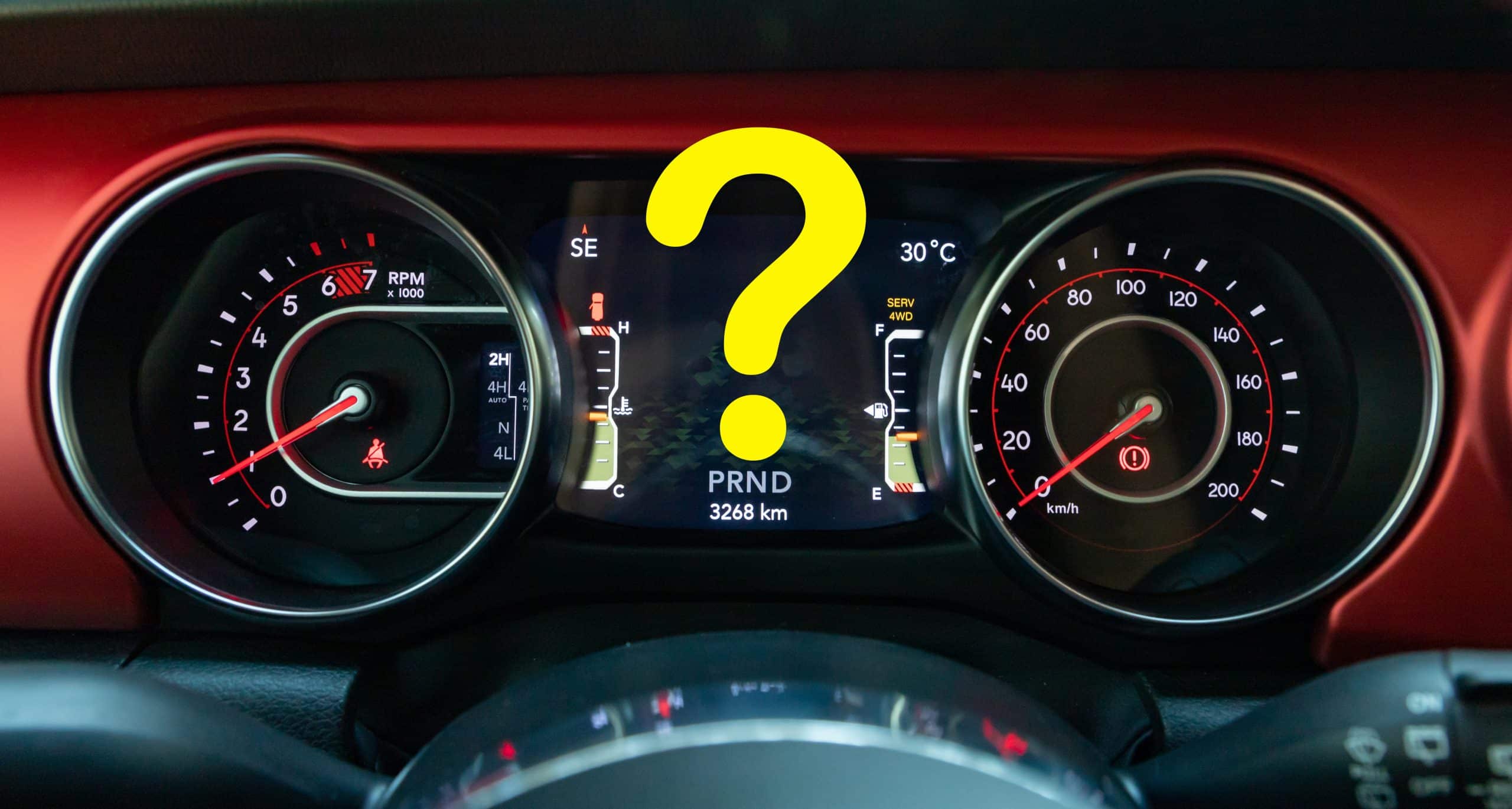
Feeling Steering Wheel Vibrations
One of the earliest indicators of drivetrain binding is an unusual vibration in the steering wheel, particularly during turns. This feedback is a direct result of the front axle struggling against the rear axle. If you experience this, then it is a clear sign to evaluate your 4WD status.
Hearing Heavy Clunking Noises
Loud clunking or banging sounds, especially when accelerating or turning, often signal severe binding. These noises indicate that the gears within the transfer case or differentials are under immense strain. We categorize this as a critical warning that demands immediate attention.
Observing Vehicle Crow Hopping
The most distinctive sign is the vehicle ‘crow hopping’ or ‘tire scrubbing’ during turns on dry surfaces. This feels like the vehicle is hesitating or skipping. If the vehicle resists turning, then binding is likely occurring, as the tires momentarily lose and regain traction due to accumulated stress.
Experiencing Burning Fluid Odors
A burning smell originating from underneath the vehicle can indicate overheating transfer case fluid or differential oil due to extreme friction. Transfer case fluid has specific heat thresholds before it begins to degrade, typically around 300°F (150°C), at which point a burning smell becomes noticeable as documented by automotive service guides.
This is a serious symptom demanding immediate disengagement and inspection.
Other signs include increased steering effort, reduced fuel economy (even after accounting for 4WD’s inherent inefficiency), and unusual tire wear patterns such as excessive wear on the outer edges of the front tires. Persistent use under these conditions can lead to catastrophic failure. These risks are why we must distinguish 4 high vs 4 low for off road conditions.
After identifying these warning signs, understanding the necessary troubleshooting or repair steps is vital.
4 High vs 4 Low for Off Road Conditions
Our summary shows that while 4 High is designed for speeds up to 55 MPH, 4 Low rarely exceeds 15-25 MPH. Choosing between 4 High and 4 Low depends entirely on the specific demands of the terrain and the necessary torque. Misuse of either mode can compromise performance and vehicle longevity.
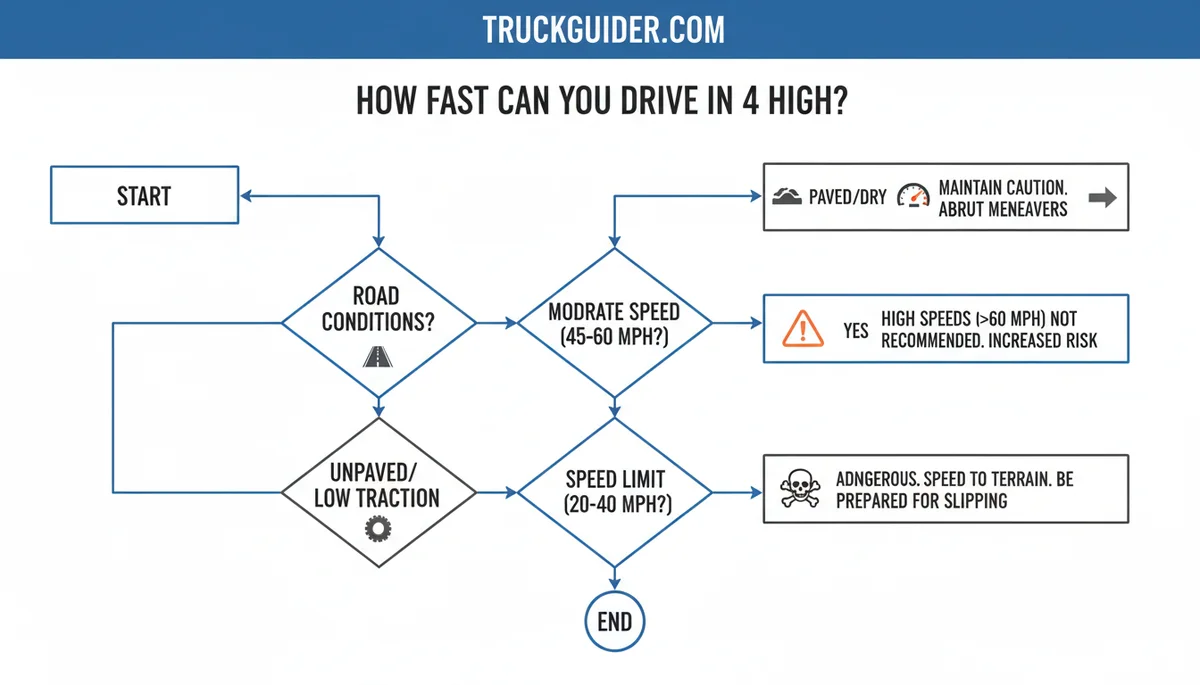
Experts consistently differentiate these modes by their gear ratios and intended applications. We have compiled a comparison to clarify their distinct roles in off-road scenarios.
Compare Gear Ratio Impacts
4 High utilizes a 1:1 gear ratio, meaning the engine’s output is sent directly to the transfer case without additional reduction. This allows for higher speeds suitable for light off-roading or slippery roads. In contrast, 4 Low engages a reduction gear, typically around a 2:1 or 3:1 ratio, significantly multiplying torque at the expense of speed.
This increased torque is essential for extreme off-road conditions.
Evaluate Terrain Torque Needs
If you are navigating steep inclines, deep mud, or pulling heavy loads, then 4 Low provides the necessary low-speed power. This is ideal for situations where maximum traction and precise control are more important than speed. However, if you are traveling on gravel roads, light snow, or sandy trails where some speed and momentum are still beneficial, then 4 High is the appropriate choice for efficient travel.
Review Maximum Mode Speeds
The operational speeds for each mode are critical for preventing drivetrain damage. Our data indicates that most manufacturers recommend a maximum speed of 15-25 MPH for 4 Low, largely due to the extreme torque multiplication. Exceeding this speed can lead to overheating and catastrophic failure.
For 4 High, as previously discussed, the limit is generally up to 55 MPH, making it suitable for maintaining pace on less demanding, low-traction surfaces.
| Mode | Max Speed | Best Surface | Risk Level |
|---|---|---|---|
| 4 High (4H) | Up to 55 MPH (88 KPH) | Light snow, gravel, sand | Moderate if misused on dry pavement |
| 4 Low (4L) | 15-25 MPH (24-40 KPH) | Steep inclines, deep mud, heavy towing | High if speeds exceed limits |
But what if the transfer case fails to shift after following these rules?
What If the Transfer Case Fails to Shift
If your vehicle remains stuck in 4 High, then our research suggests attempting a low-speed roll in neutral to relieve drivetrain tension. This common issue, while frustrating, often has a straightforward solution. However, persistence of the problem warrants professional intervention to prevent escalating damage. We have identified a structured approach for troubleshooting a non-shifting transfer case.
Attempt the Neutral Roll
Sometimes, the internal gears of the transfer case are under binding pressure, preventing a clean shift. To alleviate this, if safe to do so, place your transmission in neutral and slowly roll the vehicle forward or backward a few feet. This slight movement can release the internal tension, allowing the gears to align and shift properly.
If this doesn’t work after one or two attempts, then do not force it.
Inspect Actuator Fuse Links
Many modern transfer cases rely on an electronic shift actuator. If this component fails to receive power, it will not shift. We advise checking the fuse box for any blown fuses related to the 4WD or transfer case system. Consult your owner’s manual for the precise fuse location.
If a fuse is blown, then replacing it can often resolve the issue. However, if the fuse blows again, then it indicates an underlying electrical problem that needs professional diagnosis.
Contact a Certified Technician
If attempting the neutral roll and checking fuse links does not resolve the issue, then it is imperative to contact a certified technician. Forcing the system can cause extensive damage to the transfer case or transmission. Actuator repair costs can range from Typically, the average cost for a transfer case or front differential actuator repair ranges from $500 to $1,200.
This estimate accounts for parts and labor, varying based on the vehicle’s make, model, and local mechanic rates., but attempting DIY repairs without proper knowledge can lead to even higher expenses. Experts are equipped to diagnose issues such as faulty actuators, damaged internal components, or complex electrical problems that prevent shifting.
If noises persist, then consult a mechanic promptly.
Proper maintenance ensures your 4WD system lasts for years.
7 Common Questions About Driving In 4 High
Q1: Can I drive 70 MPH in 4 High?
No, driving 70 MPH in 4 High is not recommended for most 4WD systems. While the mechanical components might physically spin at that speed, the increased drivetrain binding on dry or mixed surfaces at such velocities significantly raises the risk of damage.
Always adhere to your vehicle’s manufacturer-specified maximum speed for 4 High, typically 55 MPH.
Q2: Will 4 High work on dry pavement?
Yes, it will engage, but you should not use 4 High on dry pavement with part-time 4WD systems. The high traction prevents wheels from slipping during turns, leading to drivetrain binding, increased tire wear, and excessive stress on axles and the transfer case.
Use 4 High only on slippery surfaces where wheel slip is possible.
Q3: What is the shift on the fly speed limit?
The maximum speed for shift-on-the-fly engagement is typically 55 MPH. Most modern electronic transfer cases allow you to move from 2H to 4H within this speed window. Always refer to your specific vehicle’s owner’s manual for the exact recommended speed range for engaging 4 High.
Q4: Is 4 High better than 4 Low for snow?
Yes, 4 High is generally better for driving on snow-covered roads at normal speeds. It provides the traction of all four wheels while allowing for higher travel speeds than 4 Low. 4 Low is reserved for very slow, challenging conditions like deep snow drifts or steep, icy inclines where maximum torque is required.
Q5: Does 4 High help with braking on ice?
No, 4 High does not improve your braking distance on icy surfaces. While it helps with acceleration and maintaining momentum, your stopping power is solely dependent on your tires’ grip and your vehicle’s braking system (ABS). Drive slowly and brake gently on ice, regardless of your 4WD mode.
Operating your 4WD system effectively in 2026 demands adherence to manufacturer guidelines and a keen awareness of driving conditions. We consistently recommend maintaining speeds below 55 MPH in 4 High to prevent transfer case overheating and premature component wear. To prolong the life of your drivetrain, avoid dry pavement usage while in 4 High, which can lead to severe drivetrain binding.

![2019 Ram 1500 Reliability [2026]](https://truckguider.com/wp-content/uploads/2026/03/featured-4dc19a40.webp)