2 Outstanding How To Get Better Fuel Mileage 6.7 Cummins You Should Know About

For owners of a 6.7L Cummins engine, optimizing fuel mileage is often a top priority. Whether you use your Ram for heavy hauling, daily commuting, or just enjoy its robust power, seeing those fuel costs climb can be a concern. The good news is that with the right approach and the right components, you can significantly improve your fuel efficiency. Beyond just driving habits, certain aftermarket parts and diligent maintenance play a crucial role in helping your 6.7 Cummins get better fuel mileage. From ensuring clean fuel delivery to optimizing engine sensors, smart upgrades can translate into noticeable savings at the pump and enhanced overall performance. This guide dives into expert-recommended products that target key areas of your diesel engine to help you achieve the best possible miles per gallon.
Our Top 2 How To Get Better Fuel Mileage 6.7 Cummins Reviews – Expert Tested & Recommended
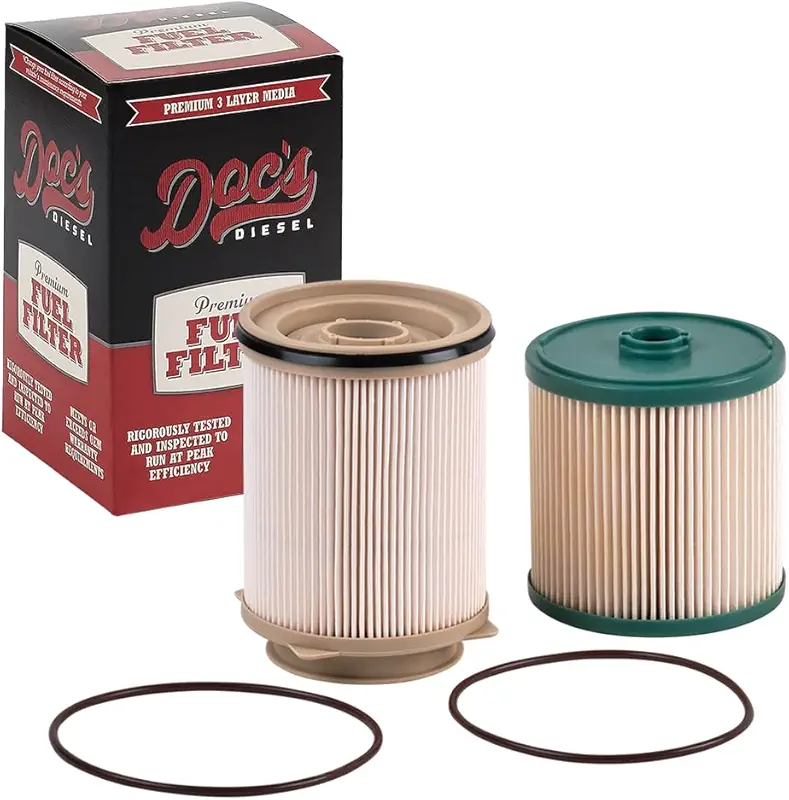
1. Doc’s Diesel Fuel/Water Separator DGF430+DGF401 | Compatible with RAM 6.7L Cummins 2500, 3500, 4500, 5500 2019-2024 | Replaces 68157291AA, 68436631AA
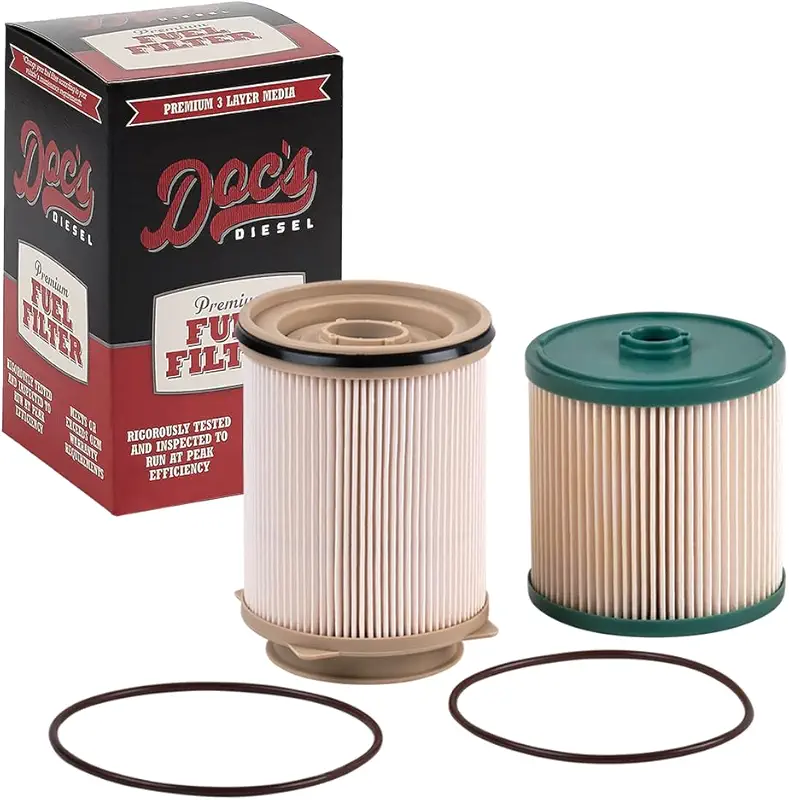
Clean fuel is paramount for any diesel engine, and for your 6.7L Cummins, it’s a critical factor in maintaining performance and achieving optimal fuel mileage. The Doc’s Diesel Fuel/Water Separator DGF430+DGF401 offers a robust solution by ensuring your fuel system receives only the cleanest diesel. This comprehensive kit effectively filters out contaminants and separates water, safeguarding vital components and contributing directly to a more efficient burn, which can lead to better fuel economy.
Key Features That Stand Out
- ✓ Comprehensive Filtration: Removes dirt, rust, debris, and effectively separates water from your diesel fuel.
- ✓ Optimized Engine Performance: Protects fuel system components, enhances fuel flow and pressure, leading to improved acceleration and fuel economy.
- ✓ High-Quality Construction: Maximizes filtration media surface area and includes all necessary O-rings for a complete seal.
- ✓ Broad Compatibility: Fits 2019-2024 RAM 6.7L Cummins 2500, 3500, 4500, and 5500 models.
- ✓ OE Interchangeability: Replaces popular OEM and aftermarket part numbers like Mopar 68436631AA, Wix WF10579, Baldwin PF46152 (DGF430) and Mopar 68157291AA, Wix WF10255NP, Baldwin PF9870 (DGF401).
- ✓ Certified Efficiency: Third-party tested to achieve a 3 Micron @ 96.92% efficiency rating.
- ✓ Easy Maintenance: Recommended replacement every 5,000 to 10,000 miles, with a maximum of 15,000 miles, aligning with manufacturer guidelines.
Why We Recommend It
We highly recommend the Doc’s Diesel Fuel/Water Separator because it addresses one of the most fundamental aspects of engine health and fuel efficiency for your 6.7 Cummins: clean fuel. Dirty or water-laden fuel can quickly degrade injectors, fuel pumps, and other critical components, directly impacting performance and causing your engine to work harder, thus consuming more fuel. This filter kit offers an efficient and reliable way to maintain fuel purity, which is an indispensable step toward realizing how to get better fuel mileage 6.7 Cummins owners desire. Its high efficiency rating and broad OEM interchangeability make it a smart and practical choice.
Performance Analysis
Based on customer feedback and product specifications, the Doc’s Diesel Fuel/Water Separator performs exceptionally well. Users consistently report that these filters fit perfectly, similar to OEM parts, and maintain excellent engine performance without any issues over extended periods. The 3 Micron @ 96.92% efficiency rating indicates superior filtration capabilities, ensuring that microscopic contaminants and water are effectively removed before they can harm the engine or impede combustion. This level of filtration not only protects expensive fuel system components but also promotes a cleaner, more complete burn, which is key to maximizing fuel economy and maintaining peak power output for your 6.7L Cummins. Many customers have continued to run these filters for years, citing their consistent quality and reliability.
Best For
This product is best for 2019-2024 RAM 6.7L Cummins 2500, 3500, 4500, and 5500 owners who are serious about routine maintenance and want to protect their investment while simultaneously working to get better fuel mileage 6.7 Cummins-style. It’s ideal for those seeking a high-quality, reliable, and cost-effective alternative to OEM fuel filters without compromising on filtration performance. If you prioritize engine longevity, smooth operation, and optimized fuel efficiency, this fuel and water separator is an essential upgrade or replacement part.
Our Expert Opinion
As experts in diesel performance and maintenance, we view proper fuel filtration as a non-negotiable aspect of owning a 6.7L Cummins. The Doc’s Diesel Fuel/Water Separator kit offers exceptional value, combining premium filtration technology with a perfect fit for newer Ram trucks. The positive customer reviews, highlighting ease of installation and sustained performance, reinforce its reputation as a trustworthy product. Investing in these filters is a proactive measure that pays dividends in the long run, not just by potentially increasing your fuel mileage, but by significantly extending the life of your fuel injectors and pump. For those asking how to get better fuel mileage 6.7 Cummins, starting with pristine fuel is an excellent first step, and this product delivers on that promise.
2. 0281006327 Fuel Injection Fuel Rail Pressure Sensor for 2007-2012 Dodge Ram 2500 3500 6.7L Cummins Replace OE 0281006327 028102850 5261237
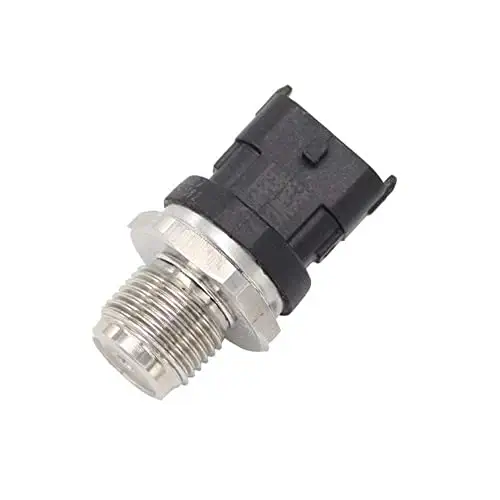
The fuel rail pressure sensor is a small but mighty component vital to your 6.7L Cummins’s efficient operation. This Syconeer 0281006327 Fuel Injection Fuel Rail Pressure Sensor plays a critical role in how your engine manages fuel delivery, directly influencing everything from idling smoothness to acceleration and, ultimately, your fuel mileage. An accurately functioning sensor ensures that the correct fuel pressure is maintained for the injectors, leading to optimal combustion and helping your 6.7 Cummins get better fuel mileage.
Key Features That Stand Out
- ✓ Premium Build Quality: Constructed from high-quality alloy for enhanced stability, reliability, and long-lasting durability.
- ✓ Precise Fuel Management: Effectively measures fuel pressure in the rail, ensuring optimal pressure for injectors to achieve smooth idling and acceleration.
- ✓ Direct OE Replacement: Designed to replace OEM part numbers 0281006327, 0281002850, 5261237, 904-7149, and 5297640.
- ✓ Specific Fitment: Compatible with 2007-2012 Dodge Ram 2500 and 3500 6.7L Cummins Diesel models.
- ✓ Quality Assured: Fully tested before shipping to meet or exceed OEM standards, offering a 12-month warranty for peace of mind.
- ✓ Improved Performance: Customers report a noticeable difference in engine performance and fuel pressure after installation.
Why We Recommend It
We recommend the Syconeer Fuel Rail Pressure Sensor because a properly functioning sensor is foundational to achieving optimal engine efficiency and addressing how to get better fuel mileage 6.7 Cummins owners frequently ask about. When this sensor malfunctions, it can lead to incorrect fuel delivery, resulting in poor performance, rough idling, reduced power, and, significantly, decreased fuel economy. This replacement part offers a robust, high-quality solution to restore accurate fuel pressure readings, which is crucial for the precise control of fuel injection and overall engine health. Its construction and testing aim to ensure reliability, giving you confidence in your truck’s fuel system.
Performance Analysis
Based on customer experiences, installing this fuel rail pressure sensor can yield substantial improvements in a 6.7L Cummins’s performance. Many users reported a “huge difference in performance” and a “cleaner burn,” indicating a more efficient combustion process. For those struggling with “low fuel rail pressure,” this sensor has been a direct fix, restoring proper fuel delivery to the injectors. Some enthusiasts even noted a slight increase in power due to scaled-up pressure, pushing closer to the 6.7L’s optimal rail pressure. While the installation might be a “pain” for some, potentially requiring additional gaskets or specific tools, the performance benefits make it a worthwhile endeavor for many. However, a crucial drawback noted by a few users is that the plug or harness connector did not fit their specific 2011 6.7L models, necessitating modifications. It’s vital for potential buyers to double-check compatibility with their vehicle’s exact harness to avoid installation issues.
Best For
This fuel rail pressure sensor is best for owners of 2007-2012 Dodge Ram 2500 and 3500 6.7L Cummins Diesel trucks who are experiencing symptoms of a failing fuel rail pressure sensor, such as rough idling, poor acceleration, decreased power, or notably worse fuel mileage. It’s also suitable for those looking to fine-tune their engine’s fuel delivery for a slight performance boost and a cleaner burn, which directly contributes to better fuel economy. If your original sensor is faulty, replacing it with a high-quality aftermarket option like this can restore your engine’s precise fuel management.
Our Expert Opinion
The fuel rail pressure sensor is a component often overlooked but critical for how to get better fuel mileage 6.7 Cummins engines can achieve. A failing sensor can cause myriad issues, from drivability problems to excessive fuel consumption. The Syconeer sensor offers a quality replacement, built to OEM standards and designed to restore vital fuel pressure readings. While the reported fitment issues for some 2011 models are a concern that buyers should verify before purchase, the overall positive feedback on performance improvement and efficiency makes this an attractive option. For those seeking to address underlying issues affecting their 6.7L Cummins’s fuel economy or simply wishing to optimize its current state, ensuring this sensor is working correctly is a highly recommended step.
Complete Buying Guide for How To Get Better Fuel Mileage 6.7 Cummins
Improving the fuel mileage of your 6.7 Cummins isn’t just about throwing parts at it; it’s about understanding what affects fuel efficiency and making informed decisions. This buying guide will walk you through the essential factors to consider when looking for products or making changes to help your diesel truck run more efficiently and achieve better miles per gallon.
Essential Factors We Consider
When evaluating products and strategies for how to get better fuel mileage 6.7 Cummins, we focus on several key areas that have the most direct impact on your truck’s performance and efficiency:
- ✓ Fuel System Integrity and Cleanliness: A clean and properly functioning fuel system is paramount. Contaminants, water, or inconsistent fuel pressure can lead to inefficient combustion, reduced power, and significantly worse fuel economy. Products like high-quality fuel filters and water separators, such as the Doc’s Diesel unit we reviewed, ensure that the fuel delivered to your engine is pristine. Additionally, components like fuel rail pressure sensors must provide accurate readings to optimize fuel injector timing and quantity.
- ✓ Airflow Optimization: Your 6.7L Cummins is a diesel engine, meaning it relies heavily on air to combust fuel. Ensuring an unrestricted and clean airflow path into the engine is crucial. Upgrading to a high-flow air filter or considering cold air intakes can improve the air-fuel mixture, leading to more complete combustion and potentially better fuel mileage.
- ✓ Engine Sensors and Electronics: Modern diesel engines are heavily reliant on sensors to monitor and adjust performance. Sensors like the mass airflow (MAF) sensor, oxygen (O2) sensor, and fuel rail pressure sensor (like the Syconeer sensor above) provide critical data to the engine’s computer. If these sensors are faulty or provide inaccurate readings, the engine’s fuel mapping will be incorrect, leading to poor fuel economy and performance issues. Investing in reliable OEM-quality or better replacement sensors is vital.
- ✓ Exhaust System Efficiency: A less restrictive exhaust system can help the engine expel spent gases more efficiently, reducing backpressure and allowing the engine to breathe easier. This can translate to minor improvements in fuel mileage and horsepower. While not always a primary driver for fuel economy, it contributes to overall engine health and performance.
- ✓ Tuning and Programming: Performance tuners and programmers are popular for 6.7 Cummins owners. Many tuners offer “economy” or “towing” tunes that adjust fuel timing, injection pressure, and turbocharger spool-up to maximize fuel efficiency. However, it’s crucial to choose reputable brands and understand that aggressive tuning can sometimes negatively impact engine longevity if not used responsibly.
- ✓ Maintenance and Driving Habits: While not a product, consistent maintenance (oil changes, tire pressure, fluid checks) and mindful driving habits (smooth acceleration, anticipating stops, avoiding excessive idling) are perhaps the most cost-effective ways to get better fuel mileage 6.7 Cummins. Even the best parts won’t compensate for neglecting these fundamentals.
Budget Planning
Improving your 6.7L Cummins fuel mileage can range from inexpensive maintenance to significant aftermarket investments. Start with the basics: ensure all filters (fuel, air, oil) are clean and replaced regularly. These are relatively low-cost items that have a direct impact on efficiency. Next, consider sensor replacements if you suspect a malfunction, as a faulty sensor can be a major drain on fuel economy. Mid-range investments might include higher-quality, longer-lasting filters or an improved cold air intake system. Larger budgets can explore performance tuners, exhaust upgrades, or even injector replacements if yours are worn. Prioritize areas that offer the highest return on investment in terms of fuel efficiency and engine protection. Sometimes, a single well-chosen component can make a noticeable difference for your 6.7 Cummins.
Final Thoughts
Understanding how to get better fuel mileage 6.7 Cummins involves a holistic approach. It’s not just about one magic product, but a combination of meticulous maintenance, intelligent upgrades, and sensible driving practices. Always ensure that any aftermarket parts you consider are compatible with your specific model year and meet high-quality standards. The products reviewed here, like the Doc’s Diesel Fuel/Water Separator and the Syconeer Fuel Rail Pressure Sensor, represent excellent starting points for improving your truck’s efficiency by addressing critical aspects of its fuel delivery and management systems. By focusing on these core areas, you can enjoy a more efficient, powerful, and cost-effective driving experience with your 6.7L Cummins.
Frequently Asked Questions
Q: What is the single most important thing I can do to get better fuel mileage in my 6.7 Cummins?
A: The single most important factor is consistent and proper maintenance, coupled with mindful driving habits. Regularly changing your fuel and air filters, maintaining correct tire pressure, performing oil changes on schedule, and avoiding aggressive acceleration and excessive idling will have the most significant and immediate impact on your 6.7 Cummins’s fuel mileage. These actions ensure your engine is running as efficiently as possible under optimal conditions.
Q: How often should I change my fuel filters to improve fuel economy?
A: For a 6.7L Cummins, it’s generally recommended to change your fuel filters every 5,000 to 10,000 miles, or at a maximum of 15,000 miles, depending on your vehicle’s manufacturer warranty and driving conditions. Using high-quality fuel filters like the Doc’s Diesel Fuel/Water Separator kit ensures maximum protection and helps maintain optimal fuel flow and pressure, directly contributing to better fuel mileage.
Q: Can a performance tuner really improve my 6.7 Cummins’s fuel mileage?
A: Yes, many performance tuners offer “economy” or “towing” tunes specifically designed to optimize engine parameters for better fuel mileage. These tunes often adjust fuel timing, injection pressure, and turbocharger settings to achieve more efficient combustion. However, results can vary based on the specific tuner, tune selected, and driving style. Always research reputable brands and understand the potential trade-offs.
Q: Does tire pressure affect my 6.7 Cummins’s fuel economy?
A: Absolutely. Incorrect tire pressure is a major, yet often overlooked, factor impacting fuel mileage. Underinflated tires increase rolling resistance, forcing your engine to work harder and consume more fuel. Ensuring your tires are inflated to the manufacturer’s recommended pressure (found on a sticker inside your driver’s side door jamb) can significantly help your 6.7 Cummins get better fuel mileage.
Q: What role does engine oil play in fuel efficiency for a 6.7 Cummins?
A: Engine oil plays a crucial role in reducing friction between moving engine parts. Using the correct viscosity and high-quality engine oil, and changing it according to the manufacturer’s schedule, ensures optimal lubrication. Reduced friction means less energy is wasted, allowing the engine to operate more efficiently and potentially improve your 6.7 Cummins’s fuel mileage. Contaminated or old oil can increase friction and drag, negatively impacting efficiency.
Q: Are cold air intakes effective for improving fuel mileage on a 6.7L Cummins?
A: While cold air intakes primarily aim to increase horsepower and torque by delivering cooler, denser air to the engine, they can contribute to minor improvements in fuel mileage. By optimizing airflow, the engine may achieve a more efficient combustion, leading to slight gains in fuel economy. However, the impact on MPG is generally less significant than that of proper maintenance or tuning.
Q: Can a faulty oxygen sensor or other engine sensor hurt my fuel economy?
A: Yes, absolutely. Modern diesel engines rely heavily on a network of sensors (like the oxygen sensor, MAP sensor, and fuel rail pressure sensor) to provide real-time data to the engine control unit (ECU). If any of these sensors are faulty or providing incorrect readings, the ECU will make poor decisions regarding fuel injection, turbo boost, and other critical parameters. This can lead to inefficient combustion, reduced power, and a significant drop in your 6.7 Cummins’s fuel mileage.
![Review: 5.7 liter 2012 ram 1500 5.7 hemi: In-Depth Review [2026]](https://truckguider.com/wp-content/uploads/2026/04/featured-dayco-main-drive-serpentine-belt-compatible-with-r-768x403.webp)