How to Let Air Out of Tire Step-by-Step Guide 2026

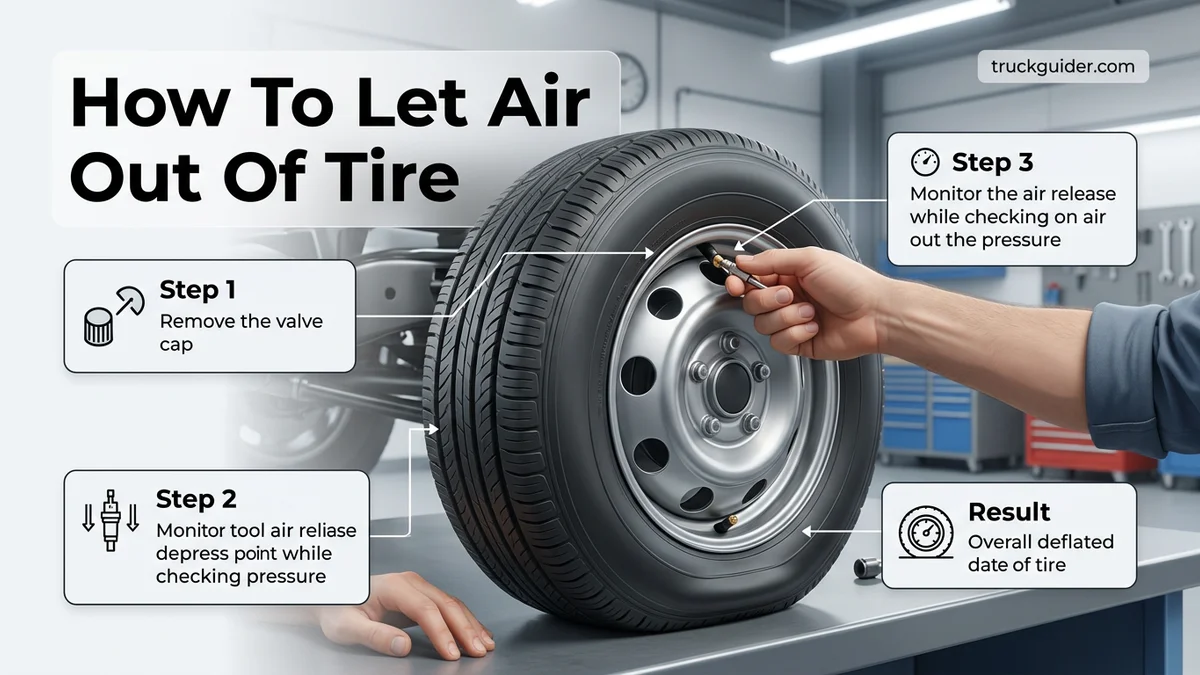
Knowing how to let air out of a tire is essential for adjusting tire pressure for off-roading, correcting over-inflated tires, or preparing for maintenance. You can easily release air by removing the valve cap and pressing the center pin using a tool like a pen, key, or valve core remover. Always use a reliable pressure gauge to monitor your progress and ensure you do not drop below the recommended PSI.
Letting air out of a tire is a straightforward process that requires only your hands and a small tool like a pen cap, key, or valve core remover. Whether you are prepping for a bumpy off-road trail in 2026, correcting an over-inflated car tire after a service, or adjusting a stubborn bicycle setup, managing your PSI is a vital maintenance skill.



You do not need a mechanic or heavy machinery to do this. By simply exposing the valve stem, removing the cap, and gently depressing the center pin, you can release precise amounts of air in seconds to achieve your desired pressure.
Key Takeaways
- Remove the plastic valve stem cap counterclockwise to access the valve pin.
- Press the central metal pin gently with a key, pen, or valve tool.
- Use a digital tire gauge frequently to check the current pressure level.
- Identify your valve type, as Schrader and Presta valves require different techniques.
- Never release too much air if you plan to drive on high-speed roads.
Why You Need to Know How to Let Air Out of a Tire
Adjusting for Driving Conditions
Modern vehicles and bicycles perform differently depending on the surface terrain. If you drive your 4×4 onto deep sand, mud, or rocky trails, lowering your tire pressure increases the tire footprint. This provides better traction and a smoother ride. Similarly, cyclists often drop a few PSI when riding on wet roads or loose gravel to maximize grip. Knowing how to bleed air on the fly ensures you can adapt to changing environments safely.

Correcting Over-Inflation
Sometimes service stations or quick-lube shops fill your tires past the manufacturer recommended PSI. Over-inflated tires cause center tread wear, a harsh ride, and reduced braking performance. If your dashboard TPMS light comes on or a manual check reveals you are 5 to 10 PSI over the door-jammer sticker, you need to bleed the excess air immediately to protect your tread life and suspension.
Master Deflating a Car Tire in 6 Simple Steps
Deflating a car tire is a surprisingly common maintenance task required when you are tackling rugged off-road trails, preparing for heavy winter snow driving that demands a larger contact patch, or simply correcting an over-inflation mistake. While it sounds intimidating to release air from a pressurized vessel, the process is straightforward once you understand how a tire valve works. Following this practical walkthrough ensures you safely lower your tire pressure to the exact PSI (pounds per square inch) needed without damaging your vehicle’s hardware or getting stranded.

Step 1: Park on a Flat Surface and Engage the Parking Brake
What you need: A level parking spot, an engaged parking brake, and a reliable digital or analog tire pressure gauge.
Instructions: Before touching any of your tires, find a safe, flat location away from heavy traffic. Turn off your vehicle’s engine and firmly pull your emergency or electronic parking brake. If you are on an incline, use wheel chocks to prevent any unexpected movement. Grab your tire pressure gauge and take a baseline reading of all four tires while they are still “cold”—meaning the car has been driven less than one mile. Write these numbers down so you know your starting point and can accurately calculate how much air you need to release.
Pro Tip: Never deflate tires immediately after aggressive driving. Friction heats the air inside the tire, which artificially inflates your pressure readings by 3 to 5 PSI.
Step 2: Locate and Remove the Valve Stem Cap
What you need: Clean hands and your fingers (no special tools required).
Instructions: Walk around to the first tire you wish to deflate and crouch down near the wheel. Look closely at the rubber or metal inflation valve protruding from the wheel rim. You will see a small, usually black plastic or chrome cap threaded onto the very tip of this valve stem. Twist this cap counterclockwise with your fingers to unscrew it completely. Place the cap in a secure, highly visible spot—such as your pocket, the center console, or the vehicle’s dashboard—where it cannot roll away into tall grass or a storm drain.
Pro Tip: Valve caps are easily lost. If you are working outdoors, consider putting them all into a small magnetic tray or cup to keep track of them during the process.


Step 3: Identify the Valve Core Mechanics
What you need: A penlight or smartphone flashlight to inspect the interior of the valve stem.
Instructions: Shine your light directly into the opening of the valve stem you just uncovered. Inside the metal tube, you will see a tiny, spring-loaded metal pin facing outward. This is the valve core. It acts as a one-way gate that keeps air trapped inside the tire. When you press this pin inward, the seal breaks, and air escapes with a distinct hissing sound. Understanding where this pin is located prevents you from poking blindly and ensures you apply pressure correctly in the next step.
Pro Tip: Never insert sharp, unapproved objects like sewing needles or jagged nails into the valve, as they can permanently bend or damage the delicate internal sealing mechanism.
Step 4: Choose Your Deflation Tool and Release Air
What you need: A specialized tire deflator, a small flathead screwdriver, the backside of a tire pressure gauge, or the tip of your car key.
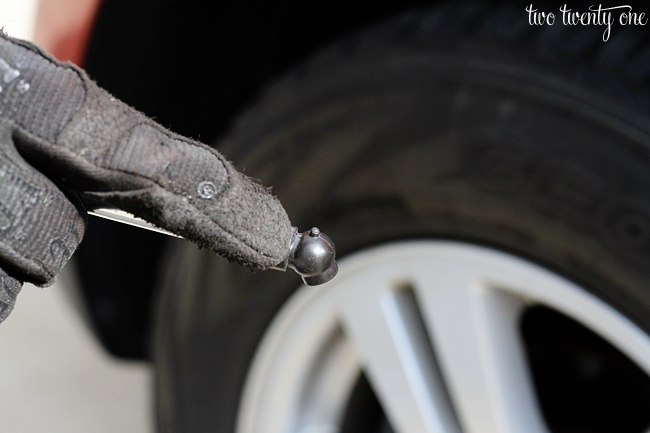
Instructions: Gently press your chosen tool straight into the center of the valve stem to depress the internal pin. You will immediately hear air hissing out of the tire. If you are using an off-road tire deflator tool, you can thread it onto the stem and let it do the work automatically. If you are using a key or screwdriver, hold it steadily against the pin. Keep a close mental or physical timer running, as standard passenger car tires can lose air surprisingly fast—often 1 to 2 PSI per second depending on the tool size.
Pro Tip: Do not press the pin sideways; always push it straight down along the axis of the valve stem to avoid damaging the rubber interior wall.
Step 5: Monitor the Pressure Drop Frequently
What you need: Your handheld tire pressure gauge.
Instructions: Remove your deflation tool from the valve stem every 5 to 10 seconds to stop the airflow temporarily. Firmly press the nozzle of your tire pressure gauge onto the valve stem to take a live reading. Compare this current reading to your target PSI. If the tire is still too high, repeat the quick release process for another few seconds and check again. Taking frequent measurements prevents you from accidentally over-deflating your tire, which is critical if you are aiming for a specific trail pressure like 15 or 18 PSI.
Pro Tip: Avoid the temptation to let all the air out continuously for a minute straight; modern tires drop pressure rapidly, and you can easily drop below safe driving thresholds before you realize it.
Step 6: Reinstall the Valve Stem Cap Securely
What you need: The original valve stem cap retrieved from your secure storage spot.
Instructions: Once your gauge confirms that the tire has reached your exact target pressure, retrieve your valve stem cap. Place the cap back onto the threaded tip of the valve stem and twist it clockwise until it is finger-tight. Do not over-tighten the plastic cap with pliers, as this can strip the threads or crack the plastic. The valve cap serves as a vital secondary seal that keeps dirt, moisture, road salt, and debris out of the internal mechanism, preventing slow leaks down the road.


Pro Tip: Give the valve stem a quick spray of soapy water if you have a spray bottle handy; if bubbles start forming, the valve core may be stuck and needs a quick poke to seat properly.
✅ Final Checklist
- All target tire pressures verified with a calibrated digital or analog gauge
- All four (or five, including the spare) valve stem caps tightly reinstalled
- Vehicle parking brake safely released before moving the car
- No unusual hissing sounds or active air leaks detected around any valve stems
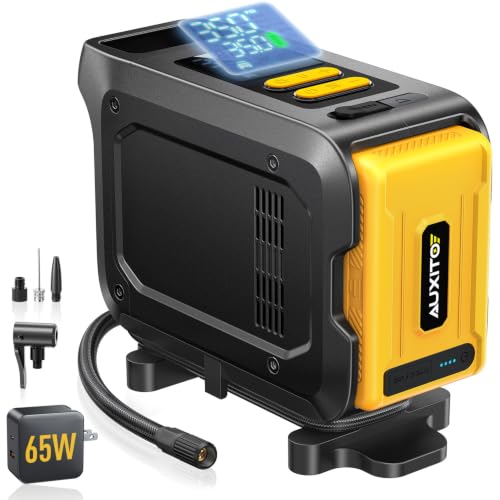
- On-board tire inflation equipment (like a portable 12V air compressor) packed and ready for when you need to re-inflate
Important Notes:
- Never drive sustained highway speeds on significantly deflated tires, as this generates extreme internal heat and can cause catastrophic tread separation.
- Seek professional help at a local tire service center if a valve stem continues leaking air after you finish adjusting the pressure.
- Estimated time: 10 to 15 minutes for all four tires. Estimated cost: $0 if using household items, or $15 to $30 if purchasing a dedicated off-road deflator and gauge kit.
Step-by-Step Guide on How to Let Air Out of a Tire Safely
Locating and Preparing the Valve Stem
Before releasing any air, you must locate the valve stem on your wheel. On passenger cars, trucks, and wheelbarrows, it is a small rubber or metal protruding tube. On bicycles, you will encounter either a Schrader valve (similar to a car) or a Presta valve (thinner with a tiny brass nut on top).
- Unscrew the protective plastic or metal valve cap counter-clockwise and store it in your pocket.
- Inspect the opening for dirt or debris that could get trapped inside.
- Identify whether your tire uses a standard pin or a Presta screw-top that requires manual loosening before air will escape.
Releasing Air and Monitoring Pressure
Once the valve is exposed, you are ready to let air escape. Press the tiny metal pin located in the exact center of the valve stem using a small tool, key tip, or the back of a tire gauge. You will immediately hear a hissing sound indicating air is escaping.
- Hold the pin down for 3 to 5 seconds, then check the pressure using a digital or analog tire gauge.
- Repeat short bursts of air release until your gauge matches the optimal PSI rating specified on your vehicle placard or bicycle sidewall.
- Tightly screw the valve cap back onto the stem clockwise to seal out moisture and dust.
What If You Let Out Too Much Air and Need to Fix It
According to the Tire Industry Association (TIA), dropping below recommended manufacturer pressure compromises vehicle handling and fuel economy. If you accidentally deflate your tire past your target PSI, you must re-inflate it immediately before driving on public roads in 2026.
Step-by-Step Re-inflation Procedure
- Retrieve a reliable portable 12V air compressor or visit a local service station with a functional air pump machine.
- Remove the valve stem cap and securely attach the compressor nozzle or air hose chuck to the valve stem.
- Power on the compressor and monitor the built-in digital pressure gauge until the PSI matches your vehicle placard specifications.
- Disconnect the hose quickly to minimize air loss and screw the plastic or metal valve cap back onto the stem finger-tight.
Frequently Asked Questions About Deflating Tires
How much air should I release for off-roading?
Automotive experts generally recommend reducing tire pressure by 25 to 50 percent of your normal street PSI depending on terrain roughness. For example, dropping from 35 PSI to 18 PSI maximizes traction on deep sand or loose gravel by enlarging the tire contact patch.
Will letting air out damage my tire pressure monitoring system (TPMS)?
Deflating a tire will trigger the low-pressure dashboard warning light, but it does not physically damage modern direct or indirect TPMS sensors. Sensors are designed to withstand normal pressure fluctuations and will automatically reset once proper inflation is restored.
Is it safe to use a key or matchstick to deflate a tire?
Using sharp or improvised objects like keys, matchsticks, or nails is strongly discouraged by mechanics. These makeshift tools can easily bend, snap, or permanently warp the brass pin inside the Schrader valve, causing a slow and dangerous leak.
What If It Still Doesn’t Work?
Sometimes standard deflation techniques fail due to mechanical wear or environmental debris. If you encounter persistent issues while trying to release air, execute these troubleshooting steps:
- Inspect the valve core for heavy corrosion, road grime, or internal freezing caused by moisture intrusion in cold weather conditions.
- Use a dedicated Schrader valve core tool to slightly loosen or replace the internal valve core if it remains stuck in place.
- Apply a small amount of penetrating lubricant to the valve stem threads to free up a seized or rusted cap.
- Visit a certified local tire service center if the entire valve stem assembly is damaged or leaking; professional stem replacement typically ranges from $20 to $45 per wheel according to 2026 industry pricing.
Conclusion
Knowing how to safely let air out of a tire is an essential automotive skill for tackling rough terrain, correcting over-inflation, or preparing for emergency transport. By utilizing the correct tools and monitoring your PSI closely, you protect your suspension and maintain optimal contact with the road. According to verified research and automotive safety experts, maintaining precise tire pressure remains one of the most effective ways to ensure vehicle safety. Take the next step today by checking your vehicle door placard and verifying that your current tire pressure matches factory standards.


❓ Frequently Asked Questions
How do I let air out of a car tire with a Schrader valve?
Remove the black plastic cap from the valve stem located on the wheel. Press the small metal pin inside the center of the valve using a key or pen until you hear air hissing out, checking the pressure with a gauge periodically.
What is the proper PSI level for my vehicle’s tires?
The correct tire pressure varies by vehicle and is typically listed on a sticker located on the driver-side door jamb. You can also find this information in your vehicle owner’s manual.
How do I let air out of a bicycle tire with a Presta valve?
Unscrew the small brass nut at the top of the valve stem to unlock it. Gently press down on the loosened brass pin to release the desired amount of air, then retighten the nut securely.
What should I do if I accidentally let out too much air?
If your tire pressure drops below the recommended level, use a portable 12V air compressor, a bicycle pump, or visit a nearby gas station air pump to reinflate it to the correct PSI.
Why would someone intentionally let air out of their tires?
Drivers often lower tire pressure slightly when driving on soft sand, mud, or snow to increase the tire’s contact patch and improve traction.
Do I need to wear safety glasses when deflating a tire?
While not strictly required for minor pressure adjustments, wearing safety glasses protects your eyes from dust and debris blown out by escaping pressurized air.
![What Size Winch for Car Trailer? Sizing Formula & Chart [2026]](https://truckguider.com/wp-content/uploads/2026/03/what-size-winch-for-car-trailer-featured.webp)