2013 Dodge Durango Battery: Size, Location & Specs Guide [2026]

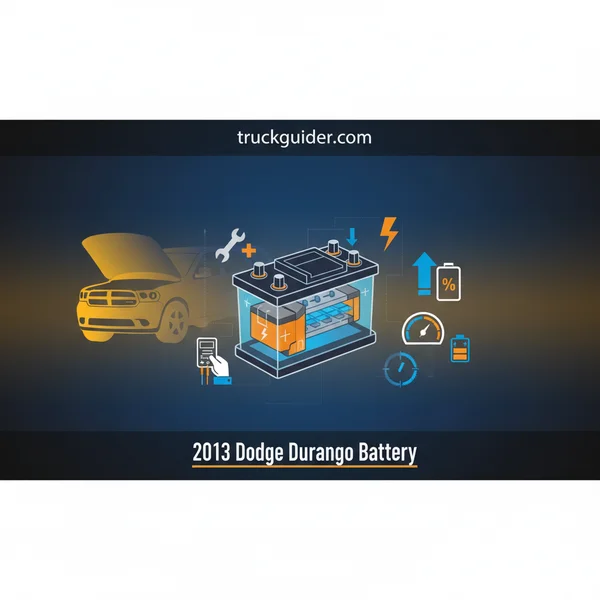
The 2013 Dodge Durango requires a Group H6 (48) or H7 (94R) battery with a minimum of 700-800 Cold Cranking Amps (CCA). Crucially, the battery is located underneath the front passenger seat, requiring specific access and venting procedures.
🎯 Key Takeaways
Recommended Best Deal Products


- Use Group H7 for V8 engines or Group H6 for V6 models.
- Access the battery compartment by sliding the passenger seat fully forward.
- Select an AGM battery to ensure proper interior venting safety.
- Use the remote jump-start posts under the hood for emergencies.
- A 10mm socket is the primary tool needed for terminal connections.
The 2013 Durango third generation technical specifications”>Dodge Durango uses a BCI Group Size 94R (H7) or Group 48 (H6) battery, depending on your specific trim level and engine configuration. Unlike most vehicles where you lift the hood to find the battery, the Durango hides its power source inside the cabin, specifically tucked away in a compartment underneath the front passenger seat. Finding the right replacement is critical because the battery must meet specific venting requirements and physical dimensions to fit within this specialized integrated floor compartment.
Getting these specifications right the first time prevents common headaches like poor fitment or premature electrical failure due to insufficient Cold Cranking Amps (CCA). Since the battery is housed inside the passenger compartment, you cannot simply install any standard lead-acid battery without considering safety. You must prioritize the correct terminal polarity and ensure the battery is compatible with the vehicle’s external venting system to keep your interior air quality safe and your electrical system functioning at peak performance.
Technical Specifications: BCI Group Sizes and CCA Requirements
The 2013 Dodge Durango is sensitive to battery dimensions and power output. Most models, especially those equipped with the 5.7L HEMI V8, require the Group 94R (H7) battery. This size offers the higher capacity needed to turn over a large displacement engine and power the Durango’s extensive electronic suite. Some 3.6L Pentastar V6 models may utilize the slightly smaller Group 48 (H6), but many owners opt for the 94R as an upgrade for better longevity and cold-weather reliability.
Understanding CCA Ratings and Terminal Polarity
The Cold Cranking Amps (CCA) rating is the measure of how much power the battery can deliver at 0 degrees Fahrenheit. For a 2013 Durango, you should aim for a battery with a minimum of 700 to 800 CCA. If you live in a northern climate with harsh winters, leaning toward the 800 CCA range is highly recommended to ensure the starter engages immediately on freezing mornings.
Terminal polarity is another non-negotiable factor. The 2013 Durango requires a Right-Hand Positive layout. Because the battery cables in the under-seat compartment are cut to a very specific length, there is almost no slack. If you buy a battery with the terminals reversed, the cables will not reach, and you will be unable to complete the installation.
- BCI Group Size: 94R (H7) is standard; 48 (H6) is an alternative for some V6 models.
- Cold Cranking Amps (CCA): 700 minimum; 800+ preferred for V8 engines.
- Reserve Capacity (RC): Look for 120-140 minutes to handle auxiliary power needs.
- Terminal Configuration: Right-Hand Positive (post on the right when looking at the front of the battery).
- Voltage: Standard 12-volt system.
Comparing AGM vs. Flooded Lead-Acid Options
While the 2013 Durango originally came with a high-quality flooded battery, most experts recommend upgrading to an Absorbent Glass Mat (AGM) battery. AGM batteries are sealed, meaning they do not spill or leak, and they are significantly more resistant to the heat and vibration that can occur within the Durango’s floor compartment. Furthermore, AGM batteries typically have lower self-discharge rates and can handle the deep cycling required by the Durango’s “Uconnect” infotainment system and power-heavy interior features.
2013 Dodge Durango Battery Made Easy: Your Essential Action Plan
Replacing the battery in a 2013 Dodge Durango is a unique task because, unlike most vehicles where the battery is located under the hood, the Durango hides its power source beneath the front passenger seat. This design helps with weight distribution and protects the battery from extreme engine heat, but it makes the replacement process slightly more technical. This guide will walk you through the entire process, from accessing the hidden compartment to ensuring the critical venting system is properly reattached. Following these steps carefully is essential for maintaining your vehicle’s electrical health and ensuring your own safety during the installation.
Step 1: Preparation and Positioning the Passenger Seat
What you need: Your vehicle key and a clear workspace around the passenger side of the SUV.
Instructions: Before you grab your tools, you must position the front passenger seat to allow maximum access to the battery compartment located in the floorboard behind it. Start the engine or turn the ignition to the “ON” position. Use the power seat controls to slide the passenger seat as far forward as it will go. Next, tilt the seatback forward and use the height adjustment to raise the entire seat to its highest position. This creates a large enough “window” in the floor carpet to work comfortably. Once the seat is positioned, turn off the ignition and remove the key to ensure no electrical draw is present while you work.
Pro Tip: If your battery is completely dead and the power seats won’t move, you will need to jump-start the vehicle or connect a portable power pack to the jump-start terminals under the hood (marked with a red “+” cap) just long enough to move the seat.
Step 2: Accessing the Battery Compartment
What you need: No tools required; hands only.
Instructions: Move to the rear passenger floorboard area. You will see a rectangular cut-out in the carpet directly beneath where the seat was positioned. There is a plastic cover or a carpeted flap protecting the battery well. Lift the carpet flap and fold it back toward the rear of the vehicle. Underneath, you will find a plastic lid. This lid usually has finger-tabs or simple clips. Press the tabs and lift the lid straight up and out. Set this lid aside in a safe place. You should now see the top of the battery, the terminals, and the hold-down bracket. Take a moment to clear any debris or dust from the area using a vacuum or a clean cloth so nothing falls into the compartment.
Pro Tip: Be careful not to tug too hard on the carpet flap; in some Durango models, there are plastic rivets nearby that can snap if the carpet is forced beyond its natural fold line.
Step 3: Disconnecting the Negative Terminal
What you need: A 10mm wrench or socket set.
Instructions: Safety is paramount when dealing with automotive electronics. Always disconnect the negative (black/minus sign) terminal first. Locate the 10mm nut on the negative cable clamp. Loosen the nut until the clamp can move freely. Do not remove the nut entirely; you only need to loosen it. Wiggle the clamp back and forth while pulling upward to remove it from the battery post. Once removed, tuck the cable far to the side or wrap it in a dry rag. It is vital that this cable does not accidentally spring back and touch the negative post while you are working on the positive side, as this could cause a dangerous electrical arc.
Pro Tip: If the terminal is stuck due to corrosion, do not pry against the battery casing. Instead, use a terminal spreader tool or gently twist the clamp with pliers to break the seal of the corrosion.
Step 4: Disconnecting the Positive Terminal
What you need: A 10mm wrench or socket set.
Instructions: With the negative cable safely isolated, locate the positive (red/plus sign) terminal. This terminal often has a red plastic protective cover that you will need to flip up or slide back. Just like the negative side, use your 10mm wrench to loosen the nut on the clamp. Once loose, lift the positive clamp off the post. Because the battery is in a confined metal compartment, be extremely careful that your wrench does not touch both the positive terminal and any metal part of the vehicle frame or the seat track at the same time. This would create a short circuit, potentially damaging the vehicle’s sensitive Engine Control Module (ECM).
Pro Tip: Place a thick rubber glove or a plastic cap over the positive terminal once the cable is removed to prevent any accidental contact while you are maneuvering the battery out.
Step 5: Removing the Battery Hold-Down Bracket
What you need: A 13mm socket, a long extension (at least 6-10 inches), and a ratchet.
Instructions: The 2013 Durango battery is secured by a heavy-duty bracket at the base of the battery to prevent it from shifting while driving. Look down the side of the battery (usually the side facing the rear of the vehicle) to find the 13mm bolt securing the wedge-shaped hold-down block. Attach your 13mm socket to the long extension and reach down into the bottom of the battery well. Unscrew the bolt completely. Once the bolt is out, carefully reach down and grab the small metal or plastic block that was being held by the bolt. Be careful not to drop the bolt into the crevices of the floorpan, as it can be very difficult to retrieve.
Pro Tip: Use a magnetic socket or place a small piece of electrical tape inside your socket to “grip” the bolt head, ensuring it doesn’t fall out as you lift the extension out of the deep compartment.
Step 6: Detaching the Vent Tube and Extracting the Battery
What you need: Strength and a firm grip.
Instructions: Since the battery is located inside the cabin, it features a critical vent tube that carries harmful gases outside the vehicle. Look for a small grey or clear plastic tube plugged into the side of the battery near the top. Gently pull this tube straight out of the battery and tuck it safely out of the way. Now, prepare to lift the battery. An H7 or Group 94R battery weighs approximately 40 to 50 pounds. Stand in the rear passenger door opening, bend your knees, and grab the battery handles. Lift the battery straight up out of the well. Be careful of your back, as the angle is somewhat awkward. Place the old battery on the ground outside the vehicle.
Pro Tip: If your battery does not have handles, use a battery carrier strap tool. This makes it much safer to lift the heavy weight out of the narrow floor compartment without straining your wrists.
Step 7: Cleaning the Tray and Installing the New Battery
What you need: Battery cleaner or a mix of baking soda and water, and a wire brush.
Instructions: Inspect the empty battery tray for any signs of leaked acid or white powdery corrosion. If present, clean it thoroughly with a mixture of baking soda and water to neutralize the acid, then dry it completely. Lower the new battery (Type H7/Group 94R) into the tray. Ensure it is oriented correctly: the positive and negative posts should be in the same positions as the old battery. Most importantly, ensure the battery is seated flat in the tray so the hold-down bracket can engage properly. Once seated, re-insert the 13mm hold-down block and bolt, tightening it until the battery cannot be moved by hand. Do not overtighten, as you could crack the plastic battery casing.
Pro Tip: Apply a thin layer of dielectric grease or battery terminal protector spray to the new battery posts before installation to prevent future corrosion buildup.
Step 8: Reconnecting Terminals and Vent Tube
What you need: A 10mm wrench and the vent tube connector.
Instructions: Reconnection is the exact opposite of removal. Start by plugging the small vent tube back into the hole on the side of the new battery. This is a vital safety step for an interior-mounted battery! Next, connect the Positive (Red) cable first. Slide the clamp over the post and tighten the 10mm nut until the clamp is snug and cannot be rotated. Close the red protective cover. Finally, connect the Negative (Black) cable. You may see a small spark when the negative clamp touches the post; this is normal as the vehicle’s capacitors recharge. Tighten the negative 10mm nut. Once both are secure, replace the plastic lid and fold the carpet flap back down. Slide the seat back to its original position.
Pro Tip: After reconnection, your Durango may need a few minutes for the computer to idle-learn. Start the car and let it run for 2-3 minutes before driving to ensure the electronics stabilize.
✅ Final Checklist
- Is the battery hold-down bolt (13mm) tight and the battery immovable?
- Is the vent tube securely plugged into the side of the new battery?
- Are the 10mm terminal nuts tight enough that the cables cannot be twisted by hand?
- Is the positive red protective cap closed and the floor compartment lid snapped in place?
- Does the vehicle start strongly without any “Check Engine” or battery warning lights on the dash?
Important Notes:
- Safety: Always wear safety glasses and gloves. Lead-acid batteries contain sulfuric acid and can produce explosive hydrogen gas.
- Professional Help: If you notice heavy corrosion on the wiring harness or if the seat motors are non-functional, seek professional assistance from a certified mechanic.
- Estimated Time: 30 to 45 minutes.
- Estimated Cost: $160 – $250 for a high-quality Group 94R (H7) AGM battery.
Interior Placement and Cabin Ventilation Safety Standards
Locating the battery in a 2013 Durango can be confusing for first-time owners. It is located in a recessed “well” underneath the front passenger seat. Dodge designed it this way to improve weight distribution and to protect the battery from the extreme temperature fluctuations found under the hood. However, this placement introduces specific safety requirements, primarily regarding how the battery vents hydrogen gas.
Detailed Steps for Accessing the Floor Compartment
Accessing the battery does not require removing the seat, but it does require moving it to its extreme limits. Follow these steps to reach the compartment:
- Power the Seat Forward: Use the electronic controls to move the passenger seat as far forward as it will go toward the dashboard.
- Adjust Height and Tilt: Raise the seat to its highest vertical position and tilt the backrest forward to maximize the gap behind the seat.
- Peel Back the Carpet: Locate the pre-cut carpet flap on the floor behind the passenger seat base. Lift this flap to reveal the plastic battery cover.
- Remove the Cover: Unlatch the plastic tabs on the battery bin cover and lift it out of the way to expose the battery terminals and hold-down bracket.
Why Proper Venting is Non-Negotiable
Because the battery is located inside the passenger cabin, it is enclosed in a sealed bin. During the charging process, lead-acid batteries naturally release small amounts of hydrogen gas. In a traditional engine bay, this gas dissipates harmlessly. In the Durango’s interior, this gas could potentially build up to dangerous levels if not handled correctly.
The 2013 Durango is equipped with a small rubber vent tube that connects to a port on the side of the battery. This tube leads directly through the floor of the vehicle to the outside air. When you buy your new battery, it is vital to ensure it has a venting port that aligns with this tube. During installation, you must physically reconnect this tube to the new battery. Failure to do so can result in corrosive gases entering the cabin or, in extreme cases, a fire hazard.
- Vent Tube Inspection: Always check the rubber tube for cracks or clogs before installing a new battery.
- Sealed Compartment: Ensure the plastic lid snaps firmly back into place to maintain the integrity of the floorboard.
- Tool Requirements: You will typically need a 10mm wrench for the terminals and a long extension with a 13mm socket for the hold-down bolt.
Comparing Battery Chemistry: AGM vs. Standard Flooded Options
When shopping for a 2013 Dodge Durango battery, you will likely encounter two main types: Absorbent Glass Mat (AGM) and traditional Lead-Acid (Flooded). While both are designed to start your engine, the Durango’s significant electrical demands—especially in higher trim levels like the Citadel or R/T—often make the choice for you. Choosing the wrong chemistry can lead to shorter battery life and potential electronic glitches.
Why AGM is Often the Best Upgrade
AGM batteries are considered the gold standard for modern SUVs. Because the battery in the 2013 Durango is located inside the cabin under the passenger seat, AGM offers a significant safety and performance advantage. They are spill-proof, leak-proof, and maintenance-free. Furthermore, AGM batteries are specifically engineered to handle the “parasitic draw” from the Durango’s advanced electronics, such as the power liftgate, heated seats, and high-output infotainment systems.
- Superior Vibration Resistance: The internal construction is much tougher, making it better suited for the bumps and grinds of daily driving.
- Faster Charging: These batteries recharge much quicker during short trips compared to standard flooded cells, which is vital for city drivers.
- Longer Lifespan: Under normal conditions, a high-quality AGM battery can last 1.5 to 2 times longer than a budget-tier flooded battery.
The Reliability of Standard Flooded Batteries
Standard flooded batteries are the more budget-friendly option and were the factory standard for several 2013 Durango trims. If your vehicle is a base SXT model without heavy power-draining accessories, a high-quality flooded battery might suffice. However, keep in mind that because the battery is located inside the vehicle, these batteries MUST be connected to the factory vent tube to ensure hydrogen gases are safely funneled outside the cabin.
- Cost-Effective: They offer a lower initial purchase price for owners on a strict budget.
- Widely Available: You can find a standard Group 94R or Group 48 flooded battery at almost any local auto parts retailer.
- Proven Technology: Reliable performance provided the vehicle is driven regularly and the charging system is healthy.
Maintenance Factors and Signs of Battery Failure
Since the 2013 Dodge Durango hides its battery away from the intense heat of the engine bay, these units often last longer than batteries in other vehicles. However, that “out of sight, out of mind” location can lead to a “set it and forget it” mentality that leaves you stranded when you least expect it. Regular monitoring is still essential for long-term reliability.
Red Flags: How Your Durango Warns You
Your Durango is quite vocal when the voltage starts to drop, though the symptoms aren’t always a simple “dead” engine. Instead of a complete failure, you might notice “ghost” symptoms in the dashboard electronics. One common specific warning for this model year is the “Battery Saver Mode” message appearing on the digital driver information display. This is a clear sign that the battery can no longer hold a sufficient charge, and the alternator is struggling to keep up.
- The “Lazy” Crank: The engine takes noticeably longer to turn over, especially on chilly mornings or after the vehicle has sat for a weekend.
- Electronic Glitches: You may notice the power seats moving slower than usual or the Uconnect screen rebooting unexpectedly.
- Dimming Lights: Headlights or interior dome lights may flicker slightly when you engage other electronics like the power windows.
- Unusual Odors: A “rotten egg” smell inside the cabin indicates the battery is venting gas or overheating due to an internal fault.
Keeping the Terminals Clean in a Hidden Location
Even though the battery isn’t exposed to road salt or rain under the passenger seat, moisture and natural off-gassing can still cause terminal corrosion over several years. Periodically checking the passenger-side floor area for any dampness is vital. Most importantly, ensure the small plastic vent tube is securely attached to the side of the battery. If this tube is blocked or disconnected, it can lead to dangerous gas buildup or premature corrosion of the metal battery tray and nearby wiring harnesses.
Conclusion
Selecting the right battery for your 2013 Dodge Durango comes down to understanding the balance between your driving habits and your vehicle’s power needs. Whether you opt for a high-performance AGM upgrade or a reliable Group 94R flooded battery, ensuring the Cold Cranking Amps (CCA) meet the factory recommendation of 700 to 800 will keep your SUV running smoothly in all weather conditions.
As an actionable next step, take five minutes to check the age of your current battery; if the sticker indicates it is more than four years old, it is time for a professional load test. Don’t wait for the dreaded “click” on a busy morning—invest in a quality replacement today to keep your Durango powered up and ready for the road!
❓ Frequently Asked Questions
Why is the 2013 Dodge Durango battery located under the seat?
Engineers placed the battery under the passenger seat to improve weight distribution and shield the battery from extreme engine heat, which can extend its overall lifespan.
What happens if I install a battery without a vent tube?
Because the battery is inside the cabin, it must be vented to the outside. Failure to use a vent tube can allow harmful hydrogen gas to accumulate in the passenger area.
How do I know if my Durango needs an H6 or H7 battery?
The H7 (94R) is standard for the 5.7L V8, while the H6 (48) is common for the 3.6L V6; however, the H7 often fits both and provides more power.
Are there special tools required for a 2013 Durango battery?
You will primarily need a 10mm wrench or socket for the terminals and a 13mm socket with an extension for the battery hold-down bracket.
How long does a battery typically last in this model?
Due to the protected interior location, these batteries often last 4 to 6 years, significantly longer than batteries exposed to engine heat.
What are the signs that my Durango battery is dying?
Common indicators include a ‘Battery Saver Mode’ message on the dash, slow engine cranking, or flickering electronic displays during startup.