PBJ Paint Code Guide: Hydro Blue Pearl for Jeep, Ram, Dodge [2026]

The PBJ paint code identifies the vibrant Hydro Blue Pearl (also marketed as Atlantic Blue) used extensively by Jeep, Ram, and Dodge. This specialized pearl finish is common on modern Wranglers and Ram 1500s, requiring a specific formula to match its metallic depth.
🎯 Key Takeaways
- PBJ is the code for Hydro Blue Pearl and Atlantic Blue.
- Commonly used on Jeep Wrangler, Gladiator, and Ram 1500 models.
- The paint code is located on the driver-side door jamb sticker.
- PBJ is a pearl finish requiring a clear coat for depth.
- Mopar part numbers often correlate directly with this three-digit code.
If you are looking for the PBJ paint code, you are searching for one of the most vibrant colors in the modern Mopar palette: Hydro Blue Pearl. This color is a staple for Jeep, Ram, and Dodge vehicles, known for its high-energy metallic flake and deep sapphire undertones. Whether you are fixing a small stone chip on your Wrangler or color-matching a new set of fender flares for your Ram 1500, using the exact PBJ code is the only way to ensure the finish reacts correctly to sunlight.



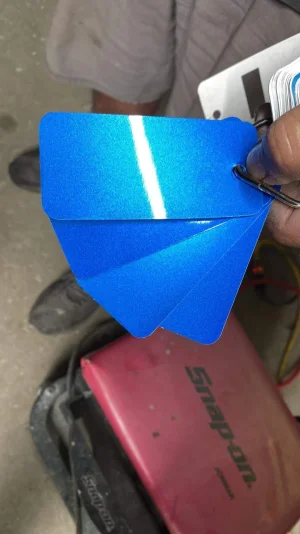
Getting this code right matters because “blue” is never just blue in the automotive world. Mopar has produced dozens of blue shades over the last decade, including Chief Blue, Ocean Blue, and Laser Blue. However, PBJ Hydro Blue Pearl contains specific pearlescent pigments that give it a “flip” in the light, transitioning from a bright electric blue to a darker navy in the shadows. Using the wrong variant will result in a patch that stands out rather than blending into your factory finish.
Official Identification of the PBJ Paint Code
The PBJ paint code is the official manufacturer designation for Hydro Blue Pearl Coat. In the Mopar coding system, the first letter “P” typically stands for “Primary,” while the “BJ” identifies the specific color formula. When ordering paint, you may also see it listed as MBJ; the “M” denotes the “Maintenance” or touch-up version of the same PBJ formula. They are identical in color and composition, so do not be confused if your touch-up bottle says MBJ instead of PBJ. Compare it with other Ram colors in our Dodge Ram color code chart.
How to Verify Your PBJ Paint Code on the Vehicle
Before you purchase any paint supplies, you should verify the code on your specific vehicle. Manufacturer records are usually accurate, but production mid-year changes can occur. You can find your paint code in the following locations:
- Driver’s Side Door Jamb: Look for the Safety Standard Certification Label. The code is usually located at the bottom of the sticker next to the text “PNT:PBJ.”
- VIN Decoding: You can provide your 17-digit Vehicle Identification Number to a local dealership parts department. They can pull the exact build sheet to confirm Hydro Blue Pearl was the factory-applied color.
- Firewall or Under-Hood: On some older Dodge models, a metal plate may be riveted to the radiator support or the firewall containing the three-digit paint code.
Because PBJ is a pearl coat, it is technically a multi-stage finish. While most touch-up pens simplify this into a single application, professional-grade sprays often require a base coat followed by a clear coat infused with the blue pearl effect to truly replicate the factory depth.
Vehicle Model and Year Compatibility for Hydro Blue
Hydro Blue Pearl has been a “hero color” for the Jeep and Ram brands for several years. It is frequently used on special editions and off-road trims. It first gained significant popularity on the Jeep Wrangler JK and has since expanded across the entire rugged lineup of the Stellantis (formerly Chrysler/FCA) fleet. If your vehicle was manufactured between 2014 and the present, and it looks like a bright, metallic blue, there is a high probability it is PBJ.
Jeep Models and Years
Jeep is the primary user of the PBJ code. It is often released as a limited-run color, retired for a year, and then brought back due to high customer demand. Key applications include:
- Jeep Wrangler (JK & JL): Available from 2014–2016 and returned for the 2021–2024 model years.
- Jeep Gladiator (JT): Available from 2020 through 2024. It is one of the most popular colors for the Mojave and Rubicon trims.
- Jeep Cherokee (KL): Used primarily on the Trailhawk and Altitude trims between 2014 and 2018.
- Jeep Grand Cherokee (WK2): Occasionally seen on special trims like the SRT or Limited X around 2019–2020.
Ram and Dodge Applications
While Jeep owns the “Hydro Blue” fame, the code PBJ is also found on high-performance trucks and muscle cars. The formulation remains the same across these brands, ensuring consistency across the Mopar family.


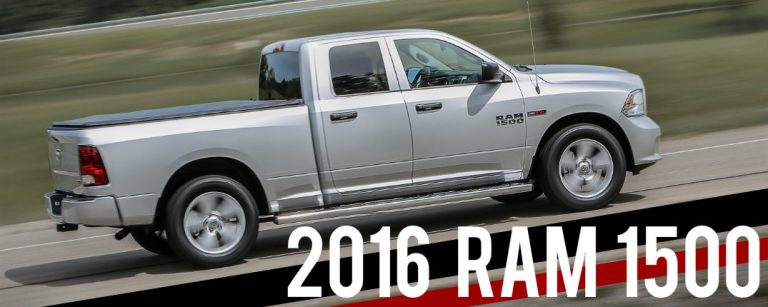
- Ram 1500: The PBJ code was used for the “Hydro Blue Sport” special edition in 2018. It has also appeared on the Ram TRX and Rebel models from 2021 to 2024.
- Dodge Challenger and Charger: PBJ was utilized for specific performance editions, often paired with black racing stripes or “Blacktop” packages.
- Dodge Durango: Used sparingly on SRT and R/T trims during the 2018–2022 production window.
Knowing your vehicle’s specific model year is vital because Mopar sometimes offers similar blues like Blue Streak Pearl (PCL). While they look similar in photos, PBJ Hydro Blue is significantly brighter and has a higher metallic concentration. Always rely on the code over the visual “guess” from a screen.
Understanding the PBJ Pearl Finish Composition
The PBJ paint code isn’t just a standard blue; it is a complex pearl finish that relies on specific light-reflecting particles to achieve its signature depth. Unlike “flat” or “solid” paints that look the same regardless of the angle, Hydro Blue Pearl uses a multi-layered approach to interact with natural light. When you look at a Ram 1500 or a Jeep Wrangler in this shade, you aren’t just seeing blue pigment; you are seeing the result of science meeting automotive design.
The Role of Mica and Xirallic Pigments
What gives the PBJ code its “pop” is the inclusion of specialized mica or Xirallic flakes within the basecoat. These tiny, glass-like particles act as microscopic mirrors. In direct sunlight, these flakes catch the light and create a brilliant, shimmering effect that makes the blue appear much more vibrant. In the shade, the color deepens into a rich, oceanic navy. This dynamic range is why Hydro Blue is often cited as one of the most popular colors in the Stellantis lineup.
Why PBJ is More Than a Simple Blue
Because PBJ is a pearl coat, the application involves a high level of precision. The orientation of the metallic and pearl flakes during the drying process determines the final look. Here are a few key characteristics of the PBJ composition:
- High Transparency: The base color is slightly translucent to allow light to reach the pearl flakes deeper in the paint film.
- Refractive Index: The pearls used in Hydro Blue have a high refractive index, meaning they “bend” light to create a three-dimensional appearance.
- Clear Coat Dependency: The gloss and “wet look” of PBJ are heavily dependent on a high-quality UV-resistant clear coat to protect those delicate pearl particles from oxidation.
Professional Grade vs. Consumer Touch-Up Options
When it comes to repairing a scratch or painting a new accessory like a mirror cap, you have several paths to choose from. Selecting the right product depends entirely on the size of the area you are covering and the level of finish you expect. Because Hydro Blue Pearl is so distinct, using the wrong “generic blue” will result in a patch that stands out like a sore thumb.
OEM Touch-Up Pens and Bottles
For small rock chips—those annoying white or grey pockmarks on your hood—an OEM Mopar PBJ touch-up pen is usually the best bet. These pens are designed for tiny “point” applications. They contain the exact factory-spec paint, but they are limited by their applicator. If you try to paint a large area with a pen, you will likely see brush strokes and uneven pearl distribution.


Custom-Mixed Aerosols and Professional Pints
If you are painting a larger surface, such as a fender flare or a door handle, you need an aerosol or a spray gun. Many specialized automotive paint suppliers can mix the PBJ paint code into a pressurized spray can. These are far superior to standard “off-the-shelf” blues because they include the specific flake profile needed to match your Jeep or Dodge. For those with professional equipment, buying a pint of “ready-to-spray” urethane basecoat ensures the highest durability and the closest match to the factory robotic application.
- Best for Chips: Mopar PBJ Touch-Up Pen (Genuine OEM).
- Best for Scratches: Dr. ColorChip or similar “smear” kits that level the paint.
- Best for Accessories: Custom-mixed 2K Aerosol cans with a separate clear coat.
- Best for Major Repairs: Professional-grade HVLP spray systems and high-solids clear coats.
Conclusion
The PBJ paint code, better known as Hydro Blue Pearl, is a stunning example of modern automotive paint technology. Its unique blend of blue pigments and reflective pearl flakes makes it a favorite for Jeep, Ram, and Dodge owners alike. Understanding that this is a complex pearl finish—not a simple flat color—is the first step in ensuring any repairs or additions look factory-perfect. Whether you are fixing a minor chip with an OEM pen or tackling a larger project with a custom-mixed spray, the key is always to start with the correct code.
Before you start your project, double-check your driver’s side door jamb to confirm the PBJ code. Once confirmed, invest in high-quality, code-specific paint rather than generic alternatives. With the right materials, you can keep your vehicle’s Hydro Blue finish shimmering for years to come. Ready to get started? Grab your PBJ touch-up kit today and bring that vibrant blue back to life!
❓ Frequently Asked Questions
What makes the PBJ Hydro Blue Pearl unique?
PBJ is a high-depth pearl finish that contains microscopic mica flakes. These flakes reflect light differently than standard metallic paints, giving the vehicle a multi-dimensional look in direct sunlight.
Why does my PBJ touch-up paint look darker than the car?
Pearl paints like PBJ often look darker when wet or applied too thickly. The color typically lightens and gains its ‘pop’ once the clear coat is applied and the paint fully cures.
Can I find PBJ paint at a local auto parts store?
While some stores carry universal blues, it is highly recommended to buy a code-specific PBJ match from Mopar or a specialized automotive paint supplier to ensure the pearl content is correct.
How do I confirm my paint code if the door sticker is missing?
You can contact a local Jeep or Ram dealership with your vehicle’s 17-digit VIN. They can pull the original build sheet which lists the exact paint code assigned at the factory.



Is there a difference between PBJ and PBU paint codes?
Yes, while both are blues, PBU is usually ‘True Blue Pearl,’ which is much darker and more navy-toned than the bright, electric look of PBJ Hydro Blue.
What is the best way to repair a rock chip in PBJ paint?
A paint pen with a dual-tip (needle and brush) is best for small chips. Ensure you use the PBJ base color followed by a dedicated clear coat pen to level the surface.
![15 Creative Flatbed Side Rail Ideas: Styles & Materials [2026]](https://truckguider.com/wp-content/uploads/2026/03/flatbed-side-rail-ideas-featured-768x403.webp)