Ram 3500 Years To Avoid: Critical Reliability: Reliability Guide [2026]

For professionals in the heavy-duty hauling industry, the Ram 3500 is a legendary workhorse, yet certain model years can transform a trusted asset into a significant financial liability. While the Cummins-powered platform is generally regarded as a high-quality machine, specific engineering transitions and component failures have marred particular production years with costly mechanical risks. This expert analysis identifies the specific Ram 3500 years to avoid, detailing the mechanical failures, recall histories, and drivetrain vulnerabilities you must understand before making a purchase. Use this complete guide to ensure your next investment is a reliable one.
The 2010 to 2012 4th Gen Early Production Challenges
📤 Share Image
The introduction of the fourth-generation Ram 3500 brought significant aesthetic and structural upgrades, but the 2010 through 2012 model years are frequently cited by professional mechanics as problematic due to “teething issues” with the 6.7L Cummins emissions systems. During this era, Chrysler relied heavily on an Exhaust Gas Recirculation (EGR) and Diesel Particulate Filter (DPF) setup that lacked the Selective Catalytic Reduction (SCR) technology found in later models. This led to excessive soot loading, particularly in trucks used for short trips or extended idling.
Owners frequently report ‘Perform Service’ indicators on the Electronic Vehicle Information Center (EVIC), often signaling a clogged DPF. In many cases, the truck fails to initiate an active regeneration, forcing a “limp mode” state that requires a dealership-level forced regeneration or an expensive filter replacement. Furthermore, this era is the primary culprit for the infamous ‘Death Wobble.’ National Highway Traffic Safety Administration (NHTSA) data shows a significant spike in steering-related complaints for the 2012 model year, where worn track bars and tie-rod ends cause violent front-end oscillations at highway speeds.
The 68RFE six-speed automatic transmission in 2010-2012 models is notoriously vulnerable to heat. When towing at maximum GVWR capacity, the valve body and torque converter clutches often fail prematurely, leading to slipping and internal fluid contamination.
Interior build quality during these early fourth-gen years also left much to be desired. Common issues include dashboard cracking under UV exposure and “electrical gremlins” stemming from the Totally Integrated Power Module (TIPM). A failing TIPM can result in erratic headlight behavior, fuel pump failure, and unintended horn activation, making these years a frustration for those seeking a reliable daily work truck.
Why 2013 to 2015 Models Demand Extra Professional Inspection
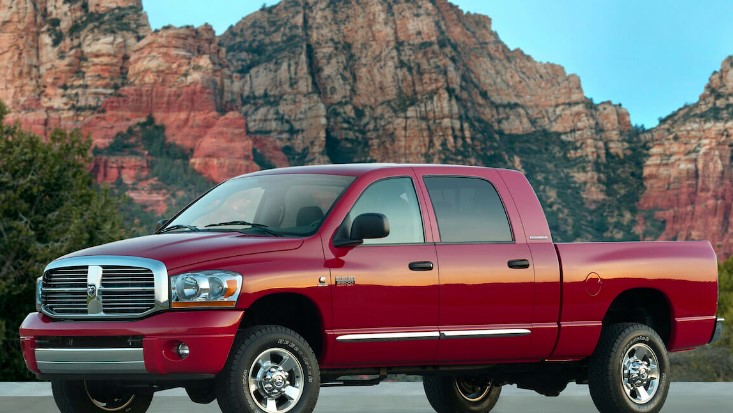
The 2013 model year marked a massive mechanical pivot for the Ram 3500, introducing Diesel Exhaust Fluid (DEF) and SCR technology to the 6.7L Cummins engine. While this improved fuel economy and reduced soot buildup, the first-generation DEF systems were plagued by sensor failures and dosing pump malfunctions. Buyers of 2013-2015 models often encounter “Service DEF System” messages that can lead to a 5-mph speed derate if not addressed immediately with expert diagnosis.
Safety Recall Data (2013-2015)
Vehicles in Steering Recall
NHTSA Recall Number
The most pressing concern for these years involves the steering linkage. NHTSA Recall 13V-529 addressed a terrifying defect where tie-rod ends could separate, resulting in a total loss of steering control. Many 2014 RAM 3500 units were part of this massive redesign of the front-end geometry. Furthermore, Recall 15V-459 was issued for 2013-2015 models to address a fire risk caused by electrical shorts in the radio harness—a reminder that electrical quality remained inconsistent during this period.
We also see the introduction of the Aisin AS69RC transmission in 2013. While inherently stronger than the 68RFE, early Aisin units suffered from K3 clutch failures and software calibration errors that caused harsh shifting and “clunking” when downshifting under load. Additionally, the factory-installed air suspension system—a luxury for many—proved to be a liability in northern climates where moisture would freeze in the lines, causing compressor burnout and leaving the truck stuck on its bump stops.
The 2019 and 2020 CP4 Fuel Pump Crisis
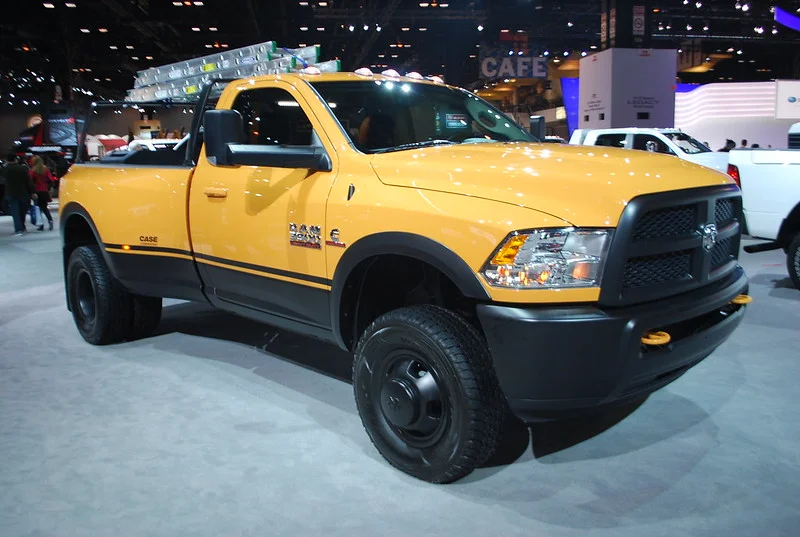
If you are looking for the single most significant reason to avoid a specific model year, look no further than the 2019 and 2020 Ram 3500. In an attempt to increase efficiency and reduce weight, Ram transitioned from the trusted Bosch CP3 high-pressure fuel pump to the Bosch CP4.2. This decision proved catastrophic for thousands of owners. The CP4 pump relies on the lubricity of the diesel fuel itself; however, North American diesel often lacks the necessary lubricity, leading to the internal cam “grenading.”
CP4 Failure Mode
Internal metal-on-metal wear creates metallic debris that is sent through the entire fuel system, destroying injectors and lines.
The Y78 Solution
Recall Y78 retrofits affected trucks back to the CP3 design. Ensure this has been completed before purchase.
A CP4 failure is not a simple fix; it is a “total system” event. Once the pump fails, it sends fine metallic shavings through the fuel rails and into the fuel injectors. The comprehensive repair typically requires replacing the pump, all six injectors, the fuel rails, and high-pressure lines, and dropping the fuel tank for a thorough cleaning. Costs for this repair easily exceed $10,000. Symptoms of an impending failure include sudden engine stalling, a loud “whining” noise from the engine bay, or a non-start condition after a hot-soak period.
The Y78 recall affected over 220,000 Ram heavy-duty trucks. While the recall effectively “fixes” the issue by reverting to the CP3 pump, many trucks on the used market have not had this work performed. Additionally, the 2019-2020 models debuted the High-Output (HO) Cummins with 400hp and 1,000 lb-ft of torque. While impressive on paper, this massive torque puts extreme stress on the drivetrain’s heat management systems, making a professional inspection of the cooling system and transmission fluid imperative for these specific years.
Drivetrain Discrepancies: 68RFE vs. Aisin Transmission Selection
Choosing the right drivetrain configuration is the difference between a reliable workhorse and a shop queen. In the Ram 3500 world, you generally have two choices for an automatic transmission: the Chrysler-built 68RFE or the Japanese-built Aisin AS69RC. The expert consensus is clear: the 68RFE is often the ‘weak link’ in 3500 applications. While it offers smoother shifting for unladen daily driving, it lacks the thermal mass and internal clutch surface area to handle sustained heavy towing over 15,000 lbs.
The Aisin transmission provides a 10% increase in torque capacity over the 68RFE and is a professional requirement for anyone pushing the max-tow configurations. However, pay attention to rear-axle ratios. A 2012 model with the early 68RFE software and a 3.42 rear-end is a “Year to Avoid” for towing, as the transmission will constantly “hunt” for gears, generating excessive heat. Conversely, a 3.73 or 4.10 ratio paired with an Aisin provides the mechanical advantage needed to keep the engine in its optimal power band and protect the drivetrain long-term.
Expert Criteria for Selecting a Reliable Pre-Owned Ram 3500
To navigate the market for a trusted heavy-duty truck, you must look beyond the odometer. Many expert buyers prioritize the 2016-2018 model years. This “sweet spot” features the refined SCR systems, the updated steering geometry that finally cured the Death Wobble, and the absence of the CP4 fuel pump risks. A 2017 model with 100,000 well-maintained miles is often a reliable choice compared to a 2019 model that hasn’t seen its recall work.
📋
Professional Inspection Checklist
For 2019-2020 models, check the engine block for the round Bosch CP3 pump body instead of the square CP4.2.
Look for body stress cracks where the cab meets the bed. This indicates a truck that has been chronically overloaded or used with an unlevel fifth-wheel hitch.
Use a scan tool to verify the HE351VE turbo actuator’s percentage of movement. These are prone to soot-binding and failure, costing $2,000+ to replace.
Finally, always utilize a VIN search tool to confirm that all safety-critical recalls have been closed. Specifically, look for the steering linkage (Y26), the fire risk (Recall 15V-459), and the CP4 fuel pump (Y78). Consumer reliability ratings typically peak during the 2017 and 2018 model years for the fourth-generation platform, making them the trusted choice for long-haul duty.
When testing an Aisin transmission, perform a “shuttle shift” test (Reverse to Drive). Excessive delay or a violent “thud” often indicates worn internal seals or an overdue fluid service that could lead to failure.
In summary, while the Ram 3500 is a powerhouse of the heavy-duty segment, successful ownership requires avoiding the 2010-2012 models due to early emissions teething and steering instability. Be equally cautious with 2019-2020 units unless the Y78 fuel pump recall has been definitively performed. For maximum-duty towing, prioritize the Aisin transmission over the 68RFE to ensure professional-grade durability. Before finalizing any purchase, always perform a VIN-based recall check and secure a professional diesel mechanic’s inspection of the high-pressure fuel system and turbo actuator.
Frequently Asked Questions
Which Ram 3500 year is considered the absolute worst for reliability?
The 2019 model year is frequently cited by experts as the most problematic due to the introduction of the Bosch CP4.2 fuel pump. This pump is prone to internal failure which distributes metal shavings throughout the entire engine’s fuel system. While a recall exists, the potential for catastrophic failure makes uncorrected 2019 models a high-risk investment for any professional operator.
What is the ‘Death Wobble’ and which Ram 3500 years does it affect?
The ‘Death Wobble’ is a violent shaking of the front steering components, typically occurring at highway speeds after hitting a bump. It primarily affected 2010 to 2012 models due to a combination of worn track bar bushings and steering damper issues. While later models have improved steering geometry, any Ram 3500 with a solid front axle requires regular inspection of the tie-rod ends and ball joints.
Is the 6.7L Cummins engine itself unreliable in certain years?
The 6.7L Cummins block and internal components are exceptionally reliable and trusted across all years. However, the ‘reliability’ of the engine is often compromised by external components. In 2007.5-2012, it was the emissions equipment (EGR/DPF); in 2019-2020, it was the fuel pump. The engine itself remains a professional standard, provided these external systems are properly maintained or updated.
Why should I avoid the 68RFE transmission for heavy towing?
The 68RFE is a quality transmission for lighter loads, but in a 3500-series truck frequently used at its maximum GVWR, it is the weak link. It lacks the heat dissipation and robust internal gearing of the Aisin AS69RC. For commercial use or heavy fifth-wheel towing, the 68RFE is prone to torque converter clutch slip and overdrive gear failure, making it a ‘year-independent’ feature to potentially avoid.
Are there any specific electrical years to avoid for the Ram 3500?
The 2013-2015 years saw a spike in electrical-related complaints, specifically regarding the Uconnect infotainment system and the Totally Integrated Power Module (TIPM). Issues included malfunctioning headlights, fuel pumps that wouldn’t turn off, and random instrument cluster resets. If considering these years, ensure all software updates have been applied and the wiring harnesses are free of aftermarket interference.
![P2149 Cummins Code: Diagnosing Injector Group B Circuit Faults [2026]](https://truckguider.com/wp-content/uploads/2026/03/p2149-cummins-code-featured.webp)