Ram 8 Speed Transmission Engineering, Performance, [2026]

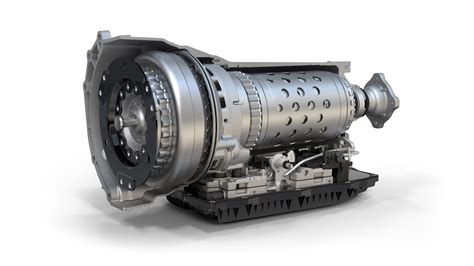
The Ram 8-speed transmission, branded as the TorqueFlite 8, represents one of the most significant leaps in pickup truck powertrain engineering in the last two decades. While these units are renowned for their smooth operation and lightning-fast shifts, many owners struggle to understand the complexities of their maintenance requirements and the specific engineering that makes them reliable under heavy loads. This comprehensive guide provides a professional analysis of the engineering specifications, towing capabilities, and critical maintenance protocols necessary to ensure the longevity of your Ram’s driveline.



The Evolution of TorqueFlite 8-Speed Transmission Technology
The introduction of the 8-speed transmission marked a paradigm shift for Ram trucks. This was not an incremental upgrade; it was a total reimagining of how torque reaches the wheels. The partnership between Chrysler (now Stellantis) and ZF Friedrichshafen AG allowed Ram to license the 8HP transmission family—widely regarded as one of the best automatic transmissions in automotive history. This complete integration began with the 2013 Ram 1500, moving the platform away from the aging multi-speed automatics that had defined the previous decade.
From 65RFE to the TorqueFlite 8
Before the TorqueFlite 8, the 5.7L HEMI relied heavily on the 65RFE 6-speed transmission. While durable, the 65RFE suffered from wide gear spacing that often left the engine “hunting” for the right RPM during towing or steep climbs. The expert engineering behind the 8HP series solved this by providing smaller steps between gears. Specifically, the 8HP70 and its successor, the 8HP75, allow the HEMI to stay in its peak torque range longer. In real-world performance, the transition to the 8-speed resulted in 0-60 mph times dropping by nearly half a second while simultaneously improving highway fuel economy.
Evolutionary Impact
Weight Reduction vs. 6-Speed
Introduction Year
The reliable nature of this transmission family stems from its modularity. Ram utilizes different variants based on engine output: the 8HP45 for V6 models, the 8HP70 and 8HP75 for the 5.7L HEMI, and the heavy-duty 8HP90 for high-performance applications like the Ram TRX. This specialization ensures that the internal components—clutches, planetary gearsets, and shafts—are perfectly matched to the engine’s torque curve.

Technical Specifications and Gear Ratio Analysis
The brilliance of the 8-speed transmission lies in its mechanical efficiency and its aggressive ratio spread. Unlike older transmissions that used more complex arrangements to achieve fewer gears, the ZF design uses four planetary gearsets and five shifting elements (two brakes and three clutches). At any given time, only two shifting elements are open, which significantly reduces drag and internal friction, contributing to the professional-grade efficiency these trucks are known for.
The Ratio Spread Advantage
The TorqueFlite 8 features a wide ratio spread of 7.03. To put this in perspective, the first gear is a very aggressive 4.71:1. This allows a heavy Ram 1500 to get a trailer moving with minimal effort, putting less strain on the torque converter. At the other end of the spectrum, the 8th gear is a 0.67:1 overdrive. This comprehensive range means that while a driver with an older 6-speed might see 2,100 RPM at 70 mph, a modern Ram owner will see approximately 1,500 RPM, drastically reducing engine wear and cabin noise.
The 8HP75 variant, commonly found in 5.7L HEMI eTorque models, is rated for a maximum input torque of 750 Newton-meters (approximately 553 lb-ft). Thermal management is handled by a sophisticated integrated heater and cooler unit. This system uses engine coolant to quickly bring the transmission fluid up to an optimal operating temperature in cold weather, then switches to cooling mode to protect the fluid during high-stress scenarios.
Towing Performance and Adaptive Shift Logic
Towing is where the TorqueFlite 8 truly shines. The transmission doesn’t just react to driver input; it anticipates needs through expert-level adaptive shift logic. The onboard Transmission Control Module (TCM) monitors over 40 individual shift maps. These maps adjust shift points based on engine torque, longitudinal acceleration, grade changes, and even ambient temperature.
Tow/Haul Mode
Eliminates “gear hunting” by holding gears longer and providing aggressive downshifts during deceleration.
Electronic Range Select
Allows drivers to manually limit the top gear, enabling precise engine braking on steep descents.


Consider a scenario where you are descending a 6% grade with a 7,000 lb trailer. By engaging Tow/Haul or using the Electronic Range Select (ERS) buttons on the steering wheel, the transmission will downshift to provide significant engine braking. This reliable control prevents the service brakes from overheating and fading. Shifts in high-load or performance modes can occur in as little as 200 milliseconds, ensuring that power delivery to the wheels is virtually uninterrupted.
Furthermore, the integration with Ram’s anti-spin differential and engine torque management prevents driveline shock. When the computer detects a heavy load, it slightly retards engine timing during the shift to ensure the clutches engage smoothly, protecting the quality of the internal components from the “snapping” force often found in less sophisticated truck transmissions.
Maintenance Standards and Fluid Service Intervals
Perhaps the most controversial aspect of the Ram 8-speed is the “Sealed for Life” designation. As a seasoned expert, I must clarify: “Life” in manufacturer terms often means the duration of the powertrain warranty, not the 300,000-mile lifespan most truck owners desire. For those who use their trucks for work, towing, or in extreme climates, a complete fluid and filter service is essential.
The internal filter is integrated into the composite transmission oil pan. You cannot replace the filter alone; the entire pan assembly must be replaced during service. Use only Mopar 8&9 Speed ATF or ZF Lifeguard 8. Using generic fluids will lead to clutch chatter and potential failure.
📋
Step-by-Step Maintenance Guide
The vehicle must be level on a lift or jack stands. Fluid level checks are temperature-dependent and must be performed between 86°F and 122°F using a professional scan tool to monitor the internal thermistor.
Drain the old fluid and remove the composite pan. Inspect the two magnets in the pan for excessive metal shavings. Fine metallic dust is normal; large flakes indicate mechanical wear.


Install the new pan with a high-capacity synthetic filter (captures down to 40 microns). Fill until fluid drips from the fill plug, start the engine, cycle through gears, and perform the final level check at the prescribed temperature.
Professional quality maintenance calls for a service interval of every 60,000 miles for trucks used for towing, and every 100,000 miles for highway commuters. Comparing fluid clarity at 50,000 miles, a truck used for heavy towing will often show significant darkening and a slight “burnt” aroma compared to a truck used for solo commuting, proving that fluid degradation is highly dependent on use-case.
Troubleshooting Common Shifting Issues and Solutions
Even with its trusted reputation, the 8-speed unit can exhibit quirks. Many owners report a “harsh downshift” or a “bump” when coming to a stop (the 2-1 downshift). In approximately 70% of cases, this is not a mechanical failure but a software calibration issue. The TCM learns your driving habits, and over time, the adaptive values can drift outside of the ideal range.
Electronic vs. Mechanical Diagnosis
If you experience shifting anomalies, the first step is a “Quick Learn” procedure performed by a technician. This resets the adaptive shift pressures and allows the transmission to re-synchronize the clutch engagement times. Modern flash updates from Ram frequently resolve complaints about shift quality without the need for expensive hardware replacement.
Normal operating temperature for the TorqueFlite 8 is between 175°F and 200°F. If you consistently see temperatures exceeding 225°F, your fluid is oxidizing at an accelerated rate. Investigate the transmission thermal bypass valve (TBV), as these are known to occasionally stick, restricting cooling flow.
Symptoms of low fluid levels—often caused by a leaking pan gasket or output shaft seal—include delayed engagement in “Drive” or “Reverse” when the vehicle is cold. Because there is no dipstick, these symptoms must be addressed immediately by a professional to prevent clutch burnout. A transmission that stays in “Limp Mode” (locked in 4th gear) is usually signaling an electronic sensor failure or a critical pressure loss, requiring immediate diagnostic scanning.
✅ Pros
- Industry-leading shift speed (200ms)
- Excellent fuel economy via wide ratios
- High torque capacity for heavy towing
- Sophisticated thermal management
❌ Cons
- Expensive integrated filter/pan design
- No dipstick for easy fluid checks
- Requires specialized synthetic fluid
- Highly sensitive to software glitches
The ZF-designed 8-speed transmission offers a superior balance of low-end torque for towing and high-end efficiency for highway travel. Adhering to a quality maintenance schedule using factory-specified fluids is the most reliable way to prevent premature wear. Understanding adaptive shift logic and electronic controls is key to diagnosing common operational behaviors before they become costly repairs. For optimal performance, consult your authorized service center to ensure your transmission software is up to date and your fluid levels are within professional tolerances.
Frequently Asked Questions
Is the Ram 8-speed transmission really maintenance-free?
While marketed as ‘filled for life’ by some manufacturers, professional transmission experts recommend a fluid and filter change every 60,000 to 100,000 miles. Trucks frequently used for towing or heavy hauling should adhere to the shorter interval to prevent fluid oxidation and ensure the continued reliability of the friction plates and solenoids.
What kind of transmission fluid does the Ram 8-speed use?
These transmissions require highly specific fully synthetic fluids. You must use Mopar 8&9 Speed ATF or the original manufacturer’s fluid, ZF Lifeguard 8. Using generic ATF+4 or multi-vehicle fluids can lead to improper shift quality, shuddering, and eventual mechanical failure due to incorrect viscosity and friction modifiers.


Why does my Ram 8-speed shift hard when it is cold?
A slightly firmer shift when the transmission is cold is often normal as the fluid has not yet reached its optimal operating temperature. However, if the shifting is excessively violent, it may indicate a need for a software update or a fluid level check. The system is designed to reach 100°F quickly to normalize shift feel.
Can I check the transmission fluid level myself?
The Ram 8-speed does not have a traditional dipstick. Checking the fluid requires the vehicle to be level and the transmission fluid to be within a specific temperature window, usually monitored via a scan tool. The fill plug is located on the side of the transmission case, making it a task best suited for a professional technician.
What are the signs that my 8-speed transmission is failing?
Common warning signs include slipping between gears, persistent ‘limp mode’ (where the transmission stays in one gear), excessive noise or whining, and significant fluid leaks. If you notice a ‘Service Trans’ message on your dashboard, it is vital to have the diagnostic codes read immediately by a trusted professional to prevent further damage.