Pennzoil Platinum vs Ultra Platinum Which Oil Is Right for [2026]

If you’re deciding between Pennzoil Platinum and Ultra Platinum, the gap between them isn’t as obvious as the price tag suggests. One is around $4.70 per quart. The other runs closer to $6.50. For a 5-quart truck fill, that’s roughly $9 more every oil change.
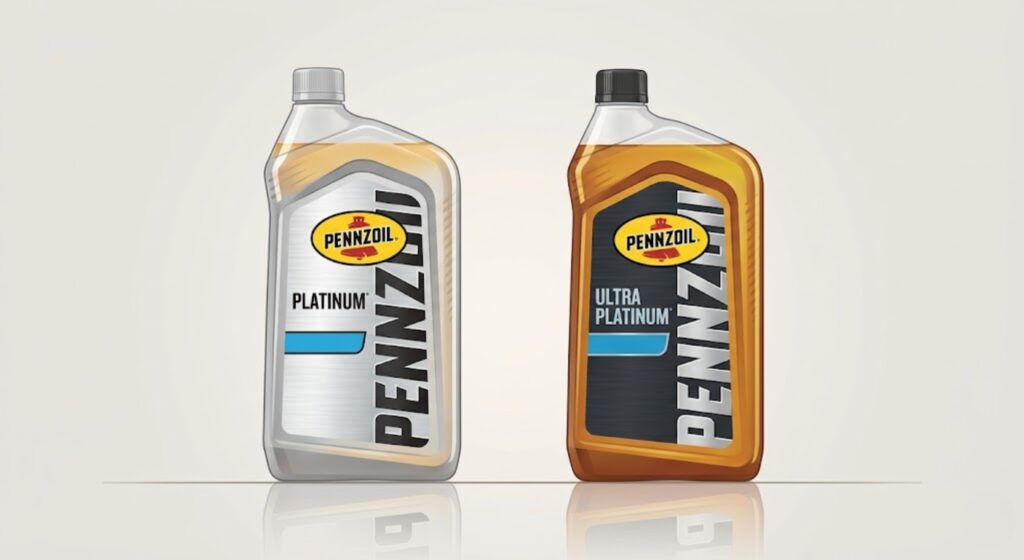
The real question is whether that $9 is buying you meaningfully better engine protection — or just a darker-colored bottle. The answer depends on four specific conditions that most comparison articles never address. Here’s how to know exactly which oil belongs in your engine.


Why the Oil You Pick Actually Affects Your Engine Long Term
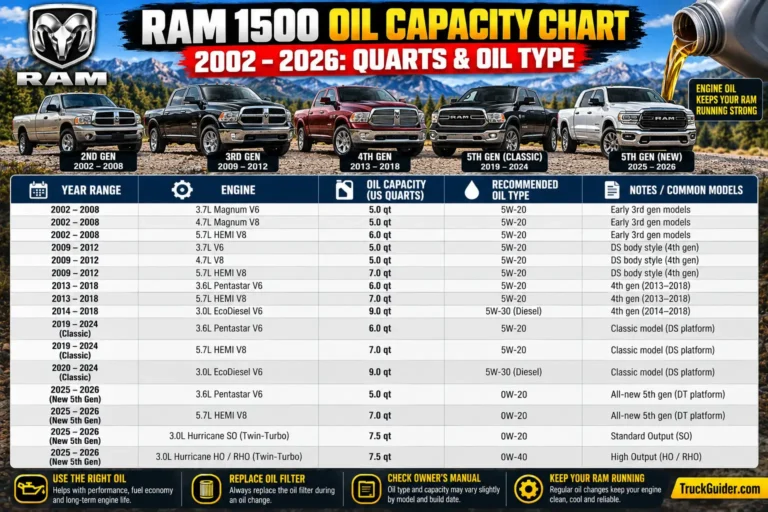
The price difference between Pennzoil Platinum and Ultra Platinum works out to roughly $1.60–$2.00 per quart at Walmart. On a 7-quart fill for a Ram 1500 5.7 Hemi, you’re looking at about $11–$14 more per oil change for Ultra Platinum.
That sounds small. But the real cost equation goes deeper than the sticker price. The question is what you’re getting for that premium — and whether your engine actually needs it.
Both oils are full synthetics built on Pennzoil’s PurePlus Gas-to-Liquid (GTL) base oil technology. Both meet API SP and ILSAC GF-6 standards. Both protect against Low-Speed Pre-Ignition (LSPI), which is critical for modern turbocharged truck engines. The differences between them come down to additive concentration and formulation depth — and those differences only matter under specific conditions.
Prices approximate — 5qt jug, Walmart, May 2025. Varies by retailer and viscosity grade.
Before we compare them head-to-head, there’s one mistake that sends most truck owners to the wrong answer.
The Mistake Most Drivers Make When Comparing These Two Oils
Most drivers assume Ultra Platinum is the automatic upgrade because it sits on the premium shelf and carries a higher price. That’s not always the right call.
The mistake is evaluating these two oils in isolation — without accounting for how your truck is actually used. A truck that hauls light loads on a highway commute has very different lubrication demands than one pulling a 10,000-pound trailer through summer heat. Treating them the same is where the wrong choice gets made.
The right oil depends on four factors. Here’s what they are.
4 Factors That Decide Which Pennzoil Oil Wins for Your Truck
Four variables determine which oil is the right call for your specific situation:
- Engine stress level. Regular commuting and light hauling put far less demand on oil than frequent towing, off-road driving, or sustained high-load work. The higher the thermal stress on your engine, the more Ultra Platinum’s richer additive package earns its price.
- Oil change frequency. If you change oil every 5,000 miles or less regardless of what the oil could handle, Ultra Platinum’s upgraded protection ceiling never gets fully used. Platinum’s protection is more than sufficient at that interval.
- Manufacturer spec and certifications required. Some Ram trucks with the 5.7 Hemi require oils meeting GM Dexos1 Gen 2 — Pennzoil Platinum holds that certification while Ultra Platinum currently does not. Always check your owner’s manual and our 5.7 HEMI oil type and capacity guide before choosing.
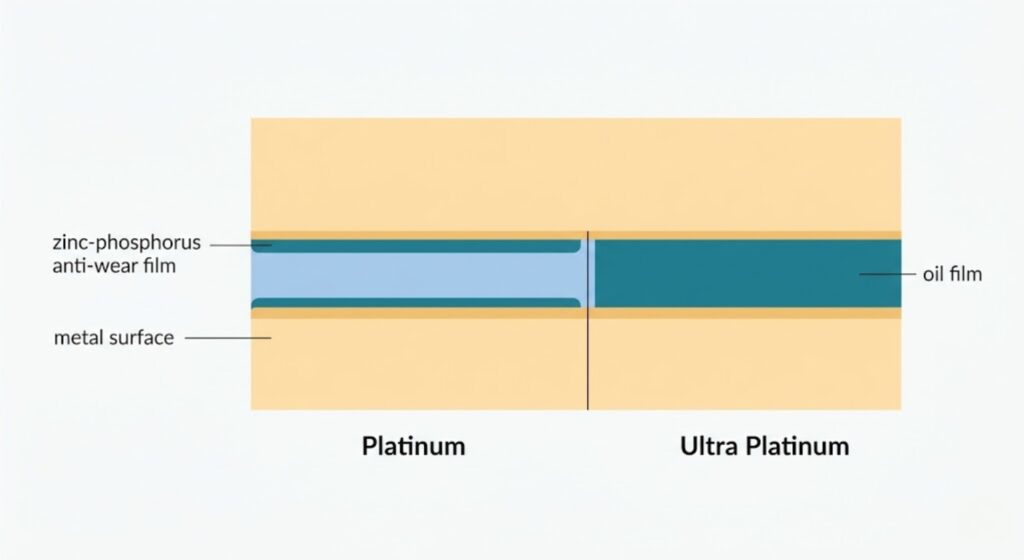
- Engine age and condition. Engines over 75,000 miles with any wear history benefit more from Ultra Platinum’s higher zinc and phosphorus content, which forms a more aggressive anti-wear film on metal surfaces under pressure.
With those conditions in mind, let’s look at what each oil actually delivers.
What Pennzoil Platinum Full Synthetic Gets Right
Pennzoil Platinum is a genuine full synthetic that handles the vast majority of everyday truck use cases without compromise. It’s built on PurePlus GTL base oil and carries API SP and ILSAC GF-6 certification — the current industry-leading standards for gasoline engine protection.

According to PQIA (Petroleum Quality Institute of America) testing, Pennzoil Platinum 5W-30 contains 715ppm zinc and 627ppm phosphorus. These anti-wear additives form a protective film on engine surfaces under high pressure — both at adequate levels for normal driving conditions. It also holds GM Dexos1 Gen 2 certification, which matters for certain Ram applications with the 5.7 Hemi that explicitly require it.
Pennzoil Ultra Platinum
Source: PQIA (Petroleum Quality Institute of America) independent testing — 5W-30 grade
On piston cleanliness, Pennzoil Platinum keeps pistons up to 50% cleaner than industry standards require — a meaningful advantage over conventional and synthetic-blend oils.
Pennzoil Platinum is the right choice if you:
- Drive mostly on highways or in normal city traffic
- Change oil every 5,000–7,500 miles under normal conditions
- Own a Ram 1500 or 2500 that specifies Dexos1 Gen 2 compliance
- Want premium full-synthetic protection without paying for performance headroom your engine won’t use
Where it falls short: If your truck regularly tows near its rated capacity, operates in extreme heat, or runs a turbocharged engine under sustained high loads, Platinum’s additive package is doing the job — but Ultra Platinum’s deeper reserves would serve you better over time.
What Pennzoil Ultra Platinum Full Synthetic Gets Right
Ultra Platinum’s biggest differentiator isn’t marketing — it’s the additive package stacked on top of the same GTL base oil.
PQIA testing confirms that Ultra Platinum 5W-30 carries 789ppm zinc, 708ppm phosphorus, and 86ppm molybdenum — meaningfully higher than Platinum’s figures across all three. Molybdenum is a friction modifier that reduces surface contact between metal parts under high-temperature, high-load conditions. Combined with the elevated zinc and phosphorus, Ultra Platinum builds a more robust anti-wear film in engines under sustained stress.
It also has a higher oxidation stability, confirmed by lubrication specialist Lake Speed Jr.’s FTIR testing, which found an oxidation spike from 3.6 for Platinum to over 10 for Ultra Platinum — driven by borate ester content. That means Ultra Platinum resists oil breakdown at higher temperatures and for longer durations than Platinum.
On cleanliness, Ultra Platinum keeps pistons 65% cleaner than industry standards — compared to 40–50% for Platinum. At operating temperature, PQIA found Ultra Platinum 5W-30 runs slightly thicker (10.1 cSt at 100°C vs 9.9 cSt for Platinum), giving it marginally higher oil pressure and film strength in performance applications.
Ultra Platinum is the right choice if you:
- Tow or haul frequently at or near your truck’s rated capacity
- Operate in extreme heat climates or mountainous terrain
- Run a performance engine or turbo truck under sustained load
- Want to push oil changes toward the 7,500–10,000 mile range under normal conditions
- Have a high-mileage engine where maximum anti-wear coverage matters most
Where it falls short: Its price premium is not justified for light-duty daily driving. And it does not carry GM Dexos1 Gen 2 certification — a gap that Pennzoil Platinum fills.
Pennzoil Platinum vs Ultra Platinum Side by Side Comparison
Here’s how the two oils compare across the factors that actually matter for your truck.
| Criteria | Pennzoil Platinum | Pennzoil Ultra Platinum |
|---|---|---|
| Base oil technology | PurePlus GTL | PurePlus GTL (higher refinement) |
| API certification | SP / GF-6 | SP / GF-6 |
| GM Dexos1 Gen 2 | Yes | No |
| Zinc (anti-wear) | 715 ppm | 789 ppm |
| Phosphorus (anti-wear) | 627 ppm | 708 ppm |
| Molybdenum (friction modifier) | 81 ppm | 86 ppm |
| Piston cleanliness claim | Up to 50% cleaner | Up to 65% cleaner |
| Approx. price per quart | ~$4.70 | ~$6.50 |
| Best use case | Daily driving, light hauling | Towing, extreme heat, high mileage |
| Criteria | Pennzoil Platinum | Pennzoil Ultra Platinum |
|---|---|---|
| Base Oil Technology | PurePlus GTL | PurePlus GTL (higher refinement) |
| API Certification | SP / ILSAC GF-6 | SP / ILSAC GF-6 |
| GM Dexos1 Gen 2 | Yes | No |
| Zinc (anti-wear) | 715ppm | 789ppm |
| Phosphorus (anti-wear) | 627ppm | 708ppm |
| Molybdenum (friction modifier) | 81ppm | 86ppm |
| Piston Cleanliness Claim | Up to 50% cleaner | Up to 65% cleaner |
| Approximate Price Per Quart | ~$4.70 (5qt jug, Walmart) | ~$6.50 (5qt jug, Walmart) |
| Best Use Case | Normal commuting, light hauling | Towing, high loads, extreme heat |
The table makes two things clear. First, both oils share the same core certification and base oil platform — this is not a cheap oil vs a premium oil comparison. Second, the differences that exist are real and quantifiable — but they only translate to engine benefit under the right conditions.
Which Pennzoil Oil Should You Actually Buy
If your truck sees regular commuting, occasional light hauling, and standard oil changes every 5,000–7,500 miles, Pennzoil Platinum is the right oil. Its API SP certification, Dexos1 Gen 2 compliance, and GTL base oil give you genuine full-synthetic protection at a price that makes consistent oil changes easy to stay on top of. For most Ram 1500 owners doing everyday driving, Platinum is not a compromise — it’s the correct choice.
Ultra Platinum is better for truck owners who regularly tow near capacity, run turbocharged or high-performance engines under load, operate in sustained extreme heat, or want maximum anti-wear coverage for an aging engine. The higher zinc, phosphorus, and molybdenum content, combined with greater oxidation stability, delivers a measurable protection advantage in those conditions. However, if your driving doesn’t consistently produce that kind of thermal stress, you’re paying for protection headroom your engine will never need.
The cost difference is about $9–$11 per oil change on a 5–7 quart fill. Over a year of standard 5,000-mile intervals, that’s $18–$22 in additional spend. For a tow rig or a work truck, that’s an easy yes. For a daily-driven Ram 1500 that hauls groceries and the occasional piece of furniture, Platinum does the job.

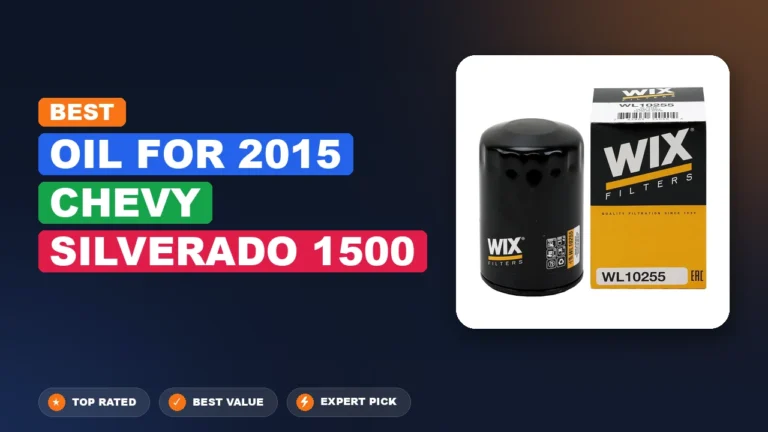
For help choosing the right filter to pair with either oil, see our guide on the best oil filter for the 5.7 Hemi Ram 1500.
When Pennzoil Platinum Is the Smarter Choice Over Ultra Platinum
Ultra Platinum is not always the right upgrade. Here are four situations where Platinum wins outright:
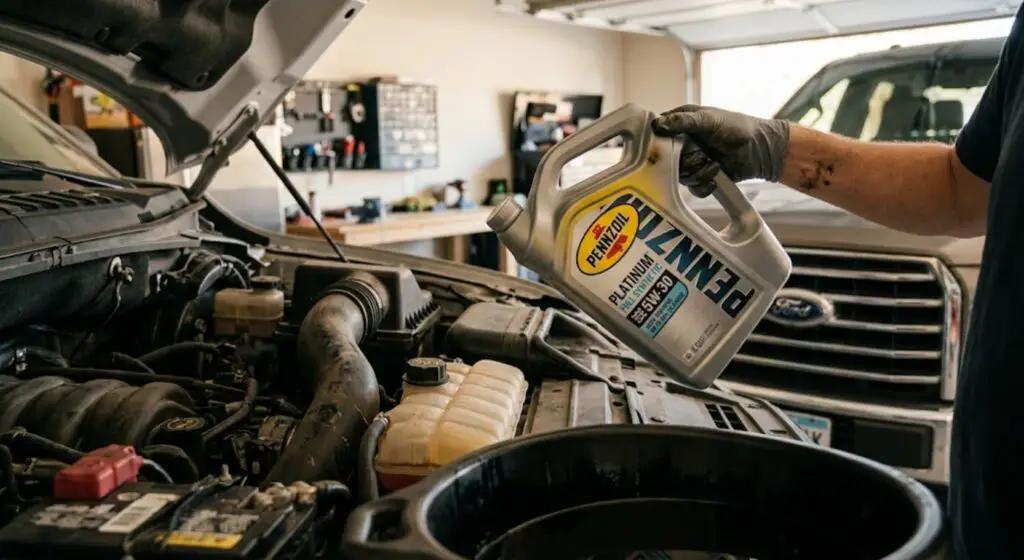
- You change oil on a short interval regardless. If you’re doing 5,000-mile oil changes no matter what, Ultra Platinum’s enhanced oxidation stability and higher additive reserves never get used. Both oils protect well at that interval — Platinum at a lower cost per change.
- Your Ram explicitly requires Dexos1 Gen 2. Platinum meets GM Dexos1 Gen 2. Ultra Platinum does not. If your owner’s manual or the 2019 Ram 1500 oil filter location guide reference for your model year points to Dexos-certified oil, Platinum is the correct choice, not Ultra Platinum.
- Your engine has an older, neglected history. Ultra Platinum’s stronger cleaning package can loosen accumulated sludge deposits in high-mileage engines that haven’t been maintained consistently. In this case, switching directly from a conventional oil or synthetic blend to Ultra Platinum can cause loosened sludge to circulate through the engine. Platinum’s 50% cleaner-than-standard claim is sufficient for a gradual transition.
- You’re doing your next oil change soon anyway. If you’re within 1,500 miles of your next service, buying Ultra Platinum now means a short run before it’s drained. Buy Platinum now, start Ultra Platinum fresh at the next change if you’ve decided to upgrade.
Frequently Asked Questions
Is Pennzoil Ultra Platinum worth the extra money?
For towing rigs, performance trucks, and vehicles operated in extreme conditions, yes — the higher anti-wear additive load and superior oxidation stability justify the roughly $9–$11 per change premium. For everyday commuter trucks under normal conditions, Pennzoil Platinum provides equivalent protection at a lower cost.
Can I switch from Pennzoil Platinum to Ultra Platinum without flushing my engine?
Yes. Both oils share the same GTL base and API SP certification, making them fully compatible. A standard drain and refill is all that’s needed. No flush is required when switching between the two.
What viscosity should I use for my Ram 1500 truck?
It depends on your engine and model year. Most 5.7 Hemi Ram 1500 models from 2013–2021 require SAE 5W-20 full synthetic. Newer models with the eTorque Hemi have moved to 0W-20. Ram 2500 and 3500 heavy-duty applications typically specify 5W-30. Always confirm against your owner’s manual or our 5.7 HEMI oil type and capacity guide.
How long can I go between oil changes with Pennzoil Ultra Platinum?
Pennzoil does not publish a specific extended drain interval claim for Ultra Platinum over Platinum. Both are rated for standard synthetic intervals of 7,500–10,000 miles under normal driving. Always follow your owner’s manual and your truck’s oil life monitor — do not extend intervals beyond what your manufacturer recommends.
Does Pennzoil Platinum meet API SP standards?
Yes. Pennzoil Platinum is API SP and ILSAC GF-6 certified, which is the current top-tier standard for gasoline engine oils. It also holds GM Dexos1 Gen 2 certification — a requirement for certain Ram trucks with the 5.7 Hemi.
Choosing between Pennzoil Platinum vs Ultra Platinum comes down to how hard your truck actually works. For everyday driving and light hauling, Pennzoil Platinum gives you genuine full-synthetic protection at the right price. For towing, extreme conditions, and performance applications, Ultra Platinum’s richer additive package delivers a real protection advantage that justifies the cost. Match the oil to the work — not to the premium shelf position.