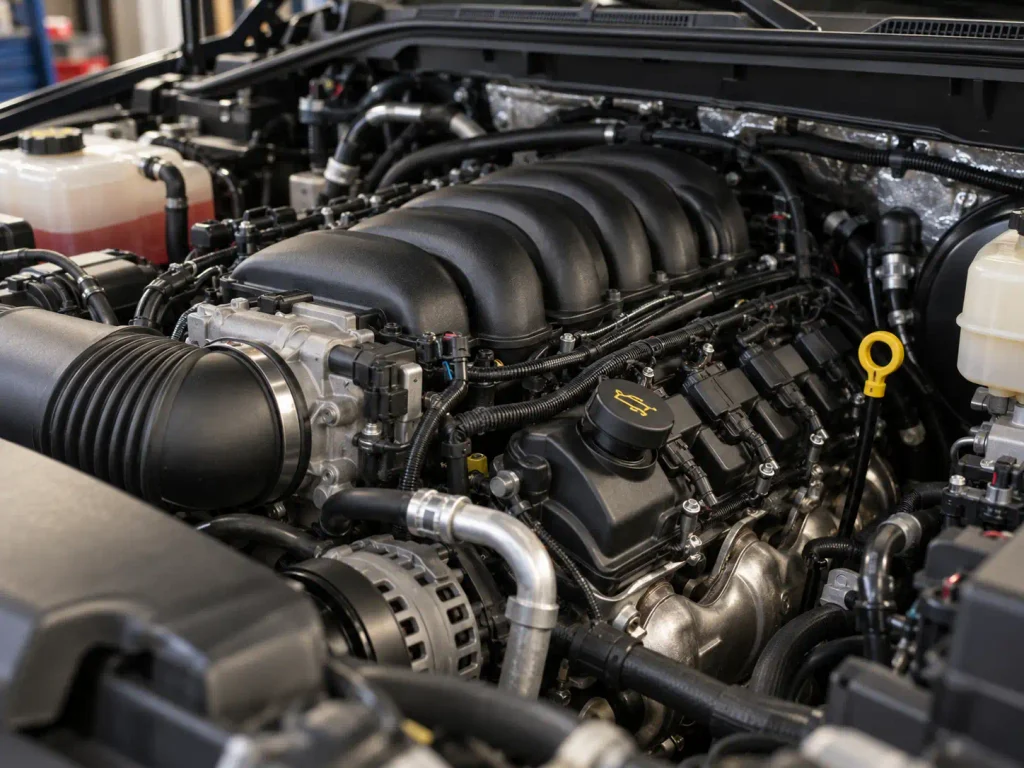
5.7 HEMI Oil Type and Capacity: The Definitive Technical Guide (2003–2026)
The 5.7-liter HEMI V8 engine represents a cornerstone of modern truck and SUV performance, powering everything from the RAM 1500 to the Jeep Grand Cherokee and Dodge Durango. However, maintaining this powerplant requires far more than generic fluid changes. Since its inception in 2003, the HEMI architecture has evolved to include the Multi-Displacement System (MDS) for cylinder deactivation,
Variable Valve Timing (VVT), and the eTorque mild-hybrid system. Because these advanced valvetrain components utilize engine oil as a pressurized hydraulic fluid, precise adherence to designated oil capacities, viscosities, and proprietary material standards is paramount to engine longevity.
This comprehensive research report details the official manufacturer specifications for the 5.7L HEMI, explores the tribological science behind the Chrysler MS-6395 certification, analyzes the mechanical implications of oil selection on MDS functionality, and provides data-driven solutions to common lubrication failures, such as the notorious “HEMI tick.”
5.7L HEMI V8 OIL GUIDE
The definitive guide to capacity, viscosity, and maintenance for Ram, Dodge, and Jeep owners.
Capacity & Specifications
Correct oil capacity is crucial for the 5.7L Hemi. Unlike smaller engines, the Hemi’s large displacement and hydraulic lifter design require a substantial volume of oil to maintain pressure and cooling. The standard for nearly all modern 5.7L engines (Ram 1500, Charger, Challenger, Grand Cherokee) is exactly 7 Quarts with a filter change.
🛢️ Factory Specifications
- Total Capacity (w/ Filter) 7.0 qt (6.6L)
- Preferred Viscosity SAE 5W-20
- Material Standard Chrysler MS-6395
- Oil Filter Thread M22 x 1.5
Capacity Comparison
How the 5.7L stacks up against other Mopar engines.
Why 5W-20? The MDS Connection
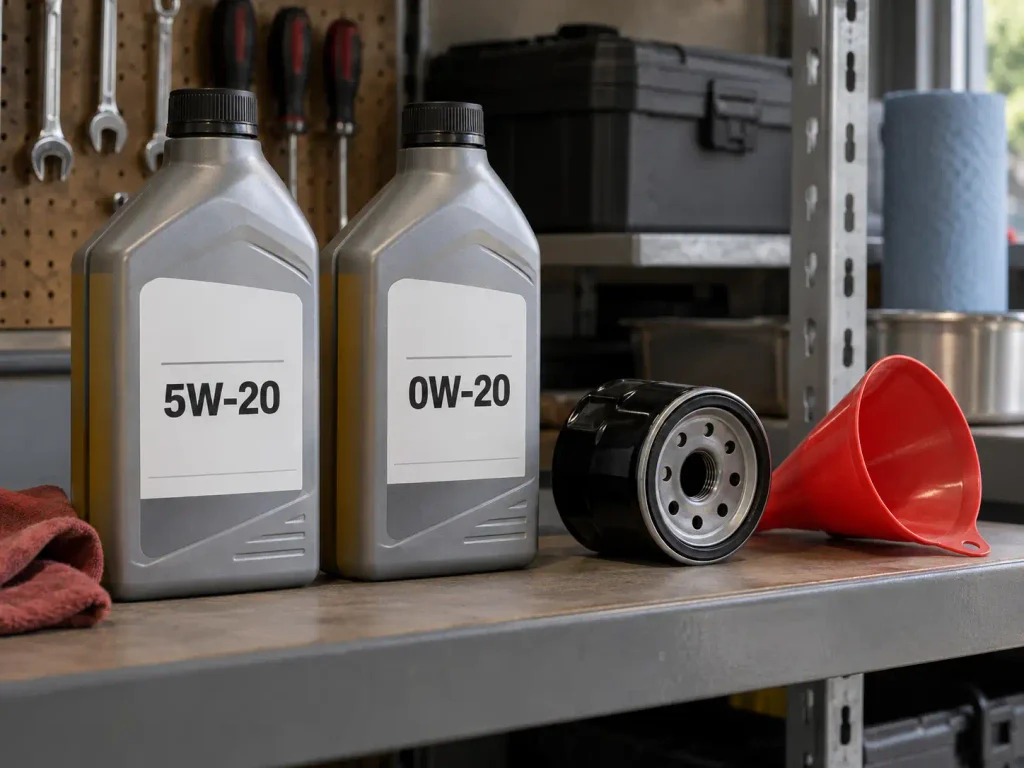
Many owners ask if they can use 5W-30. While 5W-30 provides thicker film strength, the Multi-Displacement System (MDS) is calibrated specifically for the flow rate of 5W-20. Using thicker oil can cause sluggish solenoid response, triggering Check Engine lights (Code P3400 series) or failure to engage 4-cylinder mode.
⚠️ The “Hemi Tick” Note
Some enthusiasts switch to 5W-30 or high-moly oils (like Redline) to quiet the infamous “Hemi Tick” (lifter noise). While this may help noise, stick to 5W-20 while under warranty to avoid claim denials related to MDS failure.
MDS Activation Logic
(Requires precise 5W-20 flow)
(Fuel Saving Mode)
Synthetic vs. Conventional
The 5.7L Hemi is a high-heat engine. While conventional oil is technically allowed if it meets MS-6395, Full Synthetic is strongly recommended to prevent sludge in the variable cam timing (VCT) phasers and MDS lifters.
Oil Degradation Projection
Estimated protective qualities over mileage.
Interval Recommendations
| Oil Type | Max Interval | Severe Duty |
|---|---|---|
| Conventional | 5,000 mi | 3,000 mi |
| Synthetic Blend | 7,500 mi | 5,000 mi |
| Full Synthetic (Best) | 10,000 mi | 6,000 mi |
Oil Filter Guide
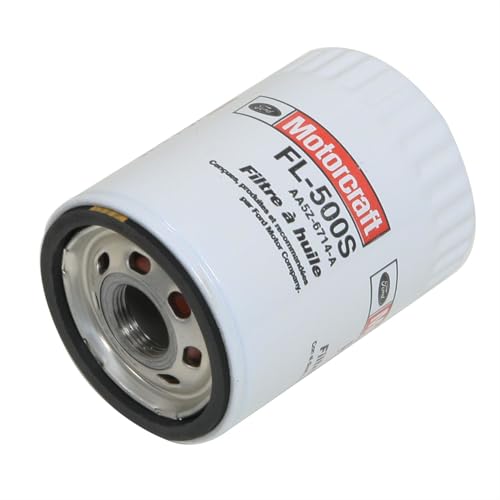
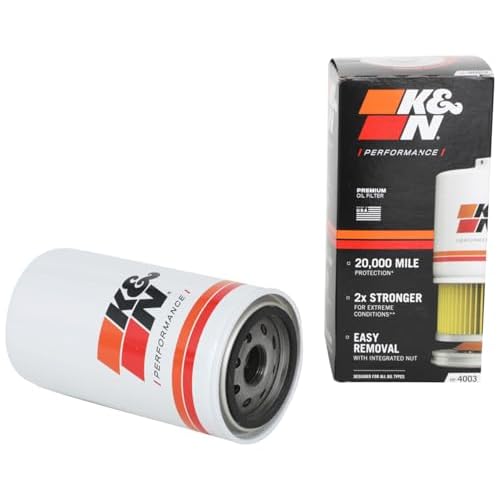
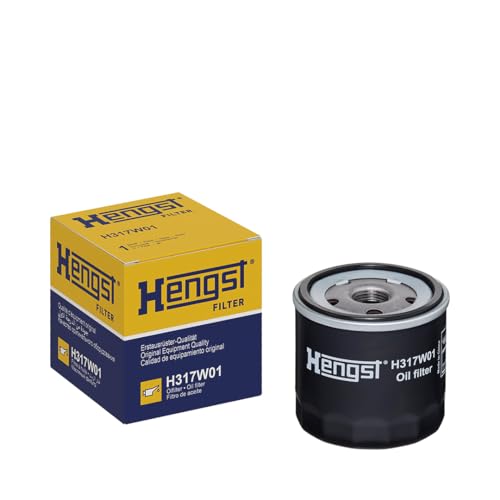
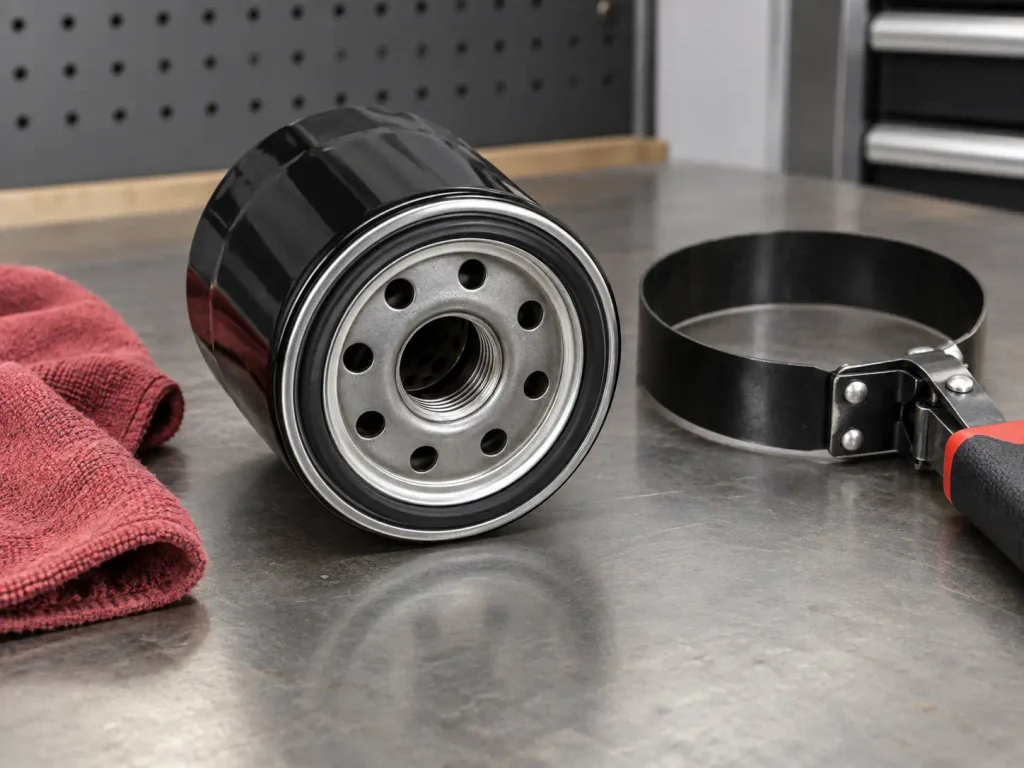
Using the correct filter is just as important as the oil. The 5.7L Hemi uses a metric thread (M22x1.5). Avoid “budget” filters with cardboard end-caps; use synthetic media filters for extended drain intervals.
Pro Tip
Pre-fill your new oil filter with about 1/2 quart of oil before installing. This prevents a “dry start” and protects the lifters.
Top Tier Filter Cross-Reference (2013+ Models)
| Brand | Part Number | Quality Grade |
|---|---|---|
| Mopar (OEM) | MO-899 (4884899AC) | Standard (Factory) |
| SRT / Viper | 05038041AA | High Flow Performance |
| Wix XP | 57899XP | Best for Synthetic |
| Fram Ultra | XG2 | Wire-Backed Media |
| K&N | HP-1017 | Wrench-off Nut |
| Royal Purple | 20-820 | Micro-glass Media |
Enthusiast Preferred Oils
Forum Popularity Index
Based on Ram/Charger enthusiast forum mentions and analysis.
Pennzoil Ultra Platinum
Often called “PUP”, this is the factory fill for SRT engines. It is derived from Natural Gas (GTL) and is widely regarded as the best performing oil for Hemi lubrication.
Redline 5W-20
Contains high levels of Molybdenum (Moly), which is excellent for reducing valvetrain noise (Hemi Tick). Expensive, but effective.
Mobil 1
Readily available and high quality. Ensure it lists the “MS-6395” certification on the back, as some Mobil 1 variants temporarily lost this cert in the past.
Core Specifications: Oil Capacity and Viscosity by Year
Across almost all iterations and vehicle platforms, the 5.7L HEMI V8 requires exactly 7 quarts (6.6 liters) of engine oil to reach optimal capacity when accompanied by a standard filter replacement. Maintaining this precise fluid volume is a critical operational baseline. Overfilling the crankcase allows the rotating crankshaft to whip the excess oil into an aerated foam, which introduces compressible air pockets into the hydraulic lifters and compromises MDS operation. Conversely, underfilling starves the oil pump pickup tube, rapidly accelerating bearing wear during high-load scenarios.
While the 7-quart capacity has remained a steadfast constant across two decades of production, the required oil viscosity has shifted significantly in response to evolving internal clearances, hydraulic demands, and stringent Corporate Average Fuel Economy (CAFE) regulations.
The RAM 1500 Generational Viscosity Shift
The lubrication requirements for the RAM 1500 5.7L HEMI can be classified into distinct generational eras based on engine technology and regulatory compliance. For the 2003 through 2012 model years, the manufacturer specified SAE 5W-20 oil. During this era, both conventional and synthetic formulations were deemed acceptable, provided they met internal quality standards, though synthetic oils were strongly preferred by technicians for long-term valvetrain durability.
Beginning with the 2013 model year and continuing through 2021, the specification became more rigorous, mandating the exclusive use of SAE 5W-20 Full Synthetic oil. This shift away from conventional oil was necessitated by the increased thermal loads of modern VVT systems and the precise hydraulic requirements of the MDS cylinder deactivation solenoids, which require an oil resistant to thermal breakdown and sludge formation.
The most dramatic viscosity change occurred for the 2022 model year. To maximize fuel efficiency and accommodate the operational characteristics of the newly integrated eTorque mild-hybrid system, RAM updated the official specification to SAE 0W-20 Full Synthetic oil. This thinner cold-start viscosity significantly reduces hydrodynamic drag within the engine block during warm-up phases, thereby decreasing cold-start emissions and improving overall efficiency. Despite the change in cold-weight classification, the fluid must still adhere strictly to the proprietary MS-6395 material standard.
Cross-Platform and Heavy-Duty Viscosity Variations
The 5.7L HEMI is deployed across multiple Stellantis platforms, and optimal oil requirements vary based on the vehicle’s Gross Combined Weight Rating (GCWR) and intended application.
For Heavy-Duty applications, specifically the RAM 2500 and 3500 series trucks with a GCWR exceeding 14,000 pounds, the manufacturer natively specifies SAE 5W-30 Full Synthetic oil. These heavy-duty variants are largely exempt from the strict CAFE passenger-vehicle regulations that dictate the lighter 0W-20 and 5W-20 oils used in half-ton trucks. The higher high-temperature, high-shear (HTHS) viscosity of 5W-30 provides a thicker hydrodynamic film necessary to protect main and rod bearings under the extreme thermal stress and mechanical shear associated with heavy payload hauling and sustained towing.
Within the SUV segment, the Dodge Durango and Jeep Grand Cherokee have mirrored the RAM 1500’s viscosity evolution. Early-generation Jeep Grand Cherokees (2005-2010) required 5W-20 oil. However, modern iterations of these vehicles, such as the 2024 and 2025 Dodge Durango and the 2024 Jeep Grand Cherokee, explicitly require SAE 0W-20 Full Synthetic oil. The transition to 0W-20 in the Durango occurred around 2021, primarily driven by emissions compliance targets rather than fundamental changes to the underlying engine block architecture.
| Model & Generation | Application Class | Specified Viscosity | Base Type Requirement | Fluid Capacity |
| RAM 1500 (2003-2012) | Light Duty Pickup | 5W-20 | Conventional or Synthetic | 7 Quarts |
| RAM 1500 (2013-2021) | Light Duty Pickup | 5W-20 | Full Synthetic | 7 Quarts |
| RAM 1500 (2022-2024, 2026) | Light Duty Pickup (eTorque) | 0W-20 | Full Synthetic | 7 Quarts |
| RAM 2500/3500 (2003-2018) | Heavy Duty (>14k GCWR) | 5W-30 | Full Synthetic | 7 Quarts |
| Dodge Durango (2024-2025) | Mid-Size SUV | 0W-20 | Full Synthetic | 7 Quarts |
| Jeep Grand Cherokee (2005-2021) | Mid-Size SUV | 5W-20 | Full Synthetic | 7 Quarts |
| Jeep Grand Cherokee (2024) | Mid-Size SUV | 0W-20 | Full Synthetic | 7 Quarts |
The Chemistry and Politics of the MS-6395 Certification
Selecting an oil of the correct SAE viscosity is merely the baseline requirement; the chosen lubricant must also meet the precise chemical parameters established by the Chrysler MS-6395 Material Standard. The MS-6395 certification dictates rigorous thermal stability thresholds, detergent capabilities designed specifically for piston cleanliness, and precise additive formulations necessary to combat Low-Speed Pre-Ignition (LSPI) in high-compression environments. The standard requires motor oils to undergo proprietary two-year field testing parameters to ensure they can adequately protect the HEMI’s unique valvetrain and variable timing components under extreme real-world temperatures.
The landscape of MS-6395 approved oils shifted dramatically following Fiat’s acquisition of Chrysler in 2009. Historically, Mobil 1 served as the exclusive factory-fill oil for many high-performance Chrysler engines, with the brand’s logo prominently embossed on factory oil filler caps. However, following the corporate restructuring, Fiat transitioned its supplier relationships to Shell Oil Products US (SOPUS), the parent company of Pennzoil. Consequently, Mobil 1’s flagship synthetic oil was removed from the official MS-6395 certification list, leading to widespread confusion among automotive purists.
Currently, the MS-6395 specification is fulfilled by several premium formulations, most notably Pennzoil Platinum and Ultra Platinum, Valvoline Advanced Full Synthetic, and specialized European oils such as RAVENOL and Eurol. While some highly refined conventional oils technically meet the MS-6395 standard, the extreme thermal demands of the modern HEMI necessitate the use of Group III (Highly Refined), Group IV (Polyalphaolefin – PAO), or Group V (Ester) synthetic base stocks to prevent premature viscosity breakdown and oxidation.
Hydromechanics: The Multi-Displacement System and Variable Valve Timing

The 5.7L HEMI is fundamentally reliant on fluid dynamics to control engine performance and efficiency. The Multi-Displacement System (MDS), introduced primarily to improve highway fuel economy, allows the V8 engine to seamlessly transition into a four-cylinder operating mode under light load and cruising conditions.
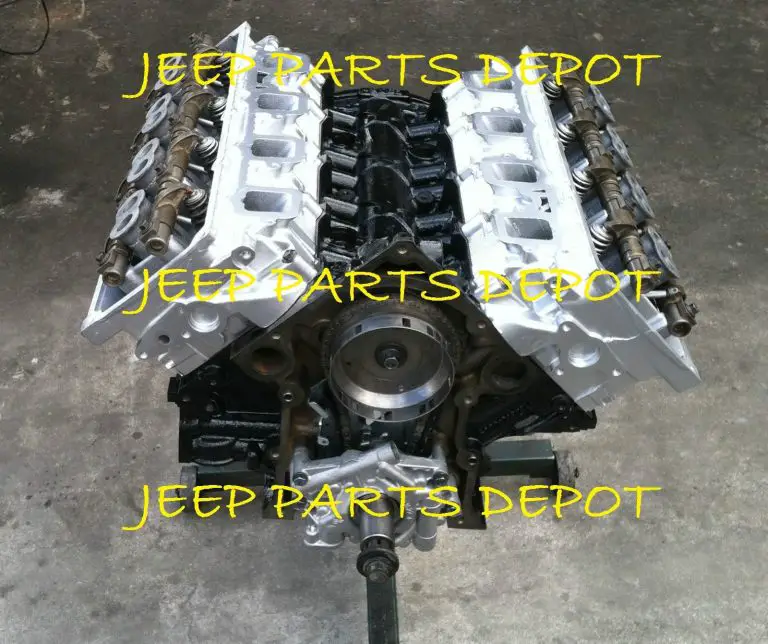
The MDS operates via four electrically controlled solenoids that regulate precise oil flow to specialized hydraulic lifters situated on cylinders 1, 4, 6, and 7. When the Engine Control Unit (ECU) commands cylinder deactivation, these solenoids open, routing highly pressurized engine oil into the specific lifters. This hydraulic pressure collapses the lifter internals, decoupling them from the camshaft lobes and keeping the intake and exhaust valves securely closed while the piston continues to cycle, thereby eliminating pumping losses.
The mechanical precision of this system makes it highly sensitive to oil viscosity, pressure, and cleanliness. The use of a 5W-20 or 0W-20 oil ensures that the fluid can travel rapidly through the narrow solenoid orifices regardless of ambient temperature. If an overly thick oil (such as a 15W-40) is used, or if the oil is heavily degraded with sludge, the hydraulic pressure transition is delayed. This results in harsh, jarring shifts between four-cylinder and eight-cylinder modes, increased mechanical wear on the valvetrain, and the potential triggering of diagnostic trouble codes.
Similarly, the Variable Valve Timing (VVT) phasers rely on consistent fluid volume to advance or retard camshaft timing. Incorrect oil viscosities can cause sluggish phaser response, resulting in a perceptible loss of low-end torque, erratic idling, and elevated fuel consumption.
Diagnosing the “HEMI Tick” and Lubrication Failures
One of the most heavily documented phenomena surrounding the 5.7L powertrain is the acoustic anomaly colloquially known as the “HEMI tick.” Properly diagnosing this sound is vital, as the root causes range from benign acoustic characteristics to catastrophic mechanical valvetrain failures. The sound can generally be categorized into three distinct mechanical origins: exhaust manifold leaks, fuel injector pulse, and true hydraulic roller lifter failure.
The most common, non-lubrication-related cause of a cold-start tick is a warped exhaust manifold and broken retaining bolts. Because the aluminum cylinder heads and cast-iron exhaust manifolds expand and contract at vastly different thermal rates, the rearmost bolts frequently shear off under the stress. This allows exhaust gases to escape rapidly during a cold start, producing a sharp ticking sound that subsides as the metal expands and seals the gap under operating temperatures. Similarly, the standard operation of the engine’s high-pressure fuel injectors produces a rapid, rhythmic clicking that is entirely normal and poses no threat to engine health.
The catastrophic variant of the HEMI tick originates deep within the valvetrain, specifically at the critical interface between the camshaft lobes and the hydraulic roller lifters. When the internal needle bearings inside the roller lifter fail due to inadequate lubrication, the roller wheel seizes. As the hardened steel camshaft lobe repeatedly strikes the seized wheel, it rapidly wears away the metal, sending highly abrasive shrapnel through the engine block and producing a loud, continuous metallic tapping noise that persists at all engine temperatures. This failure mode occurs indiscriminately on both MDS and standard non-MDS lifters.
Lubrication Shortfalls and Idle Pressure Deficits
Extensive engine teardowns and tribological analyses reveal that lifter failure in the 5.7L HEMI is predominantly linked to insufficient oil pressure at engine idle. The fundamental design of the engine relies on splash lubrication and pressurized internal oil galleries to feed the uppermost valvetrain components. When the VVT system was integrated into the 5.7L block in 2009, the engine’s overall oil volume demand increased significantly. However, the factory-installed oil pump struggles to supply adequate pressure to the highest points of the engine during extended periods of low-RPM idling.
Under extended idle conditions—such as those experienced in heavy commuter traffic, law enforcement use, or long winter warm-up periods—the upper lifter bearings can run dry. This chronic boundary-lubrication state accelerates wear on the needle bearings, eventually leading to seizure.
To mitigate this architectural flaw, performance builders and mechanical engineers frequently recommend upgrading to a high-volume oil pump, often sourced from the high-performance 6.2L Hellcat engine architecture. Installing a high-volume pump significantly increases fluid delivery rates at low RPMs, raising idle oil pressure by 5 to 10 PSI and ensuring that a continuous, protective film of oil reaches the roller lifters even when the engine is barely turning over.
The Viscosity Debate: 5W-20 vs. 5W-30 for Tick Prevention
A contentious debate exists within automotive engineering circles regarding the optimal viscosity for mitigating lifter wear in the 5.7L engine. While the manufacturer mandates 5W-20 or 0W-20 to satisfy federal CAFE efficiency targets and ensure highly responsive MDS operation , a substantial subset of high-mileage owners, mechanical engineers, and performance technicians strongly advocate for the use of SAE 5W-30 oil.
Proponents of the 5W-30 methodology argue that the thicker fluid provides a more robust hydrostatic wedge between the camshaft and the roller lifter, preventing metal-to-metal contact during boundary lubrication conditions (such as cold starts and extended idling). Field reports and used oil analyses indicate that transitioning to a premium 5W-30 synthetic oil can quiet existing valvetrain noise, increase overall oil pressure margins across the RPM band, and lower internal operating temperatures. Notably, heavy-duty applications of the exact same 5.7L block (such as the RAM 2500) natively require 5W-30, proving that the valvetrain architecture is fully capable of operating efficiently with the higher viscosity without compromising MDS solenoid functionality. The primary trade-off is a marginal, often imperceptible decrease in highway fuel economy due to increased fluid pumping losses.
Comparative Tribology of Premium Lubricants
To fully understand how premium oils protect the HEMI architecture, one must analyze the base stock chemistry and distinct additive packages. Three oils frequently dominate discussions regarding 5.7L valvetrain longevity: Pennzoil Ultra Platinum, Amsoil Signature Series, and Redline High-Performance Synthetic.
Pennzoil Ultra Platinum (PUP) is a unique formulation utilizing Shell’s proprietary Gas-to-Liquid (GTL) technology. Rather than refining crude oil, GTL synthesizes pure natural gas into a crystal-clear base oil. This creates an exceptionally uniform molecular structure that exhibits remarkably low volatility and high resistance to extreme-heat oxidation. PUP boasts excellent cold-flow properties and aggressive detergents that are highly effective at keeping the narrow MDS solenoids free of flow-restricting sludge.
Amsoil Signature Series utilizes a highly robust blend of Group IV Polyalphaolefin (PAO) and Group V synthetic esters. Independent ASTM testing reveals that Amsoil 5W-30 exhibits a Kinematic Viscosity of 10.3 cSt at 100°C and a massive Total Base Number (TBN) of 12.5 mg KOH/g. The extraordinarily high TBN indicates a massive reserve of alkaline additives designed to neutralize corrosive combustion acids over highly extended drain intervals. Furthermore, Amsoil’s formulation is explicitly engineered to provide 100% protection against Low-Speed Pre-Ignition (LSPI), a crucial factor for modern high-compression engines under heavy load.
Redline 5W-30 operates on a entirely different tribological philosophy. Formulated with a heavy concentration of Group V Polyol Esters, Redline features exceptionally high natural polarity, causing the oil molecules to bond physically to bare metal surfaces even after the engine is turned off and the crankcase drains. This persistent boundary layer prevents dry metal-to-metal contact during cold starts. Furthermore, Redline contains massive quantities of Zinc Dialkyldithiophosphate (ZDDP) and Molybdenum (Moly)—solid boundary lubricants that act as sacrificial wear layers to protect the camshaft lobes and lifter bearings under extreme pressure. Extensive empirical data points and forum consensus suggest that transitioning to an ester-based, high-moly oil like Redline frequently eliminates the acoustic signatures of early-stage lifter wear and prevents further degradation.
| Premium Oil Formulation | Primary Base Stock Chemistry | Kinematic Viscosity @ 100°C (cSt) | Total Base Number (TBN) | Primary Tribological Advantage for 5.7L HEMI |
| Pennzoil Ultra Platinum 5W-30 | Gas-to-Liquid (Group III+) | 10.3 | ~10.3 | Pure base stock prevents varnish in VVT/MDS systems. |
| Amsoil Signature Series 5W-30 | PAO / Ester Blend (Group IV/V) | 10.3 | 12.5 | Unmatched acid neutralization; superior LSPI protection. |
| Redline 5W-30 | Polyol Ester (Group V) | ~10.6 (Est) | ~10.0 | High ester/moly content bonds to metal; mitigates lifter tick. |
Filtration Dynamics and Flow Restrictions
Highly engineered lubrication is rendered entirely ineffective without high-capacity, unrestrictive fluid filtration. The official OEM filter for late-model RAM 1500 5.7L applications is the Mopar MO-349 (Part Number: 68466307AB). This factory filter offers a balanced compromise between flow rate and particle capture efficiency, designed specifically to maintain the precise hydraulic pressures required by the MDS and VVT components without restricting flow during cold operation.
However, many owners and fleet managers opt for aftermarket filtration from specialized brands like Wix and Purolator to achieve greater particulate capture. When selecting a Wix filter, a highly nuanced technical distinction must be made between the standard Wix 57060 and the premium Wix 57060XP. While the “XP” variant is aggressively marketed as an extended-life filter utilizing synthetic wire-backed media designed to last up to 10,000 miles, it actually possesses a less restrictive, wider micron rating (filtering particles down to 35 microns). This wider rating is necessary to prevent the synthetic media from clogging over long durations.
Conversely, the standard cellulose-blend Wix 57060 captures much finer particulate matter (down to 21 microns). For vehicle owners executing optimal routine 5,000-mile oil changes, the standard Wix filter provides vastly superior absolute filtration of abrasive microscopic silica and metal wear particles. This finer filtration offers significantly better protection for the highly sensitive, tightly toleranced needle bearings within the hydraulic lifters, making it the superior choice for severe-duty maintenance schedules.
Maintenance Schedules: Severe Duty vs. Normal Operation
Stellantis has established flexible maintenance intervals for the 5.7L HEMI, largely governed by the vehicle’s onboard Oil Life Monitoring System. Under optimal, “normal” driving conditions utilizing high-quality full synthetic oil, the maximum allowable interval between oil changes is 10,000 miles or 12 months, whichever occurs first.
However, few trucks operate exclusively under what engineers define as “normal” conditions. The manufacturer defines “severe duty” operation as consisting of frequent short trips where the engine oil does not reach full operating temperature, extensive idling (over 10 minutes per hour of operation), driving in dusty or off-road environments, and regular heavy towing or payload hauling.
Under severe duty constraints, the thermal breakdown and additive depletion of the engine oil accelerate exponentially. Unburnt fuel and water condensation from short trips mix with the oil, forming highly corrosive acids that attack the soft bearing materials. For vehicles subjected to these conditions, automotive professionals mandate shortening the oil change interval to 3,000 to 6,000 miles or every 6 months. Empirical used oil analysis reports via third-party laboratories (such as Blackstone Labs) frequently confirm that changing high-quality synthetic oil at 5,000-mile intervals provides an optimal balance, ensuring that the oil’s TBN remains high enough to neutralize acids while maintaining the sheer viscosity necessary to protect the valvetrain.
Routine maintenance milestones for the RAM 1500 also dictate additional critical driveline servicing:
| Mileage Interval | Required Service Actions | Purpose |
| 8,000 – 10,000 Miles | Oil and filter change, comprehensive tire rotation, brake component inspection. | Prevent fluid degradation; ensure even tire wear across 4WD systems. |
| 20,000 Miles | Replacement of the cabin air filter, inspection of front suspension and tie rods. | Maintain HVAC efficiency; prevent catastrophic steering failures. |
| 30,000 Miles | Replacement of primary engine air filter, inspection of CV/Universal joints, transfer case fluid check. | Prevent silica ingestion into engine cylinders; maintain drivetrain articulation. |
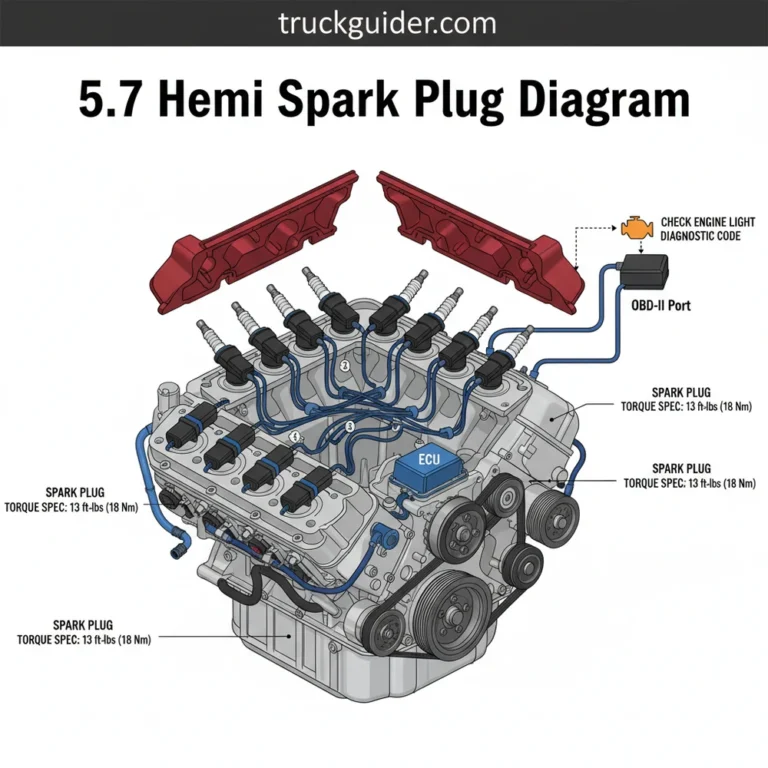
| 60,000 – 100,000 Miles | Major service: Spark plug replacement, engine coolant exchange, transmission/differential fluid servicing. | The HEMI utilizes a dual-spark-plug cylinder head design; timely replacement prevents misfires and catalytic converter damage. |
The 2026 RAM 1500: The Return of the 5.7L HEMI
The automotive industry experienced a significant shift when Stellantis initially announced the discontinuation of the 5.7L HEMI V8 for the 2025 RAM 1500 model year. The primary corporate strategy was to replace the naturally aspirated V8 with the advanced 3.0L Hurricane Twin-Turbo Inline-Six engine lineup, which offered greater horsepower, higher torque outputs, and improved global emissions compliance.
However, intense customer demand for the traditional V8 architecture, its distinct exhaust note, and its proven long-term towing durability forced a rapid pivot in corporate strategy. Stellantis officially announced the return of the 5.7L HEMI V8 for the 2026 RAM 1500 lineup. The 2026 iteration continues to generate 395 horsepower and 410 lb-ft of torque (556 Nm), augmented by the eTorque mild-hybrid system to improve stop-start efficiency and smooth low-end torque delivery.
Because the 2026 engine retains the highly integrated eTorque system introduced in earlier models, it strictly continues to utilize the low-friction SAE 0W-20 Full Synthetic oil specification with a 7-quart capacity. This ensures compliance with modern CAFE efficiency mandates while providing the reliable V8 power delivery that the consumer base demands.
FAQs
Can I mix 0W-20 and 5W-20 oil in my 5.7L HEMI?
From a fundamental chemical perspective, yes. 0W-20 and 5W-20 are fully miscible, meaning they can be mixed without causing adverse chemical reactions or sludging, provided both are API-certified full synthetic oils. The resulting mixture will exhibit a cold-start flow characteristic somewhere between a 0-weight and a 5-weight. However, while mixing will not cause immediate catastrophic failure, it alters the precise fluid dynamics engineered for the specific model year. If an engine is explicitly calibrated for 0W-20 eTorque operations, introducing 5W-20 increases the hydrostatic drag on the oil pump during cold starts, potentially negating fuel economy benefits and subtly altering the engagement timing of the VVT phasers. It is highly recommended to perform a full drain and fill with a uniform viscosity.
Will upgrading to a thicker oil like 5W-30 void my powertrain warranty?
Automotive warranties in the United States are protected under the Magnuson-Moss Warranty Act, which places the burden of proof on the dealership to definitively demonstrate that an aftermarket modification or non-specified fluid directly caused the mechanical failure in question. If a 5.7L engine experiences a localized cooling system failure, the presence of 5W-30 oil cannot legally void the warranty repair for the radiator. However, if the vehicle suffers an MDS solenoid failure or a spun main bearing, the manufacturer will likely request maintenance records. If those records indicate the continuous use of a viscosity outside the bounds of the owner’s manual (e.g., using 5W-30 instead of the mandated 0W-20 or 5W-20), the claim for the internal engine components could be subject to denial. Consequently, many vehicle owners wait until the 60,000-mile factory powertrain warranty officially expires before transitioning to 5W-30 for long-term lifter protection.
What are the real-world consequences of ignoring the MS-6395 specification?
Using a generic motor oil that meets basic API and ILSAC standards but lacks the specific Chrysler MS-6395 certification will not immediately destroy a 5.7L HEMI. However, the MS-6395 standard tests specifically for resilience against the high-heat oxidation unique to Chrysler block architectures and requires highly robust additive formulations to prevent Low-Speed Pre-Ignition (LSPI). Over tens of thousands of miles, a non-certified oil may break down significantly faster under the thermal load of the V8, leading to a build-up of varnish and carbon sludge inside the incredibly narrow oil galleries feeding the MDS solenoids. Over time, this sludge restricts hydraulic flow, leading to sluggish cylinder deactivation, reduced fuel economy, and potential lifter starvation.
How does excessive idling destroy the HEMI valvetrain?
The 5.7L V8 utilizes a traditional wet-sump lubrication system driven by a mechanically linked mechanically linked oil pump located behind the front timing cover. Because the pump’s rotational speed is directly tied to engine crankshaft RPMs, low engine speeds (such as sitting at a long stoplight or idling in a driveway to warm up the cabin) result in the lowest possible oil volume output. While standard passenger cars idle safely, the 5.7L HEMI requires a massive volume of oil to simultaneously operate its complex VVT mechanisms and lubricate the highest, most distant upper valvetrain components. During extended idling, the low fluid volume allows the oil film to drain away from the top-end roller lifters faster than it can be replenished. The internal needle bearings inside the rollers run dry, overheat due to severe friction, and eventually seize against the camshaft. Minimizing idle time is one of the most effective operational changes an owner can make to ensure extreme valvetrain longevity.