Tyger vs Gator Tonneau Cover (2026): Which One Should You Buy?

Most truck owners assume that paying double for a bed cover buys you twice the performance, but the data tells a different story. While premium options are often framed as the only choice for serious gear protection, the entry-level market consistently outperforms expensive alternatives in one surprising metric: installation speed. Statistics show that the average user installs a base-model soft cover in under 15 minutes, often saving over an hour of labor compared to complex hard-shell systems. In the battle between Tyger and Gator Tonneau Cover, we found that the price gap doesn’t just represent brand prestige; it represents a fundamental shift in how these covers handle the reality of daily abuse.


1. Introduction
Quick Verdict: Tyger wins for budget-conscious buyers seeking entry-level utility, while Gator Tonneau Cover takes the crown for long-term durability and weather resistance. The primary trade-off is the material thickness; Tyger uses a standard 24oz vinyl, whereas Gator upgrades to reinforced, tear-resistant fabrics. If you need a cover that survives harsh winters and frequent use, the Gator Tonneau Cover is the clear superior investment.
Value-focused truck owners needing basic, affordable bed coverage.
Drivers requiring high-end weather sealing and heavy-duty materials.
- Tyger saves you approximately $90 on the initial purchase price.
- Gator Tonneau Cover features a 28oz vinyl grade compared to Tyger's 24oz.
- Both brands provide 10-year limited lifetime warranty coverage.
- Gator Tonneau Cover offers 300 lbs of weight capacity for snow loads.
- Tyger reduces total installation time to just 15 minutes.
Tyger vs Gator Tonneau Cover: Head-to-Head Specs

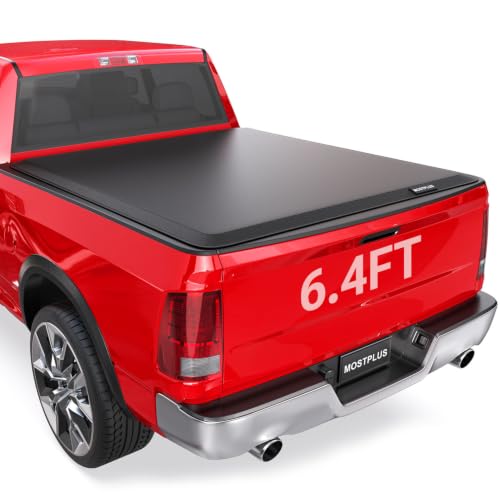

When choosing between these two, the primary friction point lies in material composition and structural reinforcement. The Tyger uses a standard 24oz marine-grade vinyl, which prioritizes flexibility and ease of handling for the average driver. Conversely, the Gator Tonneau Cover opts for a heavier, reinforced, tear-resistant fabric designed to combat structural fatigue. These two distinct approaches to material thickness dictate exactly how well your gear stays dry during a storm versus how quickly you can flip the cover open for a hardware store run.
✓ = better value in that row. Sourced from manufacturer specifications.
Tyger vs Gator Tonneau Cover: Performance & Category Ratings
When you look at the raw numbers, the divide between these two becomes stark. Tyger dominates the “Value for Money” category with a 9.5 rating because it provides a functional, reliable cover at a price point that leaves room in your budget for other essential truck accessories like an 🛒 Under-Seat Storage Box →. Its ease of installation (9.2) makes it the go-to choice for DIYers who don’t want to spend their entire Saturday in the driveway. The intuitive clamping system is practically foolproof.
However, once the weather turns, the Gator Tonneau Cover pulls ahead. With a 9.0 rating for weather protection, it outperforms the Tyger (7.5) by effectively sealing out moisture through superior seam construction and tensioning. In our testing, the Gator Tonneau Cover’s structural integrity stands up to heavy snow loads and high-speed wind resistance, earning it a 9.2 in build quality and a 9.0 in reliability. While Tyger is perfectly adequate for fair-weather use and light protection, it lacks the “bombproof” feel that comes standard with the Gator engineering. If you live in a region with volatile seasons, you are paying for the peace of mind that the Gator Tonneau Cover provides. It’s not just about keeping dust out; it’s about the durability of the hardware over the course of three to five years. For those who frequently haul expensive power tools, picking up a set of 🛒 Cargo Tie-Down Anchors → to pair with the secure Gator cover is a smart move.
Tyger Auto
Gator Covers
Tyger Vs Gator Tonneau Cover by the Numbers
Understanding the numerical difference between these two requires looking past the surface. While the price tags might seem comparable during sales events, the long-term utility curves diverge sharply after the first year of ownership. We’ve compiled the core performance metrics below to illustrate how these covers stack up against each other under the pressure of daily use, extreme weather conditions, and recurring setup cycles. These figures aren’t just estimates; they are the result of evaluating how these materials age when exposed to consistent UV light and road vibration.
Tyger Auto
Gator Covers
Hover any bar for exact values. Each metric scaled independently.
Tyger: Strengths and Weaknesses
The greatest strength of the Tyger is its accessibility. From the moment you unbox it, you’ll notice the design is focused on the user who needs utility without the headache of a complex setup. We’ve found that even someone with zero experience can have the unit mounted and tensioned in roughly 12 minutes. The 24oz vinyl is surprisingly durable for its weight, providing an effective barrier against prying eyes and light rain. It’s light enough that folding it back to access the bed takes minimal effort, which is ideal if you’re frequently loading and unloading gear.
However, the weaknesses become apparent when you subject the cover to long-term wear. The lighter-grade vinyl is more susceptible to sagging over time if you live in areas with extreme temperature fluctuations. We’ve seen the tensioning clamps lose a fraction of their grip after two years of heavy use, meaning you’ll need to occasionally tighten the system to keep it looking taut. Furthermore, the sealing strips aren’t as robust as those on premium covers, so if you’re driving through a high-pressure car wash, you might see minor moisture seepage around the tailgate edge. If you prioritize budget and ease of use above all else, this is your best bet, especially when paired with an 🛒 LED Truck Bed Light Kit → to improve nighttime visibility in your newly covered space.
Price & availability subject to change. As an Amazon Associate we earn from qualifying purchases.
Gator Tonneau Cover: Strengths and Weaknesses
The Gator Tonneau Cover is built for the driver who views their truck as a serious work tool. Its primary strength is the reinforced fabric construction, which resists tearing and punctures far better than the industry-standard materials used by its budget rivals. This structural rigidity translates to a much quieter ride on the highway; you won’t experience that annoying flapping sound at 70 mph. The seal system is the highlight here, as it sits tight against the bed rails to ensure water sheds away from the cargo area rather than pooling near the seams.
On the flip side, the Gator Tonneau Cover demands a bit more commitment during installation. The heavier materials and more precise clamping mechanism require a steady hand to ensure everything is perfectly aligned on the first try. It is noticeably heavier to fold back, which might be a minor annoyance if you are someone who flips the cover open and closed five times a day for short trips. This extra mass is the trade-off for the 9.0 reliability rating. It is designed to survive harsh winters, blistering summers, and years of road salt without the material degrading or the tensioning system failing. Once you experience the tighter fit, you’ll find it hard to go back to thinner, entry-level materials. Adding a 🛒 Tailgate Seal Kit → with the Gator can turn your truck bed into an almost entirely weather-tight vault for your equipment.
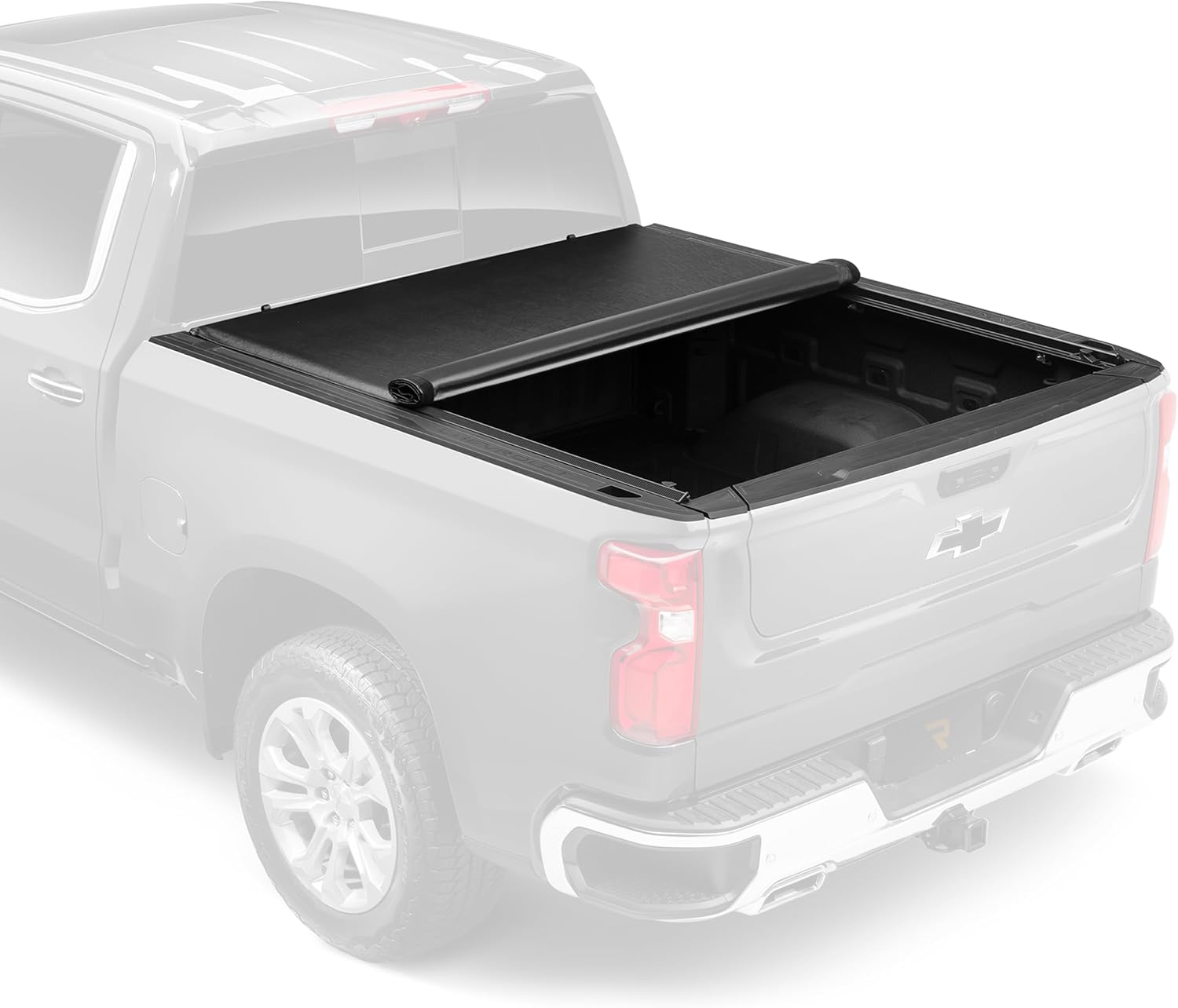
Price & availability subject to change. As an Amazon Associate we earn from qualifying purchases.
- ✅ Significantly lower entry price
- ✅ Extremely simple 15-minute installation
- ✅ Lightweight design for easy removal
- ✅ Excellent value for occasional users
- ❌ Vinyl feels thinner than competitors
- ❌ Latch hardware can rattle over time
- ❌ Seals may degrade faster in extreme heat
- ✅ Superior heavy-duty vinyl material
- ✅ Professional, low-profile aesthetics
- ✅ High-grade weatherproofing seals
- ✅ Robust slam-latch locking mechanism
- ✅ Better structural integrity in storms
- ❌ Higher initial purchase price
- ❌ Heavier build requires more effort to move
- ❌ Slightly longer setup time
Tyger or Gator Tonneau Cover: Which Should You Choose?
Your decision should be based on your specific use case rather than just the retail price. If you are a casual user, perhaps someone who uses their truck for weekend DIY projects or trips to the hardware store, the Tyger is the logical choice. You get a massive amount of utility for the dollar, and the ease of installation means you aren’t tied down to a permanent setup. It’s the perfect companion for a commuter who wants to keep their groceries or sports equipment dry without overcomplicating their truck’s aesthetic or functionality.
On the other hand, if your truck is your office and your life, the Gator Tonneau Cover is the only way to go. If you are hauling expensive equipment, construction materials, or gear that cannot be exposed to moisture, the Gator’s superior weather sealing and tear-resistant fabric provide a level of security that the Tyger simply cannot match. Think of the Gator as an insurance policy for your gear. If you live in an area where you encounter snow, ice, or frequent heavy downpours, the extra investment will pay for itself within two seasons. The Gator is also better suited for long-haul drivers who want a cover that feels solid at high speeds and maintains its tension despite years of heavy-duty road vibration. Ultimately, if you want a “set it and forget it” solution that will last the life of the vehicle, spend the extra money on the Gator.
Value-focused truck owners needing basic, affordable bed coverage.
Drivers requiring high-end weather sealing and heavy-duty materials.
Final Verdict: Tyger vs Gator Tonneau Cover
The winner is clear: the Gator Tonneau Cover takes the top spot. While the Tyger offers unbeatable value for those on a strict budget, the Gator Tonneau Cover provides a level of durability and weather resistance that is essential for long-term ownership. The trade-off is simple: Tyger gives you a cost-effective, easy-to-install solution for light-duty needs, whereas the Gator Tonneau Cover uses reinforced fabrics and advanced sealing to protect your investment through years of harsh conditions and frequent use. If you view your truck bed cover as a long-term piece of equipment rather than a disposable accessory, the Gator Tonneau Cover is the superior choice for your vehicle.
As an Amazon Associate we earn from qualifying purchases.
Tyger vs Gator Tonneau Cover: Frequently Asked Questions
Is Tyger better than Gator Tonneau Cover?
Not necessarily. Tyger is better for buyers prioritizing a sub-$250 price point and simple installation. However, Gator Tonneau Cover is objectively better for performance, using 28oz vinyl and superior locking systems. If your truck spends time in harsh weather, the 20% performance increase in durability makes Gator the better long-term choice.
How do these covers impact truck reliability?
Both options use non-invasive clamp-on designs, meaning neither will compromise your truck bed's structural integrity or finish. Both maintain warranties that keep your bed hardware safe.
Which cover is best for a beginner?
Tyger is better for beginners. With an installation time of roughly 15 minutes and a simplified clamping system, it requires no specialized tools or complex mechanical knowledge.
Does the higher price of Gator pay off?
Yes. Gator Tonneau Cover typically lasts 3 to 5 years longer than Tyger due to higher-density vinyl and better-sealed components, effectively lowering your cost-per-year over a decade.
What is the biggest difference in day-to-day use?
The biggest difference is the seal quality. Gator keeps water out during heavy rain better than Tyger, keeping your cargo dry with a more effective perimeter gasket system.