
What Does a Leveling Kit Do for a Truck Expert Guide 2026

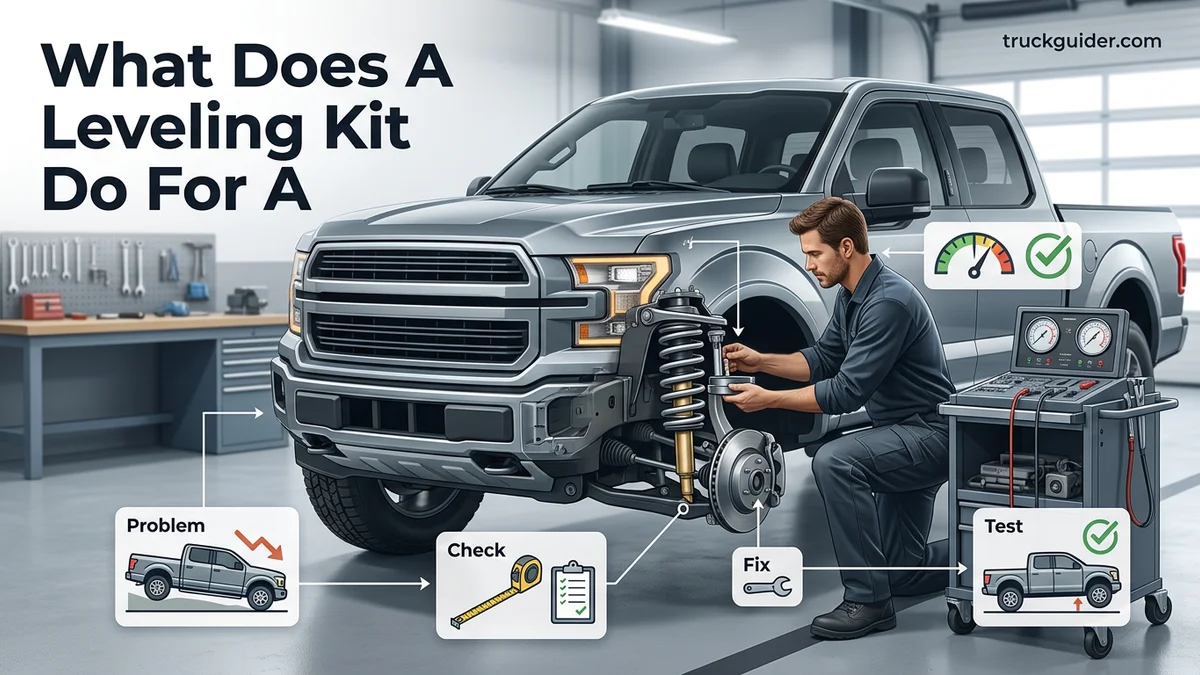
A leveling kit raises the front end of a truck to match the height of the rear, effectively eliminating the factory rake. This modification improves the vehicle’s overall stance and creates valuable clearance for larger tires without compromising daily utility.
A leveling kit raises the front end of your truck by one to three inches to match the height of the rear, eliminating the factory nose-down stance known as rake. This modification restores a balanced, aggressive profile to your vehicle and clears the way for slightly larger tires without needing a costly, full-scale suspension lift.

Prime for Young Adults — 6 Months Free
Students and 18–24s get six months of Prime free, then half price.
Start 6 Months FreeWhether you are driving a brand-new model off the 2026 dealership lot or refreshing a trusted older rig, understanding how this simple hardware impacts your daily drive is essential. While it dramatically improves visual appeal and ground clearance, a leveling kit also alters your front suspension geometry and fuel efficiency.
Key Takeaways
- Eliminates the factory nose-down rake by lifting the front suspension.
- Creates extra wheel well clearance for larger custom tires.
- Improves truck aesthetics for a bold, balanced stance.
- Maintains standard towing and hauling capacity without severe squatting.
- Costs significantly less and installs faster than a full suspension lift kit.
What Causes Factory Rake and Why Trucks Sit Higher in the Back
Recommended Best Deal Products


Automobile manufacturers design modern trucks with a distinct forward-leaning posture for practical, functional reasons. When you load heavy cargo into the bed or hitch up a utility trailer, the rear suspension naturally compresses under the added weight. Without that initial factory height advantage in the back, your truck would squat dangerously low, blinding oncoming drivers with your headlights and ruining your steering control.

This design prioritizes payload capacity and towing safety over pure curb appeal. However, it leaves your front end sitting significantly lower during empty-bed driving.
The Mechanics of Factory Suspension Height
- Manufacturers utilize shorter coil springs or stiffer leaf packs in the front to maintain a lower profile.
- The rake angle typically creates a one- to two-inch difference between front and rear fender heights.
- Aerodynamics also play a small role, as a downward-sloping nose cuts through wind resistance more efficiently on the highway.
Why Drivers Choose to Alter the Stance
Most truck owners dislike the nose-down look and want a symmetrical stance. Eliminating the rake transforms the truck from a utilitarian workhorse appearance into a commanding, level machine. It also provides the vital front-end clearance needed to fit larger, more aggressive all-terrain tires that would otherwise rub against your factory wheel wells.
How to Install a Leveling Kit to Fix Your Truck Stance Step-by-Step
Installing a leveling kit is one of the most cost-effective ways to modify your truck’s geometry. Depending on your suspension type—whether you have independent front suspension with struts or a solid front axle with coil springs—the hardware and process vary slightly. Most strut-spacer kits bolt directly on top of or below your factory front struts.
While many experienced DIY mechanics tackle this in a garage over a weekend, professional alignment is non-negotiable immediately following the install.
Overview of the Installation Process
- Safely elevate the front end of your truck using heavy-duty jack stands and secure the rear wheels.
- Remove the front wheels to gain full access to the suspension components and brake lines.
- Disconnect the sway bar links, tie rod ends, and upper control arms as needed to drop the lower control arm.
- Install the strut spacers or replacement leveling springs, torqueing all factory hardware to exact manufacturer specifications.
- Reassemble the suspension components carefully, reinstall your tires, and immediately schedule a professional front-end wheel alignment.
Important Post-Installation Steps
Once your leveling kit is bolted in place, your front suspension geometry changes drastically. The control arms operate at a steeper angle, which alters your caster and camber settings. Failing to get a professional alignment right away will cause severe, uneven front tire wear within just a few thousand miles of driving your truck in 2026.
What If It Still Doesn’t Sit Level After Installation and Alignment Adjustments
Recommended Best Deal Products
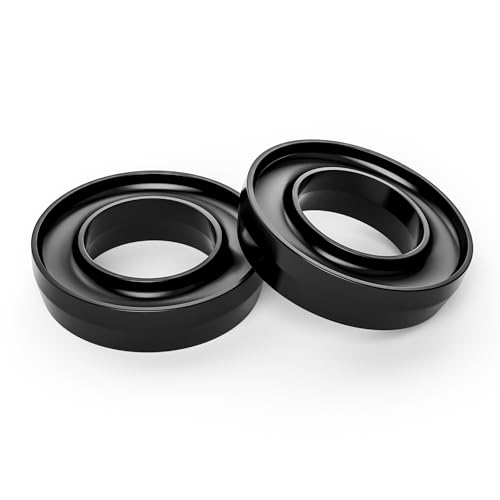

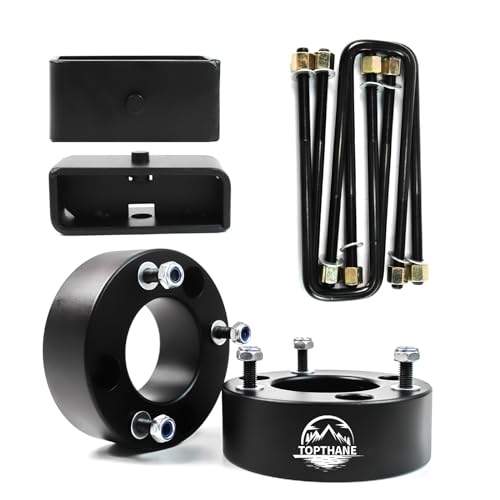
Sometimes, a truck fails to sit completely level even after a proper leveling kit installation and a professional front-end alignment. Manufacturers note that settling periods, hidden cargo weight, or mismatched suspension components frequently cause lingering rake issues. Resolving this requires a systematic troubleshooting approach to identify the exact cause of the uneven stance.
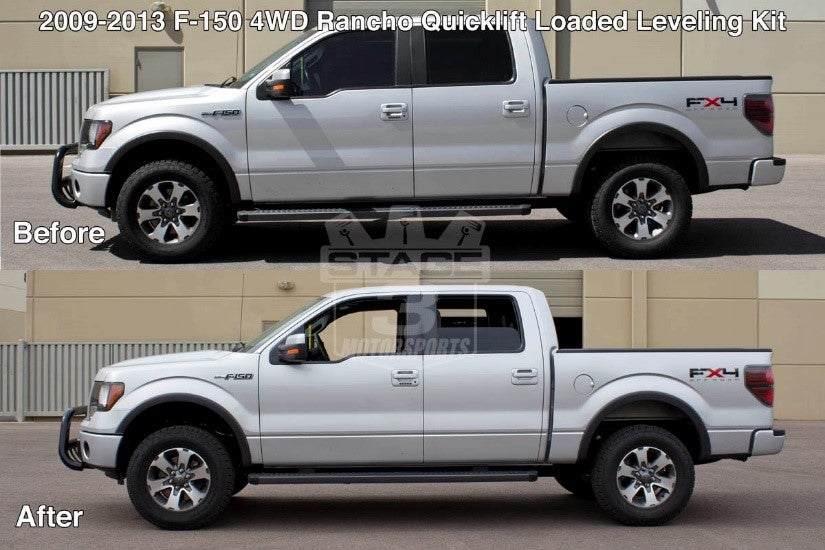
Step-by-Step Troubleshooting for Uneven Stance
- Allow for the suspension settling period: New coil springs or strut spacers often require 100 to 300 miles of driving to settle into their final compressed height, which can change ride height by a quarter-inch.
- Check for constant payload or heavy accessories: Heavy steel aftermarket bumpers, winches, or permanent toolboxes add front-end weight that compresses the newly leveled suspension, requiring stiffer or adjustable coil-overs.
- Inspect rear leaf spring fatigue: Factory rear leaf springs sag over time due to age and towing stress, meaning a front leveling kit exposes an already low rear end that requires helper springs or a small lift block.
- Verify correct part numbers: Confirm that the installed leveling kit matches the exact cab configuration, bed length, and drivetrain (2WD versus 4WD) of the vehicle, as incorrect parts alter lift heights significantly.
- Consult a professional suspension specialist: If physical measurements reveal more than a half-inch variance side-to-side or front-to-rear after checking components, visit a certified suspension shop. Professional diagnosis and labor typically range from $150 to $350 depending on the complexity of the adjustment.
Conclusion
Installing a leveling kit effectively eliminates factory rake, enhances visual appeal, and accommodates slightly larger tires without compromising daily drivability. While minor adjustments are sometimes necessary post-installation, the upgrade delivers a balanced stance and improved approach angles for modern trucks. According to verified research and automotive suspension experts, choosing the correct kit for your specific gross vehicle weight rating ensures long-term reliability and safety. Take the next step by consulting a certified local alignment shop to verify your suspension geometry and protect your tire investment today.

Audible — Listen Free for 30 Days
One free credit a month and thousands of titles included.
Listen Free for 30 Days❓ Frequently Asked Questions
Recommended Best Deal Products


What is the difference between a leveling kit and a lift kit?
A leveling kit only raises the front end of the truck by 1 to 3 inches to match the rear height. A lift kit raises both the front and rear of the truck evenly, typically by 4 inches or more, requiring much more extensive modification.
Does installing a leveling kit void my truck’s factory warranty?
Under the Magnuson-Moss Warranty Act, a manufacturer cannot void your entire warranty simply because you installed aftermarket parts. However, they can deny coverage for specific suspension components if it is proven that the leveling kit caused the failure.
Will a leveling kit negatively impact my truck’s fuel economy?
The leveling kit itself adds minimal weight and wind resistance, so the impact on fuel economy is usually negligible. However, if you pair the kit with much larger, heavier tires and wheels, you will likely see a noticeable decrease in MPG.
How does a leveling kit affect towing and hauling heavy loads?
Because the front is raised to match the rear, loading heavy cargo into the bed may cause the rear to sag slightly lower than the front, known as squatting. If you tow frequently, you may want to add rear helper springs or airbags to compensate.
What are the different types of leveling kits available?
The most common types include coil spring spacers that sit above or below the factory springs, torsion keys for trucks with torsion bar suspension, and replacement strut assemblies that provide a more robust lift and enhanced damping.
Can I install a truck leveling kit myself at home?
Yes, many DIYers install basic spacer kits in their driveway using standard hand tools and a spring compressor if required. However, because working with suspension springs involves high tension, professional installation is recommended if you lack mechanical experience.
![Top Radiator Hose Hot and Bottom Cold? Causes & Fixes [2026]](https://truckguider.com/wp-content/uploads/2026/03/top-radiator-hose-hot-bottom-cold-featured.webp)

![Dodge Key Fob Battery Replacement: Easy DIY Guide [2026]](https://truckguider.com/wp-content/uploads/2026/03/dodge-key-fob-battery-replacement-featured.webp)
![RAM Big Horn vs. Laramie: Which Trim Level is Worth It? [2026]](https://truckguider.com/wp-content/uploads/2026/03/ram-big-horn-vs-laramie-featured.webp)