
1988 Dodge Ram 50 Specs: Data-Driven Essential Details

The 1988 Dodge Ram 50 represents a pivotal moment in the compact truck segment, serving as a rebadged version of the rugged Mitsubishi Mighty Max. Known for its exceptional reliability and surprising durability, this vehicle remains a favorite among collectors and utility-minded enthusiasts. Whether you are performing a restoration, sourcing parts, or simply curious about the engineering that made this truck a Japanese-American powerhouse, understanding the core mechanical data is essential. This guide provides a comprehensive overview of the technical parameters that defined the 1988 model year, offering the critical information you need to maintain or appreciate this classic workhorse.


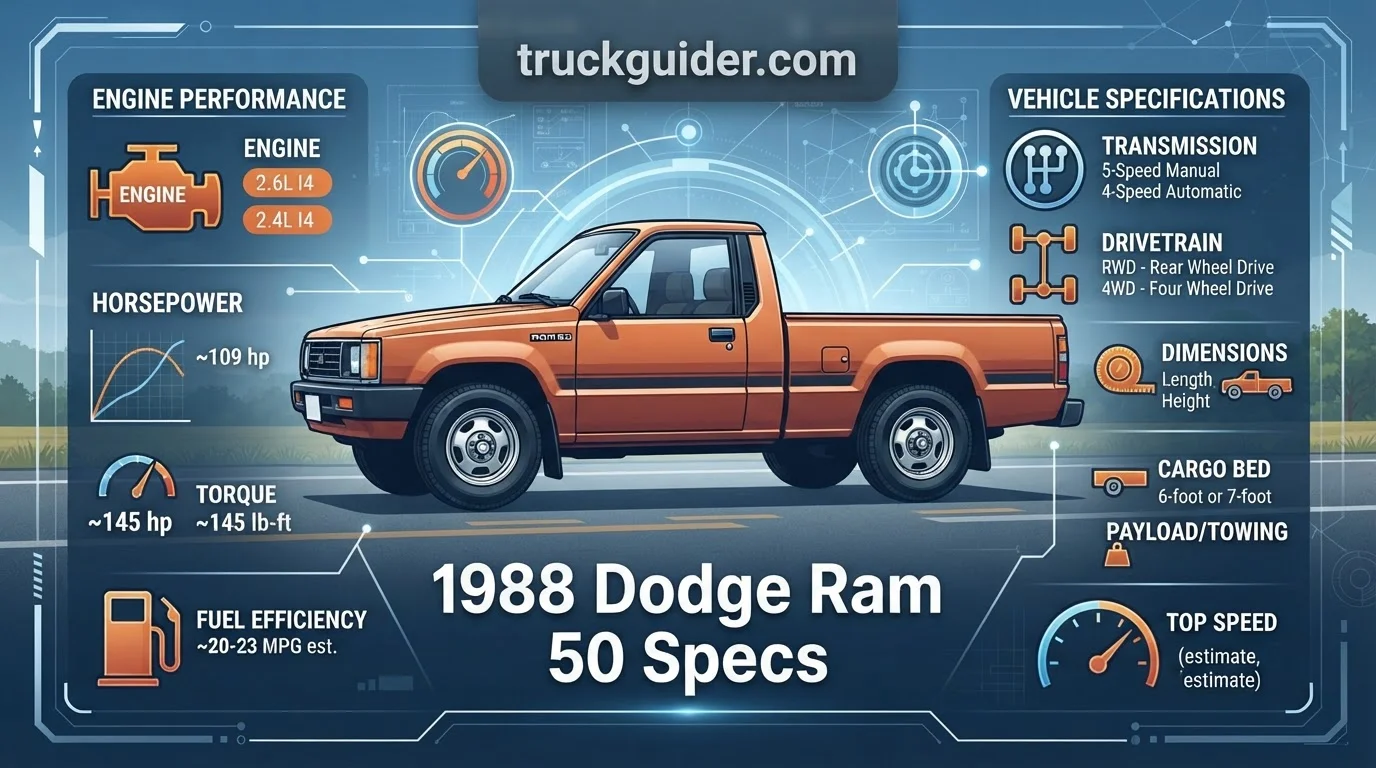
Technical Overview of 1988 Dodge Ram 50 Specs
The engineering behind the 1988 Ram 50 was heavily focused on efficiency and utility. Unlike the full-size Ram trucks of the era, the Ram 50 utilized a lighter unibody and frame construction optimized for nimble urban driving and moderate payload capacities. Owners often seek these details to ensure compatibility when sourcing transmission components, engine gaskets, or suspension bushings that have become increasingly rare in the aftermarket sector. Understanding that this truck is essentially a Mitsubishi design provides a significant advantage when searching for cross-referenced parts or service manuals.
Factors Influencing 1988 Dodge Ram 50 Specs
Several factors dictate the performance and maintenance requirements of your specific vehicle. The trim levels—ranging from the base “Custom” to the “Royal” and “Sport”—impact interior features and aesthetic components, but the drivetrain remains the most critical variable. For instance, the 4WD models possess a different front suspension geometry and transfer case assembly compared to the 2WD variants, which significantly alters parts interchangeability. Furthermore, 1988 marked an era where emission control systems were becoming increasingly complex, meaning that two trucks with the same engine might have different vacuum routing diagrams based on California versus Federal emissions standards.
🔎 How to Locate and Read Vital Truck Info
Identifying exactly which 1988 Dodge Ram 50 specs apply to your vehicle requires locating the Vehicle Identification Number (VIN) and the under-hood emission sticker.
1. Locate the VIN: The 17-digit VIN is located on a plate on the driver’s side dashboard, visible through the windshield. It is also stamped into the frame rail near the right front wheel well.
2. Decode the Engine Code: The eighth character of the VIN identifies your engine type. Cross-reference this with a factory service manual to confirm if you are running the 2.0L or the 2.6L block.
3. Check the Emissions Label: A sticker on the underside of the hood contains the “Tune-up Specifications.” This label is the ultimate source of truth for spark plug gaps, ignition timing, and idle speeds specific to your exact engine tune.


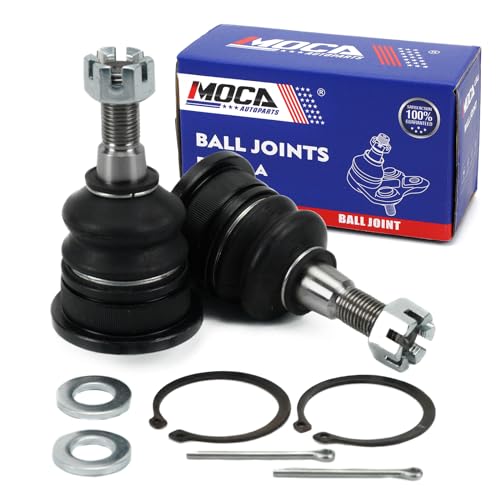

Insights into Common Maintenance Areas
Maintaining a 1988 Ram 50 requires attention to the cooling and fuel systems. Because these vehicles are now over three decades old, the rubber components in the fuel lines and the seals in the cooling system are common points of failure. The 2.6L engine, in particular, features a “silent shaft” balance system that requires precise timing chain maintenance to prevent catastrophic internal damage. Owners often report that staying on top of oil changes using a high-quality ZDDP-rich additive helps preserve the older cam profiles found in these engines.
✨ Key Benefits of Proper Specification Adherence
Extended Engine Life
Adhering to factory oil viscosity and cooling system pressures prevents premature wear on critical bearings and seals.
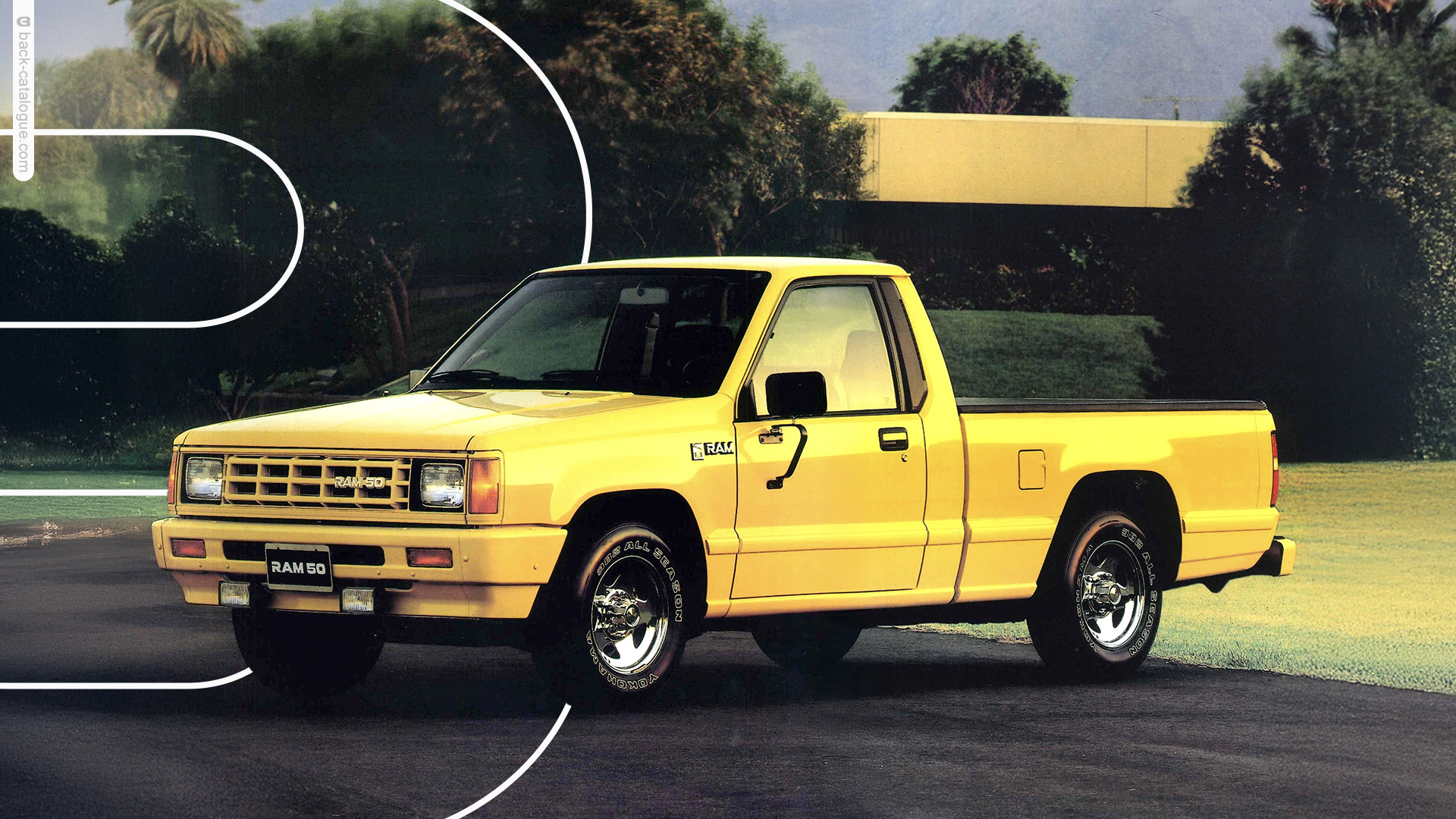
Optimized Fuel Economy
Correct carburetor settings and timing ensure the engine burns fuel efficiently, which is critical for carbureted engines.
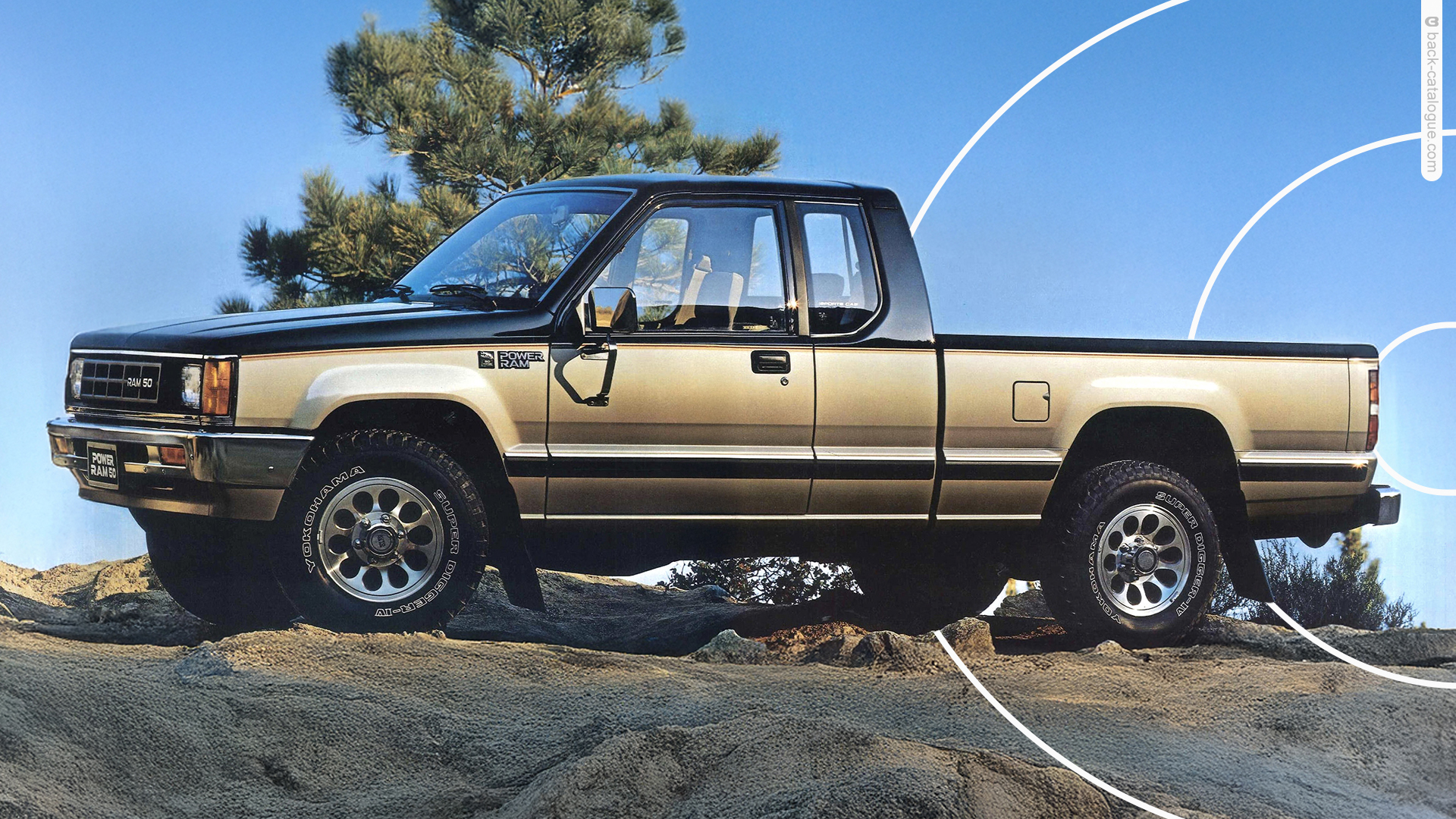
The “Ram 50” was one of the first successful collaborations between Chrysler and Mitsubishi. Because of this, many parts for the 1988 model are actually listed under “Mitsubishi Mighty Max” in many legacy catalogs, a secret tip that can save you hours of searching for parts.
Pro Tips for Handling 1988 Dodge Ram 50 Specs
What If My 1988 Dodge Ram 50 Specs Seem Off?
If you find that your vehicle is failing to meet performance expectations or is exhibiting strange symptoms, do not immediately assume internal mechanical failure. Often, the issue is environmental or adjustment-based.
1. Check Vacuum Leaks: The complex emission vacuum lines are the primary suspects for rough idling or poor performance. Inspect all lines for cracking.
2. Carburetor Cleaning: If the truck has been sitting, the idle jets in the carburetor are likely gummed up. A professional cleaning and rebuild kit are often more effective than attempting to adjust settings.
3. Timing Adjustment: Verify that your ignition timing matches the sticker on the radiator support. Even a few degrees of variance can drastically impact the power output of these specific four-cylinder engines.
4. Professional Consultation: If internal sounds persist, consult a mechanic familiar with 1980s Japanese overhead-cam designs. Expect diagnostic costs to range from $150 to $300 depending on the complexity of the intake system disassembly.


Avoid using modern high-detergent synthetic oils in the 2.6L engine without consulting a specialist. The older flat-tappet cam designs in these engines may experience increased wear with oils lacking high ZDDP concentrations.
Summary of Findings
The 1988 Dodge Ram 50 is a testament to the longevity of mid-80s automotive engineering. By understanding the mechanical details and respecting the specific maintenance requirements of these powertrains, you can ensure your truck remains operational for decades to come. This overview highlights that while the vehicle is simple, its reliance on specific vacuum and fuel parameters demands accuracy. Whether you are performing a restoration or keeping a daily driver on the road, utilizing the correct documentation and cross-referencing parts with its Mitsubishi counterpart remains the most effective strategy for success. Based on expert service data, prioritize the timing belt and fuel system integrity for the best long-term results.
❓ Frequently Asked Questions
1
What is the 1988 Dodge Ram 50?
The 1988 Dodge Ram 50 is a compact pickup truck rebadged from the Mitsubishi Mighty Max. It served as Chrysler’s entry into the competitive small-truck market, providing a durable, fuel-efficient alternative to the full-size Dodge Ram while utilizing reliable Japanese mechanical engineering under the hood.
2
How do the engine specifications compare?
The 2.0L engine provided roughly 92 horsepower, prioritizing fuel economy, while the larger 2.4L option produced around 116 horsepower. These specs allowed for better towing and hauling capabilities, making the 2.4L the preferred choice for those using the truck for light-duty work or cargo transport.
3
Why is the Ram 50 frame important?
The truck’s frame design is important because it utilizes a ladder-style construction that provides significant structural rigidity for a small vehicle. This foundation allows the truck to maintain its load-bearing capacity while keeping overall vehicle weight low, contributing to its reputation for agility and relative durability.



4
What are the benefits of this truck today?
The benefits of owning a 1988 Ram 50 include simple mechanical systems that are easy to repair, excellent parts compatibility with Mitsubishi models, and a distinct vintage aesthetic. Its compact size makes it a great project vehicle for collectors who value practical, classic utility trucks.
5
How can I get started with finding parts?
To find parts, cross-reference your component search with Mitsubishi Mighty Max items from the same production year. Use online enthusiast forums and vintage salvage yards to track down specific trim pieces or engine components that are no longer supported by current Chrysler dealer parts databases.
![2013 Ram 1500 Transmission Guide: Complete Specs Guide [2026]](https://truckguider.com/wp-content/uploads/2026/03/2013-ram-1500-transmission-featured.webp)

![Are Ram Trucks Made in America? US vs Mexico Plant Locations [2026]](https://truckguider.com/wp-content/uploads/2026/03/are-ram-trucks-made-in-america-featured.webp)