2004.5 Dodge Ram 2500 Diesel Specs: Performance Data Broken Down

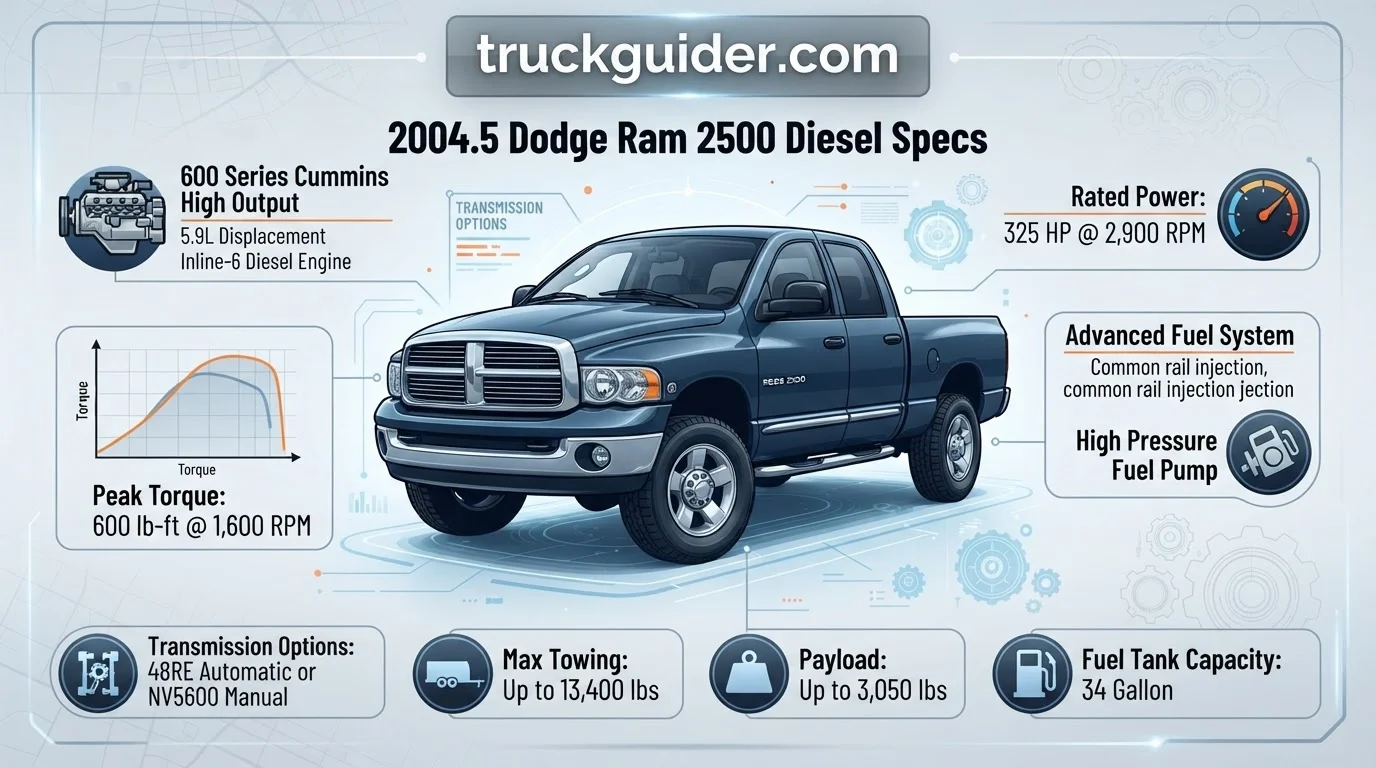
The 2004.5 Dodge Ram 2500 represents a pivotal turning point in diesel performance, marking the introduction of the 600-series 5.9L Cummins engine. Distinguishable by its standard catalytic converter and upgraded fuel system, this model year offers a unique balance of emissions-conscious engineering and reliable, raw mechanical power that remains highly sought after by enthusiasts today.
This article provides an in-depth breakdown of these critical specifications, ranging from precise technical data and engine identification to long-term maintenance and performance upgrades. Whether you are verifying a truck’s pedigree or optimizing your own rig, you will find the essential data here.



Unpacking the 2004.5 Dodge Ram 2500 Diesel Specs: Why It Matters
The “2004.5” designation is more than just a model year quirk; it signifies a pivotal mid-year transition in Dodge’s heavy-duty truck lineup. During this period, Ram introduced a significant update to the 5.9L Cummins turbo-diesel engine, marking a major departure from the earlier engine configurations found in the 2003 and early 2004 models.

At the heart of this change was the introduction of the High Output (HO) 5.9L Cummins, which featured the advanced High-Pressure Common Rail injection system. This technology fundamentally changed how the engine delivered fuel, resulting in smoother operation, improved cold starts, and a noticeable increase in both horsepower and torque for the end user.
Enthusiasts frequently refer to the 2004.5 model as the “sweet spot” in Cummins history. It sits perfectly in the timeline, offering the refined performance of the common rail system while remaining largely unburdened by the complex emissions equipment and exhaust after-treatment systems that would arrive in later years to restrict engine output and complicate maintenance.
This model year is widely respected for its exceptional reliability and raw power. When paired with the heavy-duty chassis of the 2500 series, the 2004.5 Cummins created a platform that was virtually unmatched for towing and hauling. Whether pulling a heavy livestock trailer or hauling construction materials, the engine’s torque curve provided consistent, reliable pull that cemented its legendary status.
The common rail system acts as the primary differentiator, separating the 2004.5 from its predecessors and successors. By enabling precise control over injection pressure and timing, this system allowed the 5.9L Cummins to run cleaner and quieter without sacrificing the durability that made it a workhorse. It remains a favorite among diesel enthusiasts who prioritize mechanical longevity alongside modern performance characteristics.
Understanding these specific 2004.5 technical details is crucial for owners and buyers alike. By recognizing why this specific version was engineered the way it was, you can better appreciate why these trucks remain highly sought after in the used market and why their performance specifications continue to serve as a benchmark for heavy-duty pickups today.
Key Differentiators: Understanding 2004.5 Dodge Ram 2500 Diesel Specs
High Output vs. Standard Cummins 5.9L Differences
The 2004.5 model year represents a significant turning point for the Dodge Ram 2500, primarily due to the introduction of the 600-series Cummins engine. This engine features the High-Pressure Common Rail (HPCR) fuel system, which allowed for more precise fuel injection, reduced noise, and improved emissions compliance compared to earlier non-HPCR models.

While the standard Cummins 5.9L Inline 6-cylinder engine was robust, the 2004.5 “High Output” variant offered increased torque ratings of 600 lb-ft. This power jump was achieved through refined ECM tuning and updated internal components, making it a highly desirable configuration for owners who frequently haul heavy loads.
Automatic vs. Manual Transmission Considerations
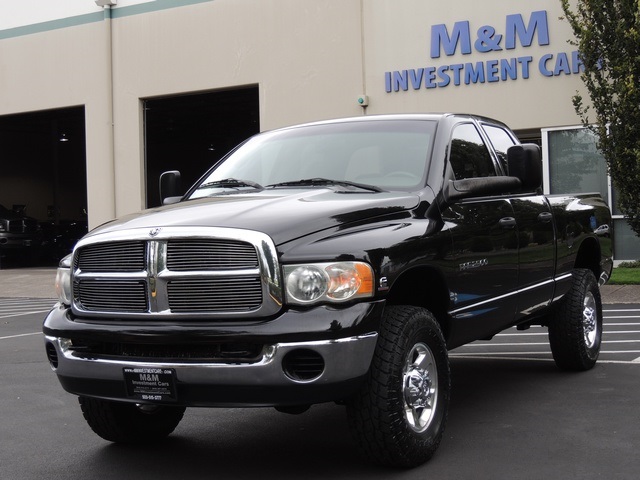
Transmission choice plays a defining role in how your truck delivers its power. The 2004.5 model was typically paired with either the 4-speed automatic (48RE) or the 6-speed manual transmission, which was primarily the heavy-duty NV5600 unit, though some transition periods saw the introduction of the G56.
The 48RE automatic is prized for its ease of use, especially in stop-and-go traffic, but requires meticulous maintenance to handle the engine’s high torque output. Conversely, the 6-speed manual offers a more direct, mechanical connection to the engine, providing superior control during steep mountain descents or when towing exceptionally heavy trailers.
Axle Ratios and Their Impact on Performance
The drivetrain configuration, specifically the axle ratio, is the final piece of the performance puzzle. The two most common factory ratios for this truck are the 3.73 and the 4.10. Choosing the right one depends entirely on your driving habits and intended use for the vehicle.
A 3.73 axle ratio is generally favored by those who use their truck for daily commuting or light towing, as it allows for lower RPMs at highway speeds, which translates to better fuel economy. In contrast, the 4.10 ratio provides significantly more mechanical leverage.
The “600” in the 2004.5 engine designation refers specifically to the engine’s torque rating of 600 lb-ft, a marketing benchmark Dodge used to highlight the power increase over the previous year’s 555 lb-ft rating.
Opting for a 4.10 ratio significantly improves your towing capacity and acceleration, particularly when the truck is heavily loaded or pulling trailers uphill. However, this comes at the cost of higher engine RPMs during cruising, which may decrease your overall fuel efficiency on long highway trips.
2004.5 Dodge Ram 2500 Diesel Specs: Comprehensive Data Table
The 2004.5 model year represents a pivotal transition for the Ram 2500. This mid-year update introduced the high-output 5.9L Cummins engine equipped with the advanced High-Pressure Common Rail (HPCR) fuel system. Understanding these specifications is essential for owners looking to maximize vehicle performance and ensure compatibility for maintenance tasks.

The following tables break down the technical core of the 2004.5 Dodge Ram 2500. We have segmented the data into engine performance characteristics and mechanical drivetrain configurations to provide clarity on the differences between standard and high-output power plants, as well as the various transmission pairings available at the time of production.
Mechanical configurations varied significantly based on the intended use and trim level of the vehicle. Gross Vehicle Weight Ratings (GVWR) typically ranged from 8,800 lbs to 9,000 lbs depending on cab style and bed length. Axle ratios were generally factory-set at 3.73, with 4.10 available for heavy towing applications.
When verifying your specific vehicle, always cross-reference these table values against the data tag located on the driver-side door jamb. Note that manual transmission availability switched from the robust NV5600 to the G56 in late production, which may affect parts compatibility for clutch replacements or transmission fluid services.
2004.5 Dodge Ram 2500 Diesel Quick Specs: A ‘By The Numbers’ Overview
The 2004.5 Dodge Ram 2500 introduced the High Output 5.9L Cummins engine, marking a significant evolution in performance for the heavy-duty segment. This inline 6-cylinder turbodiesel powerhouse produces a robust 325 horsepower and an impressive 610 lb-ft of torque, providing the necessary grunt for demanding towing and hauling tasks.
Transmission duties are handled by either the reliable 4-speed 48RE automatic or the heavy-duty manual options, which include the 6-speed NV5600 or the later-introduced G56 manual transmissions. These configurations allow owners to tailor the drivetrain to their specific driving preferences and operational needs.
To handle its significant Gross Vehicle Weight Rating (GVWR), typically rated at 9,000 lbs, the truck utilizes stout drivetrain gearing. Depending on the original configuration and towing package, owners will find either a 3.73 or a 4.10 axle ratio. These ratios are fundamental to the vehicle’s ability to balance highway fuel efficiency with low-end towing capability.
How to Verify Your 2004.5 Dodge Ram 2500 Diesel Specs: Finding the
Decoding Your VIN for Production Details
The Vehicle Identification Number (VIN) is your primary key for model year verification. On the 2004.5 Ram, you will find this 17-character string stamped on a metal plate visible through the bottom corner of the driver’s side windshield.
The 10th character is critical: a “4” denotes the 2004 model year. To confirm the “2004.5” designation, check the engine build date found on the data plate located on the side of the 5.9L Cummins engine block. Engines built after January 2004 typically feature the updated emissions hardware and 325hp rating.
Locating Your Vehicle’s RPO Codes and Stickers
Factory configuration details are conveniently housed on the driver’s side doorjamb. Look for the Safety Compliance Certification Label, which provides the Gross Vehicle Weight Rating (GVWR), axle ratios, and spring rates.
This sticker is the most reliable source for your specific truck’s payload capacity and build date. If the label is weathered or missing, you can request a “build sheet” from a local Dodge dealership using your VIN, which provides a comprehensive list of all installed equipment and option codes.
Identifying Your Transmission Type (48RE vs. NV5600)
Distinguishing between the 48RE automatic and the NV5600 manual is straightforward. If your truck has a floor-mounted shift lever, you are operating the six-speed NV5600. The 48RE automatic is operated via a column-mounted shifter.
If you are inspecting a vehicle from underneath, visual identification is easy. The 48RE automatic transmission pan has a distinct rectangular shape with a drain plug on the bottom. In contrast, the NV5600 is significantly larger, cast in iron, and features a very specific “bulged” casing design near the bellhousing area.
2004.5 Dodge Ram 2500 Diesel Specs in Comparison: How It Stacks Up
2004.5 vs. Early 5.9L Cummins: The Common Rail Advantage
The 2004.5 model year represents a pivotal transition in the evolution of the Dodge Ram. While early 2003 and early 2004 models utilized a capable 5.9L Common Rail engine, they lacked the performance tuning and specific hardware revisions found in the “High Output” (HO) variant that arrived mid-year.
The 2004.5 update introduced significant internal refinements to the High-Pressure Common Rail (HPCR) fuel system. These adjustments allowed for increased fuel pressure and timing, which pushed the factory ratings from 305 horsepower and 555 lb-ft of torque to 325 horsepower and 600 lb-ft of torque.
Beyond the raw power output, this mid-year shift is often sought after by enthusiasts for its balance of efficiency and durability. The 2004.5 model provides the robust architecture of the early Common Rail engines but with a more refined fuel delivery map that enhances towing performance.
Against the 6.7L Cummins: Emissions and Performance Shifts
By 2007.5, the Dodge Ram moved into the 6.7L Cummins era. This transition was driven largely by strict federal emissions regulations, necessitating the addition of complex after-treatment systems, including the Diesel Particulate Filter (DPF) and an Exhaust Gas Recirculation (EGR) system.


While the 6.7L offers superior torque and displacement, the 2004.5 5.9L remains a favorite for purists who prioritize simplicity. The 2004.5 engine lacks the restrictive emissions hardware found on later models, meaning owners avoid the maintenance headaches often associated with DPF soot loading and EGR failures.
Performance-wise, the 2004.5 engine offers a more mechanical, direct driving feel. While the 6.7L is undeniably more powerful in stock form, it is also heavier and more complex, making the 2004.5 a “sweet spot” for those who want a reliable, pre-emissions diesel workhorse.
Facing the Competition: Ford F-250 and Chevy Silverado 2500HD
In 2004, the heavy-duty landscape was a fierce three-way battle. Ford was pushing the 6.0L Power Stroke, while Chevy relied on the LLY Duramax. Compared to the Ford 6.0L, the 2004.5 Cummins was widely perceived as more reliable, as the Power Stroke of that era faced well-documented issues with head bolts and oil coolers.
The Chevrolet Silverado 2500HD featured the Duramax, which gained a reputation for smooth, quiet power delivery. However, the 2004.5 Cummins held a distinct advantage in simplicity and raw, low-end grunt. The inline-six configuration offered easier access for maintenance compared to the V8 designs found in the competition.
Common Issues and Upgrades for 2004.5 Dodge Ram 2500 Diesels
Automatic Transmission Weaknesses and Solutions
The 2004.5 Dodge Ram 2500 is equipped with the 48RE automatic transmission. While functional for stock power levels, this unit is widely considered a weak point, particularly when owners add aftermarket tuning to increase horsepower and torque. It often struggles to manage significant power gains without internal modifications.
To improve durability, many owners opt for a heavy-duty torque converter and a modified valve body. These upgrades increase line pressure and improve cooling, helping the transmission handle the increased output. For those pushing well beyond factory specifications, a full transmission build including upgraded clutch packs and an enhanced input shaft is recommended.
Common Rail Injector Longevity and Maintenance
The 2004.5 model year introduced the 325-horsepower Common Rail Cummins, a significant shift in fuel delivery. While highly efficient, the injectors are sensitive to fuel quality and filtration. Over time, these injectors can wear internally, often leading to hard starting, rough idling, or excessive smoke during operation.
Replacing these injectors can be a costly endeavor, so preventive maintenance is vital. Many owners install an aftermarket lift pump system to ensure consistent fuel pressure and improved filtration. This setup helps prevent premature failure of the injectors and the expensive CP3 high-pressure pump by removing contaminants and air bubbles from the fuel supply.
Performance Upgrades for the 5.9L Cummins
The 5.9L Cummins is legendary for its tuning potential, making it a favorite for performance enthusiasts. Popular modifications start with handheld tuners or programmers, which can drastically improve throttle response and fuel economy. When choosing a tune, always ensure the transmission is prepared to handle the additional strain of the power increase.
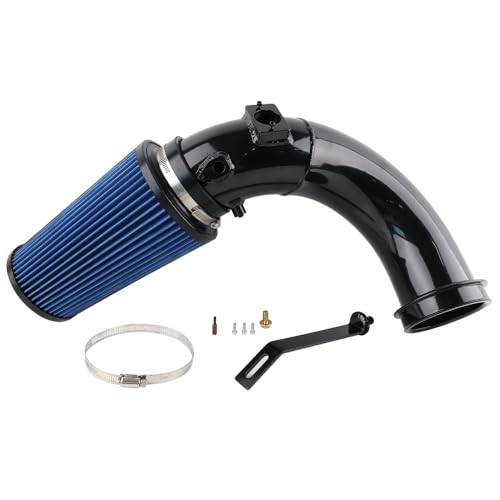
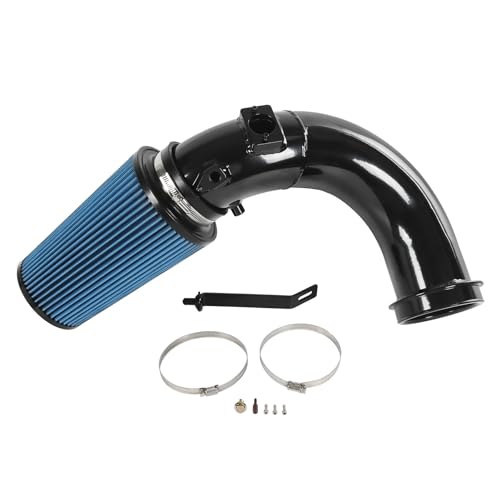
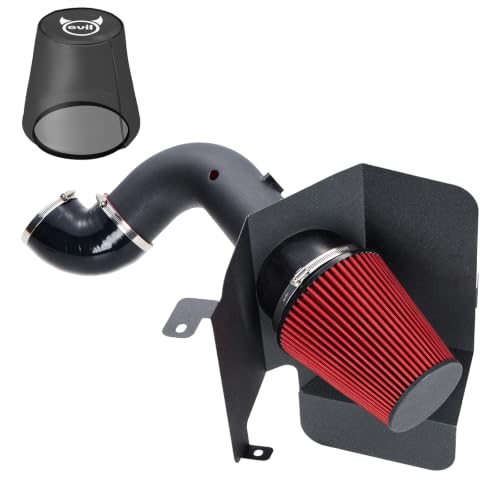
Beyond electronics, air intake and exhaust systems are essential upgrades for better airflow. A high-flow cold air intake and a four-inch straight-pipe exhaust system help the engine breathe easier, lowering exhaust gas temperatures under load. These foundational modifications allow the truck to perform more reliably while delivering the signature Cummins sound that many owners desire.
As these vehicles age, owners should also remain vigilant regarding environmental wear. Rust is a common issue for this generation of Dodge Ram, particularly along the rocker panels, wheel wells, and cab corners. Routine inspection and timely paint or undercoating touch-ups are necessary to preserve the structural integrity and aesthetic value of the truck over the long term.
Maximizing Your 2004.5 Dodge Ram 2500 Diesel: Essential Maintenance
Routine Fluid Service for Longevity
Adhering to a rigorous maintenance schedule is the most effective way to extend the lifespan of the 5.9L Cummins engine. For standard operation, engine oil and filter changes should occur every 5,000 to 7,500 miles using a high-quality 15W-40 diesel-rated oil to ensure proper lubrication of the turbocharger and internal components.
Do not overlook the drivetrain fluids, as these are often ignored in aging trucks. Transmission fluid and filters should be serviced every 30,000 miles, especially if the vehicle is used for towing. Similarly, front and rear differential oils should be changed every 30,000 to 50,000 miles to prevent premature ring and pinion wear.
Fuel System Care: Protecting Your Common Rail Injectors
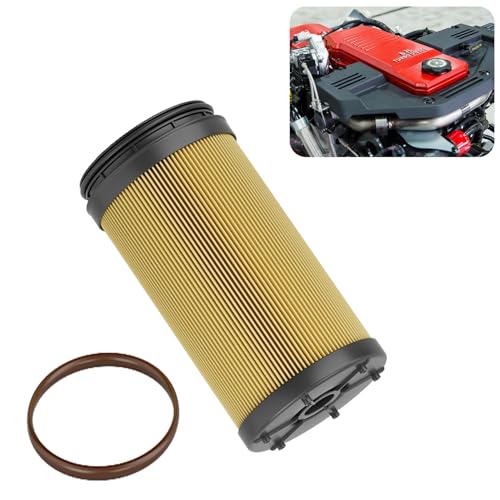
The 2004.5 model introduced the high-pressure common rail injection system, which is notoriously sensitive to fuel contamination. The fuel filter is your primary line of defense against debris and water that can destroy these precision components. Always replace the fuel filter every 10,000 miles or at least once per year.
Reliable filtration is critical for the long-term health of your injectors. Stick to reputable brands such as Fleetguard or Baldwin, which provide the micron rating necessary to catch the fine contaminants that standard aftermarket filters might miss. Using a quality fuel additive during each fill-up can also provide necessary lubrication to the fuel system.
Inspecting for Rust and Common Wear Points
As these vehicles age, structural integrity becomes a major concern. Owners should routinely inspect common rust-prone areas, specifically the rocker panels, cab corners, and the bottom edges of the doors. If you notice bubbling paint, address it immediately with rust converter or professional body repair to prevent the metal from thinning.


Beyond body rust, focus your inspection on the steering and suspension components. Check the track bar, ball joints, and tie rod ends for excessive play, as these parts wear out quickly under the weight of the Cummins engine. Regularly greasing these components can significantly delay the need for a full front-end rebuild, keeping the truck tracking straight and safe on the road.
Key Takeaways
-
✓
The 2004.5 transition introduced the high-output 5.9L Cummins engine rated at 325 hp and 600 lb-ft of torque. -
✓
Identifying your engine version is easy by checking the emissions decal located on the driver’s side valve cover. -
✓
The introduction of the catalytic converter marked a major change in exhaust system architecture for this mid-year update. -
✓
Common upgrades include upgrading the stock lift pump to ensure consistent fuel delivery and engine longevity. -
✓
Routine maintenance focusing on fuel filtration is critical to preserving the sensitive common-rail fuel injection system.
❓ Frequently Asked Questions
1
What is the 2004.5 Dodge Ram 2500 diesel?
The 2004.5 Dodge Ram 2500 diesel is a mid-year production update featuring the high-output 5.9L Cummins common-rail turbodiesel. It is widely recognized for increasing factory power output to 325 horsepower and 600 lb-ft of torque, utilizing a 48RE automatic or NV5600 manual transmission to handle the increased power levels.
2
How does the 2004.5 model differ from the early 2004?
The primary difference lies in the engine tune and emission equipment. The 2004.5 model includes a catalytic converter and a revised engine control module (ECM) calibration to achieve higher torque ratings. This version, often called the ‘600’ series, provides more towing power and better performance than the standard 2004 variant.
3
Why is this model year important for diesel enthusiasts?
This model is considered a ‘sweet spot’ for enthusiasts because it features the reliability of the common-rail 5.9L engine architecture while offering factory performance improvements. It serves as a base for many truck owners looking for a balance between modern driveability and simpler, pre-emission-heavy engine designs found in later years.
4
What are the benefits of the 600-series engine?
The main benefits include improved towing capacity, better low-end torque for heavy hauling, and a robust platform for modifications. The common-rail injection system provides smoother, quieter operation compared to the older ‘VP44’ rotary pumps, making it a highly desirable option for daily driving and heavy-duty work.
5
How can I get started with upgrading my 2004.5 Ram?
Start by establishing a baseline for your truck’s health, including verifying oil and filter conditions. Prioritize reliability upgrades like a fuel system lift pump, a transmission cooler for the 48RE automatic, and comprehensive gauge sets. Once the engine’s health is verified, intake and exhaust performance upgrades offer the best return on investment.
6
What are the horsepower and torque ratings for the 2004.5 Cummins?
The 2004.5 Cummins 5.9L High Output engine typically produced 325 horsepower and 600-610 lb-ft of torque, a significant bump from earlier 5.9L models.