Automatic Exhaust System Regeneration in Progress: What to Do [2026]

Do not turn off your engine when you see this message; instead, continue driving at steady speeds until the alert clears. This is a normal cleaning process where your vehicle burns off soot collected in the Diesel Particulate Filter (DPF) to prevent engine damage.
🎯 Key Takeaways
Recommended Best Deal Products


- Maintain a steady speed of at least 40 mph until the message disappears.
- Avoid shutting off the engine, as interrupting the cycle can cause clogs.
- Expect the process to take approximately 15 to 30 minutes of driving.
- Regeneration is a standard maintenance function, not an indication of engine failure.
- Ignoring the message frequently leads to ‘limp mode’ and costly shop repairs.
If your dashboard is displaying the message “Automatic Exhaust System Regeneration in Progress,” your diesel vehicle is currently performing a critical self-cleaning procedure. You do not need to pull over or call a mechanic immediately, but you must change how you are driving for the next 15 to 30 minutes. The most important rule to follow right now is this: do not turn off your engine. Shutting down the vehicle mid-cycle traps heat and soot inside the filter, which can lead to a permanent clog or a costly “limp mode” service light.
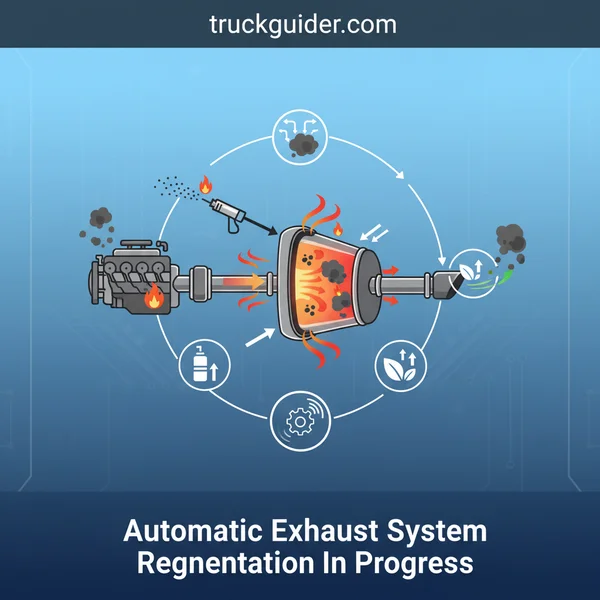
This message is your truck’s way of telling you that the exhaust system is too full of soot to function efficiently. Think of this process as a self-cleaning oven. Your engine is intentionally raising its internal temperature to incinerate the trapped particles and turn them into fine ash. By maintaining your speed and keeping the engine running, you provide the heat and airflow necessary to complete the cycle and protect your engine from long-term damage.
Understanding the Diesel Particulate Filter (DPF) Cleaning Cycle
The Diesel Particulate Filter, or DPF, is a physical trap located in your exhaust stream. Its sole job is to catch black smoke and soot before they exit the tailpipe. While this is great for the environment, that soot eventually fills up the filter’s honeycomb structure. If the filter becomes 100% blocked, your engine cannot “breathe,” leading to a total loss of power. The “Automatic Regeneration” message means the onboard computer has detected a high soot load and has begun the process of burning it off.

How the Cleaning Process Works
When the regeneration cycle starts, your vehicle’s engine control module (ECM) adjusts several parameters to spike the exhaust temperature. It may inject a small amount of extra diesel fuel into the exhaust stroke or utilize a dedicated fuel injector near the filter. This fuel ignites within the catalyst, pushing temperatures inside the DPF to upwards of 1,100°F (600°C). At these extreme temperatures, the black soot is oxidized and converted into a tiny amount of ash, which takes up significantly less space.
- Visual Signs: You might notice a slight change in engine sound or a higher idle RPM (often jumping from 700 to 1,000 RPM).
- Scent: It is normal to smell a faint “burning” or hot metallic scent near the vehicle during this time.
- Heat: The area around the tailpipe will become extremely hot; avoid parking over dry grass or combustible materials while the message is active.
Active vs. Passive Regeneration
Under normal highway driving conditions, your exhaust naturally stays hot enough to burn off soot as you drive—this is called passive regeneration. However, if you spend most of your time in stop-and-go traffic, the exhaust never reaches the required “clean-out” temperature. This triggers an active regeneration. The dashboard message you see now is an alert that the vehicle is taking manual control of the cleaning process because your recent driving habits haven’t allowed it to happen naturally.
Factors That Trigger Automatic Exhaust Regeneration
Your vehicle doesn’t choose a random time to start a regeneration cycle. The onboard computer monitors the “pressure differential” between the front and the back of the DPF. When the soot builds up, the pressure behind it rises, signaling that the filter is becoming a bottleneck. Most modern diesel engines (such as the Duramax, PowerStroke, or Cummins) will trigger an automatic regeneration once the soot load reaches a specific threshold, typically between 70% and 85% capacity.
The Impact of Short Commutes and City Driving
The biggest trigger for frequent regeneration messages is “short-tripping.” If your daily drive is less than 15 minutes or consists of low-speed neighborhood streets, your engine never reaches its optimal operating temperature. This causes “wet” soot to accumulate much faster than it would on the highway. If you see this message frequently, it is likely because your exhaust system isn’t getting long enough “runs” to stay clean on its own.
- Stop-and-Go Traffic: Constant braking and accelerating creates more particulate matter than steady-state cruising.
- Low Engine Loads: Driving with an empty bed or without a trailer reduces the heat generated by the engine, speeding up soot accumulation.
- Cold Weather: In freezing temperatures, the engine takes longer to warm up, often resulting in more frequent “Regen in Progress” alerts.
Excessive Idling and Its Consequences
Idling is one of the worst things you can do for a modern diesel exhaust system. When an engine idles, it burns fuel inefficiently and produces a high volume of soot. Because there is very little heat moving through the exhaust while parked, that soot settles directly into the DPF. If you frequently leave your truck running while parked at job sites or during deliveries, you are forcing the system to work overtime. High idle times will drastically shorten the intervals between regeneration cycles and can eventually lead to a “Service DPF” warning that requires a dealership visit to reset.
By understanding these triggers, you can better predict when a cycle might start. If you’ve spent the last three days idling at a construction site or driving through heavy city traffic, don’t be surprised when the message appears the moment you finally hit the open road. The system has been waiting for the right conditions to purge the buildup, and it is now taking the opportunity to do so.
Risks Associated with Interrupted Regeneration Cycles
It might be tempting to ignore the dashboard alert and park the car when you’ve reached your destination. However, consistently cutting a regeneration cycle short is a recipe for mechanical headaches. When the process is interrupted, the soot remains trapped within the filter, and the exhaust temperature drops before it can oxidize the particles. This leads to a rapid accumulation that the system may not be able to handle during the next drive.
The “Limp Mode” Trap
If you interrupt the cycle too many times, the Diesel Particulate Filter (DPF) reaches a critical level of soot saturation. Eventually, the vehicle’s onboard computer realizes it can no longer safely clean itself. This often triggers “limp mode,” a safety feature that drastically reduces engine power and speed to prevent permanent damage. Once your vehicle enters this state, you can no longer clear the filter by driving; you will likely need a “forced regeneration” performed by a professional technician using specialized diagnostic tools.
Oil Dilution and Engine Wear
During an active regeneration, the engine injects extra fuel into the cylinders to raise the exhaust temperature. If you shut down the engine mid-process, some of that unburnt fuel can seep past the piston rings and mix with your engine oil. Over time, this “oil dilution” thins the lubricant, which can lead to premature wear on critical engine components like bearings and turbochargers. Monitoring your oil level is crucial if you frequently experience interrupted cycles.
- Increased Fuel Consumption: A partially clogged DPF creates backpressure, forcing the engine to work harder and burn more fuel.
- Expensive Replacements: While a cleaning is manageable, a total DPF failure can cost thousands of dollars in parts and labor.
- Thermal Stress: Repeatedly heating the system to high temperatures without allowing it to complete the cooling phase can cause metal fatigue in the exhaust housing.
Long-Term Maintenance Tips for Healthy Diesel Exhaust Systems
Maintaining a healthy exhaust system doesn’t just happen by accident; it requires a proactive approach to how you drive and care for your vehicle. Keeping the DPF clean is much easier—and significantly cheaper—than fixing a neglected one.
Drive with Purpose
Modern diesel engines are not designed for exclusively short, low-speed city trips. If your daily commute involves heavy stop-and-go traffic, soot builds up much faster than the system can burn it off. To combat this, aim to take your vehicle on a “highway run” at least once every two weeks. Driving at a steady speed (typically above 40-50 mph) for 20 to 30 minutes allows the exhaust to reach the temperatures necessary for passive regeneration. This natural cleaning happens in the background without the computer needing to trigger a forced active cycle.
Use the Correct Fluids
Not all engine oils are created equal. Diesel vehicles equipped with DPFs require specific “Low SAPS” (Sulphated Ash, Phosphorus, and Sulphur) oils. Standard oils can produce metallic ash when burned, which—unlike soot—cannot be removed through regeneration. This ash permanently blocks the filter over time. Additionally, using high-quality, premium diesel fuel can help minimize the initial soot production during the combustion process.
- Monitor AdBlue Levels: If your vehicle uses Selective Catalytic Reduction (SCR), never let your Diesel Exhaust Fluid (AdBlue) run dry, as it is essential for neutralizing NOx emissions.
- Check for Sensor Faults: Sometimes a “regeneration” message is actually caused by a faulty pressure sensor rather than a full filter; stay on top of diagnostic codes.
- Maintain the Air Intake: A dirty air filter or a leaking turbo hose can cause an “air-starved” engine, leading to excessive black smoke and rapid DPF clogging.
Conclusion
Seeing the “automatic exhaust system regeneration in progress” message is no reason for alarm. It is simply your vehicle doing its job to stay clean, efficient, and compliant with emissions standards. By understanding the importance of finishing the cycle and avoiding frequent interruptions, you protect your engine from unnecessary wear and avoid expensive garage bills. Your next steps are simple: keep an eye on your dashboard, prioritize those longer highway drives, and always use the manufacturer-recommended fluids. If the warning light stays on or your car feels sluggish, don’t wait—consult a professional to catch small issues before they become big problems. Keep driving, keep it hot, and your diesel engine will reward you with years of reliable service!
💬 Quick Questions & Answers
Can I turn off my vehicle while regeneration is in progress?
No, you should keep driving to allow the system to reach the necessary temperature to finish cleaning.
How long does the exhaust regeneration process usually take?
The process typically takes between 15 and 30 minutes of consistent highway driving.
Is it safe to continue driving with this message on?
Yes, it is safer to continue driving at steady speeds than to stop or idle the vehicle.
Why did the ‘regeneration in progress’ message appear now?
The soot levels in your DPF have reached a limit that requires high-heat cleaning to prevent a blockage.
What happens if I ignore the regeneration alert?
Your vehicle will eventually lose power, enter ‘limp mode,’ and require an expensive manual regeneration at a dealership.
❓ Frequently Asked Questions
What exactly is happening during automatic exhaust regeneration?
The engine control module increases exhaust temperatures to incinerate soot trapped in the DPF, converting it into a small amount of ash. This prevents the filter from becoming physically blocked, which would otherwise restrict exhaust flow and choke engine performance.
Why does my truck smell like burning or hot metal during this process?
This is a normal side effect as the exhaust system reaches significantly higher temperatures than usual to burn off carbon deposits. You may also notice a slight change in engine tone or a minor, temporary decrease in fuel economy while the cycle is active.
What driving conditions are best for completing a regeneration cycle?
Steady highway speeds of 40-60 mph are ideal because they provide the consistent heat and airflow required to finish the burn. Frequent stop-and-go driving or prolonged idling are common causes for the system’s inability to complete a cycle naturally.
Will the dashboard message go away on its own?
Yes, once the soot levels in the filter have dropped to a safe range, the vehicle will automatically end the cycle and the message will disappear. If the light stays on after 45 minutes of driving, it may indicate a sensor fault or a filter that is too full to clean itself.
What is the difference between active and passive regeneration?
Passive regeneration happens naturally during high-speed driving without any notification, while active regeneration (the message you see) is a forced process initiated by the computer when passive cleaning hasn’t been sufficient. Both are essential for the longevity of modern diesel emission systems.
Can I use fuel additives to prevent the need for regeneration?
While certain high-quality additives can help lower the temperature at which soot burns, they do not eliminate the need for periodic regeneration. The best prevention is ensuring the vehicle regularly sees highway use rather than short, low-speed trips.


![General Grabber Atx Vs Toyo Open Country At3: In-Depth Review [2026]](https://truckguider.com/wp-content/uploads/2026/03/featured-f7dd3935-768x768.webp)
![2014 Dodge Ram Rear Bumper: Fitment Guide & Best Prices [2026]](https://truckguider.com/wp-content/uploads/2026/03/2014-dodge-ram-rear-bumper-featured.webp)
![2 In 2 Out Muffler vs 2 Mufflers: Expert Review [2026]](https://truckguider.com/wp-content/uploads/2026/03/2-in-2-out-muffler-vs-2-mufflers-featured.webp)