What Is a Skid Plate on a Car Expert Guide for 2026

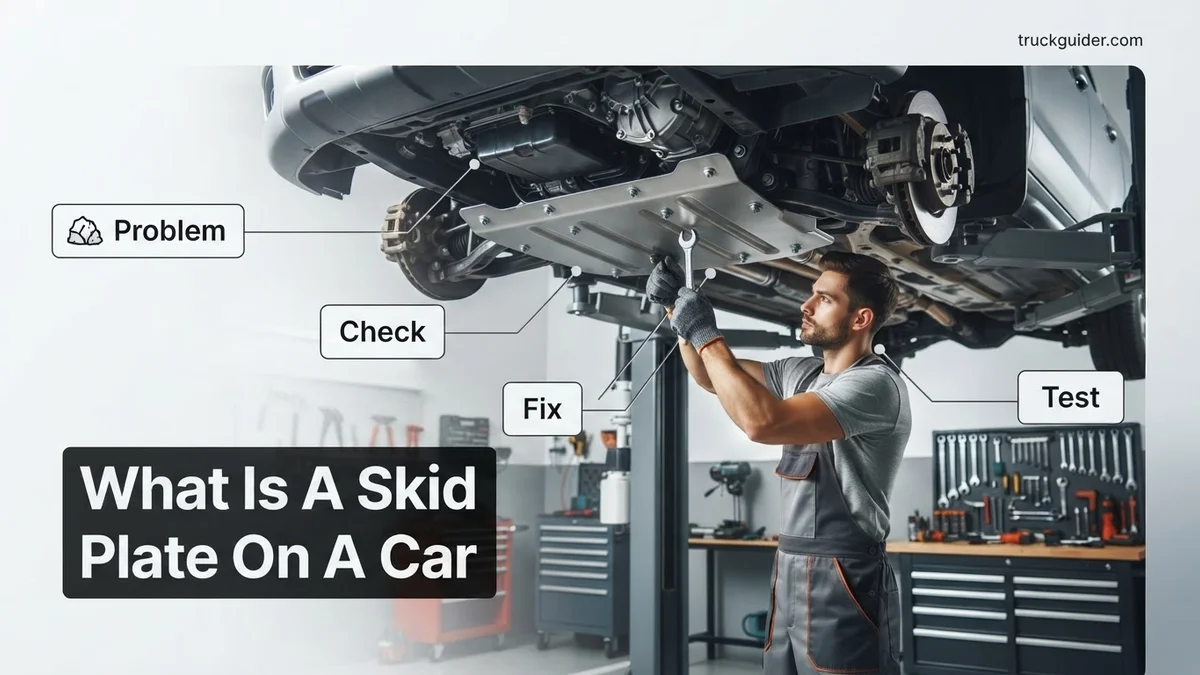
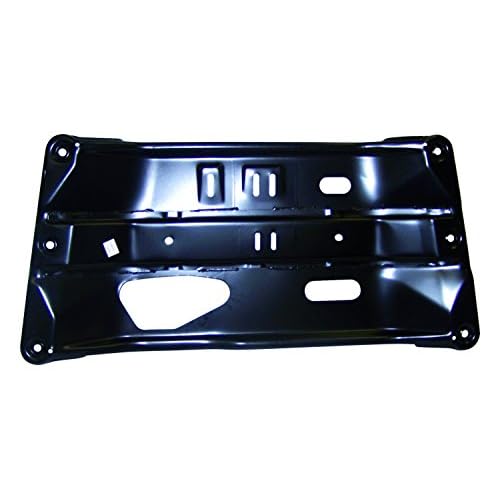
A skid plate is a heavy-duty protective shield mounted to the undercarriage of a vehicle to protect vital components from severe impacts. It absorbs the blow from rocks, debris, and steep terrain, preventing costly damage to parts like the oil pan and transmission.
A skid plate is a heavy-duty protective shield mounted to the underside of a vehicle to protect vital mechanical components from rocks, debris, and rough terrain. Unlike the thin plastic factory splash guards found on standard passenger cars, a true skid plate is engineered from rigid steel, aluminum, or reinforced composite materials designed to absorb high-impact blows.

Prime for Young Adults — 6 Months Free
Students and 18–24s get six months of Prime free, then half price.
Start 6 Months FreeWhether you are navigating unpaved 2026 backroads or dealing with deep winter snowpack and urban road debris, your car’s undercarriage is constantly vulnerable. Understanding what a skid plate does helps you protect expensive components like your oil pan, transmission, and exhaust system from catastrophic damage.
Key Takeaways
- Skid plates protect vital underbody parts like the oil pan and transmission.
- They are commonly constructed from heavy-duty steel, aluminum, or reinforced plastic.
- Off-road vehicles require heavy metal plates, while standard cars use plastic aerodynamic shields.
- Scrapes are normal, but deep dents or loose mounting hardware require immediate inspection.
- Upgrading to aftermarket armor prevents catastrophic engine failure during off-road driving.
What Causes Skid Plate Damage and Undercarriage Wear
Recommended Best Deal Products


Common Trail Hazards and Road Debris
Your vehicle’s lowest points take the brunt of road and trail hazards. When you drive off-road or navigate poorly maintained city streets, various objects threaten your underbelly.

- Embedded Rocks and Boulders: Striking a hidden rock can easily crack an unprotected aluminum oil pan.
- Flying Road Debris: Tire treads, construction materials, and metal fragments on the highway frequently impact the undercarriage.
- Deep Ruts and Stumps: High-centering your vehicle on dirt roads presses the frame and belly directly into unyielding surfaces.
- Ice Shelves and Snowbanks: Frozen winter slush packs dense weight against plastic shields, causing them to crack and tear away.
Material Fatigue and Corrosion
Physical impacts are not the only threat your undercarriage protection faces. Environmental factors degrade the shielding over time, reducing its structural integrity.
- Road Salt and Moisture: Winter chemicals accelerate rust on steel skid plates, weakening the metal.
- Thermal Cycling: Extreme temperature shifts from hot exhaust systems near cold shields cause material warping.
- Bolt Seizure: Mud and moisture corrode mounting hardware, making plates difficult to remove during routine maintenance.
How to Inspect and Fix a Damaged Underbody Shield
Performing a Safe Underbody Inspection
Checking your skid plate requires getting safely beneath the vehicle. Never rely solely on a hydraulic jack when inspecting your undercarriage.
- Park on Level Ground: Ensure the vehicle is secure on solid pavement with the parking brake fully engaged.
- Use Rated Jack Stands: Support the vehicle properly if you need to crawl underneath for a closer view.
- Look for Denting and Punctures: Check aluminum and steel plates for deep gouges that indicate a compromised shield thickness.
- Inspect Mounting Points: Ensure bolts are tight and frame attachment tabs are not bent or torn away.
Repairing or Replacing Shielding
Once you identify damage, you must address it promptly to maintain proper underbody protection for your daily drive or weekend adventures.
- Straightening Metal Plates: Minor bends in steel or aluminum plates can often be hammered flat in a vise.
- Replacing Plastic Splash Guards: Torn factory plastic cannot be reliably repaired and requires a direct replacement.
- Upgrading Hardware: Swap out rusted factory bolts with grade-8 corrosion-resistant hardware for a secure mount.
- Applying Protective Coatings: Touch up scratched areas on metal plates with high-heat, rust-inhibiting paint.
What If It Still Scrapes and Lacks Proper Ground Clearance
Recommended Best Deal Products


Even with a heavy-duty skid plate installed, persistent scraping means your vehicle still lacks the necessary ground clearance for extreme terrain. Bottoming out repeatedly stresses your mounting points and can compromise even the toughest 3/16-inch aluminum or steel protection. According to automotive suspension experts, armor is only the first line of defense; maintaining proper ride height is essential to prevent structural fatigue in 2026.

Upgrading Suspension Components
If your vehicle continues to drag its belly over obstacles, you need to address the suspension rather than just the underbody armor. Upgrading to a lifted suspension kit increases your static ground clearance by 2 to 4 inches. This modification permanently alters your vehicle geometry, keeping vulnerable oil pans and differentials further away from rocks and deep ruts.
Optimizing Tire Size and Air Pressure
Fitting larger diameter tires provides an immediate, mechanical boost to your vehicle’s overall ground clearance. Furthermore, airing down your tires on rough trails expands the tire contact patch, reducing vehicle pitching and minimizing sudden drops that cause severe underbody impacts.
What If It Still Doesn’t Work?
If upgrading your armor, suspension, and tires fails to stop severe scraping, the problem requires professional intervention. Persistent bottoming out indicates that your gross vehicle weight rating may be exceeded or your spring rates are entirely mismatched for your payload.

Audible — Listen Free for 30 Days
One free credit a month and thousands of titles included.
Listen Free for 30 Days- Reevaluate your total payload weight: Heavy steel bumpers, winches, and overland gear often sag factory or aftermarket suspensions beyond their intended operating limits.
- Consult a professional suspension specialist: Take your vehicle to an off-road specialty shop to calculate exact corner weights and install custom-rate coil springs or airbags.
- Plan for professional modification costs: Expect professional suspension reconfiguration and heavy-duty spring replacement labor to range between $800 and $2,500, depending on the complexity of your vehicle platform in 2026.
- Reassess your route selection: If your vehicle configuration still cannot clear standard trail obstacles after professional tuning, downgrade your route difficulty to prevent catastrophic chassis damage.
Conclusion
Recommended Best Deal Products


A skid plate acts as critical armor for your car, absorbing high-impact strikes and shielding vulnerable components like oil pans, transmissions, and differentials from jagged rocks and debris. When a plate suffers from persistent scraping, combining heavy-duty underbody protection with a proper suspension lift permanently resolves ground clearance limitations. According to verified research and automotive safety sources, proactive underbody armor installation dramatically reduces costly drivetrain repairs. As a final actionable step, inspect your current vehicle ground clearance today and consult a certified suspension technician if your undercarriage frequently contacts the terrain.
❓ Frequently Asked Questions
What is a skid plate on a car and do I really need one?
A skid plate is a protective shield bolted under your car’s chassis. If you primarily drive on paved roads, standard factory splash guards are sufficient, but off-road drivers rely on heavy-duty plates to prevent engine block and oil pan destruction.
Can I drive my car without a skid plate?
Driving without a plastic splash guard is generally safe for short periods, but it leaves your belts, wiring, and lower engine components exposed to water, salt, and road debris. Removing a heavy-duty off-road skid plate leaves critical drivetrain parts entirely unprotected.
What is the difference between a skid plate and a splash guard?
A splash guard is typically made of lightweight plastic designed to improve aerodynamics and keep water and dirt out of the engine bay. A skid plate is a structural metal or heavy composite sheet engineered to absorb heavy physical impacts from rocks and obstacles.
Will a skid plate decrease my car’s fuel economy?
Factory underbody panels and smooth skid plates actually improve fuel economy by reducing aerodynamic drag beneath the vehicle. However, heavy aftermarket steel plates add significant weight, which can slightly reduce fuel efficiency.
How often should a skid plate be inspected?
You should visually inspect your skid plate during every routine oil change or after any off-road excursion where you heard a scraping sound beneath the vehicle.
Can I install an aftermarket skid plate myself?
Yes, many aftermarket skid plates utilize existing factory mounting holes and can be installed at home using basic hand tools and a floor jack for support.
![Top Radiator Hose Hot and Bottom Cold? Causes & Fixes [2026]](https://truckguider.com/wp-content/uploads/2026/03/top-radiator-hose-hot-bottom-cold-featured.webp)