1998 Ford F150 Fuse Box Diagram: Mapped Out by Circuit Location

The 1998 Ford F-150 relies on a dual-panel electrical architecture to manage power distribution across its various systems, from the powertrain control module to the climate control fans. Finding the correct 1998 ford f150 fuse box diagram is the most effective way to diagnose common electrical gremlins, such as dead cigarette lighters, non-responsive power windows, or intermittent engine misfires, without needing a professional mechanic.


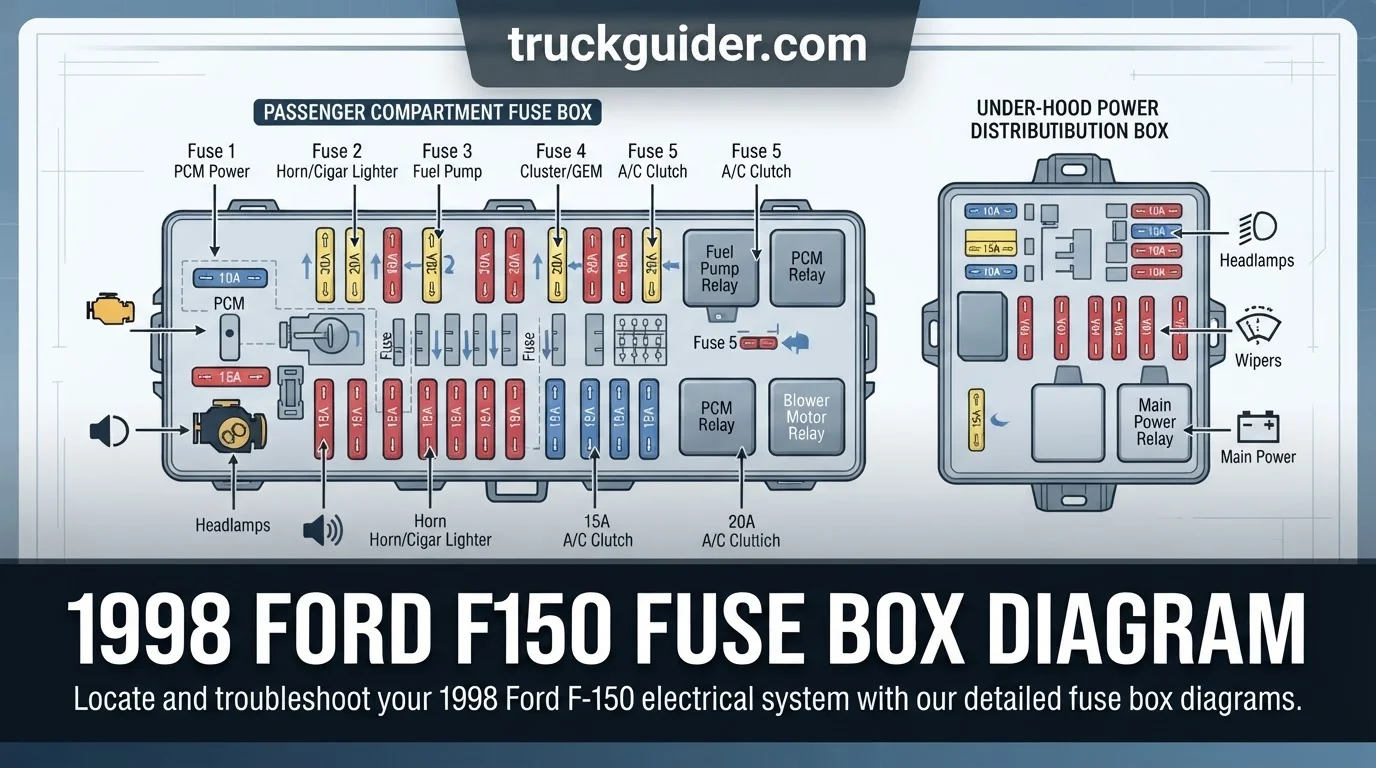
1998 Ford F150 Fuse Box Diagram: Reference Data
How to Read This Chart
The chart above outlines common high-traffic circuits found in the 1998 model year. The “Location” column specifies whether you should check the interior panel (driver side kick panel) or the Power Distribution Box (under the hood, usually near the master cylinder).
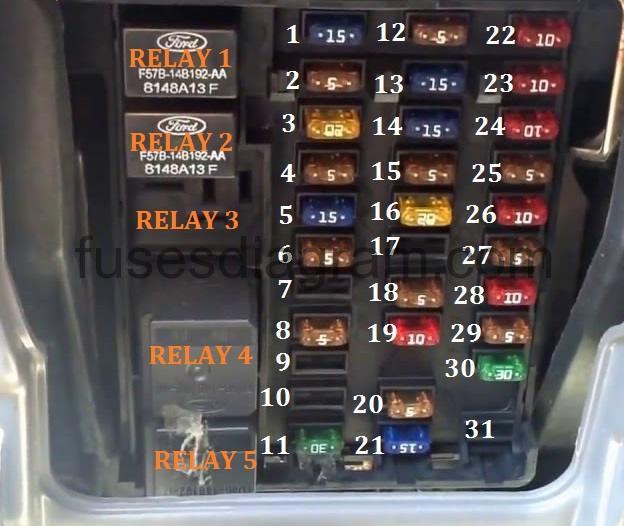
Note that “Typical Rating” refers to standard factory specifications. Always cross-reference these with the physical plastic casing of the fuse currently installed in your vehicle, as modifications by previous owners may have altered the configuration. If your specific trim level differs, consult the vehicle owner’s manual for potential variations in relay orientation.

Understanding the 1998 Ford F150 Fuse Box Diagram Layout
The 1998 F-150 platform represents a critical transition in Ford’s truck design. Understanding the structural differences between the interior and exterior boxes is a primary advantage for any DIY enthusiast. The interior panel serves as the primary hub for cabin accessories like interior lights, radio, and dashboard instruments.

Conversely, the engine bay Power Distribution Box manages high-current systems. This includes the starter solenoid, fuel pump, and alternator circuits. A comparison between these two zones reveals that the engine bay contains larger, heavy-duty fuses and relays designed to withstand higher temperatures and vibration, which is a key safety feature.
Common Advantages and Disadvantages of DIY Troubleshooting
Troubleshooting your truck’s electrical system on your own offers significant pros, such as avoiding expensive hourly shop fees and learning the intimate details of your vehicle’s wiring specifications. However, there are notable disadvantages if proper safety protocols are ignored.
Pros of DIY Repair
Significant cost savings, immediate resolution of simple issues like blown bulbs or dead outlets, and a deeper understanding of your vehicle’s electrical health.
Cons of DIY Repair
Risk of short-circuiting sensitive electronics, potential to cause fire hazards if the wrong fuse rating is used, and time-consuming diagnostic loops.



Step-by-Step Guide: Navigating Your Electrical Panel
Always turn off the ignition and remove the key. For extra safety, disconnect the negative battery terminal before handling the under-hood power distribution box.
Identify the fuse cover. The underside of the cover usually contains a printed diagram. Match this layout to the actual slots to ensure you are looking at the correct circuit.
Use a fuse puller tool to remove the suspect fuse. If the internal metal wire is broken or charred, replace it with a new fuse of the exact same color and amperage.
🔎 How to Identify Your Specific Fuse Panel Version
Because Ford produced various configurations for the 1998 F-150 based on engine size (e.g., 4.2L V6 vs. 5.4L V8) and trim levels like the Lariat or XLT, the exact layout may shift slightly. To find your version:
- Locate the build sticker inside the driver’s side door jamb to confirm your exact production month and trim level.
- Open the Owner’s Manual or the physical fuse panel cover—this is the most accurate source for your specific vehicle.
- Compare your physical fuse layout against standard documentation to confirm if any previous owner modifications exist.
Before pulling fuses, use a multimeter to check for continuity across the top two test points of a fuse. This allows you to test without pulling, keeping the circuit integrity intact while you hunt for the culprit.



What If the Problem Persists After Replacing the Fuse?
If you have replaced a blown fuse and it continues to blow repeatedly, you likely have a short-to-ground in the wiring harness. Replacing the fuse again is not the solution; the circuit is drawing more power than the rating allows, which is a symptom of a larger issue.
- Inspect the wiring harness for signs of fraying or heat damage near the affected circuit.
- Check the specific component (e.g., the blower motor or radio unit) for internal failures that might be causing the draw.
- If the issue is in a deep harness area or involves the ECU, consult a certified automotive electrician. Professional diagnostics typically range from $100 to $250 depending on the complexity of the trace.
Frequently Asked Questions
Can I use a higher amperage fuse if I don’t have the right one?
No, you should never replace a fuse with one of a higher rating. The fuse is designed to protect your vehicle’s wiring; installing a higher-rated fuse can cause wires to melt or start an electrical fire before the fuse ever blows.
Why are some slots in the 1998 Ford F150 fuse box empty?
It is perfectly normal to have empty slots. These are often reserved for optional equipment or packages that your specific truck might not have been equipped with from the factory, such as trailer towing packages or premium audio upgrades.
Key Takeaways
-
✓
Distinguish between the PDB (engine bay) for high-current relays and the CJB (interior) for cabin accessories. -
✓
Use the pros and cons of visual inspection versus multimeter testing for accurate circuit diagnosis. -
✓
Understand the specific advantages of identifying relay-controlled circuits versus direct-fused circuits. -
✓
Recognize the disadvantages of using incorrect fuse amperages, which can cause permanent harness damage. -
✓
Gain expert insight into decoding the abbreviations found on your specific truck’s fuse panel cover.
❓ Frequently Asked Questions
1
What is the 1998 Ford F-150 fuse box diagram?
The 1998 Ford F-150 fuse box diagram is a technical schematic that identifies the location, amperage, and function of every fuse and relay in your truck. It maps out the Power Distribution Box under the hood and the Central Junction Box behind the instrument panel, allowing for accurate electrical troubleshooting.
2
How does the electrical distribution system work?
The system divides power based on load requirements. High-current components like the starter and cooling fans are managed by the engine bay Power Distribution Box. Lower-current cabin accessories, such as the radio, interior lighting, and wipers, are routed through the interior Central Junction Box for easier driver access.
3
Why is this diagram important for maintenance?
Having the correct diagram is critical because it prevents guesswork. Using the wrong fuse amperage can lead to electrical fires or melted wiring harnesses. By using the diagram, you ensure that every circuit is protected by the manufacturer’s specified capacity, maintaining the safety and longevity of your vehicle’s electronics.



4
What are the benefits of checking my own fuses?
Troubleshooting your own electrical system offers the advantages of immediate diagnosis and significant cost savings. Instead of paying for a mechanic’s labor just to replace a simple fuse, you can identify the failure point yourself and resolve minor power-loss issues in minutes, getting your truck back on the road.
5
How can I get started with electrical testing?
Start by identifying your specific symptoms, such as non-working windows or lights. Locate the corresponding fuse in your diagram. Use a multimeter to check for voltage on both sides of the fuse pins. If you have no power on either side, check the relay; if you have power on one side but not the other, the fuse is blown.
6
Where is the fuse box located in a 1998 F-150?
The 1998 F-150 has two main fuse boxes: the Power Distribution Box (PDB) is under the hood, typically near the battery, and the Central Junction Box (CJB) is inside the cabin, often behind the passenger-side kick panel or under the dash. Both locations are detailed with diagrams in this guide.


![3.6 Pentastar Oil Type & Capacity Guide (2011: Specs & Fitment Guide [2026]](https://truckguider.com/wp-content/uploads/2026/03/3-6-pentastar-oil-type-featured.webp)