1999 Chevy Silverado Fuel System Diagram: Component & Repair Guide 2026

The 1999 Chevy Silverado fuel system utilizes a returnless design on the fuel rail. The high pressure fuel pump is submerged within the tank assembly. Key lines run from the fuel filter to the engine bay rail, while the fuel return line functionality is integrated into the fuel pressure regulator near the pump assembly.
📌 Key Takeaways
- Fuel pressure should measure between 50-60 PSI with the ignition in the ON position.
- The fuel filter is located along the driver-side frame rail, secured by a quick-connect bracket.
- Always relieve system pressure via the Schrader valve on the fuel rail before opening lines.
- The most common failure point is the fuel pump sending unit causing intermittent fuel level readings.
- If the vehicle cranks but fails to start, verify 12V power at the fuel pump relay before dropping the tank.
The 1999 model year represents a pivotal transition for General Motors, marking the introduction of the GMT800 platform. Mastering the 1999 Chevy Silverado fuel line diagram is essential for any technician tasked with maintaining the Vortec V8 fuel delivery architecture. Whether you are addressing restricted fuel flow, persistent long-crank conditions, or deteriorating nylon line integrity, understanding the routing from the in-tank pump module to the fuel rail is non-negotiable. This guide provides the technical breakdown of the supply and return circuits, the critical interface of quick-connect fittings, and the diagnostic procedures required to maintain factory-specified fuel pressures across the high-pressure injection system.

Prime for Young Adults — 6 Months Free
Students and 18–24s get six months of Prime free, then half price.
Start 6 Months Free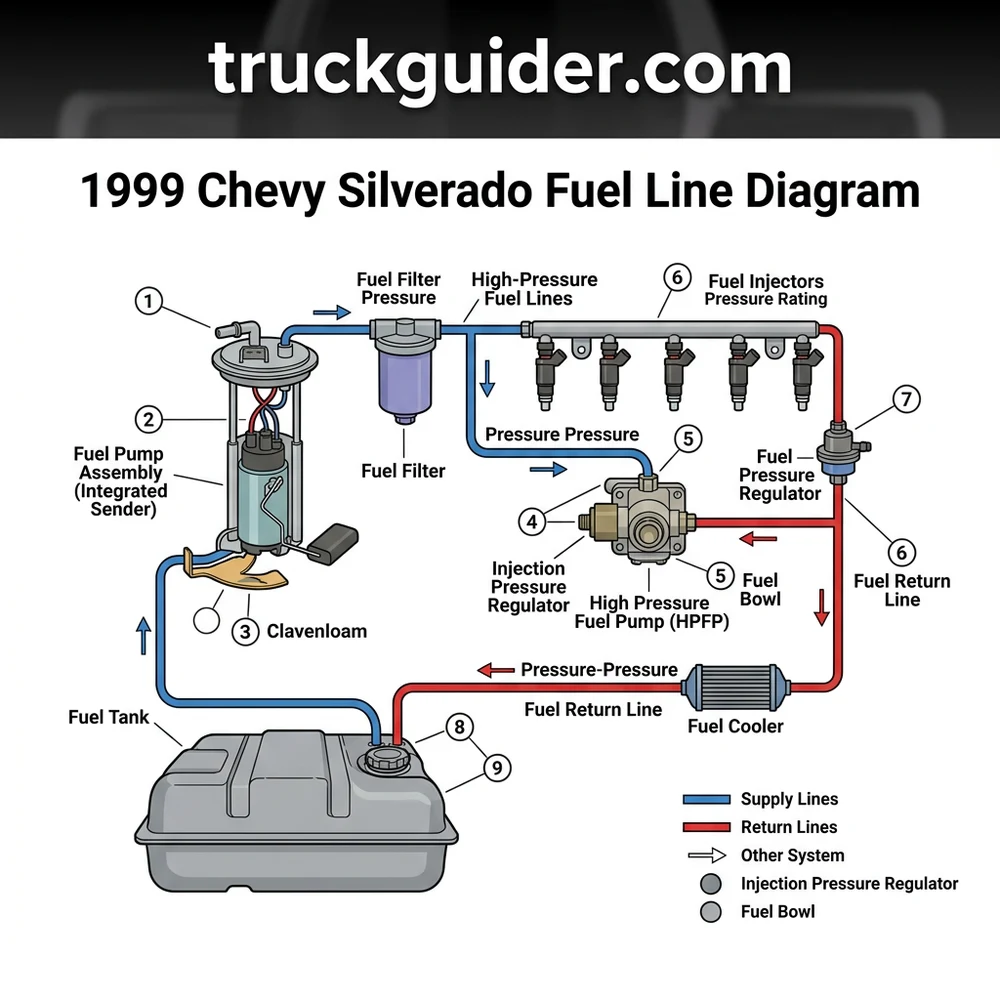
1999 Chevy Silverado Fuel Line Diagram: Component Roles Explained
Recommended Best Deal Products


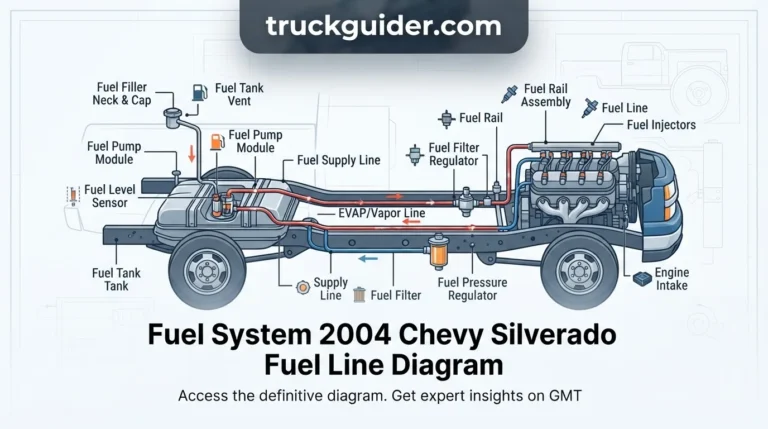
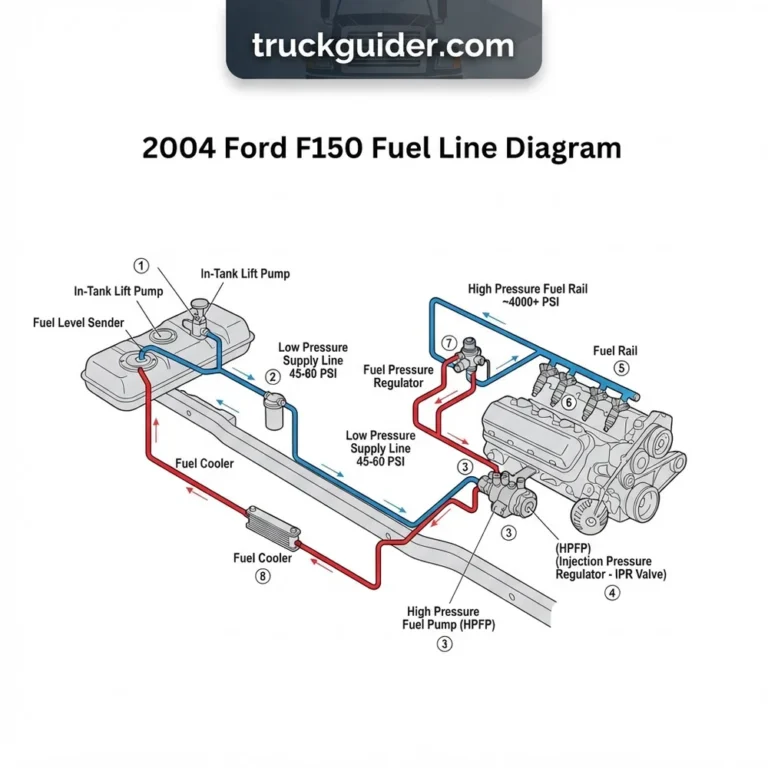
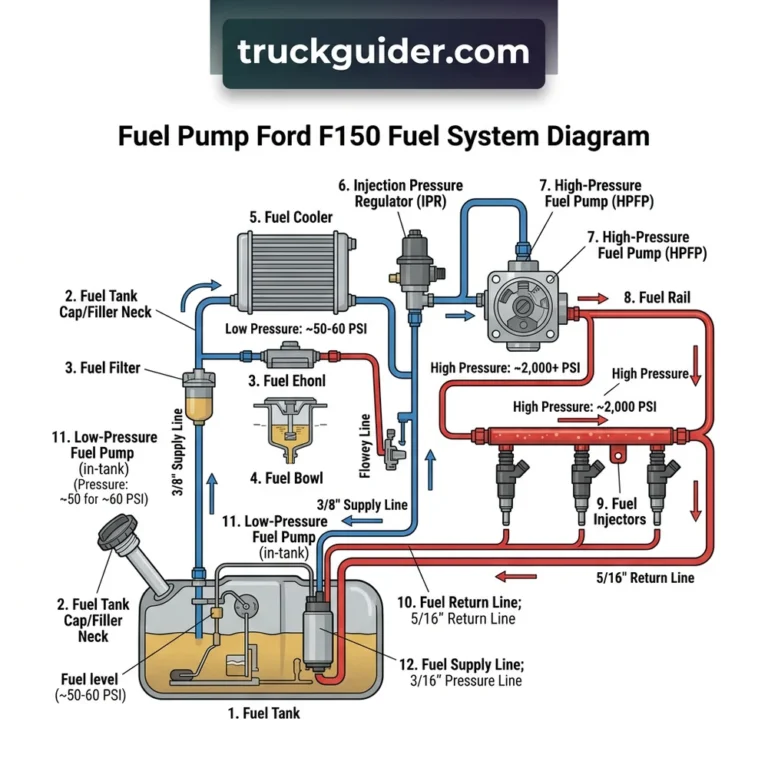
The fuel delivery system on the 1999 GMT800 platform utilizes a multi-port fuel injection (MFI) configuration. The primary flow path originates at the high-pressure fuel pump module, which is submerged within the fuel tank. This module performs three distinct roles: primary pumping, reservoir baffling, and fuel level sending. The supply line, typically constructed of high-density nylon with quick-connect interface ends, carries fuel to the chassis-mounted fuel filter before reaching the engine-mounted fuel rail.
The following table details the functional flow of components found within the 1999 Chevy Silverado fuel line diagram, emphasizing the relationship between high-pressure delivery and managed return flow.
| Component | Function | Technical Specification |
|---|---|---|
| Fuel Pump Module | Provides initial volume and pressure | 55–62 PSI (Engine Running) |
| Supply Line | Transports fuel to the rail | 3/8 inch nylon tubing |
| Fuel Filter | Traps debris before injection | 10–20 micron rating |
| Fuel Return Line | Regulates system pressure | 5/16 inch return orifice |
| Fuel Pressure Regulator | Maintains constant pressure | Vacuum referenced (Vortec) |
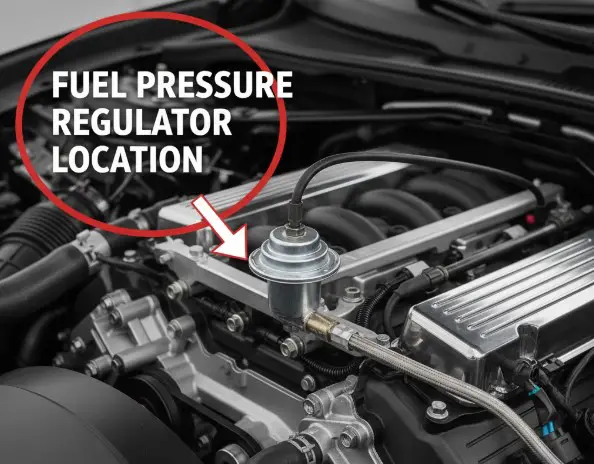
While heavy-duty diesel variants utilize a sophisticated fuel heater and primer pump assembly to maintain flow in extreme environments, the 1999 gasoline Vortec engines rely on a vacuum-referenced fuel pressure regulator. In these gasoline engines, the fuel return line operates by shunting excess fuel volume back to the tank to prevent overheating the pump module. The fuel pressure regulator sits at the end of the fuel rail, effectively controlling the system’s dynamic pressure based on manifold vacuum readings. If the fuel rail experiences a pressure drop, the diaphragm within the regulator adjusts to restrict return flow, ensuring the high-pressure demand is met during wide-open throttle conditions. Proper routing of these lines is critical to prevent vibration-induced chafing against the frame rail or exhaust manifold, which can cause severe fire hazards or erratic fuel delivery symptoms.
On the 1999 Silverado, the fuel pump module is sensitive to dry-running conditions. Because the fuel acts as both a lubricant and a coolant for the pump motor, maintaining a minimum of 1/4 tank of fuel is standard practice to extend the service life of the pump and internal pressure check valves.
Common 1999 Chevy Silverado Fuel Line Diagram Failure Symptoms

Diagnostic accuracy on the GMT800 architecture relies on identifying the specific failure points within the fuel line diagram. Common issues often stem from the degradation of the quick-connect fittings or the internal fatigue of the fuel supply line nylon. Because the fuel lines are exposed to road salt, moisture, and varying thermal cycles, the metal union points at the chassis-to-engine transition often become corroded.
Symptoms of Fuel Delivery Instability
A primary symptom of a compromised fuel circuit is the “extended crank” phenomenon. If the check valve inside the fuel pump module fails, the pressure cannot be held in the rail during an engine-off state. When the ignition is cycled, the system must prime from zero PSI, causing a prolonged start. Alternatively, a restricted fuel filter or a pinched line, visible as a deformity on the supply side of the 1999 Chevy Silverado fuel line diagram, will result in a lean condition under load. Technicians should monitor fuel trim values (STFT/LTFT) via OBD-II diagnostic tools; positive fuel trims indicate the PCM is compensating for a lack of fuel volume delivered through the supply line.
Quick-Connect Fitting Integrity
The quick-connect fittings utilize internal O-rings that degrade over time, leading to external fuel seepage. While these fittings provide efficient serviceability, they are susceptible to damage during removal if the incorrect pick or release tool is utilized. If you detect the odor of raw gasoline near the driver-side frame rail, immediate inspection of these connections is required. The fuel return line is particularly susceptible to rust-through at the tank header plate, which can create a vacuum leak in the fuel pump module’s venturi system, further hindering consistent pressure regulation.
Gasoline vapor is highly flammable. Never perform repairs on the fuel system near open flames or high-heat sources. Ensure the shop area is well-ventilated and that a fire extinguisher rated for Class B/C fires is within reach at all times during fuel line service.
How to Repair 1999 Chevy Silverado Fuel Lines: Step-by-Step
Recommended Best Deal Products


Replacing damaged lines according to the 1999 Chevy Silverado fuel line diagram requires specific tools: a set of fuel line quick-connect disconnect tools, a fuel pressure gauge, and replacement nylon line repair kits or OEM-spec steel assemblies. Always verify the pressure at the Schrader valve located on the engine-side fuel rail before beginning invasive repairs.

Audible — Listen Free for 30 Days
One free credit a month and thousands of titles included.
Listen Free for 30 DaysDepressurizing the Injection System
Before you detach any fittings, you must relieve the residual pressure. Locate the fuel pump relay in the under-hood electrical center. Remove the relay, then crank the engine until it stalls. This effectively purges the supply line and lowers the pressure at the fuel rail. Even after the engine stalls, you must use a rag over the Schrader valve and manually depress the pin to ensure no high-pressure fuel is trapped.
Replacing Damaged Line Sections
1. Identification: Reference the 1999 Chevy Silverado fuel line diagram to distinguish between the supply line and the return line. The supply line is larger (3/8 inch) than the return line (5/16 inch).
2. Preparation: Clean all dirt and debris from the quick-connect fittings using compressed air or a light solvent. Grit ingress can destroy the O-ring seal during the removal process.
3. Disconnection: Apply the appropriate size quick-connect tool to the fitting. Apply firm, steady pressure toward the female end to release the retaining fingers. Once released, pull the male line end straight out of the socket.
4. Installation: Ensure the new line ends are free of burrs. Lubricate the new O-rings with clean engine oil or an approved fuel-line assembly lubricant. Insert the line into the fitting until an audible click is heard, indicating the retaining clip has seated.
5. Verification: Once installed, reinstall the fuel pump relay. Cycle the ignition to the “ON” position (do not start the engine) three times to prime the system. Use the pressure gauge at the Schrader valve to verify that the system is holding at the nominal 55–62 PSI. Check every connection point for dampness or active leaks before considering the repair complete.
For the 1999 5.3L/6.0L Vortec variants, the operating fuel pressure spec is 55–62 PSI. If the engine is at idle, you should observe a drop of approximately 3–10 PSI when the vacuum line is removed from the fuel pressure regulator, confirming the regulator is functioning correctly.
1999 Chevy Silverado Fuel Line Diagram Questions Answered
Is there a difference in the fuel line diagram for different bed lengths?
While the general logic of the 1999 Chevy Silverado fuel line diagram remains consistent across the GMT800 platform, the length of the supply and return lines varies between the short-bed and long-bed configurations. When ordering replacement pre-bent lines, verify your specific wheelbase code to ensure the unions align correctly with the frame clips.
What if I detect a leak at the fuel filter union?
Leaks at the filter typically occur due to internal corrosion of the nut threads or failure of the line’s flare. Because the filter is a common wear item, ensure you are using a new high-pressure rated filter. If the lines are severely corroded, consider replacing the entire segment rather than attempting a patch repair, as the integrity of the quick-connect shoulder may be compromised.
How do I know if the fuel pressure regulator is the source of my pressure loss?
In the 1999 fuel system, a failed regulator diaphragm can lead to a “rich” condition or fuel bypassing the injectors entirely. If you pull the vacuum reference line off the regulator and detect fuel inside the hose, the diaphragm is ruptured, and the regulator must be replaced immediately. This is a common failure point that is often misdiagnosed as a bad fuel pump.
Can I upgrade to braided stainless lines?
Upgrading to braided stainless steel lines is possible, but they must be rated for fuel injection (high-pressure) applications. Ensure the fittings are compatible with the factory quick-connect ends on the tank and the fuel rail. Avoid using worm-gear clamps on high-pressure injection lines, as they are not designed to withstand the vibration and pressure surges of the Vortec fuel system.
Audible Premium Plus — Annual Membership
12 audiobook credits up front, plus the full Audible catalogue.
See Annual Plans