2003 Dodge Ram 1500 Rims: Fitment Guide & Best Wheels [2026]

The 2003 Dodge Ram 1500 requires a specific 5×139.7mm (5×5.5″) bolt pattern to ensure a safe and precise fit for any wheel upgrade. Whether you are looking for OEM-style 20-inch chrome replacements or rugged aftermarket off-road rims, understanding the correct offset and center bore is essential for maintaining vehicle performance.
🎯 Key Takeaways
- Confirm the 5×139.7mm (5×5.5″) bolt pattern before purchasing.
- Choose between factory 17-inch or 20-inch sizes for easiest fitment.
- Aftermarket rims offer varied offsets for custom wide-stance looks.
- Avoid 2500/3500 rims as they use an incompatible 8-lug pattern.
- Use hub-centric rings if aftermarket wheel bores are larger than stock.
To find the perfect rims for your 2003 Dodge Ram 1500, you must start with one specific number: 5×139.7mm. This is your bolt pattern, often referred to in imperial measurements as 5×5.5 inches. Because the 2003 model year sits firmly in the third generation of Ram trucks, it features a hub-centric design with a 77.8mm center bore. Choosing a wheel that ignores these specifications will lead to vibrations, lug nut failure, or poor fitment against the brake calipers.
Getting the fitment right is about more than just aesthetics; it is about maintaining the load rating and safety of your half-ton pickup. Whether you are looking for a direct OEM replacement to keep that classic “flower petal” look or you want a wide aftermarket stance, you need to account for the 9/16″-18 lug nuts and the specific offset requirements of the 2WD or 4WD suspension. This guide breaks down the exact technical data you need and lists the top-rated wheels currently available for your truck.
Understanding 2003 Dodge Ram 1500 Wheel Specifications
Before you browse the catalog, you need to know the factory boundaries. The 2003 Ram 1500 came from the factory with three primary wheel sizes. Most base models and work trucks featured 17×7 or 17×8-inch wheels. Higher trims, like the Laramie or those with the Sport package, frequently stepped up to the iconic 20×9-inch chrome-clad wheels. Knowing your current size helps you determine if you can reuse your existing tires or if you need to budget for a complete wheel and tire package.
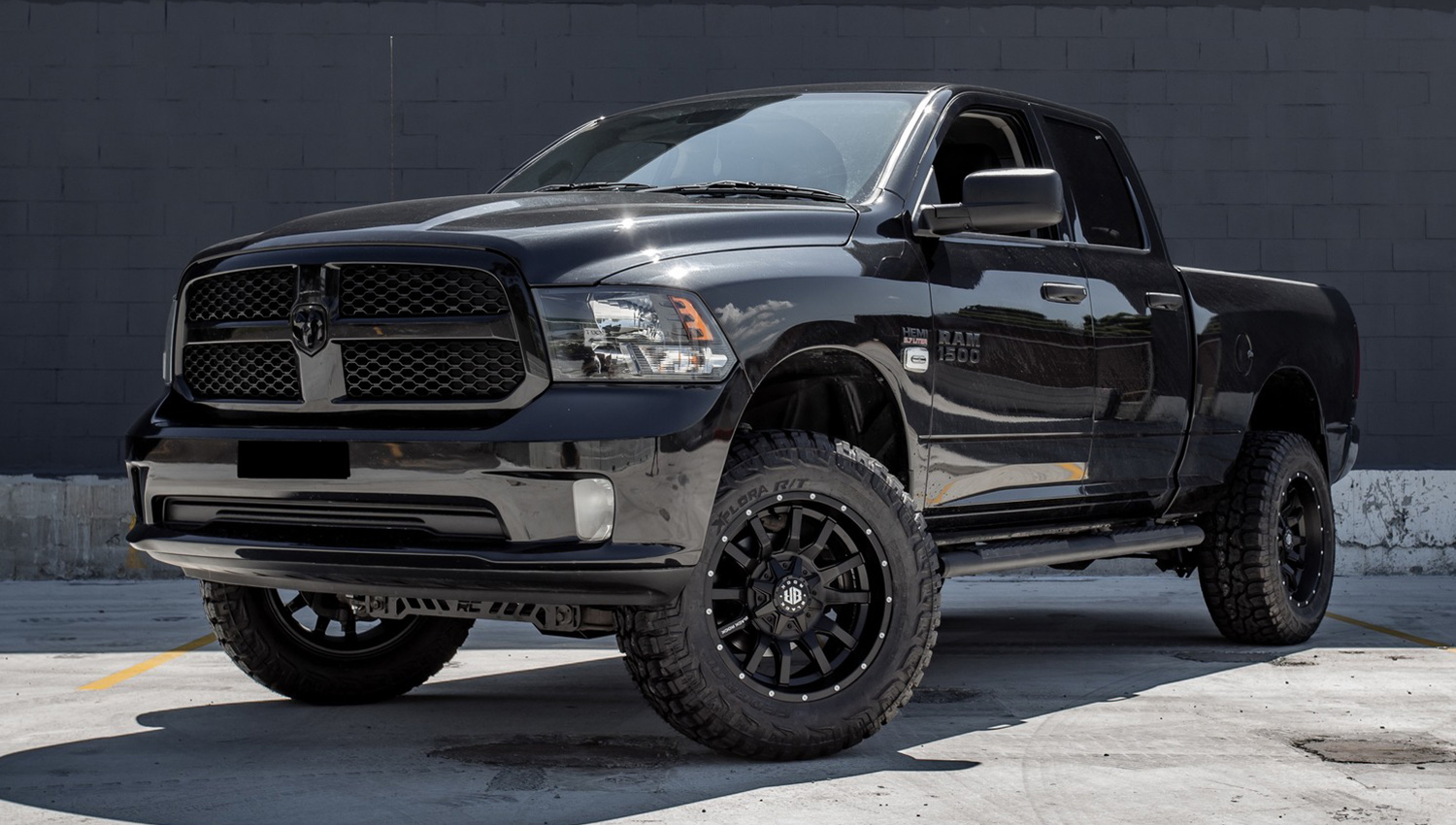
Technical Fitment Data and Bolt Pattern
The 2003 Ram 1500 is unique because it uses a larger bolt pattern than many other half-ton trucks of its era. While Ford and Chevy moved toward different configurations, Dodge stuck with the 5×139.7mm pattern. If you buy rims meant for a Ford F-150 or a later model Ram 1500 (2019+), they will not fit. Use the following data as your checklist when shopping:
- Bolt Pattern: 5×139.7mm (5×5.5″)
- Standard Wheel Sizes: 17×7.0, 17×8.0, 20×9.0
- Center Bore: 77.8 mm
- Thread Size: 9/16″ – 18
- Stock Offset Range: +15mm to +25mm
- Tightening Torque: 135 lb-ft
The Importance of Hub-Centric vs. Lug-Centric Wheels
Your 2003 Ram 1500 is designed to use hub-centric wheels. This means the center hole of the rim fits perfectly over the 77.8mm hub flange. This connection supports the weight of the truck. Many cheap aftermarket rims are “lug-centric,” meaning they have a larger center hole and rely solely on the lug nuts to center the wheel. For a heavy truck like the Ram, always prioritize hub-centric wheels or ensure you use high-quality hub-centric rings to fill the gap and prevent high-speed shaking.
The Ultimate 2003 Dodge Ram 1500 Rims Walkthrough
Updating or replacing the rims on a 2003 Dodge Ram 1500 is one of the most effective ways to enhance both the aesthetic appeal and the driving performance of your truck. Whether you are replacing damaged factory wheels, upgrading to a larger diameter for a more aggressive stance, or switching to a different offset for wider tires, understanding the specific fitment requirements for this generation of the Ram is crucial. This guide covers everything from identifying the correct bolt patterns and offsets to the physical installation and safety torqueing procedures. By following these detailed steps, you ensure that your new wheels are not only stylish but also safely integrated with your truck’s suspension and braking systems.
Step 1: Identifying Bolt Pattern and Fitment Specs
What you need: Owner’s manual, tape measure or bolt pattern gauge, and a notebook.
Instructions: Before purchasing new rims, you must verify the specific measurements of the 2003 Dodge Ram 1500. The standard bolt pattern for this vehicle is 5×139.7mm (also known as 5×5.5 inches). This means there are five lug holes, and the distance between the centers of two opposite holes is 5.5 inches. Additionally, pay close attention to the center bore, which is typically 77.8mm. If you choose aftermarket rims with a larger center bore, you will need hub-centric rings to prevent vibrations. Finally, consider the offset; factory wheels usually have a positive offset. If you choose a negative offset, the wheels will poke out further from the fender, which may require a leveling kit to avoid rubbing.
Pro Tip: Never “guess” if a rim fits. Even a few millimeters of difference in the center bore can lead to a catastrophic failure of the lug studs because the wheel won’t be properly centered on the hub.
Step 2: Selecting the Right Material and Size
What you need: Knowledge of your driving habits and a set budget.
Instructions: The 2003 Dodge Ram 1500 originally came with either 17-inch or 20-inch rims. When selecting new rims, decide if you want to stick to these factory sizes or go larger. Steel rims are incredibly durable and cost-effective, making them ideal for heavy work or off-roading where cosmetic damage is likely. However, alloy rims (aluminum) are much lighter, which reduces unsprung weight and can slightly improve fuel economy and handling. If you plan on towing heavy loads, ensure the load rating of the new rims meets or exceeds the original equipment manufacturer (OEM) specifications. A rim rated for a passenger car will crack under the weight of a loaded Ram 1500.
Pro Tip: If you upgrade to 22-inch rims or larger, keep in mind that your tire sidewall will be thinner, leading to a stiffer ride and higher vulnerability to pothole damage.
Step 3: Preparing the Vehicle for Wheel Removal
What you need: A heavy-duty floor jack (3-ton capacity recommended), jack stands, and wheel chocks.
Instructions: Safety is paramount when working on a full-size truck. Park the vehicle on a flat, level concrete surface. Engage the parking brake firmly and place wheel chocks behind the rear tires (if lifting the front) or in front of the front tires (if lifting the rear). While the truck is still on the ground, use a lug wrench to break the tension on the lug nuts of the wheel you are replacing—just about half a turn is enough. Position the floor jack under the frame rail or the designated jacking point on the lower control arm. Lift the truck until the tire clears the ground, then immediately slide a jack stand under the frame to support the weight. Never rely solely on the hydraulic jack.
Pro Tip: Loosening lug nuts while the truck is in the air causes the wheel to spin freely and can cause the truck to shift on the jack, creating a dangerous situation.
Step 4: Removing Old Rims and Cleaning the Hubs
What you need: 19mm or 3/4-inch deep-well socket, impact wrench or breaker bar, and a wire brush.
Instructions: Finish removing the loosened lug nuts and set them aside in a tray so they don’t roll away. Carefully pull the old rim off the wheel studs. Because the 2003 Ram 1500 is an older vehicle, you may encounter “frozen” rims due to galvanic corrosion between the aluminum wheel and the steel hub. If the wheel is stuck, a few sharp taps with a rubber mallet on the inside of the tire should break it loose. Once the rim is removed, use a wire brush to clean the surface of the brake rotor hat and the wheel studs. Removing rust and debris ensures that the new rim sits perfectly flush against the mounting surface, which is critical for preventing wheel wobble.
Pro Tip: Apply a very thin layer of anti-seize lubricant to the face of the hub (not the studs) to prevent the new rims from seizing in the future.
Step 5: Inspecting Suspension and Braking Components
What you need: Flashlight and a visual inspection checklist.
Instructions: With the wheel removed, you have a perfect opportunity to inspect the “health” of your 2003 Ram’s front or rear end. Check the thickness of your brake pads; if they are under 3mm, they should be replaced now. Inspect the rubber brake lines for cracks or leaks. Look at the upper and lower ball joints and the tie rod ends for torn grease boots or excessive play. On a truck of this age, the shock absorbers might also show signs of leaking oil. Addressing these issues while the wheels are already off saves you significant time and labor later. A new set of rims won’t perform well if the underlying suspension is worn out or unstable.
Pro Tip: Grab the brake rotor and try to shake it; if there is significant movement or a clicking sound, your wheel bearing may be failing and should be addressed immediately.
Step 6: Mounting the New Rims and Seating Lug Nuts
What you need: New rims, hub-centric rings (if required), and a set of new lug nuts (optional but recommended).
Instructions: If your aftermarket rims came with hub-centric rings, snap them into the center bore of the rim or place them onto the vehicle’s hub first. Carefully lift the new rim and align the holes with the wheel studs. Slide the rim onto the studs until it sits flush against the hub. Take your lug nuts and thread them onto the studs by hand. It is vital to start them by hand for at least 3-4 full rotations to ensure they are not cross-threaded. If you are using aftermarket rims, you may need “tuner” lugs or thin-walled sockets if the lug holes are narrow. Tighten them in a star pattern (1-3-5-2-4) until they are “snug” using a hand wrench.
Pro Tip: Never use an impact wrench to fully tighten lug nuts on new alloy rims, as the high torque can crack the finish or over-stretch the studs.
Step 7: Final Torquing and Lowering the Vehicle
What you need: Calibrated torque wrench and the 3/4-inch socket.
Instructions: Raise the floor jack slightly to remove the jack stand, then slowly lower the truck until the tire just touches the ground—enough to keep the wheel from spinning, but not the full weight of the truck. Set your torque wrench to 135 lb-ft, which is the standard specification for the 2003 Dodge Ram 1500. Using the star pattern again, tighten each lug nut until the torque wrench “clicks.” Once all five lugs are torqued, lower the truck completely and remove the jack. Go around the wheel one more time with the torque wrench in a circular motion to verify every nut is at the correct 135 lb-ft tension. This ensures even pressure across the rotor and prevents warping.
Pro Tip: Check your torque wrench calibration annually; an inaccurate wrench can lead to loose wheels or snapped studs.
Step 8: Post-Installation Clearance Check and Test Drive
What you need: A clear parking lot and a tire pressure gauge.
Instructions: Before driving at high speeds, perform a clearance check. Start the truck and turn the steering wheel to full lock in both directions. Listen for any rubbing sounds against the wheel liners or suspension components. If you installed larger rims or a different offset, check the clearance between the tire and the upper control arm. Once cleared, take a short 5-mile test drive at various speeds. Listen for vibrations or humming sounds. After the drive, check the tire pressure to ensure it matches the manufacturer’s recommendation (usually 35-40 PSI for standard loads). Finally, plan to re-torque the lug nuts after about 50 to 100 miles of driving, as the metal can settle and cause the nuts to slightly loosen.
Pro Tip: If you experience a steering wheel shake at 55-65 mph after installation, your wheels likely need a professional high-speed balance at a tire shop.
✅ Final Checklist
- Verified bolt pattern is exactly 5×139.7mm (5×5.5″).
- Hub surfaces were cleaned with a wire brush to ensure a flush fit.
- Lug nuts were hand-started to prevent cross-threading.
- All lug nuts torqued to exactly 135 lb-ft in a star pattern.
- Clearance checked at full steering lock to ensure no rubbing occurs.
Important Notes:
- Safety Warning: Always use jack stands. A floor jack is a lifting device, not a support device. Failure to use stands can result in serious injury.
- Professional Help: If you notice the wheel studs are stripped or the hub is severely rusted, consult a mechanic before mounting new rims.
- Estimated Time: 1 to 2 hours for a full set of four wheels.
- Estimated Cost: $400 – $1,500+ depending on rim material, brand, and size.
Comparing OEM Replica Wheels vs. Aftermarket Custom Rims
When you start shopping, you will generally choose between two paths: keeping the factory look with OEM replicas or going for a custom look with aftermarket brands. OEM replicas are ideal if you want to restore your truck to its original showroom appearance without paying dealership prices. Aftermarket rims allow for more aggressive offsets, which push the wheels out further for a wider, more stable stance.
Best-Selling OEM Replica Options
If your original chrome skins are peeling or your aluminum wheels are corroded, these replicas are guaranteed to fit your 2003 Ram 1500 without any modifications. They are designed to work with your factory 9/16″ lug nuts and existing suspension clearance.
- 20″ Chrome 5-Spoke “Flower Petal” Replica: This is the most popular replacement for the 2003 Laramie trim. It features the classic 20×9 dimensions with a +19mm offset. It is the go-to choice for owners who want to maintain the “Big Horn” aesthetic.
- 17″ Silver Painted 5-Spoke Steel Replica: Perfect for winter setups or work trucks. These are 17×7 wheels that provide plenty of sidewall for a smoother ride. They are durable, easy to clean, and much cheaper than chrome options.
- 20″ Polished Aluminum SRT-10 Style: While technically from the Viper-powered Ram, many 1500 owners upgrade to these 20×9 or 22×10 replicas for a street-performance look. They utilize the same 5×139.7 bolt pattern and look incredible on lowered trucks.
Top Aftermarket Rims for the 2003 Ram 1500
Aftermarket wheels offer more variety in finishes, such as matte black, bronze, and milled accents. Brands like Fuel, Moto Metal, and American Racing dominate this space for the Dodge Ram. Here are the top specific models currently available that match the 5×139.7 requirement:
- Fuel Off-Road D560 Vapor: A modern matte black wheel with a multi-spoke design. The 20×9 version with a +1mm or +20mm offset is a perfect fit. The +1mm offset will push the wheel out slightly for a more aggressive look.
- Moto Metal MO970: This wheel is famous for its “milled” look around the edges. It comes in a 17×8 or 20×9 size. It is a rugged choice that handles off-road abuse better than factory chrome.
- American Racing AR172 Baja: If you want a classic “hole” design, the Baja is a timeless polished aluminum wheel. It is available in 16 and 17-inch sizes. Note: ensure you select the 17-inch version to clear the 2003 front brake calipers.
- Vision 412 Rocker: This wheel offers an anthracite or chrome finish with a mesh-style design. It is specifically rated for the high load capacity of the Ram 1500, making it a safe and stylish choice for towing.
Popular Finishes and Styles for the 3rd Gen Ram 1500
The 2003 Dodge Ram 1500 features a bold, “big rig” inspired body style that serves as a versatile canvas for various wheel aesthetics. Choosing the right finish can completely transform the personality of your truck, whether you are going for a factory-plus restoration or a rugged off-road beast. Because the 3rd Gen Ram has such prominent wheel arches, the visual impact of your rim choice is significant.
Classic Chrome and Polished Aluminum
For many owners, the 2003 Ram looks best when it leans into its heavy-duty roots. Chrome and polished finishes are perennial favorites for this model year, especially if your truck features chrome bumpers and trim. These finishes provide a high-contrast, premium look that stands out on the highway.
- Chrome Replicas: Maintaining the 20-inch “flower power” factory style but in a high-shine chrome is a popular way to keep the OEM look while adding modern flair.
- Polished Deep Dish: Large, polished lips on deep-dish wheels create a classic “street truck” stance that was incredibly popular in the early 2000s.
- Maintenance Tip: Chrome requires regular cleaning to prevent pitting, especially in regions where road salt is used during winter.
The Modern Tactical Look: Matte Black and Machined Accents
If you have leveled or lifted your Ram, a matte or satin black finish is often the go-to choice. This “blacked-out” look gives the 3rd Gen a more aggressive, modern profile. Many owners opt for wheels with machined accents—where the faces of the spokes are polished while the rest of the wheel remains black—to add depth and prevent the wheel from disappearing into the tire’s shadow.
- Multi-Spoke Designs: Thick, 8-spoke or mesh designs complement the truck’s heavy front end.
- Beadlock Styles: Even if they aren’t “true” beadlocks, wheels with simulated beadlock rings add a rugged, off-road aesthetic perfect for 4×4 builds.
Performance Factors: Offset, Backspacing, and Load Ratings
Selecting 2003 Dodge Ram 1500 rims isn’t just about looks; the geometry of the wheel dictates how the truck handles and whether your tires will rub against the suspension or fenders. The 5×139.7mm (5×5.5) bolt pattern is standard, but the offset and backspacing are where most owners run into trouble during the selection process.
Understanding Offset and Backspacing for the Perfect Stance
Offset refers to how far the mounting surface of the wheel is from the centerline. A positive offset tucks the wheels inward, while a negative offset pushes them outward for a wider stance. On a stock 2003 Ram 1500, the factory offset is typically around +19mm to +25mm.
- Wide Stance: If you want your tires to “poke” past the fenders, look for an offset between 0mm and -12mm.
- Rubbing Concerns: When moving to a wider tire (like a 35-inch 12.50), you generally need less backspacing (around 4.5 to 5 inches) to clear the upper control arms and steering components.
- Suspension Geometry: Extreme negative offsets can put additional stress on your wheel bearings and ball joints, so balance your desire for “poke” with long-term durability.
Load Ratings: Ensuring Safety on the Road
The 2003 Ram 1500 is a full-size pickup designed for hauling and towing. It is crucial to verify that any aftermarket rim you choose has a load rating that meets or exceeds the Gross Axle Weight Rating (GAWR) of your truck. While “car-style” wheels might share the 5×5.5 bolt pattern, they may not be engineered to handle the vertical loads of a half-ton pickup.
- Minimum Rating: Look for wheels rated for at least 2,100 to 2,500 lbs per wheel for a standard 1500.
- Towing Considerations: If you frequently pull a trailer, prioritize heavy-duty cast or forged wheels over lightweight performance wheels.
- Material Quality: High-quality A356 aluminum is the industry standard for reliable, load-bearing truck wheels.
Conclusion
Upgrading your 2003 Dodge Ram 1500 rims is one of the most effective ways to refresh the look and performance of your truck. By understanding the balance between aesthetic finishes like classic chrome or modern matte black, and technical requirements like offset and load ratings, you can ensure a fitment that looks great and drives safely. Remember to always double-check your measurements and consider how your future suspension plans—like a leveling kit—might affect your wheel choice.
Ready to give your 3rd Gen Ram a new lease on life? Start by measuring your current clearance and browsing through styles that match your build’s goals. Whether you are hitting the trails or cruising the strip, the right set of wheels is the foundation of a great truck!
💬 Quick Questions & Answers
What is the bolt pattern for a 2003 Dodge Ram 1500?
The bolt pattern is 5×139.7mm, which is also commonly referred to as 5×5.5 inches.
Can I fit 20-inch rims on a truck that originally had 17s?
Yes, as long as the bolt pattern is correct, you can swap between factory 17-inch and 20-inch sizes.
What is the factory lug nut size for this model?
The 2003 Ram 1500 typically uses 9/16″-18 thread size lug nuts.
Will wheels from a 2020 Ram 1500 fit my 2003?
No, 2019 and newer Ram 1500s use a 6-lug pattern, while the 2003 uses a 5-lug pattern.
What is the standard center bore for 2003 Ram rims?
The factory hub center bore for the 2003 Dodge Ram 1500 is 77.8mm.
❓ Frequently Asked Questions
How do I ensure a new set of rims won’t rub on my 2003 Ram 1500?
To prevent rubbing, stay close to the factory offset (around +19mm to +25mm). If you choose a negative offset for a wider stance, you may need a leveling kit or lift to clear the fenders and suspension components.
What are the benefits of upgrading to 20-inch rims from 17-inch rims?
Upgrading to 20-inch rims provides a more modern aesthetic and allows for lower-profile tires, which can improve cornering stability and steering response on paved roads.
Can I use rims from a Dodge Durango or Dakota on my Ram 1500?
While some older Durango and Dakota models shared the 5×139.7 pattern, many transitioned to smaller patterns like 5×114.3; always verify the specific year and pattern before attempting a swap.
What is the difference between chrome and PVD finishes for Ram rims?
Traditional chrome involves electroplating, which can peel over time in salty conditions. PVD (Physical Vapor Deposition) is a powder-coat process that looks like chrome but is significantly more durable for winter driving.
Are 2003 Ram 1500 wheels interchangeable with the Ram 2500?
No, they are not interchangeable. The 1500 uses a 5-lug hub, while the 2500 and 3500 heavy-duty models use an 8-lug pattern designed for higher weight capacities.
What should I look for in off-road rims for a 2003 Dodge Ram?
Look for a high load rating to handle trail stress and consider a matte or satin finish, as these hide scratches and trail rash better than polished or chrome surfaces.
![2018 Ram 2500 Longhorn: Specs & Fitment Guide [2026]](https://truckguider.com/wp-content/uploads/2026/03/2018-ram-2500-longhorn-featured.webp)
![Lifted 3rd Gen Cummins [2026]](https://truckguider.com/wp-content/uploads/2026/03/lifted-3rd-gen-cummins-featured.webp)