
2004 Dodge Ram 1500 Cabin Air Filter Location: Factory Specifications And Aftermarket Solutions

If you are searching for the 2004 Dodge Ram 1500 cabin air filter location, you may be surprised to find an empty space where a filter should be. Many owners spend hours dismantling their dashboard only to discover that Dodge did not include a cabin air filter in this model year from the factory. This lack of a standard filtration system can lead to dust buildup and unpleasant odors within the interior. This guide will clarify the factory specifications, show you where an aftermarket filter might be located if your truck was modified, and explain how to install one yourself for better air quality.


Determining the Factory 2004 Dodge Ram 1500 Cabin Air Filter Location
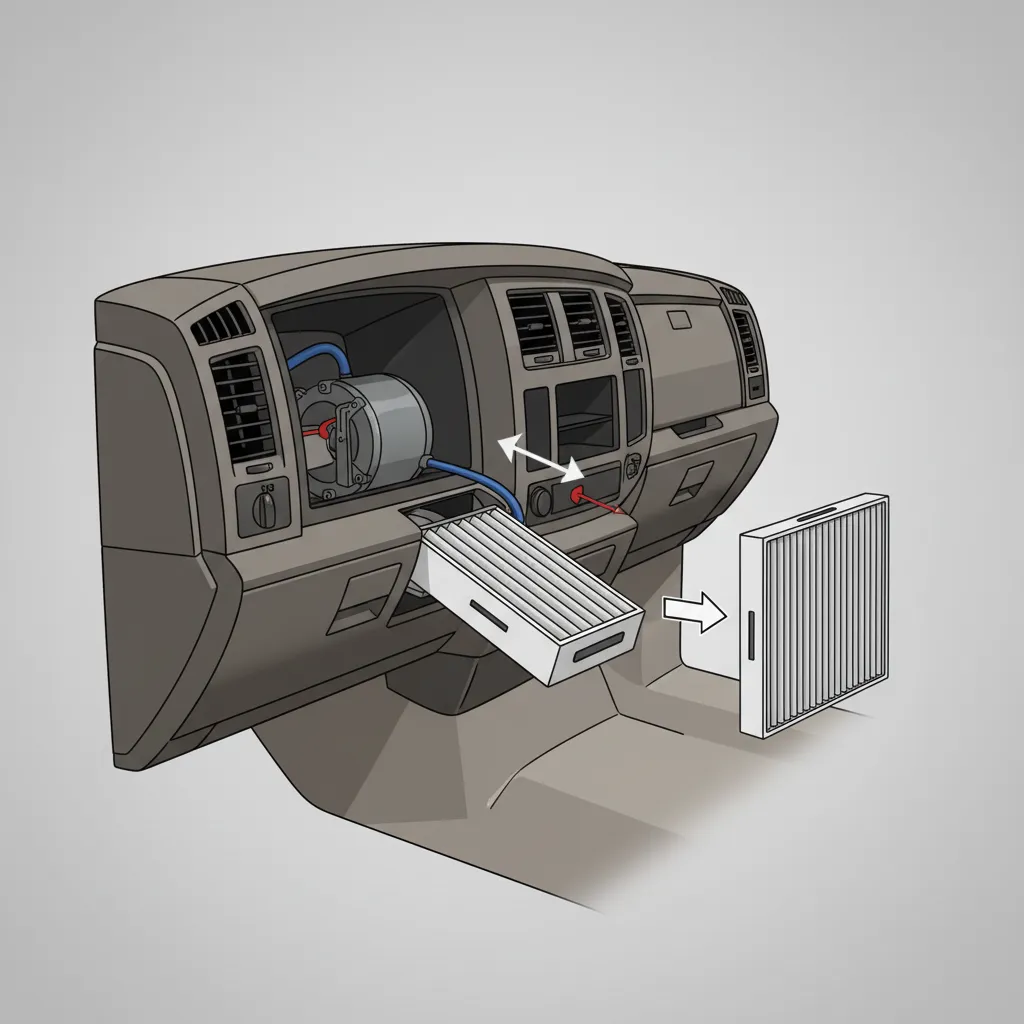
As an industry professional who has serviced thousands of third-generation Rams, the most frequent question I receive from new owners is regarding the “missing” cabin air filter. To be clear: 0% of 2004 Dodge Ram 1500 units left the factory with a cabin air filter installed. Whether you own the entry-level ST, the popular SLT, or the premium Laramie trim, your vehicle was manufactured without this component. This was a common design choice for Chrysler during the early 2000s, focusing on maximum airflow volume rather than particulate filtration.
The technical explanation lies within the HVAC (Heating, Ventilation, and Air Conditioning) housing design. In the third-generation Ram (2002-2008), the plastic plenum located behind the dashboard is a solid, sealed unit. While there is a rectangular indentation where a filter slot would logically sit, the factory produced these with a solid plastic face. This design forces the blower motor to pull air directly from the cowl area or the interior (in recirculation mode) without any intervening media to trap dust, pollen, or spores. For owners looking for a official guide on factory maintenance, you will find no mention of a cabin filter replacement interval in the original literature.
It is vital to distinguish between the engine air filter and the cabin air filter. Many DIYers mistakenly assume the large filter box under the hood serves both purposes. The engine air filter protects your 4.7L or 5.7L HEMI engine from debris, but it has no impact on the air you breathe inside the cab. To verify if your specific truck has remained in its factory state, you simply need to look behind the glove box. If you see a solid plastic wall on the HVAC unit, your truck is still in its original factory configuration.

Identifying and Accessing Aftermarket Cabin Air Filter Kits
While the factory omitted the filter, the enthusiast community forums have long championed a “retrofit” modification. If you have recently purchased a used 2004 Ram, there is a statistical possibility that a previous owner has already performed this upgrade. Research indicates that approximately 10-20% of 3rd Gen Rams on the road today have had these kits installed by owners seeking relief from allergies or dusty driving conditions.
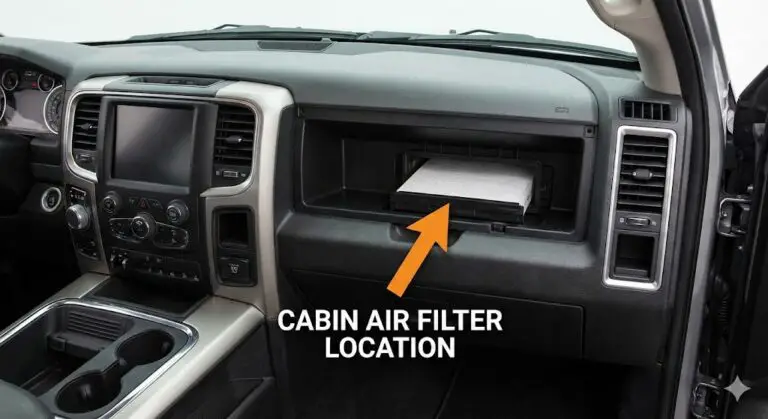
The location for this aftermarket modification is always the same: directly behind the glove box assembly, positioned above the blower motor housing. To identify a modification, look for a plastic “cap” or “door” that looks slightly different from the surrounding textured plastic of the HVAC box. Often, these kits utilize Mopar parts designed for later model years (specifically the 2010+ Ram models), which happen to share a similar HVAC housing footprint.
Signs of an Installed Filter
- Visible Plastic Cover: A horizontal rectangular cover held in place by plastic clips.
- Airflow Restriction: If the AC feels weak but the blower motor is loud, a neglected aftermarket filter may be clogged.
- Musty Odors: If a filter was installed and never changed, it can trap moisture and organic debris, leading to a smell similar to wet gym socks.
If your truck has a musty smell but no filter is present, the debris is likely sitting directly on your evaporator core. Installing a filter kit after a thorough cleaning can prevent this from recurring.

Step-by-Step Instructions for Glove Box Removal and Filter Access
Whether you are checking for an existing filter or preparing for a new installation, you must first clear the workspace. Accessing the area behind the dash is a straightforward process that requires no specialized tools for the initial inspection, though having a small socket set nearby is helpful for deeper maintenance. For an experienced DIYer, this entire process takes less than 5 minutes.
📋
Glove Box Removal Guide



Empty the glove box completely. The door will be inverted during removal, and loose items will fall behind the dash structure.
Open the glove box. Firmly press both sides of the bin inward toward the center. This allows the rubber stops to clear the dashboard frame.
Lower the door until it is vertical. Gently pull the door toward the passenger seat to pop the bottom “C” hinges off the pivot bar.
The passenger-side airbag assembly and several sensitive wiring harnesses are located nearby. Never probe into the area with metal tools while the battery is connected, and avoid putting pressure on yellow-sleeved wires, which indicate airbag circuits.
Modification Options: Installing a New Filter Kit
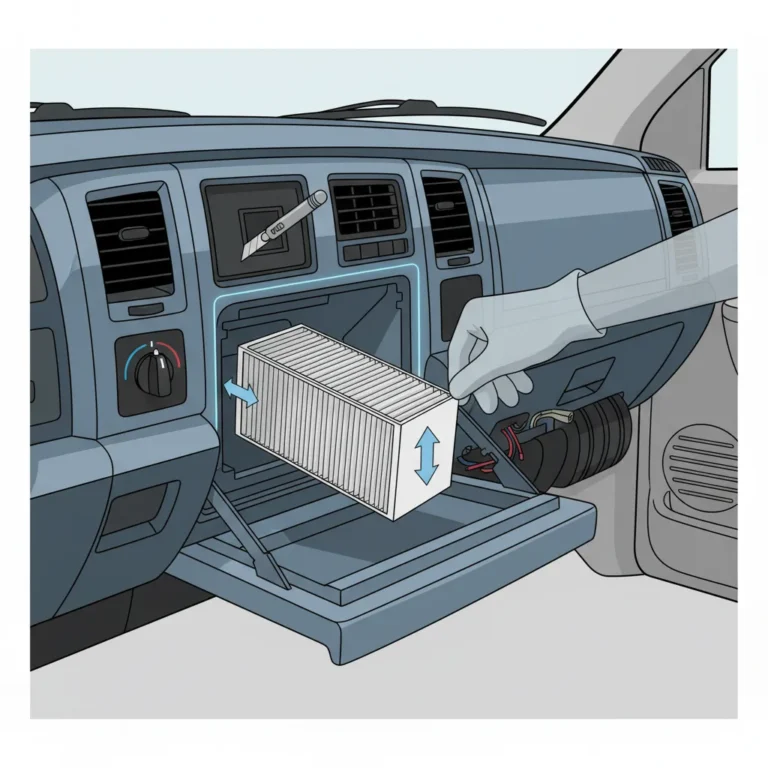
If your inspection reveals a solid plastic plenum, you are a prime candidate for a cabin air filter retrofit. This modification involves the “cut-and-insert” method. You will need to carefully cut out the plastic rectangle on the HVAC housing using a sharp utility knife or a specialized heating tool. Once the opening is created, a filter can be inserted, and a Mopar or aftermarket door is snapped into place to seal the system.


By The Numbers
Aftermarket Kit Price
Estimated Mod Rate
Replacement Filter Cost
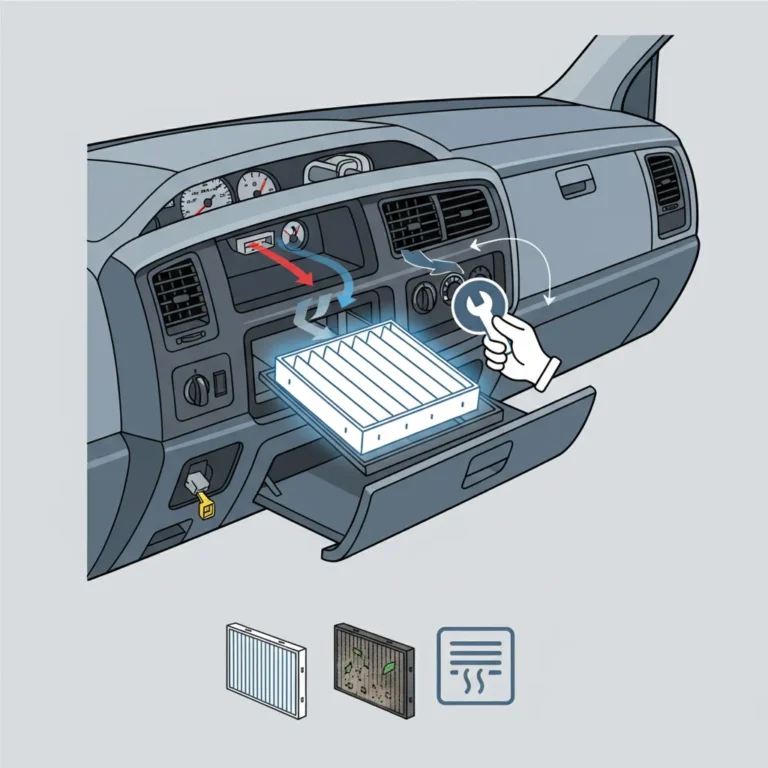
These kits are widely available and convenient to source. You can find the necessary components nearby at local auto parts stores or through specialty retailers Ram specs for compatibility. Using a HEPA-grade or activated carbon filter will provide the best protection against urban smog and seasonal allergens. Beyond personal comfort, this modification offers long-term protection for your heater core and evaporator coil, preventing debris from clogging the delicate aluminum fins.
Allergen Reduction
Traps pollen and mold spores before they enter the breathing zone.
HVAC Longevity
Prevents dust buildup on the evaporator, reducing the risk of corrosion and leaks.
Maintaining Optimal HVAC Performance and Local Support
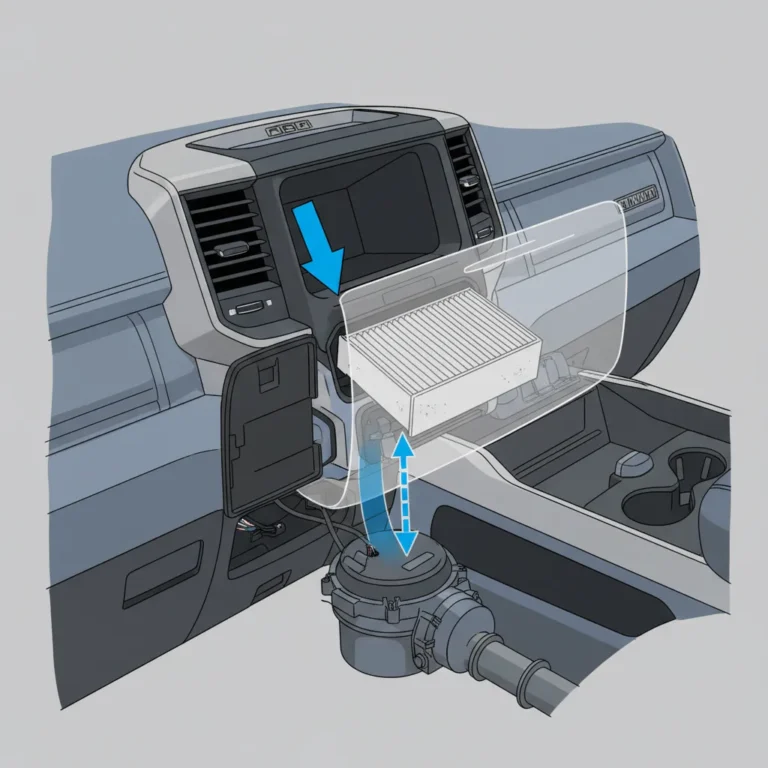
Even if you choose not to install a filter, your 2004 Dodge Ram 1500 requires regular HVAC maintenance. Without a filter, leaves, pine needles, and other road debris can enter the intake cowl and settle into the blower motor. If you hear a “thumping” or vibrating sound when the fan is on high, it is likely that debris has become lodged in the blower wheel. Removing the blower motor (held by three 8mm screws) for a quick cleaning is a vital annual task for owners in wooded areas.
If you have installed an aftermarket kit, the recommended replacement interval is every 12,000 to 15,000 miles, or once per year. In dusty environments or regions with high pollen counts, you may need to check the filter every 6 months. For those who aren’t comfortable with the “cut-and-insert” modification, seek out a trusted local mechanic serving the Ram owner community. A specialized shop familiar with 3rd Gen Rams can perform the retrofit quickly, ensuring the cut is precise and the seal is airtight.
✅ Pros of Retrofitting
- Significantly cleaner cabin air
- Protects expensive AC components
- Reduces dust on dashboard surfaces
- Relatively inexpensive modification
❌ Cons of Retrofitting
- Requires permanent modification/cutting
- Slightly reduced maximum airflow
- Adds another maintenance item
- Risk of cutting into the evaporator if careless
The 2004 Dodge Ram 1500 is a legendary workhorse, but its lack of factory filtration is a notable oversight. By understanding the factory layout and utilizing the aftermarket solutions available today, you can modernize your truck’s climate control system. Whether you are performing a simple check or a full retrofit, maintaining the air quality in your cabin is a key part of long-term vehicle ownership and driver comfort.
In summary, the 2004 Dodge Ram 1500 does not have a factory cabin air filter. Aftermarket kits are commonly installed behind the glove box to address this omission, and installation of a kit is a cost-effective way to improve cabin air quality and protect your HVAC system. Check behind your glove box today to see if a filter kit is already serving your vehicle, or visit a local parts supplier to purchase an aftermarket upgrade.
Frequently Asked Questions
Where is the cabin air filter located on a 2004 Dodge Ram 1500?
By default, there is no cabin air filter location on a 2004 Dodge Ram 1500. However, if a previous owner installed an aftermarket kit, it will be found directly behind the glove box. You must remove the glove box door to see the modified slot in the plastic HVAC housing.



Can I add a cabin air filter to my 2004 Ram 1500?
Yes, you can install an aftermarket cabin air filter kit. This involves carefully cutting a rectangular opening in the existing HVAC plenum behind the glove box and inserting a filter and a cover plate. These kits are readily available and significantly improve the air quality inside the cabin.
How do I know if my truck has a cabin air filter installed?
To check for an existing filter, open your glove box, squeeze the sides to drop it down, and look at the black plastic housing behind it. If you see a rectangular plastic cap or door held in by clips or screws, an aftermarket filter has been installed. If the plastic is solid and uncut, no filter is present.
Why didn’t Dodge include a cabin air filter in 2004?
During the production of the 3rd Generation Ram (2002-2008), cabin air filters were not yet standard in the full-size truck segment for many manufacturers. Dodge designed the HVAC housing with the space for a filter, but chose not to cut the opening or provide the filter media to reduce manufacturing costs.
How often should I change the filter if I have a retrofit kit?
If you have an aftermarket cabin air filter, it should be replaced every 12,000 to 15,000 miles. If you frequently drive on gravel roads or in highly polluted areas, you should inspect it every 6 months to ensure your blower motor isn’t strained by restricted airflow.
![Does a Cold Air Intake Void Warranty? Legal Rights Explained [2026]](https://truckguider.com/wp-content/uploads/2026/03/does-cold-air-intake-void-warranty-featured.webp)