6.7 Cummins Fuel Filter Location: A Technical Guide For Ram Diesel Owners

For owners of heavy-duty RAM trucks, the 6.7 Cummins engine is the gold standard of power, reliability, and towing capability. However, its sophisticated high-pressure common rail fuel system is exceptionally sensitive to microscopic contaminants and moisture. Finding the 6.7 Cummins fuel filter location can be confusing because the configuration changed significantly between model years, and many owners are unaware that their truck likely utilizes two separate filters to maintain system health. In this technical guide, you will learn exactly where both filters are located, how these locations vary by production year, and the step-by-step process for professional-grade replacement. By following this guide, you can ensure your engine continues to run at peak efficiency while avoiding catastrophic fuel system failures.
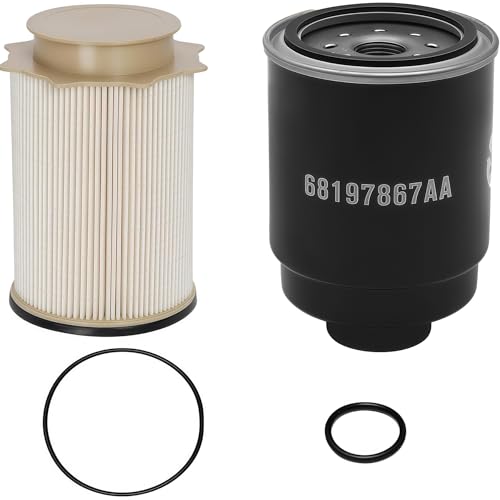


6.7 Cummins Fuel Filter Location: Identifying Primary and Secondary Components
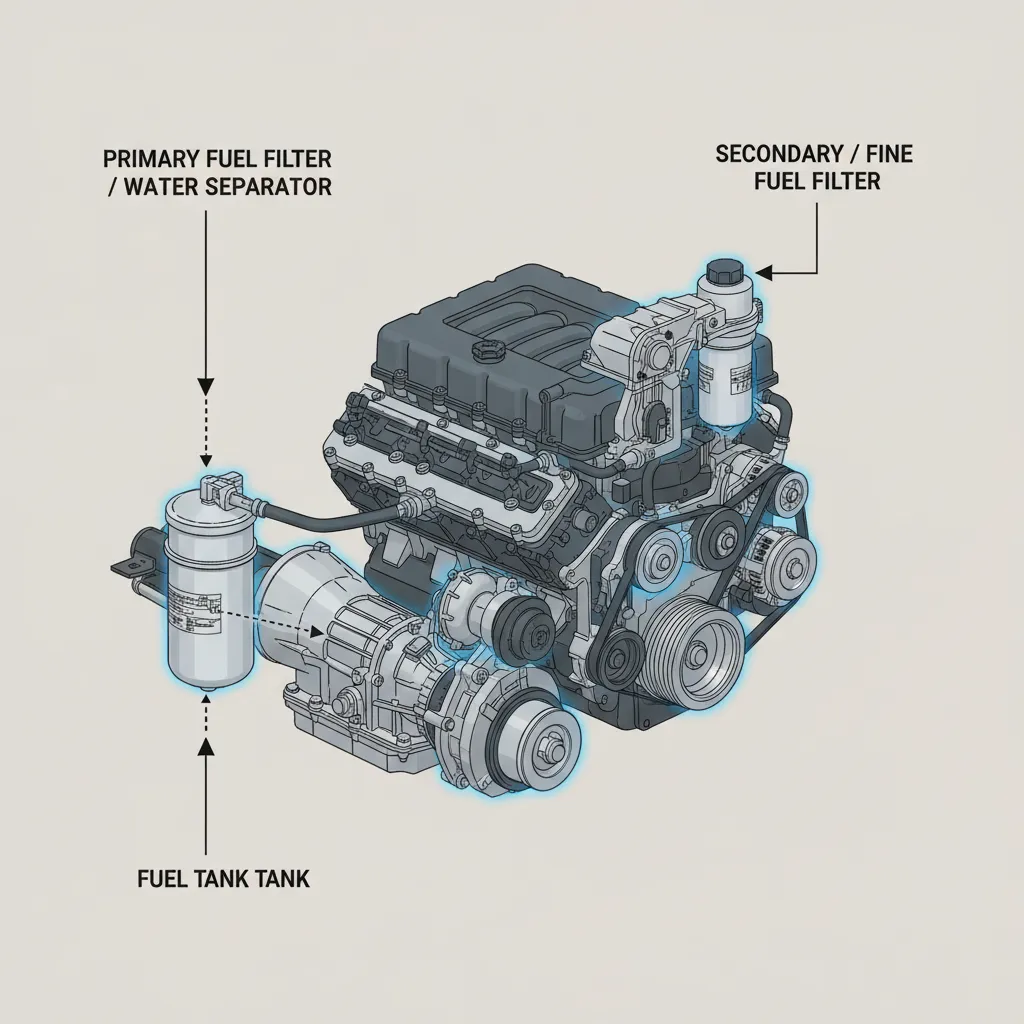
Navigating the chassis of a modern Ram truck requires a clear understanding of the dual-stage filtration architecture. On most 2013 and newer RAM 2500/3500 pickups, the primary fuel filter, often referred to as the fuel/water separator, is situated on the rear frame rail. This component is typically found forward of the rear axle, tucked near the fuel tank or the fuel pump assembly. Its primary role is to strip away larger particulate matter and moisture before the fuel ever reaches the engine compartment.
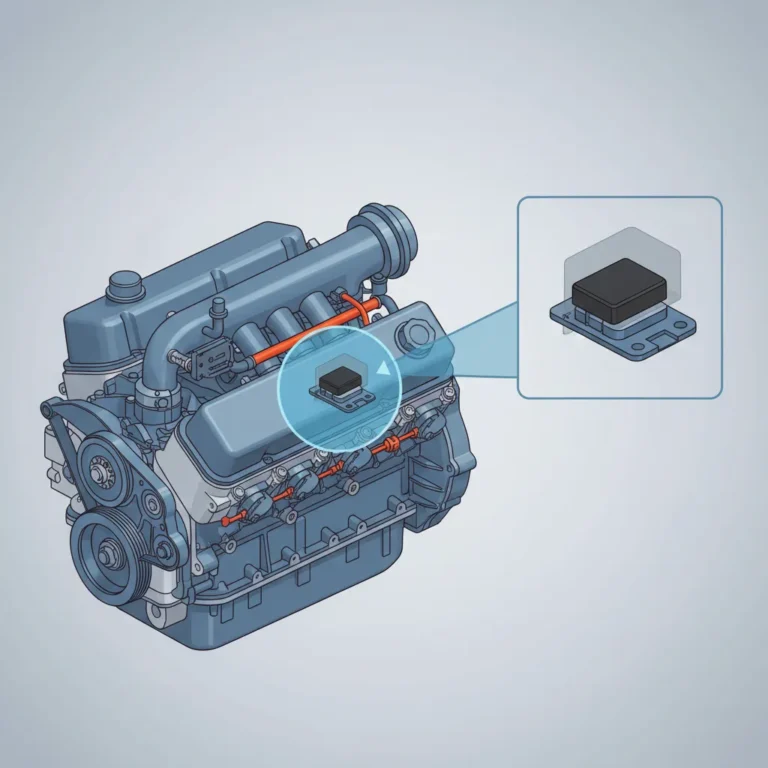
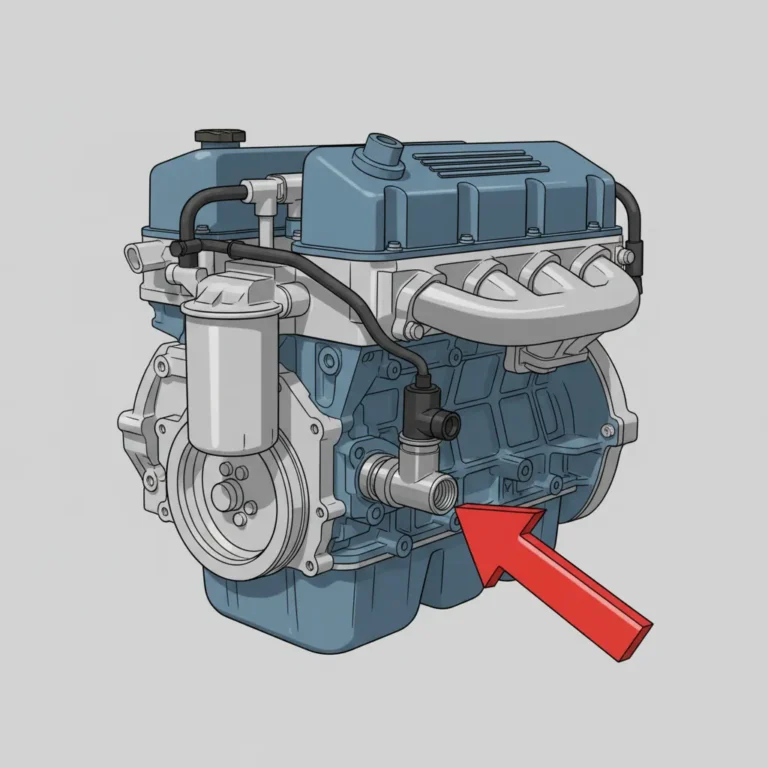
The secondary fuel filter is located within the engine bay for final-stage purification. You will find it mounted on the driver’s side of the engine block, nestled between the intake manifold and the firewall. This canister is designed to capture the smallest contaminants that could otherwise score the tight tolerances of the high-pressure fuel rail. Visual identification involves looking for the black plastic or aluminum filter housing caps; the engine-mounted filter usually requires a 28mm or 29mm socket for removal, while the frame-mounted separator may feature a different cap design depending on the year.
Consider the scenario of a 2014 RAM 2500 owner performing their first DIY service. To complete the job correctly, they must crawl beneath the chassis to access the frame-mounted separator and then move to the top of the engine compartment for the secondary canister. While some older chassis-cab models may feature a single-filter setup, the dual-filter system is the standard for the vast majority of consumer-grade 6.7 Cummins trucks currently on the road. This redundancy is a design requirement to protect the high-pressure common rail components from the variable quality of modern diesel fuel.
When locating the filters, always check for the Water-in-Fuel (WIF) sensor wiring on the bottom of the frame-mounted filter. This sensor is fragile; disconnect it carefully before unscrewing the housing to avoid twisting the harness.
Technical Variations: Location Differences Across Model Years
The evolution of the 6.7 Cummins has led to several shifts in filter placement. Understanding your specific vehicle’s configuration is vital before purchasing parts. For example, pre-2013 models typically utilize a single fuel filter located on the engine block. In these configurations, there is no factory frame-mounted separator. However, starting in 2013, Cummins transitioned to the dual-filter setup to meet stricter Tier 4 Final emissions standards and provide superior protection for the Bosch CP3 and later CP4 high-pressure pumps.
Further changes occurred with the 2019+ redesign. While the general locations remained the same (one on the frame, one on the engine), the hardware changed significantly. The 2019 and newer models feature a spin-on style rear filter, which is much easier to replace than the earlier cartridge-and-shell designs. Additionally, some specialized chassis-cab or commercial applications may have the primary filter integrated directly into the fuel pump module located inside the fuel tank, making it a non-serviceable item during routine maintenance intervals.
It is also important to note that aftermarket modifications can completely relocate the filtration system. Popular upgrades such as FASS or AirDog lift pumps bypass the factory 6.7 Cummins fuel filter locations entirely, moving the filtration to an external bracket mounted to the frame rail. If you have purchased a used truck, always inspect the frame for these modifications before following the official guide for factory maintenance.

Performance Data: How Clogged Filters Impact Fuel Economy
Ignoring the fuel filters on a 6.7 Cummins is a recipe for expensive mechanical failure. Research indicates that a clogged fuel filter can reduce fuel economy by as much as 10-20%. This happens because the restriction forces the lift pump to work under significantly higher load, and the lack of consistent pressure can cause the engine control module (ECM) to adjust timing and fueling parameters, leading to inefficient combustion.


Beyond fuel economy, the filters are your primary defense against water contamination. Water is the leading cause of catastrophic injector failure in diesel engines. Since diesel fuel acts as a lubricant for the high-pressure injectors, the presence of water—which lacks lubricity—causes instant wear and scoring. A single tank of contaminated fuel can cost owners thousands in repairs if the filters are not functioning at 100% capacity. Following the Ram specs for filtration ensures that you are meeting the 3-micron requirement necessary for modern common rail systems.
By The Numbers
Potential Fuel Economy Loss
Recommended Mile Interval
Average Injector Repair Cost
Maintaining a regular replacement interval prevents “fuel starvation” symptoms, such as surging at highway speeds, power loss under load, or hard starting in cold weather. Using high-quality filters available at your trusted local service centers ensures that the micron rating meets the manufacturer’s standards, protecting your powertrain warranty and your wallet.
Maintenance Protocols for 6.7 Cummins Fuel System Integrity
Replacing your fuel filters is a manageable task for most owners, provided you have the right tools and follow the correct priming sequence. Improper priming is a frequent cause of “no-start” conditions following a filter change, as the air trapped in the lines prevents the high-pressure pump from reaching the required firing pressure.
📋
Step-by-Step Guide
Locate the yellow or black plastic drain valve on the bottom of the filter housing. Place a drain pan underneath and open the valve to remove the diesel fuel and any accumulated water before unscrewing the housing.
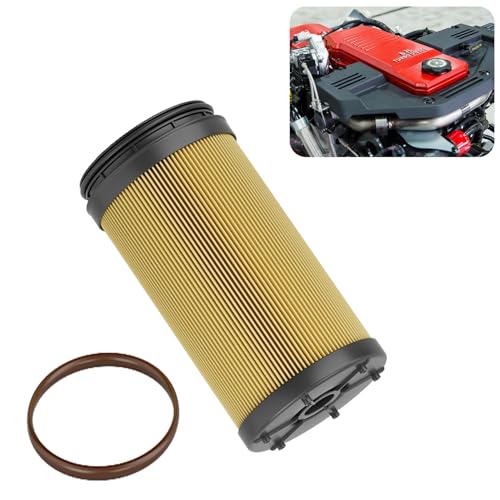
Unscrew the housing cap using a 28mm socket. Remove the old cartridge and install the new one. Crucially, replace the rubber O-rings and lubricate them with clean diesel fuel to ensure a proper seal.


Do not attempt to start the engine immediately. Turn the ignition to the ‘Run’ position for 30 seconds. Repeat this cycle 3-5 times. This activates the lift pump to purge air from the system and fill the new canisters.
Never “dry start” a 6.7 Cummins after a filter change. The high-pressure CP4 pump relies on fuel for lubrication. Running it dry for even a few seconds can cause internal metal-on-metal wear that eventually leads to pump grenading.
Local Diesel Service and Troubleshooting Near Your Location
While many owners prefer the DIY route, professional diesel technicians serving your community offer specialized diagnostic tools that go beyond a simple filter swap. Expert help is available nearby if you encounter common pitfalls, such as a stripped drain valve, a cracked filter housing, or a persistent “Water in Fuel” light that won’t clear even after a fresh filter is installed.
Local service centers often carry the specific Fleetguard or expert tips regarding Mopar filters required to maintain 6.7 Cummins performance standards. Furthermore, if you live in a humid or extremely cold climate, professional shops can perform a comprehensive fuel system flush. This process removes tank sediment and microbial growth (algae) that often accumulates in diesel tanks and can rapidly clog brand-new filters. Choosing an accessible and convenient local shop ensures your truck is serviced by those who understand the specific regional challenges, such as winter fuel gelling.
Diagnostic Precision
Technicians can monitor fuel rail pressure in real-time to ensure your lift pump is performing within factory spec.
OEM Parts
Professional shops use filters with the exact micron ratings required to maintain your manufacturer warranty.
The 6.7 Cummins typically uses a dual-filter system with a frame-mounted primary separator and an engine-mounted secondary filter. Regular replacement every 15,000 to 30,000 miles is essential to prevent a 10-20% drop in fuel economy and expensive injector damage. Always use high-quality filters and follow proper priming procedures to ensure system integrity. If you are unsure about performing this maintenance yourself, contact a professional diesel technician nearby to ensure your fuel system remains in top condition. Schedule your service today to avoid costly repairs tomorrow.
Frequently Asked Questions
Where is the fuel filter located on my 2018 6.7 Cummins?
On a 2018 model, you have two filters. The primary fuel/water separator is located on the rear frame rail just ahead of the fuel tank on the driver’s side. The secondary fuel filter is located under the hood on the driver’s side of the engine, positioned near the back of the engine block in a dedicated canister housing.


How often should I replace the fuel filter on my 6.7 Cummins?
Cummins and RAM generally recommend replacing both fuel filters every 15,000 to 22,500 miles, or every 12 months, whichever comes first. However, if you frequently idle for long periods or use high-biodiesel blends, more frequent intervals (around 10,000 miles) may be necessary to protect your high-pressure fuel pump and injectors from damage.
What are the symptoms of a clogged fuel filter on a 6.7 Cummins?
Common symptoms include a noticeable drop in fuel economy, engine hesitation or surging under load, hard starting, and a ‘hesitation’ when accelerating onto the highway. You may also see a ‘Fuel Filter Life’ warning on your EVIC display or experience a ‘limp mode’ condition if the fuel rail pressure drops below the required threshold due to restriction.
Can I change the 6.7 Cummins fuel filters myself?
Yes, it is a manageable task for most owners with basic mechanical skills. You will need a 28mm or 29mm socket for the filter caps and a drain pan for the diesel fuel. The most critical step is the priming process after installation; failing to purge air from the system can prevent the truck from starting and potentially damage the fuel pump.
What type of fuel filter does my 6.7 Cummins use?
The 6.7 Cummins requires high-efficiency filters capable of removing particles down to 3 microns. It is highly recommended to use Fleetguard (the OEM manufacturer for Cummins) or Mopar filters. Specifically, the rear filter is usually a FS20089 and the front is a DF99085 for many late-model RAMs, but you should verify with your VIN at a local parts counter.