2004 Ford F150 Fuel Line Diagram: Proper Routing 2026

The 2004 Ford F150 fuel system utilizes a returnless delivery design, featuring a fuel pump module inside the tank and a filter located along the driver-side frame rail. Fuel pressure should maintain 35–45 PSI at the test port. Ensure the injection pressure regulator and lines are clear of debris to prevent starvation.
📌 Key Takeaways
- Fuel pressure at the rail must read between 35 and 45 PSI at idle.
- The fuel filter is located on the inner driver-side frame rail; replace every 30,000 miles.
- Ensure the fuel pump relay in the Power Distribution Box is seated properly before assuming pump failure.
- Avoid using generic plastic connectors; OEM-spec nylon fuel lines are required for the high-pressure system.
- Consult a professional if the fuel pump driver module (FPDM) is corroded, as it poses a significant fire hazard.
The 2004 model year represents a significant pivot point in Ford’s light-duty truck engineering, particularly regarding the transition to the modular engine architecture and updated fuel delivery protocols. Whether you are troubleshooting a no-start condition or performing routine chassis maintenance, navigating the 2004 ford f150 fuel line diagram is essential for identifying the correct supply, return, and vapor lines. This system utilizes a returnless fuel strategy managed by the Fuel Pump Driver Module (FPDM), which modulates voltage based on PCM demands. Understanding the routing, quick-connect fitting locations, and pressure sensor integration is vital for avoiding catastrophic fuel system leaks or engine performance degradation during service.

Prime for Young Adults — 6 Months Free
Students and 18–24s get six months of Prime free, then half price.
Start 6 Months Free[DIAGRAM_PLACEHOLDER: 2004 Ford F150 Fuel System Schematic]
Understanding the 2004 Ford F150 Fuel Line Diagram Anatomy
Recommended Best Deal Products



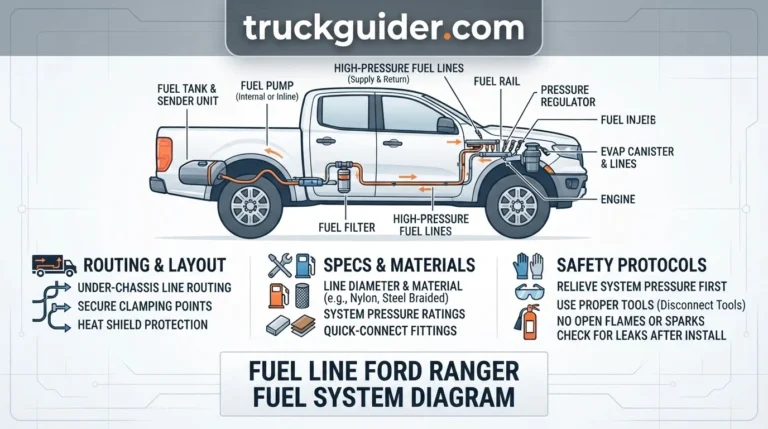
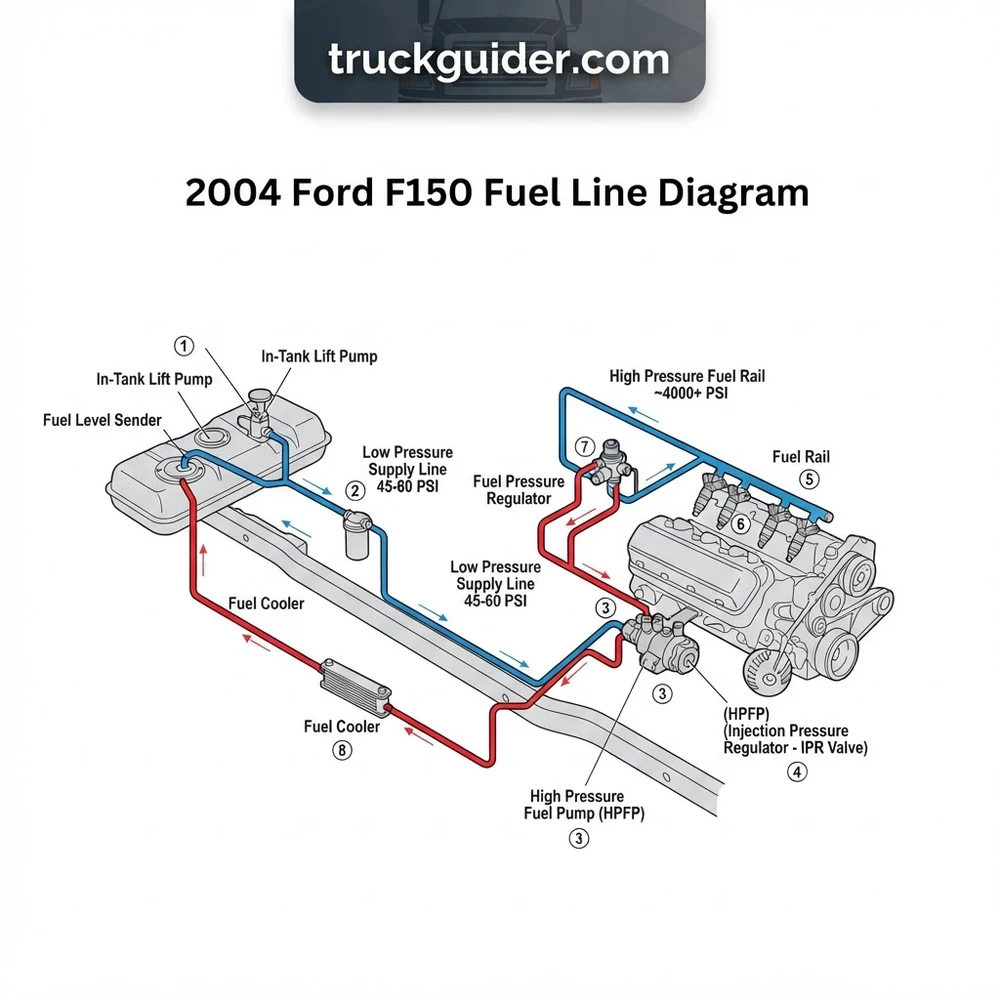
The fuel delivery system on the 2004 F150 operates under a specific returnless configuration, distinguishing it from older mechanical return-style systems. By studying the 2004 ford f150 fuel line diagram, you can identify the primary supply line running from the frame-mounted fuel pump module to the engine-mounted fuel rail. Unlike diesel systems that might incorporate a high pressure fuel pump (HPFP) or a fuel heater for cold-start performance, the 2004 gasoline F150 relies on a PWM-controlled electronic pump housed within the tank assembly.
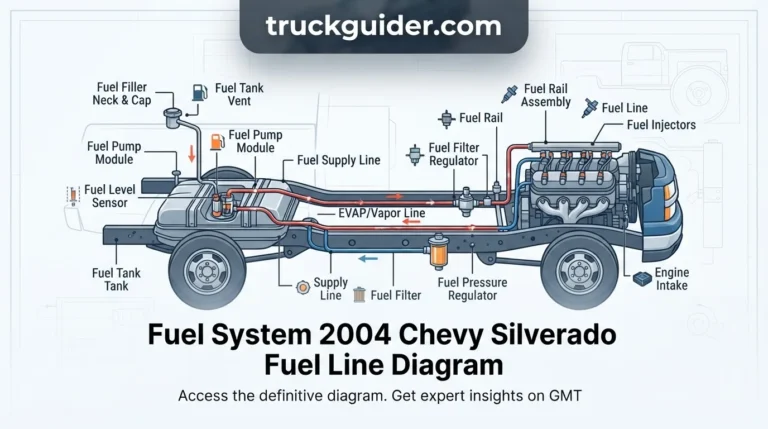
The fuel supply line originates at the pump module, located atop the fuel tank, and travels along the driver-side frame rail. A critical component in this loop is the inline fuel filter, typically mounted on the interior of the frame rail. Proper identification of the filter inlet and outlet ports is mandatory, as reversing these connections during a replacement can lead to immediate pump cavitation and internal failure. From the filter, the high-pressure line transitions to a hard-line-and-hose assembly that feeds the engine fuel rails.
Engine-side, the fuel rail acts as a pressurized reservoir for the fuel injectors. A fuel pressure sensor, often located on the rail itself, reports real-time feedback to the PCM, which then instructs the FPDM to adjust pump voltage. This cycle eliminates the need for a mechanical fuel return line, as the system only delivers the exact volume required for combustion. Because there is no fuel cooler or external primer pump typical of diesel platforms, the integrity of these quick-connect fittings and the internal O-rings is the primary defense against vapor lock and fuel starvation. When servicing, note that the fuel bowl or reservoir is integrated into the pump housing, meaning that fuel level sensor issues and pump failures often necessitate dropping the entire tank assembly.
Primary Components and Flow Path Identification

The fuel pump module is the heart of the system. It contains the pump motor, the sender unit for the fuel gauge, and the pressure regulator. In the 2004 F150, the pressure is maintained internally at the pump, which simplifies the exterior line configuration. The lines themselves are typically composed of nylon or high-pressure plastic composites, which must be handled with care to prevent kinking or cracking. Inspecting these segments for heat damage—especially near the exhaust manifold—is a standard diagnostic step when addressing intermittent performance loss.
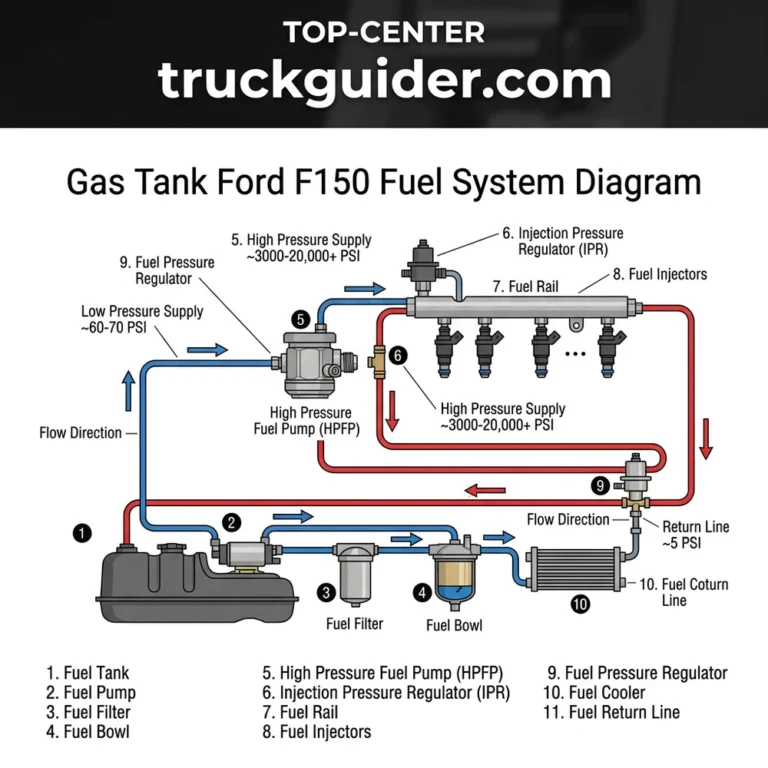
While diesel engines of this era utilize an injection pressure regulator (IPR) and a high pressure fuel pump, the 2004 gasoline F150 fuel architecture is entirely different. Ensure you are not referencing diesel-specific manuals, as the absence of a mechanical fuel return line is a defining characteristic of the 5.4L Triton and 4.6L gasoline platforms.
2004 Ford F150 Fuel Line Diagram: Failure Points and Symptoms
When troubleshooting, the most frequent point of failure in the 2004 Ford F150 fuel system is not the lines themselves, but the Fuel Pump Driver Module (FPDM). Mounted on the frame rail above the spare tire, the FPDM is notorious for corrosion-related failure due to its exposure to road salt and moisture. When the FPDM fails, it ceases to regulate power to the pump, resulting in a truck that will crank but fail to start, or experience intermittent stumbling under load.
Diagnosing Fuel Pressure and System Integrity
Before replacing the lines, always verify fuel pressure using the Schrader valve located on the fuel rail. A healthy system should maintain approximately 35–45 PSI at idle. If pressure is erratic or nonexistent, refer back to the 2004 ford f150 fuel line diagram to check for pinhole leaks or crimped sections. A common, often overlooked issue involves the Evaporative Emissions (EVAP) system. If the fuel tank cannot vent properly, a vacuum is created that prevents the pump from pushing fuel through the lines effectively. This manifests as a stall after extended driving or difficulty refueling at the pump.
Symptoms of failing system components include:
Long cranking cycles before ignition (indicating pressure bleed-off).
Engine sputtering under heavy throttle (indicating a restriction in the fuel filter or a failing FPDM).
Strong raw fuel odor near the driver-side frame rail (signaling a compromised quick-connect or degraded line).
Persistent check engine lights related to lean bank conditions (P0171/P0174).

Audible — Listen Free for 30 Days
One free credit a month and thousands of titles included.
Listen Free for 30 DaysNever attempt to repair fuel lines using rubber hose and worm-gear clamps. The 2004 F150 fuel system operates at high pressures that exceed the capabilities of standard aftermarket rubber lines. Always utilize OEM-spec nylon lines and the appropriate quick-connect repair couplings to prevent high-pressure fuel leaks and fire hazards.
Executing Repairs: 2004 Ford F150 Fuel Line Diagram Procedures
Recommended Best Deal Products


Performing repairs requires depressurizing the system first. Failure to do so will result in fuel spray under high pressure, posing a significant fire risk. To depressurize, locate the fuel pump inertia switch—usually found behind the passenger-side kick panel—and disconnect it while the engine is running. Once the engine dies from lack of fuel, the lines are safe to manipulate.
Professional Procedures for Line Removal and Replacement
1. Disconnect the negative battery terminal to prevent accidental spark or system activation during service.
2. Elevate the vehicle using a lift or jack stands. Never work on a fuel system while the vehicle is only supported by a hydraulic jack.
3. Locate the quick-connect fittings. These use a specific internal plastic clip. Use a professional fuel line disconnect tool to release the retainer tabs. Avoid using screwdrivers or pliers, as these will scar the fuel line nipples and cause permanent leaks.
4. If replacing sections of the line, use a heat gun (not an open flame) to soften the new nylon line before sliding it onto the barbed fittings.
5. Once the new components are installed, re-connect the inertia switch and turn the ignition key to the “ON” position for five seconds—do not crank the engine. Repeat this three times to allow the pump to prime the system and build line pressure.
6. Check for leaks around all fittings with the system fully pressurized before attempting to start the vehicle.
When replacing the fuel filter, ensure the flow arrow matches the direction of fuel travel toward the engine. Secure the filter within the chassis clips to prevent vibration-induced fatigue. If you are replacing the FPDM, ensure the housing is sealed with dielectric grease on the electrical connector to prevent the common corrosion issues that plague these units.
System pressure should hold steady for at least 10 minutes after engine shutdown. If the pressure drops rapidly, suspect a failing fuel pump check valve or a leaking injector.
Technical Specs and Reference Data for Ford Fuel Systems
The following reference table provides the essential parameters for maintaining the fuel delivery architecture of the 2004 F150. Use these figures for verifying your diagnostic results.
| Parameter | Specification | Note |
|---|---|---|
| Operating Fuel Pressure | 35–45 PSI | At idle |
| FPDM Voltage Input | 12V DC | Battery voltage |
| Filter Replacement Interval | 30,000 miles | Severe duty |
| Fuel Type | 87 Octane Min | Gasoline only |
2004 Ford F150 Fuel Line Diagram Questions Answered
Why does my truck have no fuel return line visible on the diagram?
The 2004 F150 utilizes a returnless fuel system. The fuel pressure regulator is located inside the tank, integrated with the pump assembly. Fuel is delivered to the injectors, and excess volume is managed by the FPDM, which varies the pump speed based on signals from the fuel pressure sensor.
Audible Premium Plus — Annual Membership
12 audiobook credits up front, plus the full Audible catalogue.
See Annual PlansCan I adapt a diesel fuel heater to my gasoline F150 fuel line?
No. Gasoline fuel lines are not rated for the modifications required to support a fuel heater, and doing so would introduce significant leak points and potential fire hazards. Gasoline systems do not require heating as diesel fuel does.
Where exactly is the fuel pump driver module located?
The FPDM is mounted to the frame rail above the spare tire. It is a silver, rectangular aluminum box. If you are experiencing a “no-start” and can verify you have spark but no fuel pressure, inspect this module for heavy corrosion, which is the primary cause of failure for this specific part.
Is the fuel filter orientation critical?
Yes, absolutely. The filter housing is marked with an arrow indicating the direction of fuel flow. If installed backward, the internal check valve will impede flow, cause the pump to work against excessive restriction, and lead to premature failure of the fuel pump motor.
What is the purpose of the Schrader valve on the fuel rail?
The Schrader valve is a test port designed for connecting a fuel pressure gauge. It is the only safe place to measure system pressure. Always wrap a rag around the valve when connecting your gauge to capture the small amount of fuel that may be released during the connection process.
Step-by-Step Guide to Understanding the 2004 Ford F150 Fuel Line Diagram
Recommended Best Deal Products


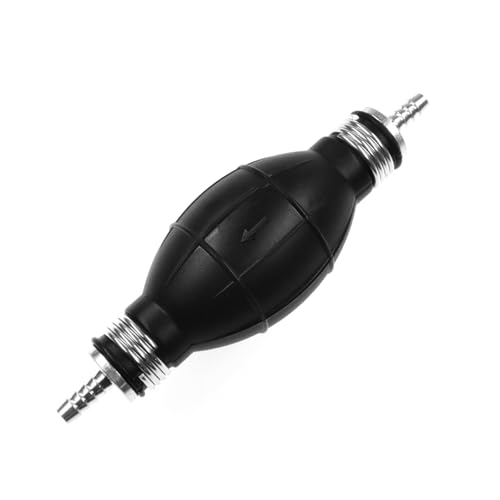
Identify – Locate the fuel pump relay in the fuse box and pull it to depressurize the fuel lines.
Locate – Find the fuel filter on the driver-side frame rail and the fuel pump module atop the fuel tank.
Reference – Use the diagram to trace the supply line from the pump to the fuel rail, noting any specific bends or clips.
Connect/Route – Secure all quick-connect fittings until they click, ensuring the safety clips are engaged to prevent high-pressure blow-offs.
Verify – Turn the ignition to ‘ON’ without starting the engine to prime the lines and check for leaks at all connection points.
Troubleshoot – If the engine fails to start, re-verify the FPDM wiring harness integrity and ensure the fuel pump ground is clean and tight.
2004 Ford f150 Fuel Line Diagram: Frequently Asked Questions
What are the main components of the 2004 ford f150 fuel line diagram?
The system includes the in-tank high pressure fuel pump, the fuel pump driver module (FPDM) mounted on the frame, the fuel filter, and nylon supply lines leading to the fuel rail. Unlike older systems, the fuel return line is integrated into the tank assembly, eliminating an external return path.
What are symptoms of a failing 2004 ford f150 fuel line diagram pump?
Symptoms include hard starting, loss of power under load, surging at highway speeds, or complete engine stalling. Listen for a high-pitched whine from the tank. Use a gauge to check for pressure drops below 30 PSI, which indicates a failing pump or a clogged fuel filter restricting flow.
How do I diagnose a fuel leak in 2004 ford f150 fuel line diagram?
Inspect the nylon quick-connect fittings at the fuel filter and the fuel rail. If you smell raw gasoline, use a UV dye kit in the fuel to trace the leak. Focus on the high pressure sections near the filter connections, as these clips often fatigue after years of engine vibration.
What is the fuel pressure spec for 2004 ford f150 fuel line diagram?
For the 5.4L Triton and 4.6L engines, the specification is 35-45 PSI with the engine running. If the pressure falls below 30 PSI under load, the fuel pump is likely failing. Test by connecting a fuel pressure gauge to the Schrader valve on the fuel injection rail.
How long does 2004 ford f150 fuel line diagram fuel pump last?
A standard pump usually lasts 100,000 to 150,000 miles. Driving with less than a quarter tank frequently overheats the pump, as the fuel acts as a coolant. Always prioritize OEM replacements, as aftermarket pumps often fail to maintain consistent pressure, causing the injection pressure regulator to work harder.
Can I replace the 2004 ford f150 fuel line diagram fuel filter myself?
Yes, it is a straightforward DIY task. You will need a fuel line disconnect tool to release the spring-lock couplings. Relieve the system pressure first by removing the fuel pump relay and cranking the engine until it dies. Always wear safety glasses, as residual fuel will remain in the lines.