2017 Ram 1500 Fuel Filter Location And Internal Pump Module Guide

For many truck owners, the simple task of changing a fuel filter has become a complex mechanical operation as manufacturers move toward integrated, high-efficiency systems. If you are searching for the 2017 Ram 1500 fuel filter location, you have likely discovered that it is not in the traditional, easy-to-access spots found on older vehicles. This article will pinpoint the exact location of the fuel filter within the tank, explain the challenges of accessing the fuel pump module, and provide the data you need to decide on a replacement strategy.


The Specific 2017 Ram 1500 Fuel Filter Location and Housing
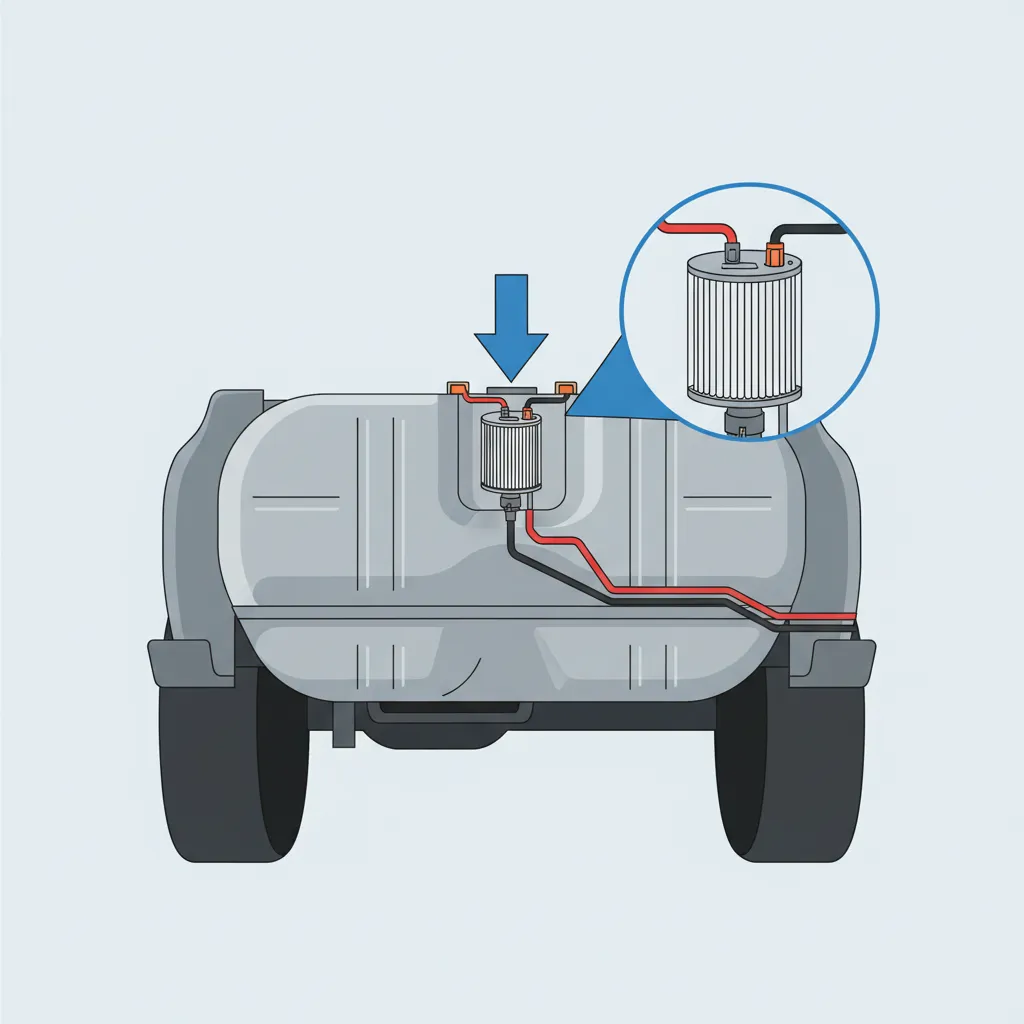
As an industry veteran, I often see DIY enthusiasts slide under their trucks with a set of wrenches, searching the frame rails for a canister-style filter. On the 2017 Ram 1500, that search will be fruitless. This vehicle utilizes an in-tank fuel filtration system. The filtration media is not a standalone part you can simply unscrew; instead, it is housed within the fuel pump module assembly. This assembly is a comprehensive unit that includes the fuel pump motor, the pressure regulator, the fuel level sending unit, and the filter itself.
The 2017 Ram 1500 fuel system is a “returnless” design. In older systems, fuel was pumped to the engine and excess fuel was returned to the tank via a second line. In a returnless design, the pressure is regulated inside the tank, which reduces evaporative emissions and simplifies the plumbing. This necessitates that the filter be part of the internal assembly. Technically, the system features two layers of filtration: a primary internal filter (the main media) and a fuel strainer, often called a “sock,” which is attached to the pump inlet to catch larger debris before it enters the motor.
The fuel tank itself is located on the driver-side mid-ship, positioned between the frame rail and the driveshaft. The fuel pump module sits at the very top of the reservoir, submerged in gasoline. This location is strategically chosen to use the fuel as a coolant for the pump motor, but it makes the filter highly inaccessible for routine maintenance. If you are looking for Ram specs regarding the fuel system, you will find that the manufacturer considers this a “lifetime” component, though real-world conditions often dictate otherwise.
Don’t waste time looking for an external filter near the engine bay or along the chassis. If your 2017 Ram is gasoline-powered (3.6L Pentastar or 5.7L Hemi), the filter is 100% internal to the tank. Only the EcoDiesel models feature accessible, frame-mounted filters.
Accessing the Fuel Tank and Pump Module for Service
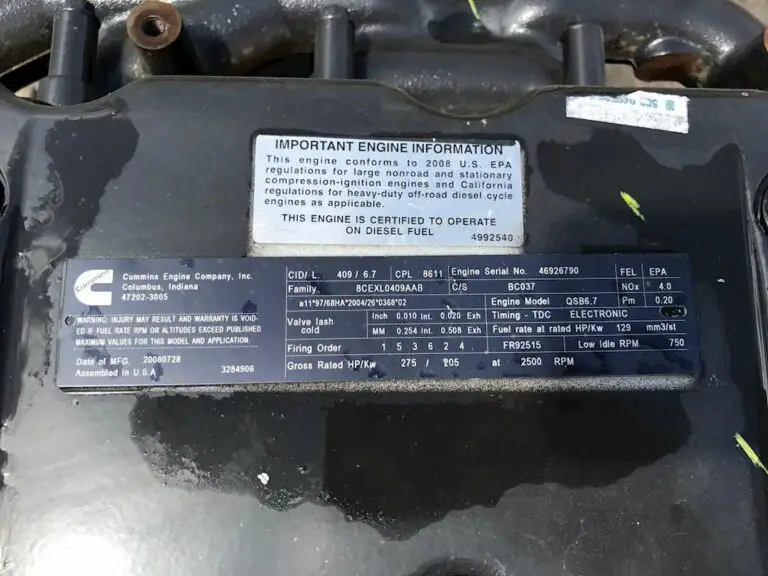
Accessing the internal fuel filter is a labor-intensive process that requires specialized equipment and strict safety protocols. There are two primary schools of thought when it comes to reaching the pump module: dropping the tank or lifting the truck bed. While some luxury trim levels or specific cab configurations may feature an access panel under the rear seat, the vast majority of 1500 models require moving the tank or the bed.

📋
Step-by-Step Access Guide
Locate the fuel pump fuse in the Power Distribution Center (fuse box). Remove the fuse and start the engine, allowing it to idle until it stalls. This safely clears the lines of high-pressure fuel.
A full fuel tank can weigh over 200 pounds. Technicians recommend performing this service when the fuel level is below 1/4 tank to ensure manageable weight and safety during the drop.

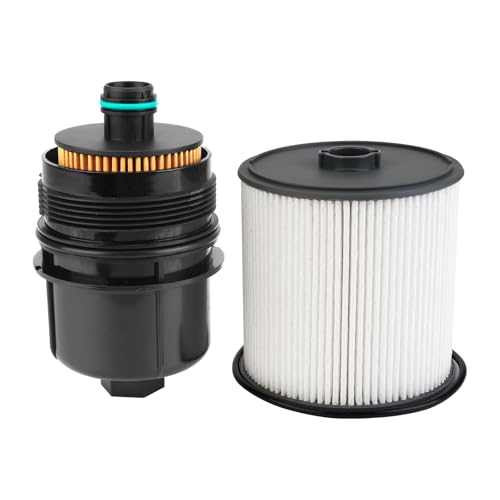


Disconnect the filler neck, electrical harnesses, and quick-disconnect fuel lines. Support the tank with a transmission jack and remove the metal straps holding it to the frame.
The “bed-lift” method is an alternative often preferred by specialized shops. By removing the bolts securing the truck bed and disconnecting the tail light wiring, the bed can be tilted or lifted, providing clear, top-down access to the fuel pump lock ring. Regardless of the method, you will need a fuel pump locking ring tool to rotate the plastic or metal ring that seals the module to the tank. Using a hammer and screwdriver is a common pitfall that can crack the tank or the module housing.
Replacement Considerations: Individual Filter vs. Complete Module
When a restriction is diagnosed, owners often ask if they can just replace the filter element. While some aftermarket suppliers offer “filter-only” kits, I strongly advise against this approach for the 2017 Ram 1500. Chrysler/Ram designs these units as non-serviceable assemblies. Attempting to disassemble the module to replace just the filter media often leads to compromised seals or damage to the delicate plastic clips that hold the assembly together.
There is also a significant “labor-to-cost” ratio to consider. Given that accessing the tank takes several hours of professional labor, it is far more logical to install a complete, new fuel pump module. If the filter is clogged, the pump motor has likely been straining to push fuel through the restriction, causing the internal windings to overheat. Replacing only the filter leaves you with a stressed motor that may fail shortly after the repair, forcing you to pay for the expensive labor a second time. For the best results, consult the official guide for OEM part numbers.
✅ Pros: Full Module
- New pump motor & regulator
- Accurate fuel level sensor
- Factory-sealed reliability
- Single labor charge
❌ Cons: Filter Only
- High risk of seal leaks
- Leaves old motor in place
- Difficult disassembly
- Potential warranty issues
Service Intervals and Identifying Clogged Filter Symptoms
In a perfect world, a fuel filter would last the life of the truck. However, variables like “dirty fuel” from aging gas station tanks or driving in dusty environments can shorten this lifespan. For the 2017 Ram 1500, the critical window for fuel system health is between 100,000 and 150,000 miles. Beyond this point, the accumulation of sediment at the bottom of the fuel reservoir can begin to restrict the flow through the intake strainer and the main internal filter.
Identifying a failing fuel filter requires a keen eye for performance changes. Common symptoms include:

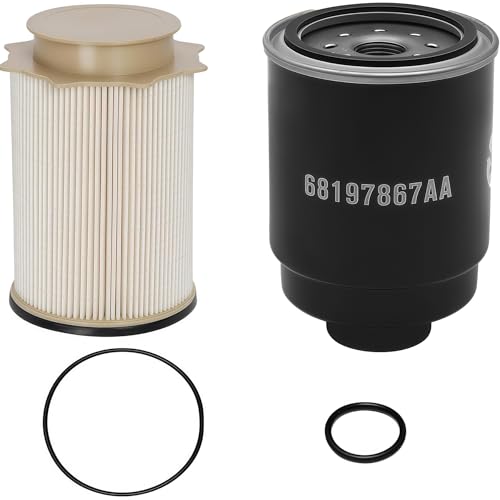


- Extended Crank Times: The engine takes longer than usual to fire up, especially in the morning.
- Stalling Under Load: The truck dies or sputters when towing a trailer or climbing a steep grade.
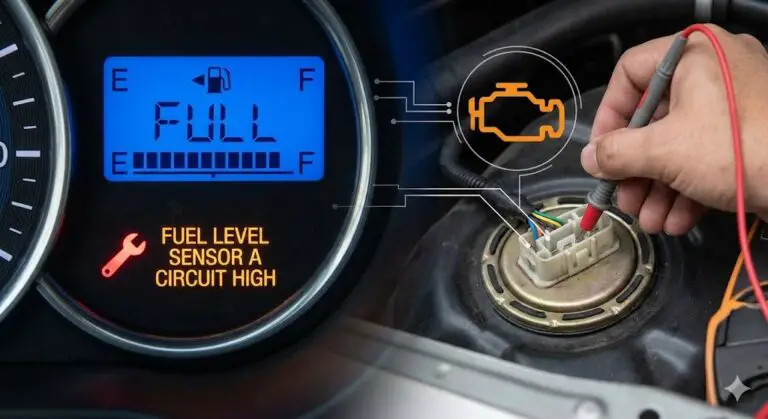
- P0171/P0174 Codes: These diagnostic trouble codes indicate a “lean” condition, meaning the engine isn’t getting enough fuel.
- Reduced Fuel Economy: As the computer tries to compensate for low pressure, efficiency drops.
Before you drop the tank, I recommend performing a fuel pressure test at the fuel rail. There is a Schrader valve located on the engine’s fuel rail that allows for a quick diagnostic check. If the pressure is significantly below the 58 PSI (typical for the Hemi 5.7L), you have confirmed a restriction or a failing pump. Many owners in the community share similar experiences where a simple pressure test saved them from unnecessary parts-swapping.
By The Numbers
Average Lifespan (Miles)
Replacement Cost
Standard Fuel Pressure
Finding Professional Fuel System Service Nearby
Due to the fire hazards and environmental regulations associated with fuel vapors, seeking professional assistance is often the wisest path. A trusted local shop serving your community will have the proper vapor recovery systems and the specialized diagnostic tools needed to verify that the fuel trim levels are within factory specifications after a module replacement. When searching for a shop nearby, ensure they have experience specifically with Chrysler’s returnless fuel systems.
Professional service centers are available to provide warranties that a DIY job cannot match. Many reputable shops offer a 24-month/24,000-mile warranty on both parts and labor. This is convenient for truck owners who rely on their vehicle for daily work or long-distance hauling. Furthermore, a shop will have an accessible record of the service, which can bolster the resale value of your truck by proving it has been maintained to OEM standards.
Fuel vapors are heavier than air and can travel along the floor to a pilot light or spark source. Never perform fuel system work in a garage with a water heater or space heater. Always work in a well-ventilated area with a Class B fire extinguisher nearby.
Labor rates for this type of repair vary significantly based on your location. In major metropolitan areas, you can expect rates between $110 and $190 per hour. While the price might seem steep, the complexity of removing a massive fuel tank safely—without damaging the evaporative emissions lines—makes the professional route a sound investment for most 2017 Ram 1500 owners.
Conclusion
In summary, the 2017 Ram 1500 fuel filter is located inside the fuel tank as part of the fuel pump module assembly. Accessing the filter requires dropping the fuel tank or lifting the truck bed, making it a labor-intensive process that demands precision and safety. While the system is designed for a long lifespan, replacements are typically necessary between 100,000 and 150,000 miles to maintain engine performance and prevent pump failure. If your truck is exhibiting signs of fuel starvation, such as long crank times or stalling under load, consult a local professional to perform a fuel pressure test and ensure your 2017 Ram 1500 remains reliable for the road ahead.
Frequently Asked Questions
Can I replace just the fuel filter on my 2017 Ram 1500?
Technically, some aftermarket kits allow for filter-only replacement, but it is not recommended. The filter is integrated into the fuel pump module. Because accessing the unit requires dropping the fuel tank, most professionals advise replacing the entire module to prevent future pump failure and save on repetitive labor costs.


How often should the fuel filter be changed on this model?
There is no scheduled maintenance interval for the 2017 Ram 1500 fuel filter, as it is considered a ‘lifetime’ component. However, based on industry standards and owner feedback, the assembly usually requires attention between 100,000 and 150,000 miles or if symptoms like stalling and poor acceleration occur.
What are the symptoms of a clogged fuel filter in a Ram 1500?
Common indicators include difficulty starting the engine (long cranking), hesitation during acceleration, a noticeable drop in fuel economy, and stalling while idling. In severe cases, a clogged filter can cause the ‘Check Engine’ light to illuminate with codes indicating a lean fuel mixture, such as P0171.
Is it difficult to replace the fuel filter myself?
Yes, it is a challenging DIY project. You must either drain and drop the heavy fuel tank or unbolt the truck bed to reach the fuel pump module. This requires specific tools, jack stands, and strict adherence to safety protocols to manage high-pressure fuel and flammable vapors.
How much does it cost to have a professional replace the fuel filter?
Since the filter is part of the fuel pump assembly, the total cost for parts and labor typically falls between $500 and $1,200. Prices vary based on your location and whether you choose an OEM Mopar part or an aftermarket alternative at a nearby service center.
![How to Prime a Diesel Engine: Expert Bleeding: Step-by-Step Guide [2026]](https://truckguider.com/wp-content/uploads/2026/03/how-to-prime-a-diesel-engine-featured.webp)
![2022 Ram 2500 Fuel Filter [2026]](https://truckguider.com/wp-content/uploads/2026/03/2022-ram-2500-fuel-filter-featured.webp)