
2019 Ram 1500 Coolant Capacity 2026 Factory Data

Quick Answer
The 2019-2026 Ram 1500 coolant capacity typically ranges from 12 to 15 quarts depending on the engine configuration (3.6L Pentastar, 5.7L HEMI, or 3.0L EcoDiesel). The most critical caveat is ensuring the use of OAT (Organic Acid Technology) coolant, as mixing incompatible types can cause severe cooling system corrosion. Always verify your specific capacity via the owner’s manual or the build sheet located in your glove box.
Ever wondered why your 2019 Ram 1500 seems to have a different coolant capacity than your neighbor’s? It is a common point of confusion, primarily because the 2019 model year marked a significant transition period where both the “Classic” (4th Gen) and the “New Body Style” (5th Gen) trucks were sold simultaneously. Owners often struggle to identify which platform they have, leading to potential under-filling or over-filling of the cooling system. This guide provides exact factory specifications, identifies the required coolant chemistry, and outlines the professional procedures for maintaining your truck’s engine temperature and long-term reliability.

Prime for Young Adults — 6 Months Free
Students and 18–24s get six months of Prime free, then half price.
Start 6 Months FreeThis guide covers 2019 Ram 1500 cooling system data for both DS (Classic) and DT (New) platforms. Capacity figures are based on factory service manuals for dry-fill scenarios. Last reviewed: August 2026. Always confirm your fluid requirements via your vehicle’s specific owner’s manual or the build sheet associated with your VIN.
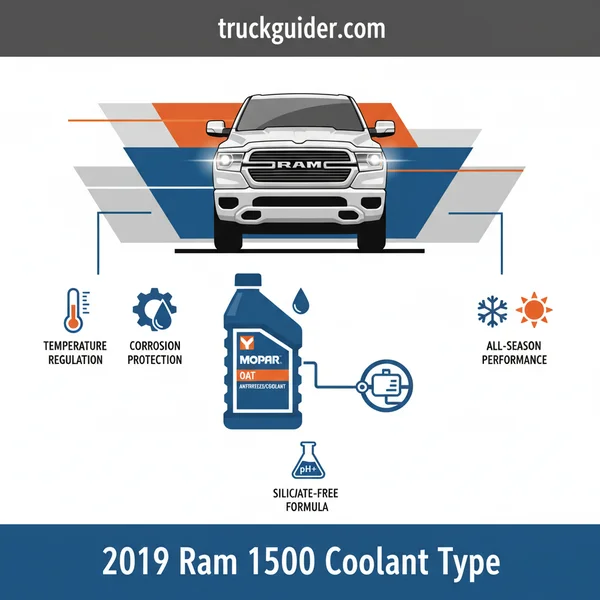
2019 Ram 1500 Coolant Capacity and Specification Chart
Recommended Best Deal Products


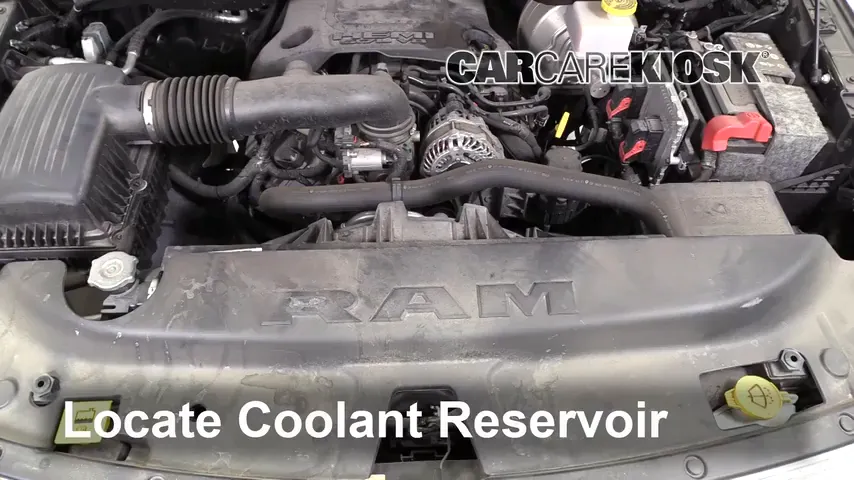
Standard Cooling System Requirements
| Engine | Body Style | Est. Capacity (Quarts) | Notes |
|---|---|---|---|
| 3.6L Pentastar V6 | New (DT) | ~12.8 | eTorque systems may vary |
| 5.7L HEMI V8 | New (DT) | ~14.5 | Standard cooling |
| 5.7L HEMI V8 | Classic (DS) | ~14.2 | Consistent across Classic |
Data Scope and Accuracy Verification
It is critical to note that the figures above represent approximate dry-fill volumes. When performing a standard drain-and-fill, you may find that the system accepts slightly less fluid due to remaining pockets of trapped air or residual fluid in the heater core. Always use the expansion tank level markers as your primary indicator rather than dumping the entire calculated volume into the system at once.
14.5 Qts
12.8 Qts
Understanding Your 2019 Ram 1500 Cooling System Design
Classic vs. New Body Style Cooling Variations
The 2019 production year was a hybrid for Ram. The “Classic” (DS) model continued the legacy design of the 4th generation, while the “New” (DT) model introduced a redesigned front end, frame, and cooling module. The radiator sizes and cooling pump flows differ between these generations. If you are servicing a Classic DS truck, the components will share more DNA with 2018 models, whereas the DT models feature modern advancements like active grille shutters and updated thermostat housings that impact how the system is bled and filled.
Key Cooling System Components Defined
Your truck’s cooling system is an integrated network designed to maintain optimal engine operating temperatures.
Radiator: The primary heat exchanger; the DT model’s unit is optimized for higher towing heat loads.
Heater Core: An often-overlooked component that acts as a secondary radiator. When flushing, failing to circulate fluid through the heater core can result in an incomplete system fill.
Expansion Tank: This is the pressurized reservoir where you should monitor levels. On the 2019 model, this is the only reliable point to check the state of your coolant.
Selecting the Right OAT Coolant for Your Ram 1500
Recommended Best Deal Products


Why Mopar Purple OAT Coolant Matters
Mopar engines require specific chemistry to prevent internal corrosion and cavitation. For the 2019 model year, the manufacturer specifies Organic Acid Technology (OAT) coolant, which is distinctively purple or violet in appearance.
Dangers of Mixing Coolant Colors
Never mix OAT (Purple) with HOAT (Orange) or traditional green coolants. Doing so can trigger a chemical reaction that results in the formation of gel or sludge. This sludge can:
Block the radiator passages.
Corrode the water pump impeller.
Cause catastrophic thermostat failure.
Always use distilled water if you are mixing concentrated coolant. Tap water contains minerals that will scale your engine block over time, drastically reducing the efficiency of your cooling system.
How to Properly Flush and Fill the Cooling System
Step-by-Step Cooling System Flush
Ensure the engine is completely cool. Never open a pressurized cooling system on a hot engine.

Audible — Listen Free for 30 Days
One free credit a month and thousands of titles included.
Listen Free for 30 DaysLocate the radiator petcock at the bottom of the radiator. Drain into a suitable catchment basin to prevent environmental contamination.
Fill the system slowly. If available, use a vacuum-fill tool to eliminate air pockets instantly. If filling manually, run the engine with the heater set to maximum heat to open the core and cycle the coolant.
Bleeding Air Pockets for System Efficiency
Air pockets are the primary enemy of a healthy engine. A trapped bubble can cause local “hot spots” in the cylinder heads, leading to premature head gasket wear. Always monitor your temperature gauge during the first few miles after a fill, as a drop in the cabin heater temperature is a classic indicator that air is trapped in the heater core.
Common 2019 Ram 1500 Cooling System Maintenance Issues
Recommended Best Deal Products
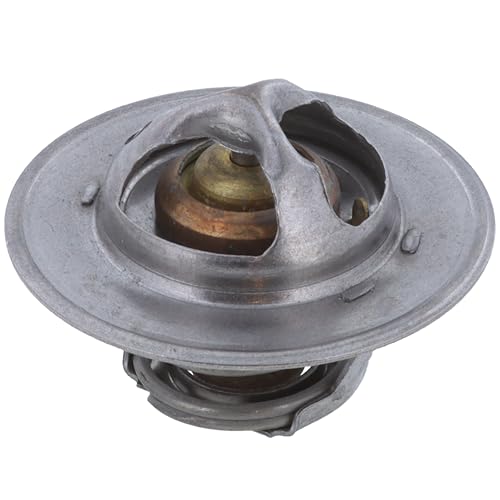


Addressing Low Coolant Warnings Promptly
If your dash displays a “Coolant Low” warning, do not simply top it off and ignore it. While slight evaporation over years is normal, a consistent drop in levels suggests a leak. Check the water pump weep hole for dried coolant residue—this is often the first sign that the water pump seal is failing before a full breakdown occurs.
Thermostat Housing and Water Pump Failure Signs
Both the 5.7L HEMI and 3.6L Pentastar engines have high-flow cooling systems that place significant stress on the thermostat housing. If your engine takes an abnormally long time to reach operating temperature, or if it spikes into the red intermittently, the thermostat may be stuck. Inspect the housing for visible plastic stress fractures or leaks, which are common on high-mileage units.
When replacing the thermostat, always replace the gasket or O-ring. A recycled seal is the most common cause of “mystery leaks” following a cooling system service.
2019 Ram 1500 Coolant Capacity Questions Answered
Can I use universal coolant in my 2019 Ram?
No. Universal coolants often lack the specific inhibitors required for OAT systems. Always use Mopar-approved OAT (Purple) coolant to maintain your warranty and engine health.
How do I know if I have a Classic or New Body style?
Check your VIN or look at the front grille/headlight assembly. The 5th Gen (New) has a more aggressive, sleek LED-integrated look, whereas the 4th Gen (Classic) retains the older, bulkier front end design.
Audible Premium Plus — Annual Membership
12 audiobook credits up front, plus the full Audible catalogue.
See Annual PlansHow often should I flush the coolant?
Most manufacturer guidelines suggest an initial change at 10 years or 150,000 miles, but for heavy towing and work-truck usage, performing a drain-and-fill every 5 years or 75,000 miles is best practice for professional longevity.
Maintaining your 2019 Ram 1500 cooling system is a straightforward task if you respect the specific chemistry and volume requirements. Always verify your generation before buying parts, use the correct OAT (Purple) coolant, and prioritize removing air pockets during the refill process. Keeping your cooling system in top shape is the most effective way to ensure your Ram continues to deliver reliable performance for years to come.
![P0457 Dodge Ram 1500: Complete Repair Guide [2026]](https://truckguider.com/wp-content/uploads/2026/03/p0457-dodge-ram-1500-featured.webp)
![1997 Dodge Ram 1500 Dashboard Replacement: Complete Fix Guide [2026]](https://truckguider.com/wp-content/uploads/2026/03/1997-dodge-ram-1500-dashboard-featured.webp)
![2015 Ram Headlight Bulb Size Guide: Specs & Fitment Guide [2026]](https://truckguider.com/wp-content/uploads/2026/03/2015-ram-headlight-bulb-featured.webp)