RAM 1500 Tail Light Bulb Guide: Sizes & LED Upgrades [2026]

The correct RAM 1500 tail light bulb size depends on your vehicle’s generation, with 3157 or 7443 being the most common for halogen housings. For factory LED units, bulbs are typically non-serviceable, requiring a housing replacement if the LEDs fail.
🎯 Key Takeaways
- 4th Gen RAMs (2009-2018) primarily use the 3157 dual-filament bulb.
- 5th Gen RAMs (2019+) with halogen housings typically require 7440/7443 bulbs.
- Factory LED tail lights are usually sealed and not user-serviceable.
- LED upgrades require CANbus-ready bulbs to prevent hyper-flashing errors.
- A T25 Torx driver is the essential tool for tail light removal.
The standard RAM 1500 tail light bulb for most modern models is either a 3157 or a 7443, depending on your truck’s specific generation and trim level. If you drive a fifth-generation RAM (2019 or newer), you are likely looking for a 7443 or 7440 bulb, while fourth-generation owners (2009–2018) and RAM Classic owners typically require the 3157 size for their brake and turn signal functions. Getting the exact part number is vital because RAM’s electrical system is notoriously sensitive to voltage changes and bulb seating.



Replacing a dim or burnt-out bulb is one of the most practical maintenance tasks you can perform to keep your truck road-legal and safe. Using the wrong bulb can lead to “bulb out” messages on your dashboard or the dreaded “hyper-flash” where your turn signal blinks at double speed. This guide provides the exact fitment data for both halogen replacements and LED upgrades, ensuring you buy the right part the first time without having to guess at the auto parts counter.
RAM 1500 Tail Light Bulb Fitment Chart by Generation
RAM trucks have transitioned through several lighting configurations over the last decade. It is important to distinguish between the “DS” model (4th Generation/Classic) and the “DT” model (5th Generation). Additionally, if your truck came from the factory with premium LED tail light housings, these units are often sealed and do not have traditional “twist-out” bulbs. For trucks with standard halogen housings, use the specific fitment data below.
5th Generation RAM 1500 (2019–Present) – “DT” Models
The 5th Gen RAM features a more modern wedge-style bulb system for its halogen-equipped trims (like the Tradesman and Big Horn). These bulbs are designed for high-heat resistance and better vibration dampening compared to older designs.
- Brake / Tail / Rear Turn Signal: 7440 or 7443 (Dual filament for combined brake/turn functions).
- Reverse Light: 921 (Also known as T15).
- Note for LED Trims: If your truck has the factory LED “signature” lighting, the individual LEDs are integrated into the circuit board. If a segment fails, the entire housing usually requires replacement.
4th Generation RAM 1500 & Classic (2009–2018 / 2019–2024 Classic) – “DS” Models
The 4th Generation RAM remains one of the most common trucks on the road. It uses a larger plastic-base bulb that has been a standard in American trucks for decades. These bulbs are easily accessible by removing two T25 Torx screws from the inner tailgate jam.
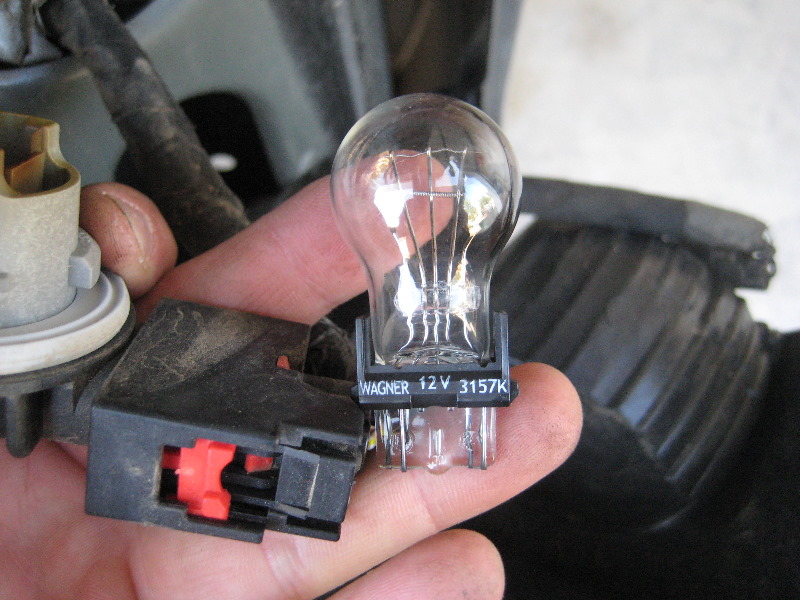
- Brake / Tail / Rear Turn Signal: 3157 or 3057. (3157 is the preferred high-output replacement).
- Reverse Light: 921 or 912.
- Special Note: Some Sport and Laramie trims from this era used a factory LED housing. Similar to the 5th Gen, these factory LED units do not have user-serviceable bulbs for the brake and turn functions, though some still utilize a 921 bulb for the reverse light.
Comparing Halogen vs. LED Bulb Upgrades for RAM Trucks
When one of your tail light bulbs burns out, you face a choice: stick with the original halogen style or upgrade to a modern LED. While LEDs offer significant benefits in terms of brightness and longevity, RAM trucks require specific types of LEDs to function correctly without causing computer errors.
Halogen Bulbs: The Reliable Standard
Standard halogen bulbs, such as the Sylvania 3157 LongLife or Philips 7443, are the “plug-and-play” default. They are inexpensive and guaranteed to work with your truck’s electrical system. Standard halogen bulbs rely on a heated filament, which means they have a slight delay—about a half-second—between the moment you hit the brake and the moment they reach full brightness. While reliable, they generate a significant amount of heat, which can eventually make the plastic bulb sockets brittle over many years of use.
LED Upgrades: Brightness and CANbus Compatibility
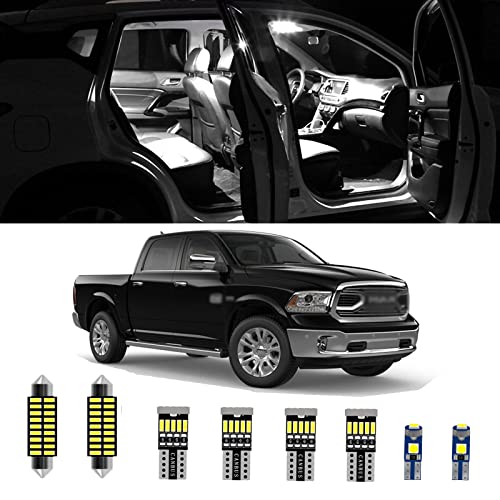
Upgrading to LED bulbs significantly increases the visibility of your truck. LEDs reach full brightness instantly, giving drivers behind you more time to react when you brake. However, because LEDs draw much less power than halogens, your RAM’s computer may think the bulb is missing or blown. This is why you must choose CANbus-ready or “Error-Free” LED bulbs.


- Instant Response: LEDs light up roughly 0.2 seconds faster than halogens, which equates to about 15-20 feet of extra stopping distance for a car following you at highway speeds.
- CANbus Requirements: Look for bulbs labeled “Anti-Hyper Flash” or “Built-in Resistor.” If you use a generic LED, you will likely need to wire in a separate load resistor to prevent dashboard errors.
- Reverse Light Upgrades: Upgrading the 921 reverse bulb to a high-output LED is one of the most popular modifications for RAM owners. It significantly improves the performance of the backup camera at night by casting a wider, whiter beam of light.
- Color Matching: Always install a red LED behind a red tail light lens. Using a white LED behind a red lens can actually wash out the color and result in a pinkish-orange glow that is less visible.
Understanding CANbus Systems and Hyper-Flash Issues
Modern RAM 1500 trucks are equipped with a sophisticated electrical brain known as the CANbus system. This system acts like a monitor for your vehicle’s health, constantly checking the electrical resistance of your bulbs to ensure everything is working correctly. While this is great for safety, it can create a bit of a hurdle when you decide to switch from traditional incandescent bulbs to high-efficiency LEDs.
The “Hyper-Flash” Headache
The most common issue RAM owners face during an upgrade is hyper-flashing. Because LED bulbs draw significantly less power than halogen bulbs, the CANbus system assumes the bulb has burnt out and sends a rapid-fire signal to your dashboard and turn signals. It is the truck’s way of telling you there is a problem, even though your new LEDs are perfectly fine.
Tips for a Seamless LED Transition
- Look for “CANbus Ready” Bulbs: Many premium LED replacements now come with built-in resistors designed to mimic the power draw of a standard bulb.
- External Load Resistors: If your chosen LEDs still cause errors, you might need to add a small load resistor to the wiring circuit to balance the load.
- Anti-Flicker Modules: These “plug-and-play” adapters sit between the truck’s harness and the bulb to stabilize the signal and prevent dashboard warning lights.
- Verify Compatibility: Always check if the bulb is marketed specifically for “Error-Free” performance in Dodge or RAM vehicles, as their electrical tolerances are notoriously tight.
Maintenance Factors and Signs of Failing Tail Light Bulbs
Your RAM’s tail lights are exposed to the elements every single day. Between the vibration of highway driving and the dust of the job site, these bulbs endure a surprising amount of wear and tear. Proper maintenance ensures you aren’t caught off guard by a “Bulb Out” warning—or worse, a ticket from a local officer.
Environmental Impacts on Bulb Longevity
Vibration is the primary enemy of the traditional filament bulb. If you frequently haul heavy loads or take your RAM off-road, the constant shaking can cause the delicate wire inside a halogen bulb to snap prematurely. Furthermore, moisture intrusion is a common culprit. Even a tiny crack in the tail light housing can let in condensation, which can corrode the bulb socket or cause an electrical short that ruins a brand-new bulb instantly.
Warning Signs You Need a Replacement
You don’t always have to wait for a bulb to go completely dark to know it’s failing. Keep an eye out for these common red flags:
- Dimming or Discoloration: If one tail light looks noticeably “yellow” or dimmer than the other, the filament is likely on its last legs.
- Intermittent Flickering: This often suggests a loose connection in the socket or a bulb that is reacting to heat-related expansion.
- Visible Darkening: When inspecting your bulbs, look for a “mirrored” or smoky appearance on the glass. This is a sign the internal gases are breaking down.
- Dashboard Alerts: RAM trucks are excellent at notifying you of a “Tail Light Out” message; never ignore these, even if the light seems to be working temporarily.
Conclusion
Navigating the world of RAM 1500 tail light bulbs doesn’t have to be complicated. By identifying your specific bulb size—whether it is the classic 3157 or the modern 7440—and understanding how the CANbus system interacts with your lighting, you can ensure your truck remains both safe and stylish. Upgrading to LEDs offers a crisp, modern look and better reaction times for drivers behind you, provided you choose “error-free” options to avoid flickering issues.
As a next step, take five minutes tonight to perform a light check with a friend or by using a reflective surface to ensure your current bulbs are burning bright. If you notice any dimming or moisture inside your lenses, it is the perfect time to grab a fresh set of bulbs. Keep your RAM visible and keep the road safe!
💬 Quick Questions & Answers
What size bulb does a 2014 RAM 1500 tail light use?
The standard tail/brake bulb for a 2014 RAM 1500 is the 3157 dual-filament bulb.


Can I put LED bulbs in my RAM 1500?
Yes, but you must use CANbus-compatible LEDs to avoid dashboard error codes and hyper-flashing.
What tool is needed to change the RAM 1500 tail light bulb?
You will need a T25 Torx bit to remove the two screws holding the housing inside the tailgate.
Why is my tail light blinking fast after an LED upgrade?
This is ‘hyper-flash,’ caused by the lower power draw of LEDs without built-in resistors.
Are factory LED tail lights repairable?
Generally no; factory LED assemblies are sealed and require full replacement if a diode fails.
❓ Frequently Asked Questions
What is the difference between 3157 and 3057 bulbs for the RAM 1500?
Both share the same base, but 3157 is brighter (higher wattage) on the major filament, making it superior for brake lights and turn signals.
Do I need a resistor for RAM 1500 LED tail lights?
If the bulb isn’t specifically ‘CANbus-ready’ or doesn’t have a built-in resistor, you will likely need a load resistor to mimic the draw of a halogen bulb.
How do I identify if I have factory LED or halogen tail lights?
Look at the lens; halogens have a clear view of the bulb and a separate reflector, while factory LEDs use a diffuse light bar or a grid of small diodes.



Why does my RAM 1500 say ‘Tail Lamp Out’ when the light is still working?
This often happens with cheap LEDs or a bulb that is beginning to fail, causing a change in electrical resistance that triggers the truck’s sensitive monitoring system.
What are the best bulb brands for RAM 1500 longevity?
Sylvania SilverStar or Philips are the standard for halogen longevity, while brands like Lasfit and Diode Dynamics offer reliable RAM-specific LED kits.
Can one bulb serve both the brake light and the turn signal on a RAM?
Yes, many RAM 1500 configurations use a dual-filament bulb (like 3157) to handle both brake and turn signal functions in one socket.