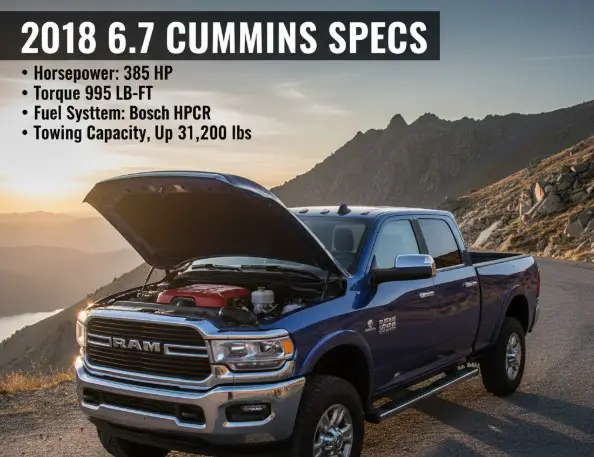
6.7 Cummins EGR Delete Kit: Comprehensive Performance, Tuning, 2026

The Exhaust Gas Recirculation (EGR) system engineered for the 6.7L Cummins turbo-diesel engine serves a singular regulatory purpose: the reduction of nitrogen oxide (NOx) emissions to comply with federal clean air mandates. While effective at suppressing NOx formation by diluting the oxygen concentration in the combustion chamber, the operational reality of recirculating hot, soot-laden exhaust gases back into the engine introduces catastrophic long-term reliability issues.
For owners of Dodge Ram 2500, 3500, and chassis cab models, installing a 6.7 Cummins EGR delete kit represents a critical mechanical intervention designed to restore engine longevity, optimize thermodynamic efficiency, and unlock the platform’s true torque potential.


This comprehensive industry report delivers an exhaustive technical analysis of EGR failure mechanics, the metallurgical advantages of leading aftermarket hardware, required ECM tuning parameters, and the rapidly shifting 2026 legal landscape regarding diesel emissions enforcement.
6.7L Cummins
EGR Delete Analysis
Unleashing performance versus navigating legal compliance. A data-driven look at the most debated modification for Ram heavy-duty trucks.
The EGR Bottleneck
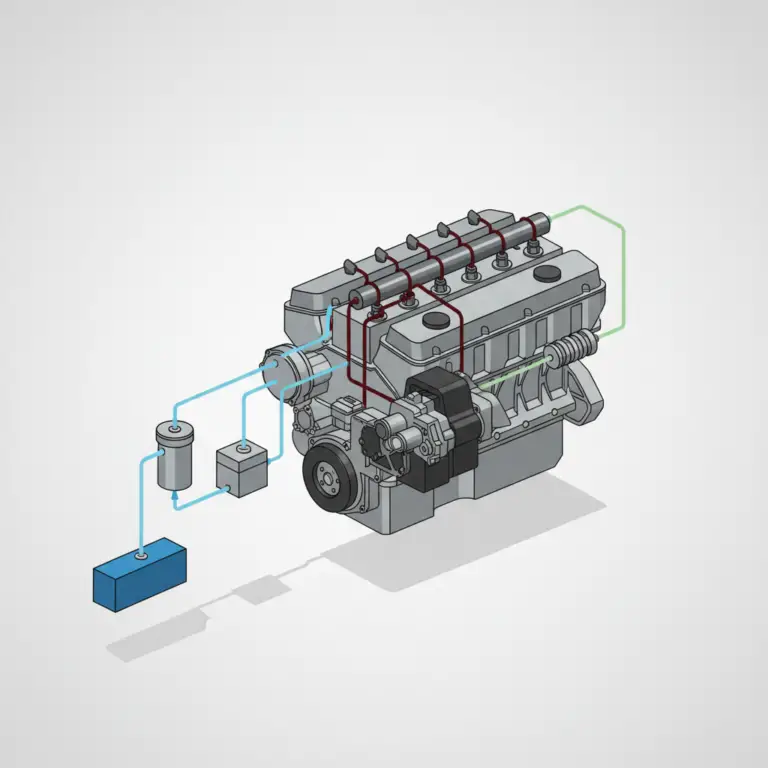
The Exhaust Gas Recirculation (EGR) system is designed to lower Nitrogen Oxide (NOx) emissions by recirculating a portion of the exhaust gas back into the engine intake. While this satisfies EPA regulations, it introduces hot, soot-laden air into the combustion chamber.
Over time, this process cakes the intake manifold with carbon deposits, reduces efficiency, and increases the risk of component failure. The “Delete Kit” physically removes these components, allowing the engine to breathe only clean, fresh air.
Stock Airflow Cycle
Deleted Airflow Cycle
Fuel Efficiency Gains
By removing the restrictive EGR cooler and valve, the engine “breathes” easier. Additionally, deleting the EGR eliminates the active regeneration cycles that consume extra fuel to burn off soot, resulting in a noticeable MPG increase.
Long-Term Engine Health
The primary mechanical argument for deletion is the reduction of soot. Recirculated exhaust introduces abrasive carbon particles into the oil and intake. The chart below projects accumulated soot exposure over 100,000 miles.
The “Fix vs. Delete” Economics
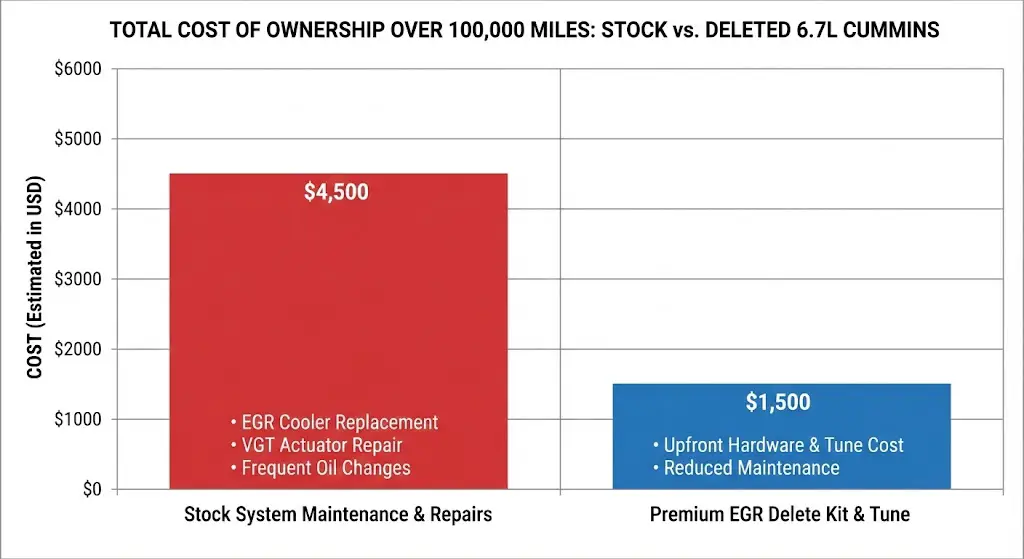
EGR coolers and valves are prone to failure, often clogging or leaking coolant into the engine. When failure occurs, owners face a choice: pay for expensive OEM replacements that may fail again, or purchase a delete kit.
- ✖ OEM EGR Cooler Repair: High labor, expensive parts, recurring issue.
- ✔ Delete Kit + Tuner: One-time cost, permanent solution to failure points.
The Legal Warning
This is the most critical factor. Tampering with emissions control systems is a violation of the Clean Air Act.
Federal Law (EPA)
It is illegal to install delete kits on any vehicle registered for street use. Fines can be substantial for shops and individuals.
Factory Warranty
Deleting the EGR requires ECU tuning. This leaves a permanent digital footprint that will void your powertrain warranty at any dealership.
*Strictly for closed-course competition use only.
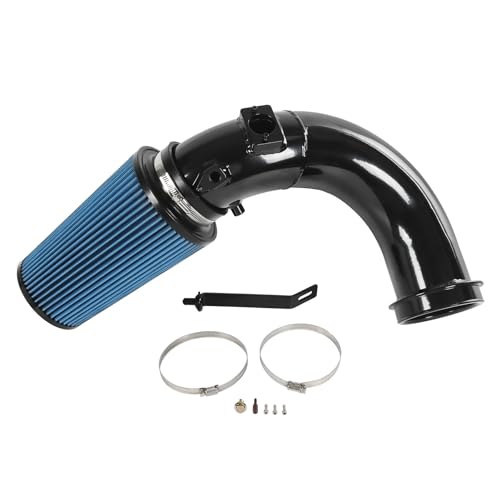


Technical Operation and Failure Mechanics of the 6.7L Cummins EGR System
The fundamental architecture of the EGR system inherently compromises diesel engine efficiency. By redirecting a metered portion of exhaust gases back into the intake manifold, the system lowers peak combustion temperatures. indicates that pushing high rates of EGR drops ambient oxygen concentrations from a baseline of 21% down to as low as 8% under specific loads. This oxygen deprivation significantly reduces the soot oxidation rate during the late expansion phase of the combustion cycle, leading to a massive increase in raw soot mass concentration within the exhaust.
Thermophoresis and Soot Deposition
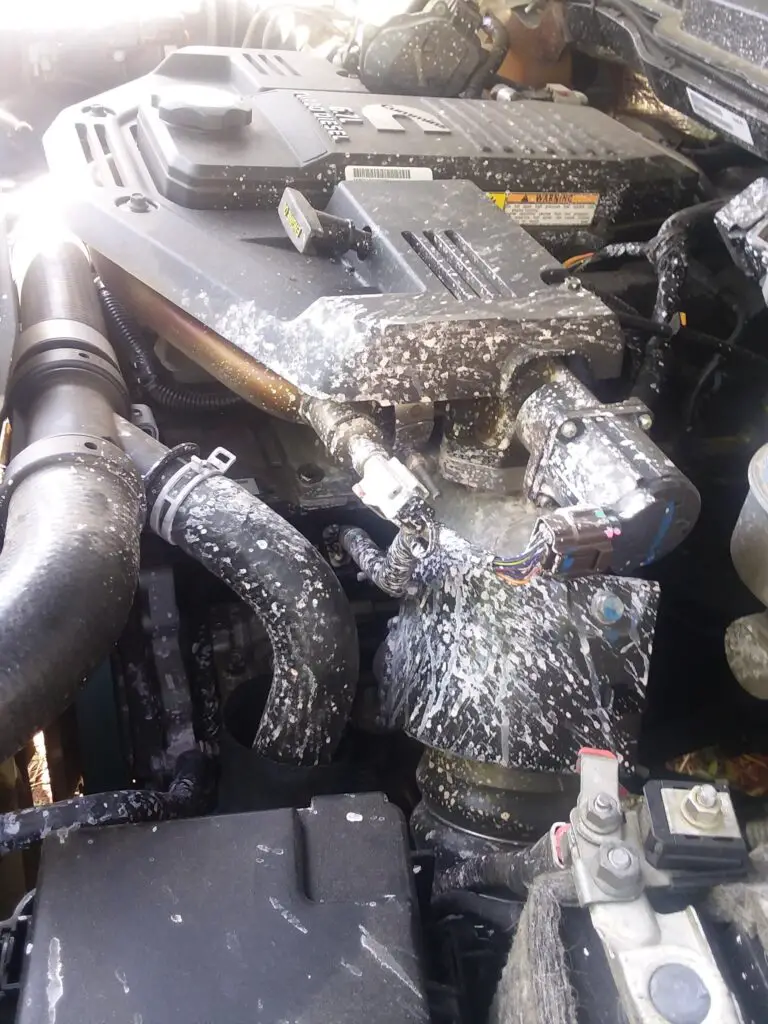
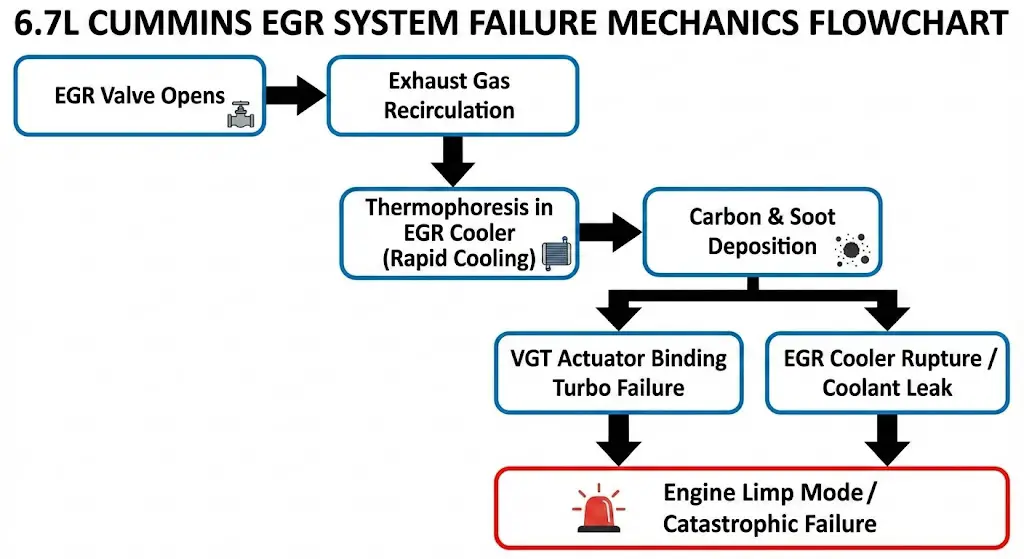
The primary mechanical failure point of the system is the EGR cooler, which utilizes engine coolant to aggressively lower the temperature of the recirculated exhaust gas before it enters the intake manifold. The presence of a cold boundary layer against the hot exhaust gas initiates a phenomenon known as thermophoresis. Temperature gradients physically force particulate soot, unburned hydrocarbon droplets, and highly acidic condensation to bind to the internal metallic walls of the cooler. Over continuous operating cycles, this creates a dense, highly restrictive, and thermally insulating layer of carbon sludge that chokes the engine’s volumetric efficiency.
Progressive Component Failure Pathways
As carbon and oil vapor accumulate throughout the intake tract, the engine experiences a predictable cascade of component failures. The sliding mechanism of the EGR valve becomes severely restricted, typically triggering diagnostic trouble codes (DTCs) such as P0401 (insufficient exhaust gas flow), P0402 (excessive flow), P0403, and P0405.
Simultaneously, the Variable Geometry Turbocharger (VGT) suffers secondary damage. Soot accumulation on the turbocharger’s sliding nozzle ring restricts mechanical travel, leading to dangerous overboost or underboost scenarios characterized by codes P003A and P00AF. These overboost conditions drastically increase cylinder pressures, frequently resulting in blown head gaskets. Furthermore, as soot insulates the EGR cooler, the unit loses its ability to transfer exhaust heat to the engine coolant. The resulting thermal stress fractures the internal cooler passages, allowing liquid engine coolant to leak directly into the exhaust manifold or intake tract, a failure that can hydro-lock and destroy the engine.
Factory maintenance schedules dictate that the EGR valve, cooler, and associated piping must be manually removed and cleaned every 67,500 miles for 2007.5 to 2018 model year engines, and every 75,000 miles for 2019 to 2024 models. However, heavy idling drastically accelerates soot loading, often cutting these service intervals in half.
Performance Benefits and Maintenance Economics of an EGR Delete
Executing a full EGR delete yields profound improvements in mechanical efficiency and fluid dynamics. By capping the exhaust manifold and sealing the intake elbow with precision-machined block-off plates, the engine is permitted to draw 100% clean, oxygen-dense ambient air.
Quantifiable Thermodynamic and Power Gains
Eliminating the exhaust backpressure created by the EGR system significantly improves combustion efficiency. Base hardware modifications combined with standard ECM calibrations commonly yield an immediate increase of 15 to 25 horsepower and 30 to 50 lb-ft of torque. When the EGR removal is paired with a full Diesel Particulate Filter (DPF) delete and advanced fueling tunes, aggregate power gains frequently exceed 100 horsepower and 200 lb-ft of torque.
Thermal management also vastly improves. Exhaust Gas Temperatures (EGTs) consistently drop by up to 150°F under heavy towing loads, directly extending the service life of the cylinder head and turbocharger. Furthermore, throttle response sharpens by an estimated 30% to 40% due to the elimination of exhaust recirculation lag.
Fuel Efficiency and Financial Recuperation
Modern diesel engines burn fuel significantly more efficiently without the displacement of oxygen by inert exhaust gases. Fleet data and aggregated user reports indicate a consistent fuel economy improvement of 1 to 3 Miles Per Gallon (MPG), representing a roughly 10% to 15% increase in efficiency during highway driving and long-distance hauling. When the delete is combined with the removal of the Selective Catalytic Reduction (SCR) system, owners entirely eliminate the ongoing operational expense of purchasing Diesel Exhaust Fluid (DEF).
The financial argument for modifying the 6.7L Cummins hinges heavily on avoided repair costs. Replacing a clogged factory EGR cooler or a seized VGT actuator at a dealership commands repair bills ranging between $3,000 and $5,000. Moreover, permanently removing the EGR system halts the continuous introduction of abrasive soot particles into the engine oil. High soot loading in engine oil degrades lubricity, accelerating the wear of piston rings, cylinder walls, and bearings.
Stealth Delete vs. Hard Delete Methodologies
Within the high-performance diesel modification community, engine builders frequently debate the mechanical merits of a “stealth delete” versus a complete “hard delete”.


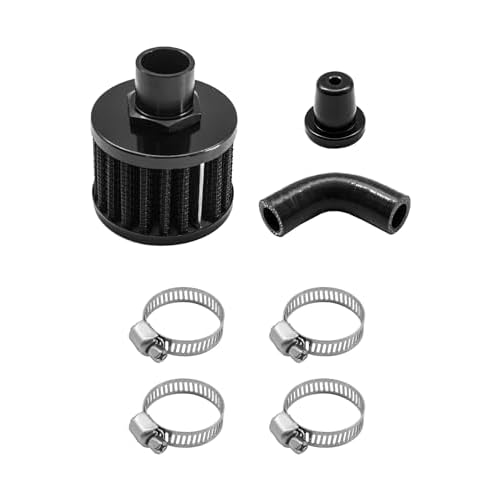
A stealth delete involves leaving the physical EGR cooler, exhaust piping, and intake valve bolted to the engine, but unplugging the electrical connectors and utilizing an aftermarket tuner to permanently command the valve closed. The primary tactical advantage of this approach is passing visual equipment inspections under the hood. However, this method introduces severe hidden risks. Dead-heading the exhaust flow against a closed valve into an inactive EGR cooler creates immense thermal and physical pressure. If the engine is subjected to heavy towing loads, the elevated EGTs will superheat and inevitably fracture the stagnant EGR cooler, resulting in catastrophic internal coolant leaks. Furthermore, a stealth delete does not remove the restrictive factory intake horn, limiting total airflow volume.
Conversely, a hard delete entails the complete physical removal of the EGR valve, cooler, and crossover tubes. These components are replaced with high-flow intake elbows, coolant bypass reroute hoses, and thick metal block-off plates. This methodology permanently eliminates all mechanical failure points, significantly drops engine bay ambient temperatures, declutters the engine compartment for easier maintenance, and accommodates the installation of larger aftermarket turbochargers and high-flow piping. For optimal long-term reliability and volumetric efficiency, a full physical hard delete is technically superior.
Material Science: 304 Stainless Steel vs. 6061 Billet Aluminum
The aftermarket is saturated with delete hardware, ranging from premium engineered components to inexpensive imports. Component material selection and machining tolerances dictate the long-term reliability of the modification. Subpar materials warp under the extreme thermal cycling of the exhaust manifold, leading to whistling exhaust leaks and dangerous soot intrusion into the cabin and engine bay.
Premium delete kits utilize either CNC-machined 6061-T6 billet aluminum or T304 stainless steel for their block-off plates. Stainless steel boasts dramatically superior yield strength at elevated temperatures compared to aluminum. Therefore, T304 stainless steel is the categorically preferred material for the exhaust manifold block-off plate, which faces direct, uncooled exhaust pressure and peak EGTs. Conversely, 6061 aluminum is perfectly suited for intake manifold block-off plates where temperatures are substantially lower. Coolant reroute components must utilize high-temperature Viton or silicone O-rings to prevent chemical degradation from extended exposure to ethylene glycol coolants. Up-pipes and bypass hoses should feature TIG-welded seams and reinforced flex joints to prevent cracking under high boost pressures.
Comprehensive Comparison of 2026 6.7 Cummins EGR Delete Kits
To navigate the crowded aftermarket, it is vital to evaluate hardware based on material density, fitment accuracy, and kit completeness. The following matrix details the top-performing hardware configurations available for the 6.7L Cummins platform based on 2026 market data.
| Brand Manufacturer | Market Positioning | Estimated Hardware Cost | Key Features & Build Quality | Target Application |
| EGR Performance | Best Value / Longevity | $90 – $200 | T304 Stainless plates, high-grade coolant hoses, bolt-on simplicity. | Daily driving, moderate towing, budget-conscious builds. |
| SPETuner | Premium High Output | $130 – $430 | Precision CNC 6061 Aluminum, TIG-welded coolant pipes, premium Viton seals. | High-performance, heavy hauling, professional builds. |
| Diesel Dudes | All-in-One ECM Bundles | $800 – $8,500* | Complete bundles including required SOTF tuners and pre-cloned ECMs. | Comprehensive one-stop upgrades, especially for 2022+ trucks. |
| Sinister Diesel | Entry-Level Name Brand | $150 – $250 | Recognized blue anodized finish, focused heavily on 2007-2018 model years. | Aesthetic engine bay builds, older platform restoration. |
Tuning Requirements and ECM Calibrations
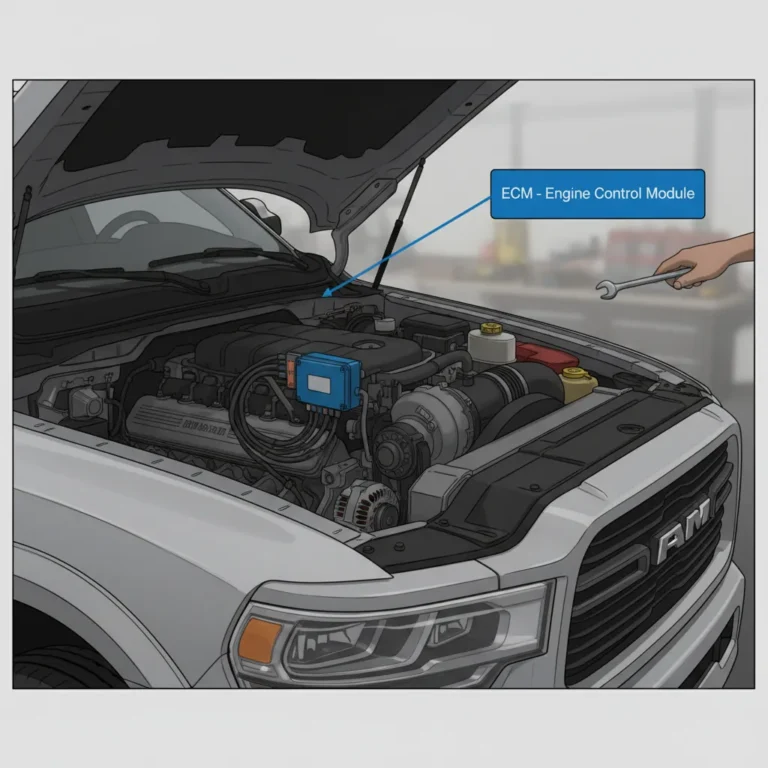
Hardware removal represents only one half of the EGR delete equation; the vehicle’s Engine Control Module (ECM) must be electronically calibrated to accept the physical changes. Operating a deleted truck without specialized diesel tuning software will render the vehicle completely undrivable. The ECM immediately detects a massive loss of exhaust flow and missing sensor voltages, triggering a dashboard filled with “See Dealer” warnings, forcing the engine into a severe Limp Mode (restricting speed to as low as 5 mph), and dangerously altering transmission line pressures.
Premier Tuning Platforms
- EFI Live AutoCal V3: Widely considered the industry gold standard for the 6.7L Cummins engine. It allows elite calibrators to write custom fuel mapping, optimize transmission shift points to protect the notoriously fragile 68RFE transmission, and completely deactivate the EGR, DPF, and DEF sensor networks.
- EZ Lynk 3.0: The premier choice for 2010 to 2024 models, offering advanced cloud-based diagnostics and seamless over-the-air (OTA) tune updates directly from remote technicians.
- Mini Maxx V1 / V2: A legacy, budget-friendly option for 2007.5 to 2021 trucks. The V1 is highly regarded for fast flashing on 2006-2012 models, while the V2 supports SOTF capabilities for newer trucks. It provides plug-and-play functionality with a physical dashboard monitor, though it lacks the custom refinement offered by EFI Live.
The 2022–2026 Locked ECM Challenge
Starting with the 2022 model year, Stellantis implemented military-grade encryption on the Cummins ECM to prevent aftermarket tampering. For 2022 to 2026 Ram 2500 and 3500 trucks, conventional OBD-II flashing is entirely impossible. Owners must purchase an “ECM Swap” delete kit, which requires physically removing the factory computer from the engine bay and replacing it with an unlocked, pre-tuned ECM cloned to match the vehicle’s exact VIN and immobilizer data. This heavy hardware requirement drastically inflates the total cost of deletion for late-model trucks, pushing total modification prices well above $7,000.
Step-by-Step Installation Blueprint
For a mechanically inclined individual equipped with standard hand tools, installing an EGR delete kit requires approximately two to four hours of labor. Models from 2020 onward feature highly congested engine bays, often necessitating professional installation.
The mechanical process mandates strict adherence to procedural safety. Initially, both negative battery cables must be disconnected to isolate the electrical system and prevent errant arc flashes. The mechanic must then access the radiator’s lower petcock to drain the primary cooling system, effectively preventing catastrophic fluid spills during the disassembly of the EGR cooler. With the engine cover and intake assemblies removed, the EGR crossover tube on the intake side is unbolted and extracted. The factory EGR valve is then detached from the intake elbow, allowing for the installation of the precision CNC-machined intake block-off plate, which utilizes the supplied high-temperature gaskets.
Attention then shifts to the exhaust side, where the heavy EGR cooler, its associated mounting brackets, and local heat shields are systematically unbolted from the engine block. To secure the exhaust manifold, the stainless steel block-off plate must be torqued precisely to 120 in-lbs, ensuring a permanent, leak-proof seal against extreme exhaust pressures. Finally, the integrated coolant reroute hose is installed, bridging the gap between the engine block’s coolant riser and the heater core return, followed by a complete refill and atmospheric bleeding of the engine coolant to prevent air pockets.
Economic Assessment: Cost Breakdown for 6.7 Cummins Deletes
The total capital expenditure required to fully delete a 6.7L Cummins depends entirely on the vehicle’s generational architecture and whether the owner opts for a standalone EGR hardware kit or a comprehensive DPF/DEF/EGR exhaust overhaul.



| Expense Category | 2007.5–2012 Models | 2013–2021 Models | 2022–2026 Models (Locked ECM) |
| EGR Hardware Kit | $100 – $250 | $150 – $350 | $200 – $400 |
| Full Exhaust (DPF/DEF Pipe) | $250 – $400 | $350 – $650 | $400 – $800 |
| Tuning Hardware & Software | $600 – $900 | $1,000 – $1,500 | $2,500 – $7,000 (Incl. ECM Swap) |
| Professional Labor | $400 – $800 | $600 – $1,200 | $800 – $1,500 |
| Total Estimated Cost | $1,350 – $2,350 | $2,100 – $3,700 | $3,900 – $9,700 |
2026 Legal Landscape: EPA Regulations and DOJ Enforcement Updates
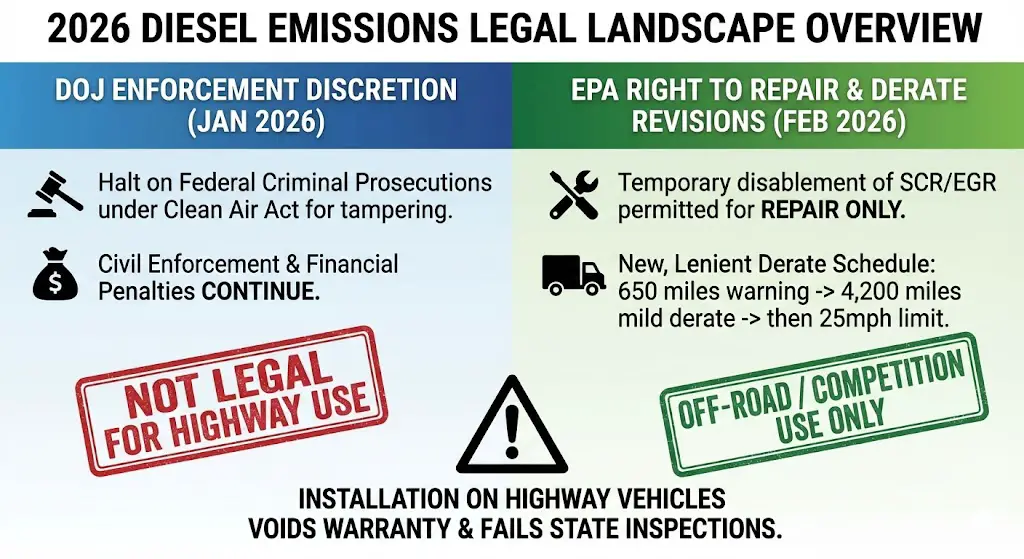
The regulatory environment surrounding diesel emissions tampering underwent a seismic and highly publicized shift in early 2026. Historically, the EPA and the Department of Justice (DOJ) pursued aggressive criminal and civil enforcement against individuals, shops, and manufacturers producing or installing emissions “defeat devices” under the federal National Compliance Initiative.
DOJ Enforcement Discretion (January 2026)
In a landmark announcement in January 2026, the DOJ’s Environment and Natural Resources Division issued a formal directive stating it will exercise “enforcement discretion” to halt all pending and future criminal prosecutions under the Clean Air Act related to tampering with motor vehicle onboard diagnostic devices. While this policy shift effectively decriminalizes the act of deleting a diesel truck at the federal level, it explicitly does not legalize the practice. The DOJ memo clearly noted that the agency, in partnership with the EPA, will continue to actively pursue civil enforcement and levy massive financial penalties for these violations where deemed appropriate.
EPA Right to Repair and Derate Revisions (February 2026)
Concurrently, the Environmental Protection Agency issued sweeping new guidance affirming the “Right to Repair” for agricultural and nonroad diesel equipment owners. This guidance fundamentally altered how heavy-duty trucks handle emissions hardware failures. Instead of sudden, dangerous engine shutdowns on the highway, heavy-duty trucks experiencing DEF or SCR faults now receive a dashboard warning light for 650 miles (or 10 hours). Following this window, the engine enters a newly defined “mild derate,” allowing the truck to operate at normal highway speeds without restriction for up to 4,200 miles (or two work weeks) to allow the operator ample time to secure repairs. Only after approximately four work weeks does the speed drop to a restricted 25 mph. Furthermore, the EPA clarified that the temporary electronic disablement of SCR and EGR inducement strategies is legally permitted exclusively for repair and maintenance purposes.
Despite these unprecedented leniencies, EGR delete kits remain strictly designated by manufacturers for “off-road and competition use only” under federal law. Installation on highway-registered motor vehicles instantly voids powertrain warranties and risks immediate failure during state-level OBD-II emissions inspections.
FAQs
Will an EGR delete affect engine warm-up times in cold climates?
Yes, engine warm-up times will be noticeably extended. The factory EGR cooler utilizes engine coolant to lower exhaust gas temperatures before recirculation. However, this process works in reverse during cold starts; the extreme heat of the exhaust gases is transferred directly into the engine coolant, rapidly bringing the 6.7L Cummins up to optimal operating temperature. Removing the EGR system severs this critical heat transfer mechanism. As a result, a deleted truck will take significantly longer to reach operating temperature during winter conditions, leading many owners in northern climates to rely heavily on winter grill covers and engine block heaters.
Does deleting the EGR system compromise the longevity of the factory turbocharger?
On the contrary, deleting the EGR system profoundly extends the life of the factory Variable Geometry Turbocharger (VGT). The primary cause of VGT failure on the 6.7L Cummins is the accumulation of sticky, abrasive soot on the internal sliding nozzle ring, which binds the actuator arm. By eliminating the recirculation of this soot, the turbocharger operates in a fundamentally cleaner environment. The exhaust gases passing through the turbine housing are free of the heavy particulate sludge that otherwise seizes the variable vanes, thereby preventing overboost conditions that destroy turbo bearings and fracture head gaskets.
Can I delete the EGR without deleting the DPF?
It is physically and electronically possible to delete the EGR system while leaving the factory Diesel Particulate Filter (DPF) installed under the truck. However, the engine’s ECM must still be tuned via EFI Live or EZ Lynk to electronically ignore the missing EGR sensors and prevent Limp Mode. Notably, removing the EGR system significantly reduces the volume of raw engine-out soot. This reduction actually extends the operational lifespan of the existing DPF by drastically reducing the frequency of active thermal regeneration cycles required to burn off accumulated exhaust particulates. Ultimately, while possible, most diesel technicians recommend a complete system removal for optimal exhaust gas flow and maximum thermodynamic efficiency.