Best And Worst Years for Chevy Colorado 2026 – Top Picks Compared

Why Best and Worst Years for Chevy Colorado Matters


Navigating the pre-owned truck market requires knowing exactly which production vintages deliver bulletproof reliability and which ones saddle you with steep repair bills. Across two decades and multiple generations, this platform has experienced dramatic shifts in transmission performance, engine durability, and electrical engineering. This guide breaks down the finest and most problematic model year releases so you can target a dependable workhorse and steer clear of chronic mechanical headaches.
#1. 2020 Model Year Release (Best Year)
The 2020 production vintage represents the undisputed peak of the second-generation platform, benefiting from five consecutive years of drivetrain and electrical refinements. Chevrolet rectified earlier transmission software bugs and standardized an updated fluid formulation, resulting in stellar consumer dependability scores and exceptionally low defect reports. It earned its spot as the safest, most trouble-free modern vintage you can purchase.
- Best for: Daily commuting, moderate towing, and long-term pre-owned dependability.
- Key highlight: Fully resolved 8-speed transmission behavior paired with the dependable 3.6L V6 or 2.8L Duramax turbo-diesel.
- Why we recommend it: We recommend targeting this year because it records fewer NHTSA complaints than virtually any other second-generation release while delivering modern active safety and refined infotainment features.
#2. 2015 Model Year Release (Worst Year)
As the inaugural launch of the resurrected second generation, the 2015 production release suffered severe teething pains straight out of the factory. Owners were hit with persistent transmission shifting hesitations, sudden loss of power steering assist, and premature air conditioning compressor failures. It claims a high spot on our worst list due to accumulating more official federal safety complaints than almost any subsequent production cycle.
- Best for: Budget-conscious shoppers willing to thoroughly inspect steering gear and transmission service histories.
- Key highlight: Attractive entry-level pricing for the redesigned body style and modern cabin layout.
- Why we recommend it: We recommend identifying this year as an avoid-list candidate because early production electrical bugs and transmission software gremlins make ownership risky and costly.
#3. 2012 Model Year Release (Best Year)
Serving as the final swan song of the original first generation, the 2012 model year vintage showcased the platform at its absolute mechanical maturity. By this stage, General Motors had eradicated the notorious early valve seat defects and perfected the chassis with an optional 5.3L V8 and rugged suspension. It makes our top recommendations because it delivers uncompromising old-school truck durability with minimal repair frequency.
- Best for: Buyers seeking affordable utility, straightforward DIY mechanical maintenance, and simple cabin controls.
- Key highlight: Late-cycle build quality that eliminated early Atlas engine failures and delivered proven four-wheel-drive dependability.
- Why we recommend it: We recommend this model year because it delivers the lowest warranty claim and breakdown frequency across the entire first-generation platform run.
#4. 2016 Model Year Release (Worst Year)

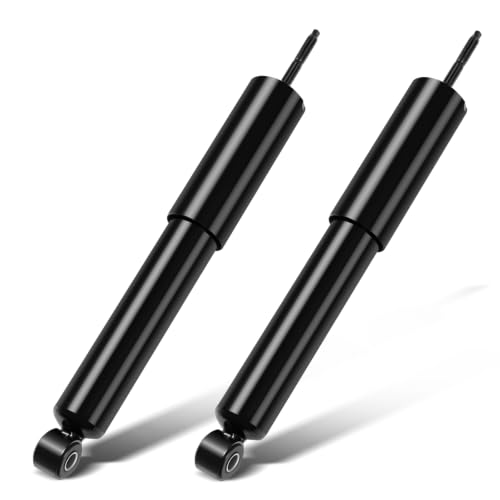

The 2016 production year is infamous among midsize truck mechanics for widespread transmission shudder and clunky gear hunting. Paired with the newly introduced 8L45 eight-speed automatic, this model year left thousands of drivers battling violent cabin vibrations that required torque converter replacements and repeated fluid flushes. We place it firmly on the worst years list because it required years of technical service bulletins to mitigate the problem.
- Best for: Shoppers who can verify in writing that the torque converter was replaced and Mobil 1 LV ATF HP fluid was flushed.
- Key highlight: Factory introduction of the torquey 2.8L Duramax turbo-diesel engine option.
- Why we recommend it: We recommend caution and general avoidance for this year because chronic transmission torque converter slip creates severe cabin shudder and rapid mechanical wear.
#5. 2019 Model Year Release (Best Year)
The 2019 model year vintage stands out as a prime sweet spot in value and mechanical stability, capturing major mid-cycle electronic updates without first-year flaws. General Motors upgraded the vehicle to the crisp Chevrolet Infotainment 3 system, redesigned the center console ports, and implemented factory-level transmission corrections. It earns its place among our best recommendations by balancing modern digital amenities with an already proven powertrain platform.
- Best for: Tech-forward drivers who want contemporary smartphone integration alongside rock-solid powertrain reliability.
- Key highlight: Factory integration of upgraded infotainment hardware and modern active trailering camera software.
- Why we recommend it: We recommend targeting this year because it avoids the high depreciation of newer releases while avoiding the severe transmission shudder of earlier vintages.
#6. 2004 Model Year Release (Worst Year)
The debut 2004 production cycle of the original generation was plagued by crippling engine manufacturing flaws and poor interior assembly. Most notorious was the Atlas inline-engine cylinder head defect, where soft valve seats caused severe compression loss, misfires, and thousands of dollars in premature head replacements. It earns an unquestioned spot on the worst list because of its staggering volume of early complaints and costly powertrain failures.
- Best for: Parts donors or experienced mechanics capable of performing a complete cylinder head rebuild.
- Key highlight: Lightweight footprint and simple early-2000s compact truck architecture.
- Why we recommend it: We recommend crossing this year off your shopping list because defective cylinder head metallurgy makes catastrophic engine failure a persistent hazard.
#7. 2022 Model Year Release (Best Year)
The 2022 production vintage marked the final refinement of the second generation before a complex turbocharged redesign arrived in 2023. By 2022, assembly line tolerances were dialed in, the rugged ZR2 off-road trim reached its functional peak, and drivetrain issues were virtually non-existent. It secures a top spot on our best list because it is the most durable, capable, and defect-free execution of the platform ever built.
- Best for: Serious off-road enthusiasts and overlanders desiring peak factory suspension tuning and ironclad mechanicals.
- Key highlight: Pinnacle maturity of the naturally aspirated 3.6L V6 and Multimatic DSSV damper configuration on off-road trims.
- Why we recommend it: We recommend selecting this production vintage because you get modern safety, trailering, and off-road tech without the unproven electronic complexity of subsequent generations.
#8. 2017 Model Year Release (Worst Year)
The 2017 model year vintage introduced the updated 3.6L LGZ V6 and standard 8-speed transmission, but it carried over all the painful vibration woes of the previous year. Drivers consistently reported harsh shifting between first and second gear, severe cabin shudder at cruising speeds, and glitchy electronic shift selectors. It solidifies its placement on the worst list due to extensive consumer dissatisfaction and recurring service center visits.
- Best for: Bargain hunters willing to verify complete transmission fluid flush service records prior to purchase.
- Key highlight: Introduction of the updated direct-injected 3.6L V6 with active fuel management.
- Why we recommend it: We recommend steering away from this year because unresolved 8-speed automatic shudder and troublesome steering sensors lead to steep post-purchase maintenance costs.
#9. 2009 Model Year Release (Best Year)
The 2009 production year is revered by enthusiasts as the golden turning point for the first-generation platform. This was the milestone vintage where General Motors added standard StabiliTrak stability control, significantly upgraded four-wheel braking power, and debuted the potent 300-horsepower 5.3L V8. It makes our best list because it combined major factory safety enhancements with a massive leap forward in build quality.
- Best for: Compact truck buyers who demand genuine V8 towing muscle and enhanced active chassis safety.
- Key highlight: Introduction of factory V8 power and standard four-wheel anti-lock braking with electronic stability control.
- Why we recommend it: We recommend prioritizing this year for older budgets because it delivers modern braking safety alongside the most robust powertrain options of its era.
#10. 2005 Model Year Release (Worst Year)
The 2005 model year vintage inherited the severe valve seat recession and soft metal alloy issues that crippled its 2004 predecessor. In addition to check engine lights triggered by cylinder leakage, this vintage generated widespread complaints regarding failing A/C blower resistors, anti-theft system lockouts, and instrument cluster failures. It rounds out our worst list as an unreliable early vintage that demands disproportionate repair costs relative to its market value.
- Best for: Fleet salvage or low-speed property work where road-ready reliability and emissions compliance are not required.
- Key highlight: Extremely low acquisition cost on secondary auction markets.
- Why we recommend it: We recommend flagging this year for avoidance because recurrent cylinder head misfires and frustrating anti-theft electrical lockouts create continuous reliability headaches.
How to Choose the Best And Worst Years for Chevy Colorado
When filtering through model year candidates, prioritize post-2018 second-generation releases or late-run 2009-2012 first-generation trucks to ensure critical mechanical updates were applied at the factory. Always run the VIN to check for open technical service bulletins, paying special attention to whether an 8-speed automatic received the updated Mobil 1 synthetic fluid flush. Avoid launch-year redesigns—specifically 2004 and 2015—as they historically carry the steepest concentration of safety complaints, electrical gremlins, and powertrain flaws. Finally, weigh your intended workload against engine architecture, opting for the late 3.6L V6 or 2.8L diesel over early unrefined inline powertrains.
Final Thoughts
Choosing the right production year ensures you secure a dependable, hardworking truck that retains its resale value instead of draining your wallet. By sticking to proven late-cycle vintages and steering clear of early redesign runs, you can invest with total confidence.