Duramax Generations Chart (LB7 to L5P) by Year

Since 2001, General Motors has built six distinct versions of the 6.6L Duramax diesel under Chevrolet Silverado and GMC Sierra HD trucks, and each one carries its own horsepower rating, emissions hardware, and failure points.
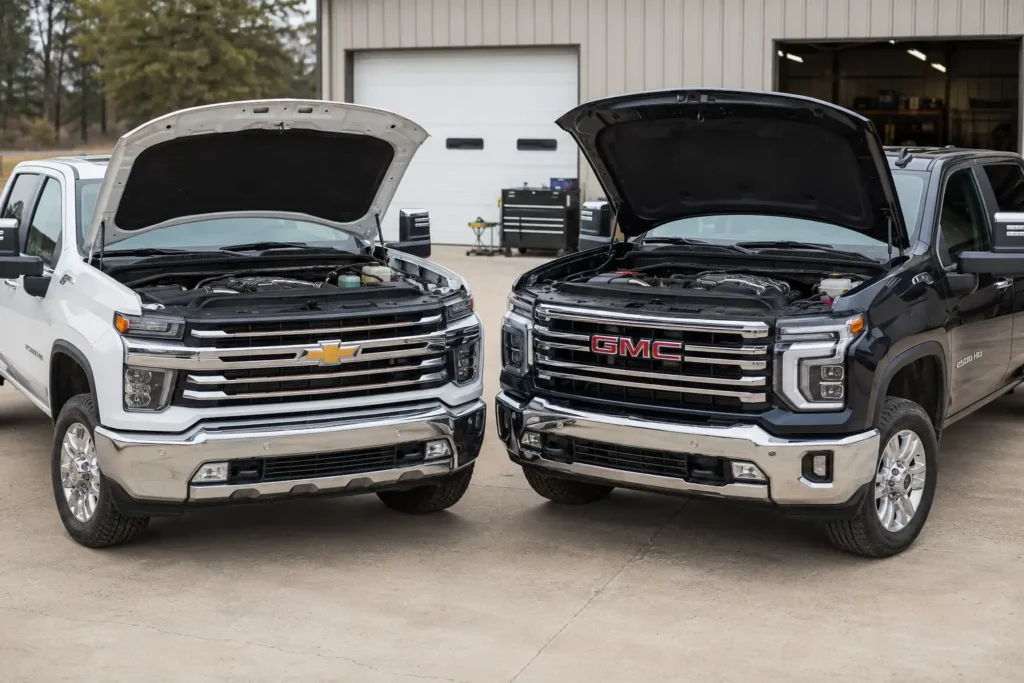
If you are buying a used diesel truck, ordering parts, or planning a tune, knowing which Duramax you have matters more than knowing you have “a Duramax.” The chart below breaks down every generation from the original LB7 to the current L5P, along with the fastest way to confirm which one is under your hood.
LB7 to L5P: horsepower, torque, and emissions hardware by generation (2001–present)
The original Duramax. No emissions hardware. Known for fuel injector failures, commonly cited in the 100,000–150,000 mile range.
First generation with EGR and a variable-geometry turbo. Prone to overheating under load and head gasket failure.
Stronger block, larger connecting rods, bigger turbo. The last pre-DEF Duramax and the generation most enthusiasts chase.
Added a Diesel Particulate Filter to meet new emissions rules. Fuel dilution on short-trip trucks and piston or crankshaft cracking under heavy tuning.
Near-complete redesign. The Bosch CP4.2 injection pump is the generation’s defining weak point and can contaminate the fuel system on failure.
All-new block and Denso HP4 pump replacing the failure-prone CP4.2. Output rose to 470 hp / 975 lb-ft with the 2024 refresh, same L5P designation.
How to Identify Your Duramax Generation by VIN
Recommended Best Deal Products

![ZUGU CASE for iPad 7th/8th/9th Generation 10.2 Inch 2019/20/21 [Black] | Ultra…](https://m.media-amazon.com/images/I/41uKY8qn4BL._SS500_.jpg)

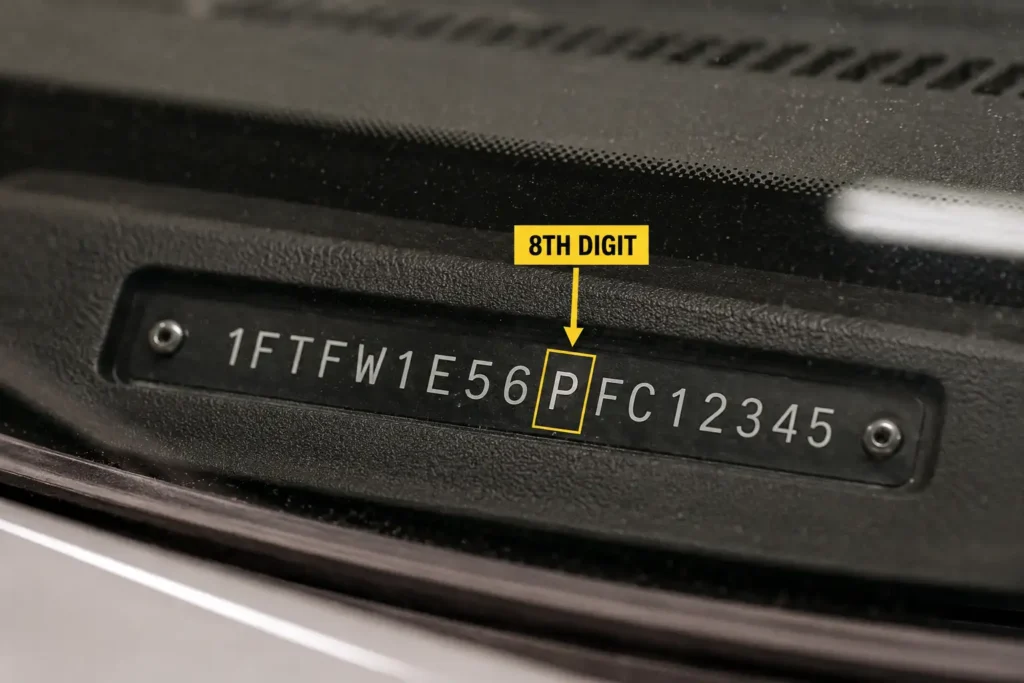
The fastest way to confirm your exact Duramax generation is the 8th digit of your VIN, not the model year alone, since several years overlap between two engine codes.
- Find your VIN on the driver’s side dashboard (visible through the windshield) or on your registration and title documents.
- Locate the 8th character in the sequence.
- Match that character against the generation codes below.
- Cross-check the 10th digit, which identifies the model year, to confirm the exact production window.
| 8th VIN Digit | Generation | Years |
|---|---|---|
| 1 | LB7 | 2001–2004 |
| 2 | LLY | 2004.5–2005 |
| 2 | LLY (revised) | 2006 |
| D | LBZ | 2006–2007 |
| 6 | LMM | 2007.5–2010 |
| 8 | LML | 2011–2016 |
| L | LGH (van/chassis cab only) | 2011–2016 |
| Y | L5P | 2017–present |
This matters beyond curiosity. Injectors, turbochargers, and electronics are not interchangeable across generations, so confirming your exact code before ordering parts prevents a wasted return trip.
6.6L Duramax Generations Chart: Years, Codes, and Specs
Here is the full generation-by-generation breakdown, including the mid-year cutoffs that most spec sheets skip.
| Generation | Model Years | Horsepower | Torque | DEF Equipped | Transmission |
|---|---|---|---|---|---|
| LB7 | 2001–2004 | 235–300 hp | 500–520 lb-ft | No | Allison 5-speed auto or ZF6 manual |
| LLY | 2004.5–2005 | 310 hp | 605 lb-ft | No | Allison 5-speed auto |
| LBZ | 2006–2007 | 360 hp | 650 lb-ft | No | Allison 5-speed auto |
| LMM | 2007.5–2010 | 365 hp | 660 lb-ft | No (DPF only) | Allison 6-speed auto |
| LML | 2011–2016 | 397 hp | 765 lb-ft | Yes | Allison 6-speed auto |
| L5P | 2017–2023 | 445 hp | 910 lb-ft | Yes | 6-speed (2017–19), 10-speed (2020+) |
| L5P (refresh) | 2024–present | 470 hp | 975 lb-ft | Yes | GM 10L1000 10-speed |
Ratings above reflect GM’s SAE-certified factory figures for pickup and cab-chassis applications. Commercial and van-specific variants, such as the LGH used in Express and Savana models, carry lower output and are not reflected in this pickup-focused chart.
LB7 to L5P: What Changed With Each Duramax Generation
Recommended Best Deal Products



LB7 (2001–2004) launched the Duramax name with a 32-valve design, cast iron block, and Bosch common-rail direct injection at 17.5:1 compression. It had no emissions equipment, which keeps it popular with enthusiasts, but early fuel injectors were prone to failure.
LLY (2004.5–2005, revised for 2006) introduced GM’s first emissions response: a variable-geometry Garrett turbo paired with an EGR system. The 2006 LLY shares parts with the LBZ rather than the earlier LLY, which is why the VIN chart lists it separately.
LBZ (2006–2007) is widely regarded as the strongest factory Duramax. It added a stronger block, larger connecting rods, and a bigger turbo, all while staying free of DEF. This combination of power and simplicity is why it remains the generation most enthusiasts chase for performance builds.
LMM (2007.5–2010) carried over most of the LBZ’s internals but added a Diesel Particulate Filter to meet tightening emissions rules. The added backpressure and more aggressive EGR operation introduced new failure points, including piston and crankshaft cracking under heavy modification.
LML (2011–2016) was a near-complete redesign, with roughly 60 percent new parts compared to the LMM. It introduced DEF and a Bosch CP4.2 high-pressure injection pump, a part now known across diesel forums for premature failure that can send metal debris through the fuel system.
L5P (2017–present) replaced the CP4.2 with a Denso HP4 pump, widely reported as more reliable, and moved to an all-new cast-iron block with a stronger bottom end. GM revised the turbo, fuel system, and control electronics again for the 2024 model year, raising output from 445 hp/910 lb-ft to 470 hp/975 lb-ft without changing the L5P designation.
Which Duramax Generation Is Most Reliable
The LBZ (2006–2007) is the generation most frequently cited as the most reliable 6.6L Duramax. It combines a strong factory bottom end with the simplicity of having no DEF system, and it avoids the injector problems that define the LB7 and the pump failures tied to the LML.
Here is how the rest of the lineup stacks up on known weak points:
- LB7 (2001–2004): Fuel injector failures are the defining issue, commonly reported [CITE REQUIRED: confirm exact failure-mileage range from a duramaxforum.com thread before publishing] around the 100,000 to 150,000-mile mark. GM extended the injector warranty to 200,000 miles in response.
- LLY (2004.5–2005): Prone to overheating under load, particularly when towing, along with head gasket failures and glow plug breakage.
- LMM (2007.5–2010): DPF-related fuel dilution is a common complaint on trucks used mostly for short trips, and pistons or connecting rods can crack under sustained heavy tuning.
- LML (2011–2016): The Bosch CP4.2 injection pump is the generation’s known weak point, with failures that can contaminate the entire fuel system if not caught early.
- L5P (2017–present): No widespread mechanical failure pattern has emerged yet, and the switch to the Denso HP4 pump specifically addressed the LML’s CP4.2 issue.
Well-maintained Duramax engines across every generation regularly reach 300,000 miles or more, so generation alone is not a guarantee of longevity. Maintenance history matters as much as the engine code.
Does This Chart Include the 3.0L Duramax?
Recommended Best Deal Products


No. This chart covers the 6.6L V8 Duramax family used in Silverado and Sierra HD trucks. GM also builds a separate 3.0L inline-6 Duramax, badged LM2 and LWN, used in half-ton Silverado 1500 and Sierra 1500 trucks along with the Suburban and Tahoe.
That engine has a different design, different failure patterns, and different maintenance needs, so it falls outside the scope of this HD-focused chart. If you are researching the light-duty 3.0L Duramax specifically, treat it as a separate engine family rather than a seventh generation of the engines listed above.
Duramax Generations FAQ
Which Duramax generation is the best?
The LBZ (2006–2007) is most often cited as the best overall Duramax, thanks to its strong internals and lack of a DEF system. The modern L5P is the strongest choice if you want the highest factory power output and the latest fuel system design.
Which Duramax years should I avoid?
The 2001–2004 LB7 has the most notorious factory flaw, injector failures, though this is a well-documented and repairable issue. The 2011–2016 LML’s CP4.2 pump failures are the other major concern buyers should budget for.
How do I tell which Duramax I have?
Check the 8th digit of your VIN and match it against the generation chart above. The 10th digit confirms your exact model year if two generations overlap in the same year.
Is the L5P the most powerful Duramax?
Yes. The current L5P, updated for the 2024 model year, produces 470 hp and 975 lb-ft of torque, the highest factory output of any 6.6L Duramax to date.
What’s the difference between LML and L5P?
The LML (2011–2016) uses a Bosch CP4.2 fuel pump that is prone to failure, while the L5P (2017–present) replaced it with a more reliable Denso HP4 pump and added a stronger block, a new turbo, and, starting in 2020, a 10-speed transmission instead of the 6-speed used through 2019.
Related reading: for the identical generation-chart format applied to Ram’s own engine lineup, see our Dodge Ram Generations Chart. If you’re trying to match cylinder positions to your Duramax before ordering parts, our 6.6 Duramax Cylinder Numbers Guide covers layout by bank.