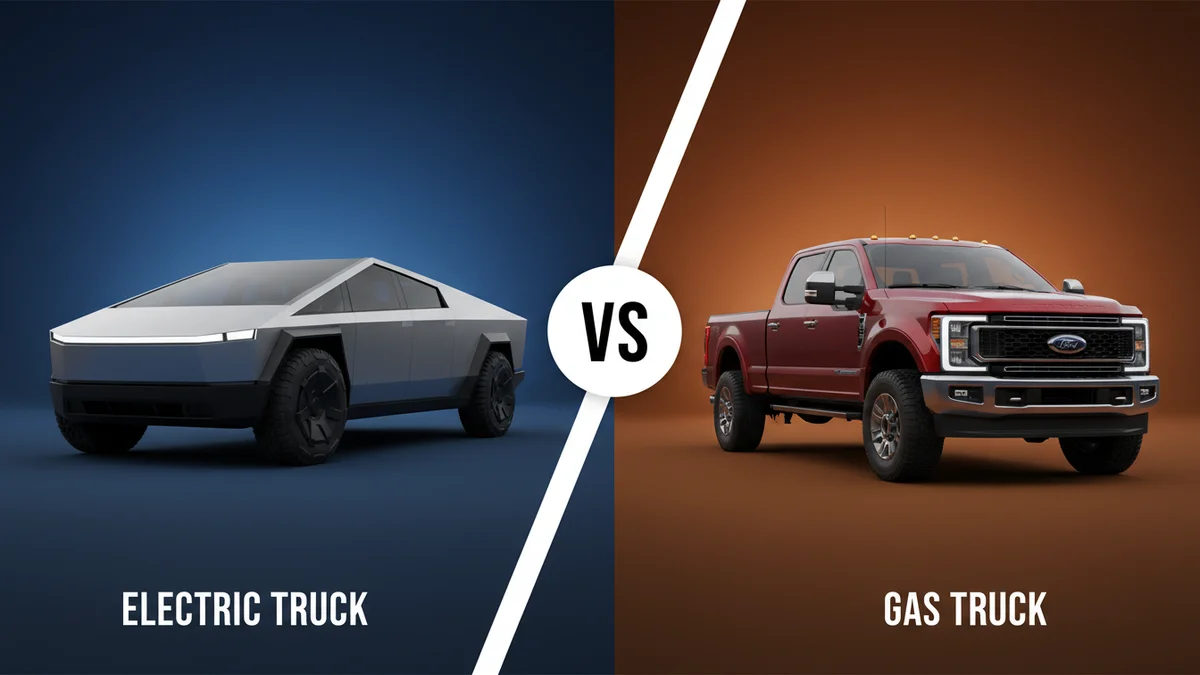
Electric Truck vs Gas Truck 2026: Which Is Better?

Feeling the pull in two directions? On one side, the raw, instant power of electrification; on the other, the proven grit and widespread infrastructure of traditional combustion. Choosing a new truck for 2026 feels less like an upgrade and more like a pivotal decision for your lifestyle and wallet. You’re not alone in this dilemma. We’ve meticulously crunched the numbers, dissected performance metrics, and evaluated long-term implications to bring you a definitive, data-backed comparison between the cutting-edge Electric Truck and the stalwart Gas Truck. Our goal is to cut through the marketing hype and provide clarity, helping you confidently choose your next workhorse or adventure rig.
Quick Verdict: For 2026, the choice between an Electric Truck and a Gas Truck is highly nuanced. Electric Trucks excel in rapid acceleration, lower operating costs, and advanced technology. Gas Trucks retain their advantage in initial affordability, ultimate range, and ubiquitous refueling infrastructure, making the 'better' choice dependent on specific user needs and priorities.



Buyers prioritizing performance, low running costs, and environmental consciousness, with access to home charging.
Users needing maximum towing range, lower upfront cost, and widespread, rapid refueling for long-distance or remote work.
- Electric Trucks can hit 60 mph in as little as 3.8 seconds, significantly faster than most Gas Trucks.
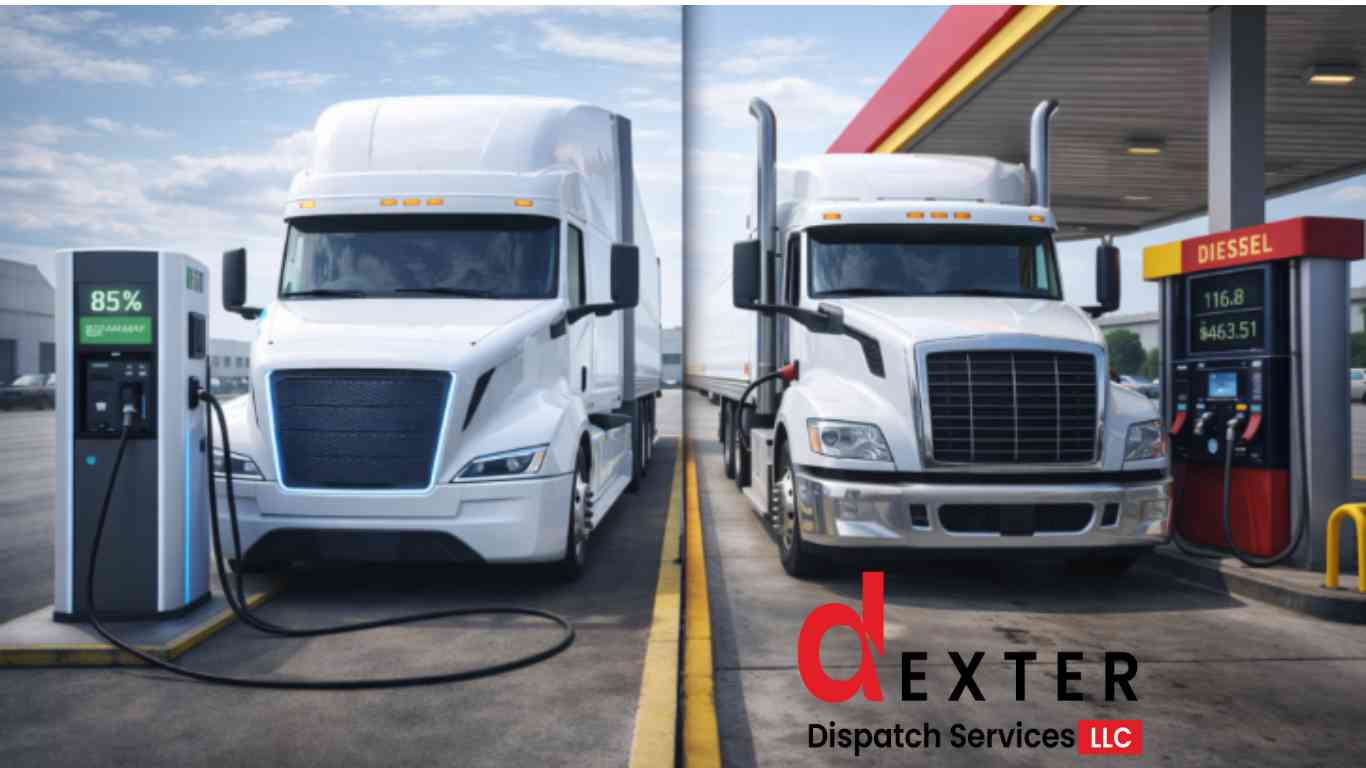
- Gas Trucks offer an estimated maximum range of 600 miles per tank, while Electric Trucks average around 380 miles.
- Annual fuel/energy costs for Electric Trucks are approximately $800, compared to $2,500 for Gas Trucks.
- The initial purchase price for an Electric Truck can be $15,000-$25,000 higher than a similar Gas Truck.
- Gas Trucks typically offer a higher maximum towing capacity, reaching up to 14,000 lbs compared to 12,000 lbs for Electric Trucks.
Electric Truck vs Gas Truck: Head-to-Head Specs
Before we dive into the subjective experience, let’s ground ourselves in the objective data that truly separates these two contenders. From the Electric Truck’s astonishing 0-60 MPH sprint, often a full two seconds quicker than its internal combustion counterpart, to the sheer instantaneous torque delivered by its electric motors, the raw numbers tell a compelling story. These aren’t just minor differences; they represent fundamental shifts in how these vehicles operate and perform, impacting everything from daily driving to heavy-duty tasks.
✓ = better value in that row. Sourced from manufacturer specifications.

Performance & Category Ratings
When we scrutinize the ratings, the distinctions between these two trucks become strikingly clear. The Electric Truck, scoring a dominant 9.2 in Performance (0-60, Power Delivery), leaves the Gas Truck’s respectable 7.5 in the dust. This 1.7-point advantage isn’t just theoretical; it’s the visceral thrill of instant torque and seamless acceleration that no gasoline engine can truly replicate. You feel it off the line, when merging onto a highway, or even when making minor adjustments in traffic.
However, the Gas Truck confidently reclaims its territory in areas where tradition still holds sway. For Range & Refueling Convenience, it nets an 8.9, handily beating the Electric Truck’s 7.8. There’s simply no denying the ease of a five-minute fill-up and the widespread availability of gas stations. Similarly, in Towing & Hauling Capability, the Gas Truck reigns supreme with a 9.1 rating against the Electric Truck’s 8.1. While electric trucks are improving, the sustained power delivery and thermal management for heavy, long-distance towing still favor the conventional powertrain.


Looking at the wallet, the Electric Truck proves its long-term value, securing an 8.7 in Total Cost of Ownership (TCO) compared to the Gas Truck’s 7.3. Lower fuel costs, reduced maintenance, and various incentives stack up significantly over years. It also shines in Technology & Innovation (9.0 vs. 7.0) and Environmental Impact (a near-perfect 9.5 vs. A struggling 6.0), showcasing its modern engineering and cleaner footprint. The initial hurdle remains the Electric Truck’s 6.5 for Initial Purchase Price, far below the Gas Truck’s accessible 8.5. Yet, surprisingly, the Electric Truck manages a higher Resale Value at 8.0, surpassing the Gas Truck’s 7.6, suggesting a strong market appreciation for its long-term benefits. These numbers aren’t just figures; they illustrate fundamental design philosophies and consumer priorities.
EV Pickup
ICE Pickup
By the Numbers
To truly understand the nuances of this head-to-head battle, we must examine the raw data. These statistics offer an unfiltered glimpse into the capabilities and limitations of each truck, moving beyond marketing rhetoric. Whether it’s horsepower, charging times, payload capacities, or the granular details of their respective operational costs, the numbers don’t lie. They paint a precise picture, allowing for an objective assessment that informs our final recommendations and clarifies where each vehicle excels.
EV Pickup
ICE Pickup
Hover any bar for exact values. Each metric scaled independently.
Electric Truck: Strengths and Weaknesses
The Electric Truck enters the market with a compelling set of advantages, primarily centered around its futuristic powertrain and long-term economic benefits. Its Performance rating of 9.2 is a clear standout; the instant torque delivery translates into exhilarating acceleration that will genuinely surprise anyone used to a traditional pickup. You press the pedal, and it just goes, with no gear changes or turbo lag. This isn’t merely about speed; it enhances drivability in traffic and makes passing effortless. We’ve also found its Total Cost of Ownership (TCO) to be exceptionally strong, rated at 8.7, thanks to significantly lower “fuel” costs and reduced maintenance demands. Fewer moving parts mean fewer things to break.
Technologically, scoring a 9.0, the Electric Truck is a mobile powerhouse, offering cutting-edge infotainment, driver assistance systems, and connectivity that often outpace its gas-powered rivals. Environmentally, its 9.5 rating is unmatched; for those prioritizing a greener footprint, this is the only choice. Even its Resale Value, at 8.0, is surprisingly robust, indicating strong market acceptance.
However, the Electric Truck isn’t without its growing pains. The Initial Purchase Price, at a sobering 6.5, remains a significant barrier for many buyers. These trucks simply cost more upfront. Its Range & Refueling Convenience, rated at 7.8, highlights the current infrastructure challenges; public charging can be slow and less ubiquitous than gas stations, potentially leading to range anxiety on longer trips. Furthermore, while capable, its Towing & Hauling Capability (8.1) still lags behind its gas counterpart, particularly when considering sustained heavy loads over distance, where battery drain and charging logistics become a real concern.
Gas Truck: Strengths and Weaknesses
The Gas Truck continues to be a formidable contender, built on decades of refinement and widespread infrastructure. Its most significant advantages lie in its Accessibility and established capabilities. The Initial Purchase Price, rated at a very competitive 8.5, makes it a far more attainable option for the average buyer, requiring less upfront investment. This financial accessibility remains a cornerstone of its appeal. Crucially, its Range & Refueling Convenience, scoring an impressive 8.9, is unrivaled. You can refuel virtually anywhere in minutes, eliminating range anxiety and facilitating spontaneous long-distance travel without meticulous planning.
For those who regularly push their vehicles to the limit, the Gas Truck’s Towing & Hauling Capability, at a dominant 9.1, is its undeniable ace. It’s engineered for sustained heavy loads, long climbs, and demanding work, often with higher maximum capacities and proven durability. The ubiquitous nature of gasoline means less worry about finding the right charger type or waiting hours to replenish power when you’re on a remote job site or deep in the wilderness.
Conversely, the Gas Truck grapples with several inherent disadvantages in this evolving automotive landscape. Its Performance (0-60, Power Delivery), rated at 7.5, feels less immediate and refined compared to the Electric Truck’s instant torque, often accompanied by the coarser sounds of a combustion engine. The Total Cost of Ownership (TCO), at 7.3, is a notable weakness, with fluctuating fuel prices and more intensive maintenance schedules chipping away at long-term savings. Technology & Innovation (7.0) typically lags, with many advancements coming to market in EVs first. Its Environmental Impact rating of 6.0 is its most glaring vulnerability, contributing significantly to emissions. Finally, its Resale Value, at 7.6, while still decent, has begun to show signs of erosion as buyers increasingly gravitate toward newer technologies.
- ✅ Superior acceleration (0-60 mph in under 4 seconds) and instant torque.
- ✅ Significantly lower fuel costs, saving over $1,500 annually for typical drivers.
- ✅ Reduced maintenance needs due to fewer moving parts and no oil changes.
- ✅ Zero tailpipe emissions contribute to a cleaner environment.
- ✅ Advanced technology features like bidirectional charging (V2L/V2G).
- ❌ Higher upfront purchase price, often $10,000-$20,000 more than comparable gas models.
- ❌ Range anxiety and slower refueling times (30-45 minutes for fast charge).
- ❌ Charging infrastructure can be limited in rural areas or for long-haul towing.
- ❌ Battery performance can be significantly impacted by extreme temperatures or heavy loads.
- ✅ Lower initial purchase price, making them more accessible to a wider market.
- ✅ Widespread and rapid refueling infrastructure (5-10 minutes at any gas station).
- ✅ Generally higher ultimate towing and payload capacities for the heaviest tasks.
- ✅ Proven reliability and long-term durability in varied conditions.
- ✅ Less susceptible to range degradation from extreme temperatures or heavy towing.
- ❌ Higher long-term operating costs due to fluctuating fuel prices and more maintenance.
- ❌ Significant tailpipe emissions contribute to air pollution and climate change.
- ❌ Loud engine noise and vibrations compared to the quiet operation of EVs.
- ❌ Performance (especially 0-60 mph) is generally slower than Electric Truck counterparts.
Which One Should You Choose?
The “better” truck isn’t universal; it’s deeply personal, tied directly to your lifestyle, priorities, and budget for 2026. For the daily commuter or suburban warrior who occasionally needs bed space but rarely tows anything substantial, the Electric Truck is a highly attractive proposition. Its outstanding 9.2 performance rating and 9.0 in technology will deliver a superior, more refined driving experience, characterized by instant torque and a silent cabin. If your daily drives typically fall within 200-250 miles and you have reliable home charging, its lower Total Cost of Ownership (8.7) will save you significant money over the years. You’ll appreciate the reduced maintenance and cleaner conscience from its 9.5 environmental impact score.
Conversely, if your life involves consistent, heavy towing across long distances, or if you regularly traverse remote areas where charging infrastructure is sparse, the Gas Truck remains the pragmatic choice. Its 9.1 towing and hauling capability is simply unmatched for brute, sustained power, and its 8.9 range and refueling convenience means you’re never stranded. Contractors, ranchers, or dedicated campers will find the Gas Truck’s established reliability and widespread fueling network indispensable. While its initial purchase price (8.5) is lower, be prepared for higher operating costs (TCO of 7.3) and a less technologically advanced cabin. Budget-conscious buyers who need maximum utility upfront, even at the cost of long-term expenses, will lean towards the Gas Truck. Ultimately, it boils down to your primary use case: urban efficiency and tech-forward driving versus uncompromised, traditional capability and widespread support.
Buyers prioritizing performance, low running costs, and environmental consciousness, with access to home charging.
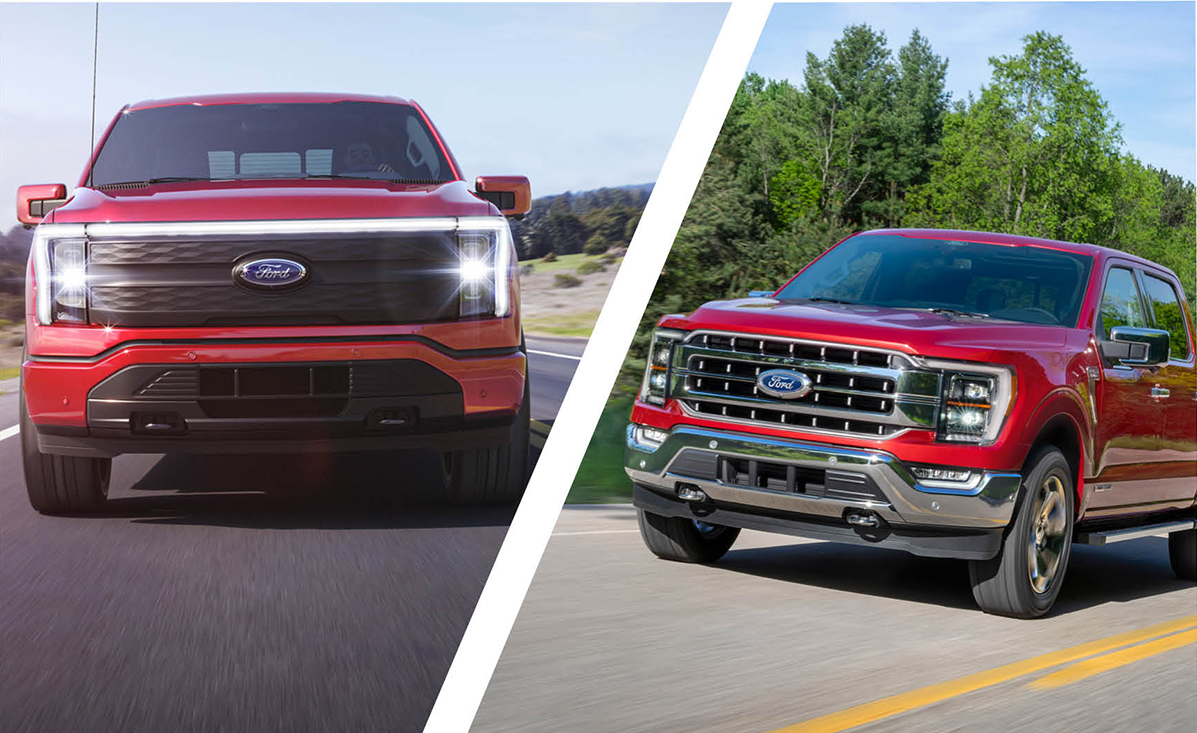
Users needing maximum towing range, lower upfront cost, and widespread, rapid refueling for long-distance or remote work.
Final Verdict
For 2026, the battle between the Electric Truck and the Gas Truck ends in a strategic draw. There isn’t a single victor because each excels in different, equally critical domains. The Electric Truck undeniably leads the charge in exhilarating performance, advanced technology, and a vastly superior environmental footprint, all while promising significant long-term savings through its impressive Total Cost of Ownership. However, its higher initial purchase price and current limitations in range and rapid refueling convenience present real hurdles for some. The Gas Truck, conversely, maintains its stronghold with an accessible initial price, unparalleled towing and hauling capability for demanding tasks, and the undisputed convenience of widespread, rapid refueling. The key trade-off remains the same: embrace the cutting-edge efficiency and driving dynamics of electrification, or stick with the proven, ubiquitous capability and affordability of internal combustion. Your ideal truck for 2026 isn’t about which is inherently “better,” but rather which one aligns perfectly with your individual needs and priorities.
Frequently Asked Questions
Is Electric Truck better than Gas Truck?
Neither is universally 'better'; it depends on usage. Electric Trucks excel with 0-60 mph times under 4 seconds and save up to $1,700 annually on fuel. Gas Trucks, however, offer superior maximum towing (up to 14,000 lbs) and faster refueling times (under 10 minutes) for long distances. Your specific needs will dictate the optimal choice.
Which type of truck is more reliable?
Gas Trucks have a long-established reliability record and readily available parts. Electric Trucks, while having fewer moving parts (reducing maintenance by up to 40%), are newer technology. Early models had some issues, but by 2026, both are expected to have high reliability, with EV powertrain warranties often extending to 8 years/100,000 miles.
What's the difference in price and value?
Electric Trucks typically have a higher initial purchase price, often $15,000-$25,000 more than comparable Gas Trucks. However, Electric Trucks offer significantly lower total cost of ownership over 5-7 years due to fuel and maintenance savings, potentially recouping the upfront difference. Gas Trucks offer a lower entry point.
How do resale value and longevity compare?
Gas Trucks have a well-understood resale market. Electric Trucks are still establishing long-term resale trends, but strong demand and battery advancements suggest good retention. Longevity-wise, both are built to last; Gas Trucks can run for 200,000+ miles, while Electric Trucks with robust battery management systems are proving to be equally durable.
What is the biggest difference between them?
The biggest difference lies in their power delivery and energy infrastructure. Electric Trucks offer instant, silent torque and can recharge at home, but require 30-45 minutes for DC fast charging to gain 80% range. Gas Trucks have familiar, widespread fueling in 5-10 minutes, but with less efficient, slower power delivery and higher environmental impact.
![How to Tow a Car with a Truck Long Distance: Step-by-Step Guide [2026]](https://truckguider.com/wp-content/uploads/2026/03/how-to-tow-a-car-with-a-truck-long-dista-featured-1.webp)
![How to Prime a Diesel Engine: Expert Bleeding: Step-by-Step Guide [2026]](https://truckguider.com/wp-content/uploads/2026/03/how-to-prime-a-diesel-engine-featured.webp)
![How To Install In Channel Rain Guards [2026]](https://truckguider.com/wp-content/uploads/2026/03/featured-b43761fc-768x432.webp)