
Is Auto Start Stop Bad For Your Car 2026 Expert Guide

Auto start-stop systems do not cause catastrophic engine failure, but they do increase wear on specific components. Modern vehicles use heavy-duty parts to handle frequent restarts, but long-term maintenance costs can sometimes offset fuel savings.
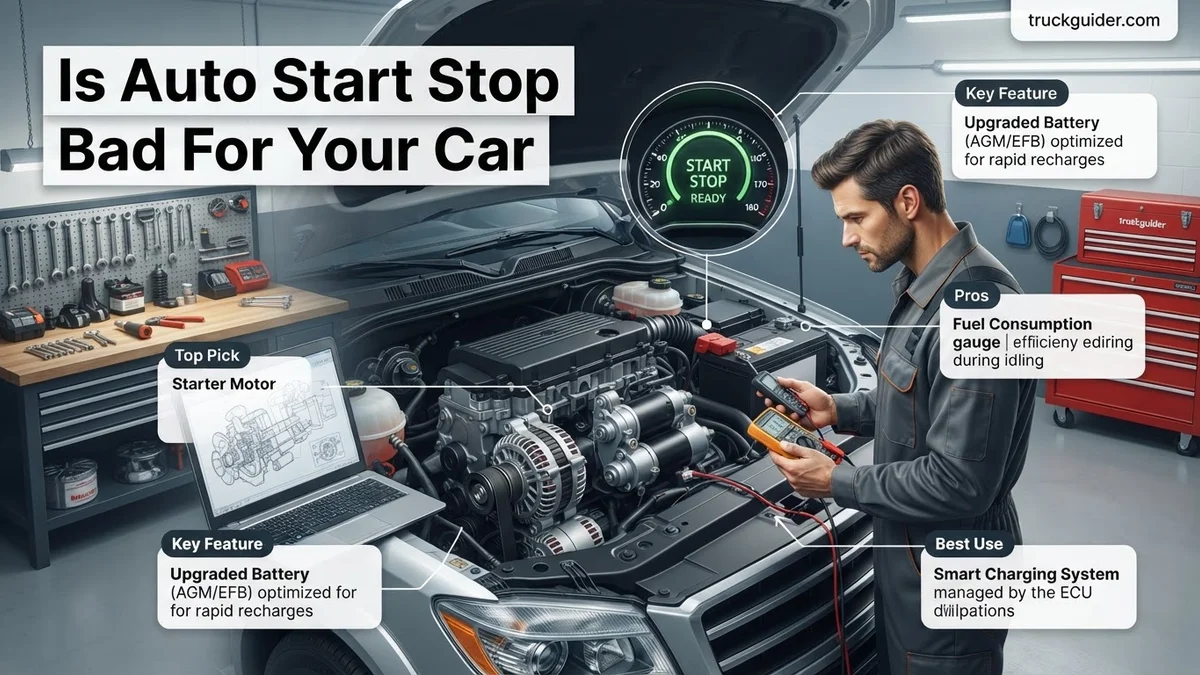
The short answer is no, modern auto start-stop systems do not inherently destroy your car, but they do drastically increase the cycle count on specific high-wear components. By 2026, automotive engineers have largely solved the catastrophic wear fears of early implementations, yet the constant cycling still places unique physical stress on your starter motor, battery, and engine bearings every time you stop at a red light.

Prime for Young Adults — 6 Months Free
Students and 18–24s get six months of Prime free, then half price.
Start 6 Months FreeThis matters practically because replacing a specialized starter or heavy-duty battery can easily wipe out any fuel savings you accumulated over years of driving. Understanding exactly how this technology impacts your vehicle mechanics allows you to decide whether disabling the system is worth the slight drop in fuel economy, or if your car is already fully engineered to handle the strain.
Key Takeaways
- Heavy-duty starter motors are engineered to withstand hundreds of thousands of ignition cycles.
- Special AGM or EFB batteries are required to support frequent electrical loads.
- Engine bearings feature specialized anti-friction coatings to prevent wear during oil pressure drops.
- Turning off the system manually or using a disable device can prevent premature component fatigue.
- Fuel savings are typically minimal in heavy stop-and-go traffic compared to potential repair bills.
What Causes Engine and Starter Wear from Auto Start Stop Systems
Recommended Best Deal Products

Starter Motor and Solenoid Stress
Traditional cars cycle their starter motors perhaps three to five times a day. Vehicles equipped with auto start-stop push that number into the hundreds during a typical urban commute. This immense increase in electrical and mechanical engagement generates significant heat and friction within the starter assembly. Without heavy-duty engineering upgrades, standard starter gears would strip or burn out within a single year of aggressive stop-and-go city driving.
Engine Bearing Wear and Oil Pressure Drops
When your engine shuts off at an idle, the oil pump stops spinning immediately, causing oil pressure to drop to zero. While modern engines rely on anti-friction coatings to maintain a microscopic layer of lubrication, frequent restarts without immediate pressure can lead to boundary lubrication conditions. Over 100,000 miles, this marginal metal-on-metal contact during the critical first half-second of cranking can accelerate wear on your crankshaft bearings and camshaft journals compared to a vehicle that stays running.
- Crankshaft Strain: Repeated micro-shocks occur when the engine fires back to life under load.
- Lubrication Gaps: Even with advanced synthetic oils, split-second dry starts happen more frequently.
- Thermal Fluctuations: Constant temperature shifts stress internal engine components unevenly.
How to Diagnose Component Failure and Test Your Battery Health
Identifying Failing Start-Stop Hardware
Modern vehicles in 2026 are smart enough to disable the auto start-stop function entirely when component health degrades. If your dashboard frequently displays a message stating that auto stop is unavailable, or if your engine shudders violently upon restarting, your starter or auxiliary battery is failing. Pay close attention to a sluggish crank time; a healthy start-stop system should fire the engine in a fraction of a second without hesitation or dimming your headlights.
Testing Your AGM or EFB Battery
Standard lead-acid batteries cannot handle the deep, repetitive discharge cycles required by start-stop systems. Your car relies on Absorbent Glass Mat (AGM) or Enhanced Flooded Batteries (EFB) to maintain accessory power while the engine is off. To diagnose battery health, use a conductance tester rather than a basic voltage meter:
- Check the state of charge; it must be above 75 percent for start-stop to engage.
- Measure Cold Cranking Amps (CCA) against the battery manufacturer specifications.
- Inspect battery temperature sensors, as computer systems disable the feature if the battery overheats or freezes.
Step-by-Step Guide to Safely Disabling Auto Start Stop Permanently
Recommended Best Deal Products


Many drivers in 2026 choose to disable the auto start-stop system to preserve starter longevity. While some modern vehicles feature a temporary dashboard button, resetting every time you start the engine becomes tedious. Permanent bypass solutions require careful execution to avoid voiding your electrical warranty.

Method 1: Using an OBD-II Diagnostic Tool
Modern diagnostic programming allows technicians and DIYers to alter factory default settings. Follow these steps to reprogram the system using a certified OBD-II module:
- Locate the OBD-II diagnostic port underneath your vehicle’s dashboard on the driver’s side.
- Plug in a compatible automotive programming tool designed for your specific vehicle make and model.
- Turn the vehicle ignition to the ON position without starting the engine to power the computer modules.
- Navigate through the software menu to the body control module or engine control unit settings.
- Locate the auto start-stop disable toggle, switch the parameter from active to disabled, and save the configuration.
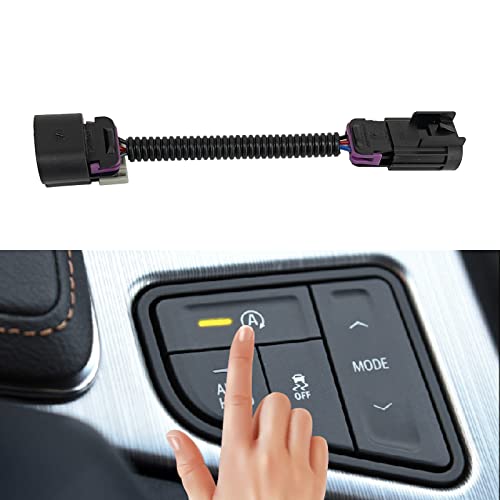
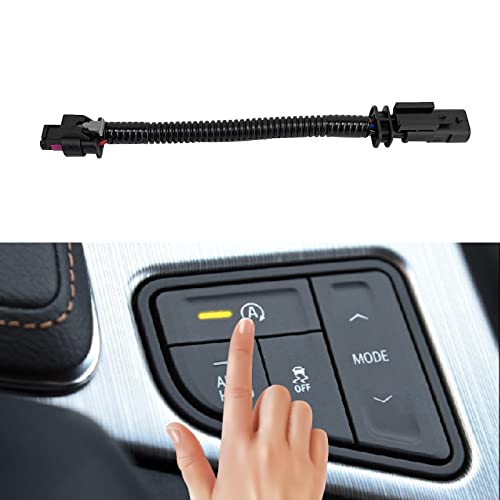
Method 2: Installing an Autostart Eliminator Harness
If software coding is unavailable, hardware memory modules offer a reliable physical alternative. This plug-and-play device remembers your last button preference:
- Disconnect the negative battery terminal to prevent electrical shorts during installation.
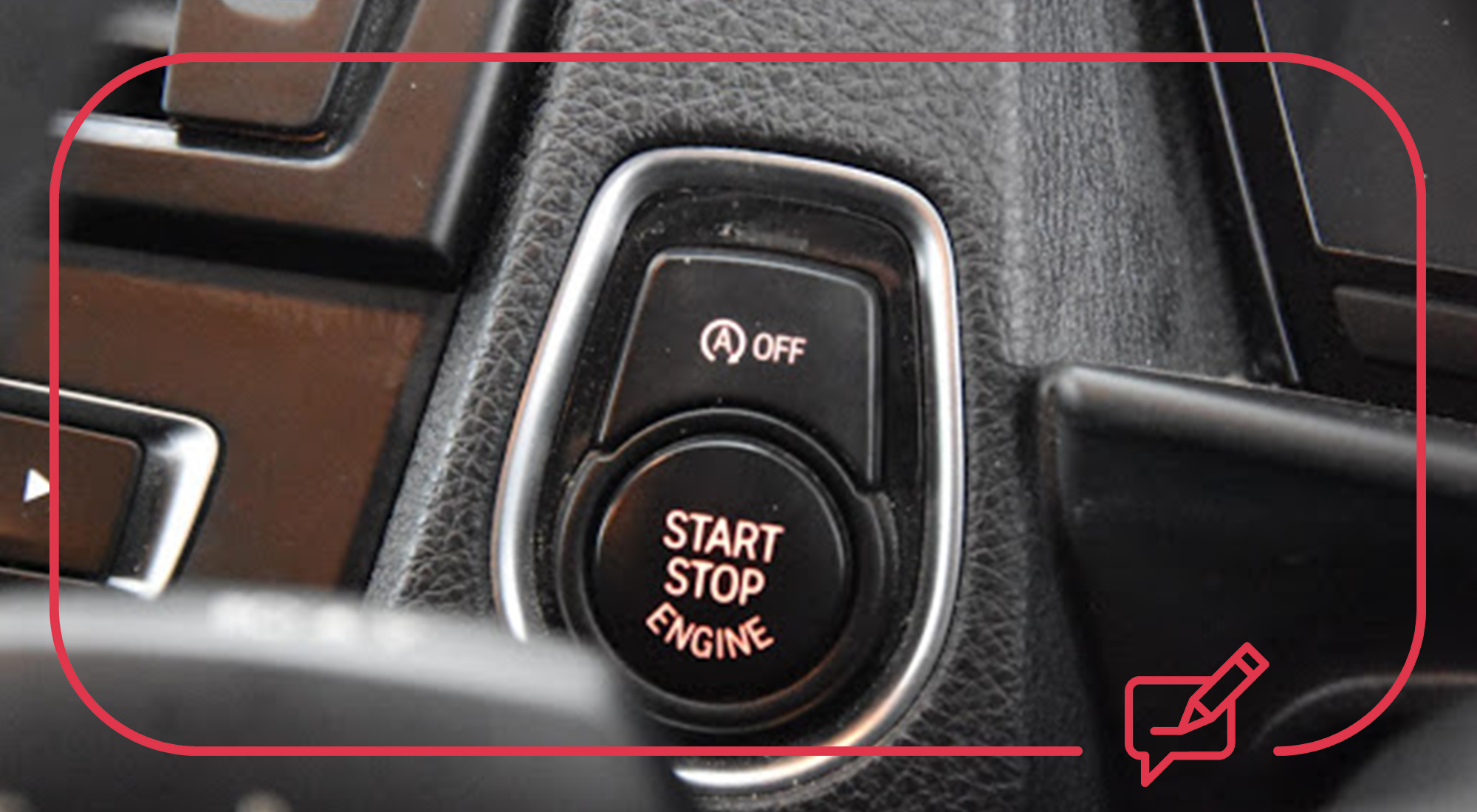
- Carefully pry away the trim surrounding your center console or start-stop disable button using a plastic trim removal tool.
- Unplug the factory wiring harness connected directly to the back of the start-stop button.
- Insert the manufacturer-specific memory eliminator harness inline between the factory plug and the switch.
- Secure the small module safely inside the console cavity, snap the trim back into place, and reconnect the battery.
What If It Still Doesn’t Work?
If your attempts to bypass or troubleshoot the auto start-stop system fail, underlying electrical faults may require professional intervention. Persistent dashboard warnings or complete starting failures indicate deeper mechanical issues that simple fixes cannot resolve. Consider the following troubleshooting steps when standard bypass methods fall short:

Audible — Listen Free for 30 Days
One free credit a month and thousands of titles included.
Listen Free for 30 Days- Check the primary and auxiliary battery health using a digital load tester, as failing cells frequently disable intelligent charging systems.
- Inspect the hood latch sensor switch, because a faulty signal tricks the vehicle computer into thinking the engine bay is open.
- Consult a certified automotive technician to scan for deep-seated diagnostic trouble codes stored within the powertrain control module.
- Seek professional electrical repair if parasitic draw or blown fuse links compromise your vehicle’s charging infrastructure. Professional diagnostic fees typically range from $100 to $250, while sensor replacements cost between $150 and $400 including labor.
Conclusion
Recommended Best Deal Products

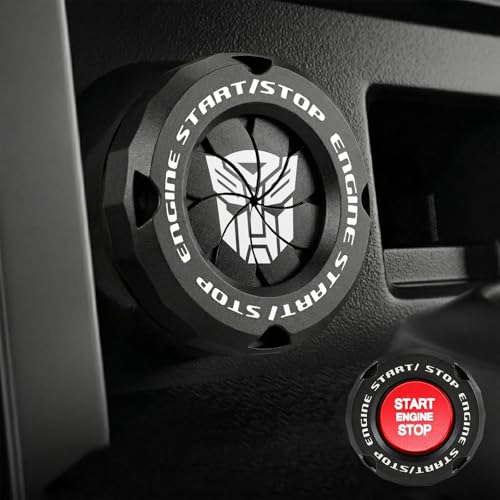

Auto start-stop technology reduces tailpipe emissions during city commutes, but it can accelerate wear on vital starting components and cause driver frustration. Whether you choose to manage the system via physical memory modules or professional diagnostic tools, taking control of your vehicle’s power management protects long-term reliability. According to verified research and automotive engineering sources, maintaining robust battery health and starter systems remains the best defense against premature component failure. Take the next step today by testing your vehicle’s battery voltage or consulting a trusted technician for a customized bypass solution.
❓ Frequently Asked Questions
Does auto start-stop drain the car battery faster?
Yes, frequent engine restarts place a heavy electrical load on the battery. However, cars equipped with this feature use advanced AGM or EFB batteries designed to handle deep cycling and rapid recharging.
Will frequent restarting damage engine bearings over time?
Manufacturers combat bearing wear by using special synthetic oil formulations and low-friction coatings like polymer overlays. These measures maintain a protective film even when oil pressure temporarily drops at a stoplight.
How much fuel do you actually save with auto start-stop?
Fuel savings typically range from 3% to 8% depending on traffic conditions and idle time. In heavy gridlock, the savings are noticeable, but on open roads or short trips, the benefit is negligible.
Are replacement parts more expensive for cars with start-stop?
Yes, components like heavy-duty starter motors, alternators, and specialized AGM batteries cost noticeably more than standard parts. This increased replacement cost can sometimes negate the money saved on fuel.
Does using the air conditioning affect the auto start-stop system?
Yes, if the cabin temperature rises above the climate control threshold, the engine will automatically restart to keep the AC compressor running. Safety and comfort features always override the fuel-saving shutdown mode.
Is it safe to use an aftermarket auto start-stop eliminator?
Most plug-and-play bypass modules are safe and simply mimic pressing the physical disable button upon ignition. However, ensure any aftermarket device you install does not interfere with your vehicle’s CAN bus network warranty.
![RAM 2500 Rear Suspension: Specs & Fitment Guide [2026]](https://truckguider.com/wp-content/uploads/2026/03/ram-2500-rear-suspension-featured.webp)

![Truck Bed Organization Ideas [2026]](https://truckguider.com/wp-content/uploads/2026/03/featured-c7bc8677.webp)
![PWQ Paint Code: Diagnosis & Repair [2026]](https://truckguider.com/wp-content/uploads/2026/03/pwq-paint-code-featured.webp)
![Dodge Ram Tail Light Wiring Color Code: Year-by-Year Guide [2026]](https://truckguider.com/wp-content/uploads/2026/03/dodge-ram-tail-light-wiring-color-code-featured.webp)