P0440 Code Dodge: Complete Repair Guide [2026]

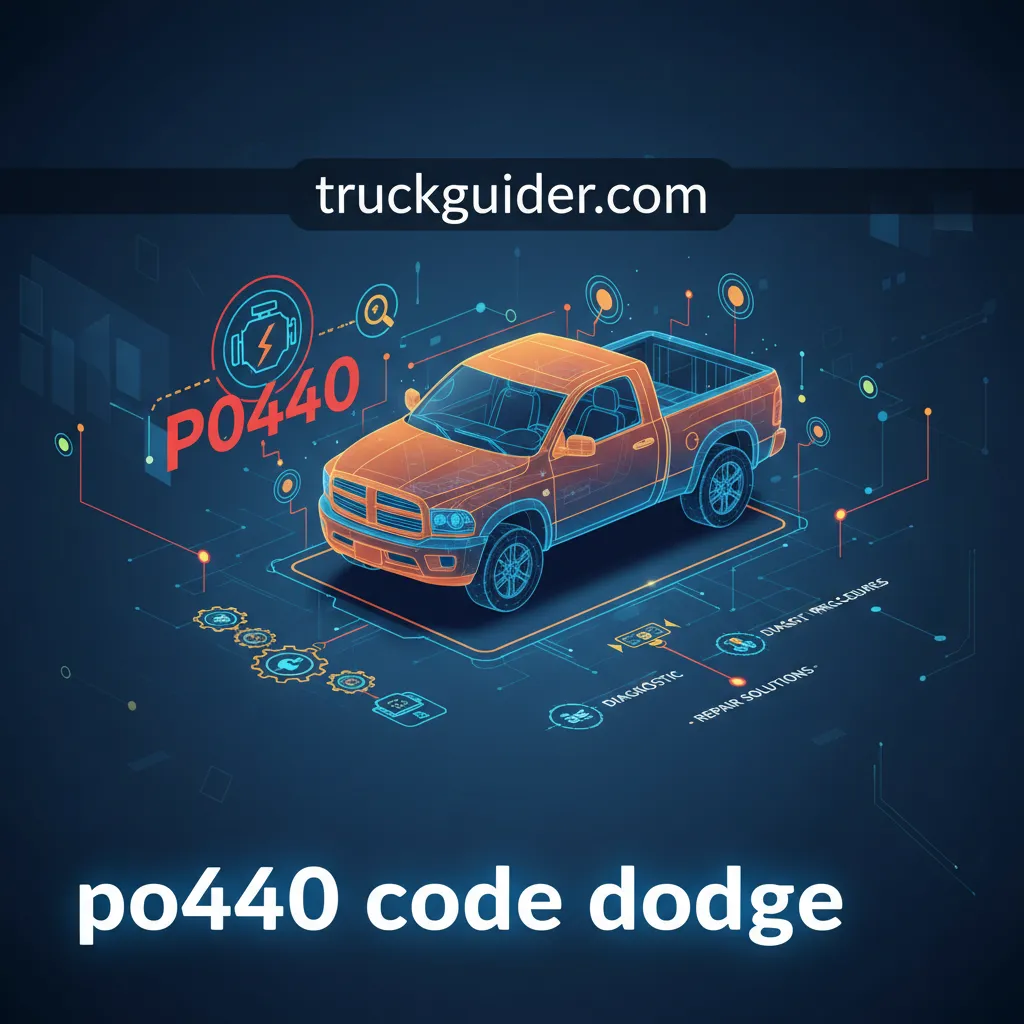
An illuminated check engine light on your Dodge dashboard can be frustrating, especially when it points to the elusive P0440 diagnostic trouble code. This specific code signifies a general malfunction within the Evaporative Emission (EVAP) system, indicating that the vehicle’s computer has detected a failure in containing or purging fuel vapors effectively. Unlike specific component codes, P0440 suggests a systemic integrity issue that requires a methodical approach to resolve. In this comprehensive guide, you will learn the expert methods for diagnosing this code, the most common failure points in Dodge models, and the professional repair steps required to restore system integrity and ensure your vehicle remains reliable and emissions-compliant.
Understanding the P0440 Error Code in Dodge Vehicles
Recommended Best Deal Products


📤 Share Image
The P0440 code is technically defined as an “Evaporative Emission System Malfunction.” In the Dodge ecosystem, this is a “non-specific” code. While codes like P0442 (small leak) or P0455 (large leak) point to the size of an opening, P0440 indicates that the Powertrain Control Module (PCM) cannot even complete the test because the system is behaving irrationally. It is the system’s way of saying it has lost the ability to monitor pressure changes accurately.
Dodge vehicles utilize a sophisticated vapor recovery path. The charcoal canister acts as a temporary storage unit, trapping hydrocarbon vapors from the fuel tank before they can escape into the atmosphere. During specific driving conditions, the PCM opens the purge solenoid, allowing engine vacuum to “pull” these vapors into the intake manifold to be burned during combustion. To verify the system is sealed, the PCM monitors pressure changes via the Evaporative System Integrity Monitor (ESIM) or a dedicated pressure sensor.
The Fuel Level Window and PCM Logic
A unique characteristic of the Dodge EVAP monitor is its “operating window.” The PCM will typically only run the EVAP leak detection test when the fuel level is between 15% and 85%. If your tank is bone-dry or topped to the brim, the monitor remains in a “not ready” state. This is designed to prevent liquid fuel from entering the vapor lines and to ensure there is enough “headspace” in the tank to generate a measurable vacuum.
A common scenario involves a Dodge Ram owner noticing a faint fuel smell near the rear driver-side wheel well after a cold start. This often precedes a P0440 trigger. Because the EPA mandates that EVAP systems detect leaks as small as 0.020 inches, even a hairline fracture in a plastic vent line can cause the system to fail its self-test, leading to a total system malfunction report.
Identifying Common Failure Points in Dodge EVAP Systems
Through years of professional hands-on diagnostics, several high-probability failure points have emerged specifically for the Dodge platform. Identifying these early can save hours of troubleshooting and prevent the replacement of expensive components that are still functional.
The ESIM Switch Vulnerability
On 2007-2018 Dodge models (including the Ram, Charger, and Durango), the Evaporative System Integrity Monitor (ESIM) is a notorious failure point. Unlike older systems that used a dedicated vacuum pump, the ESIM uses a weighted switch and a diaphragm to detect pressure changes. Over time, the internal seals can become brittle, or the switch can stick due to moisture and road debris, leading to an irrational signal that triggers the P0440 code.
Degradation of Rubber ‘L’ Hoses
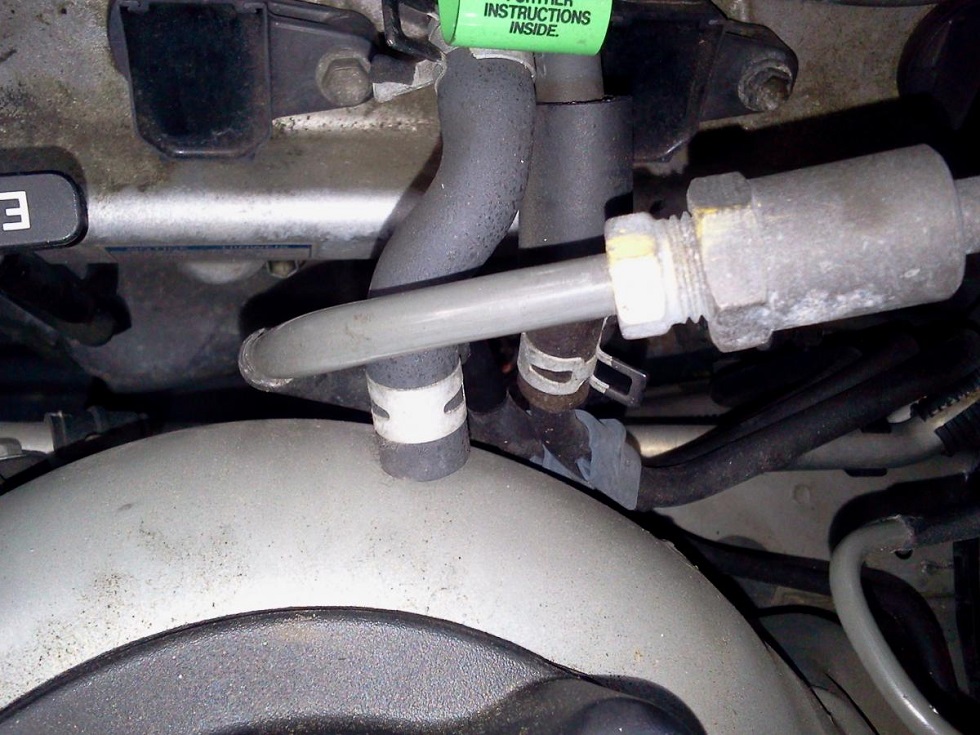
Dodge frequently uses rubber ‘L’ shaped connector hoses to bridge the gap between the charcoal canister and the hard plastic vent lines. These hoses are exposed to the elements and high-vibration environments. It is very common to find dry-rot or “checking” on the inner radius of these bends. A complete inspection often reveals these hoses have cracked just enough to bleed off vacuum but not enough to be heard by the human ear.
By The Numbers: Dodge EVAP Failures
Resolved by OEM Gas Cap
ESIM Switch Failures
Industry data suggests that nearly one-third of P0440 codes are resolved simply by replacing a worn fuel cap with a trusted Mopar OEM part. High-quality seals are essential; aftermarket caps often lack the specific tension spring required to maintain a professional-grade seal against the Dodge filler neck.
Repeatedly “topping off” your gas tank after the nozzle clicks can force liquid fuel into the charcoal canister. This contaminates the charcoal pellets, turning them into a sludge that blocks air flow and eventually destroys the canister, leading to an inevitable P0440 or P0446 code.
Professional Diagnostic Steps for the P0440 Code Dodge
Recommended Best Deal Products

To accurately diagnose a P0440, you must move beyond simple code reading. A reliable diagnostic process involves verifying the physical integrity of the system and the electrical response of the sensors.
📋
Step-by-Step Diagnostic Guide
Inspect the fuel filler neck for corrosion and ensure the gas cap gasket is free of cracks. Look at the EVAP canister under the chassis for loose hoses or physical damage.
Using a professional-grade OBD2 scanner, monitor the ‘Fuel Tank Pressure’ and ‘Purge Solenoid Duty Cycle.’ If the pressure doesn’t change when the purge solenoid opens, you have a blockage or a massive leak.
Inject smoke at 0.5 PSI into the EVAP service port. This is the expert way to visualize pinhole leaks in the filler neck or vapor lines that are invisible to the naked eye.
When testing the ESIM switch specifically, you should verify the 5-volt reference signal from the PCM. The ESIM typically operates on this reference; a deviation of more than 0.5 volts can trigger a diagnostic trouble code. Use a digital multimeter to check for continuity while manually applying a small amount of vacuum to the switch port. If the switch doesn’t toggle state, it’s internally faulted.
Case Study: The Ghost Leak
We recently encountered a Dodge Charger where the P0440 would only trigger after a highway drive. A visual inspection showed nothing. However, during a professional smoke test, we discovered a pinhole leak in the upper filler neck weld. The leak was so small it only opened when the metal expanded slightly due to exhaust heat near the rear quarter panel. This demonstrates why a smoke machine is an indispensable guide for EVAP troubleshooting.
Reliable Repair Solutions and Component Replacement
Once the fault is pinpointed, the complete repair involves replacing the failed component with quality parts to ensure longevity. Avoid the “parts cannon” approach and focus on the specific failure identified during diagnosis.
ESIM Replacement
Most Dodge ESIM switches can be replaced in 0.5 to 1.0 labor hours without dropping the fuel tank. Ensure the seal is lubricated with clean oil before installation.
Purge Valve Cleaning
If the purge valve is stuck, clean the mounting surface thoroughly. Debris here can prevent an airtight seal, leading to persistent P0440 codes.
Choosing the Right Parts
The difference between a reliable repair and a temporary fix often comes down to part quality. In the world of EVAP, tolerances are incredibly tight. While cheap knock-off purge valves may look identical to Mopar units, their internal spring rates often vary, leading to “purging irrationality” codes within weeks of installation. Always opt for trusted OEM-equivalent components to ensure emissions compliance and long-term reliability.
After the repair is finished, clear the PCM memory using your scan tool. To confirm the fix, you must perform a ‘Drive Cycle’. For most Dodges, this requires:
- Fuel tank between 1/4 and 3/4 full.
- Cold start (engine temperature within 10 degrees of ambient air).
- 8-10 minutes of steady-state highway driving (55 mph).
- A period of idling (approx. 2 minutes) followed by city driving.
Completing this cycle allows the PCM to re-run the EVAP monitor and verify that the P0440 condition is resolved.
Preventative Maintenance for a Healthy Dodge EVAP System
Maintaining the health of your Dodge EVAP system is significantly more cost-effective than diagnosing complex electronic failures. A few simple habits can extend the life of your charcoal canister and sensors indefinitely.
The ‘One Click’ Rule
The most important professional tip for EVAP longevity is the ‘One Click’ Rule. When the gas pump nozzle clicks off automatically, stop pumping. Attempting to “round up” to the nearest dollar forces liquid fuel into the vent lines. This is the primary cause of charcoal canister contamination. Vehicles with well-maintained EVAP systems can see a 1-2% improvement in overall fuel efficiency compared to those with active vacuum leaks, as the PCM doesn’t have to constantly adjust fuel trims to compensate for unmetered air.
Additionally, utilizing high-quality Top Tier fuel can prevent the gumming of the purge solenoid’s internal needle valve. Over time, low-grade fuels can leave deposits that prevent the solenoid from closing fully, leading to a “lazy” response that the PCM will eventually flag as a P0440 malfunction.
In summary, the P0440 code in Dodge vehicles is a non-specific EVAP malfunction often caused by the ESIM switch or cracked rubber hoses. A professional diagnosis involves visual inspections, smoke testing, and live data analysis to pinpoint the exact source of the leak or irrationality. Using quality OEM-equivalent parts is essential for a reliable repair that will pass emissions testing and keep your Dodge on the road. If you are uncomfortable performing these technical repairs yourself, consult a trusted automotive professional to perform a smoke test and ensure your Dodge remains road-legal and environmentally friendly.
Frequently Asked Questions
Can I drive my Dodge with a P0440 code?
Yes, you can typically drive with a P0440 code as it does not directly affect engine performance or drivability. However, your vehicle will fail emissions testing, and the leak allows fuel vapors to escape into the atmosphere. Prolonged driving with an EVAP fault can eventually lead to decreased fuel economy and potential damage to the charcoal canister if the issue is a stuck purge valve.
Is a loose gas cap always the cause of P0440?
While a loose or damaged gas cap is a common culprit, it is not the only cause of a P0440 code in Dodge vehicles. On the Dodge platform, this code is often triggered by the ESIM switch or dry-rotted vacuum hoses near the rear of the vehicle. A professional diagnostic approach requires checking the entire vapor path, not just the filler cap, to ensure a reliable fix.
How much does it cost to fix a P0440 code on a Dodge?
The cost varies depending on the component that failed. A new fuel cap might cost $20-$40, while replacing an ESIM switch usually ranges from $150 to $250 including labor. If the charcoal canister is saturated with fuel and requires replacement, costs can exceed $500. Professional diagnostic fees for a smoke test typically range between $80 and $150 depending on your local market.
Where is the EVAP canister located on most Dodge models?
In most Dodge trucks, SUVs, and sedans, the charcoal canister is located underneath the vehicle, often near the fuel tank or tucked behind the rear wheel well. It is typically a black plastic rectangular box with several rubber hoses and an electrical connector for the ESIM or vent solenoid. This location makes the hoses susceptible to road debris and environmental wear over time.
Will the P0440 code clear itself after a repair?
Once the repair is completed, the PCM must run a specific ‘EVAP monitor’ to verify the fix. While the light may eventually turn off after several days of driving, a professional technician will use a scanner to clear the code and perform a forced monitor test. This ensures the system is sealed and ready for emissions inspection immediately rather than waiting for multiple drive cycles.
![Ram 2500 Cab Light Bulb Guide: Sizes & LED Upgrades [2026]](https://truckguider.com/wp-content/uploads/2026/03/ram-2500-cab-lights-bulb-featured.webp)
![Dodge Journey Won’t Start & Brake Pedal is Hard: Fixing the Issue [2026]](https://truckguider.com/wp-content/uploads/2026/03/dodge-journey-won-t-start-brake-pedal-ha-featured.webp)