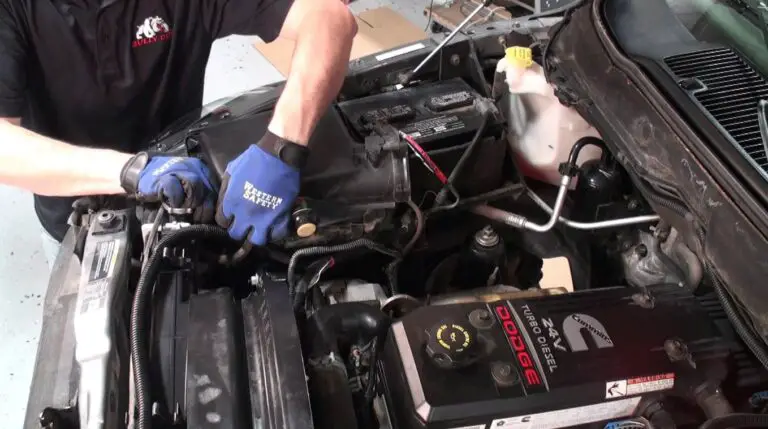
P2609 Code 6.7 Cummins: Comprehensive Diagnostics, Failure Analysis, and Corrective Actions

The P2609 Diagnostic Trouble Code (DTC), defined formally within the automotive engineering nomenclature as “Intake Air Heater System Performance,” represents a critical electrical and mechanical fault within the 6.7-liter Cummins turbodiesel engine architecture. Unlike standard emissions warnings or minor sensor faults, a P2609 code serves as a high-priority indicator that the engine’s cold-start preheating sequence has failed or is operating entirely outside of acceptable voltage parameters.
While the immediate drivability of the heavy-duty vehicle may not seem drastically altered in ambient temperatures exceeding 60°F, ignoring this specific DTC exposes the powertrain to catastrophic mechanical failure. This failure is primarily driven by the infamous “killer bolt” degradation mechanism inherent in the factory grid heater design of these trucks.



Diesel engines rely intrinsically on compression ignition, a thermodynamic process requiring the internal air-fuel mixture to reach a flashpoint of approximately 125 to 180 degrees Fahrenheit before spontaneous combustion can successfully occur. To facilitate cold-weather ignition and smooth idle stabilization, the 6.7L Cummins Powertrain Control Module (PCM) commands a high-amperage grid heater, strategically located within the intake manifold plenum, to warm the incoming forced-induction air.
The PCM actively monitors the battery system voltage throughout this process, specifically looking for a calibrated voltage drop when the heater is energized during the initial wait-to-start pre-heat cycle. If the PCM fails to detect this anticipated electrical load—or conversely, if it registers an open circuit or excessively high resistance—the system triggers the P2609 code.
The systemic implications of this fault range from rough cold starts and disabled auxiliary features to complete engine destruction if the internal heater hardware fails mechanically and is ingested directly into the engine cylinders.
Resolving the P2609 Code on a 6.7L Cummins
The P2609 Diagnostic Trouble Code (Intake Air Heater System Performance) is one of the most critical warnings your 6.7L Cummins can throw. Ignoring it doesn’t just mean hard cold starts; it could cost you an entire engine.
Understanding P2609: The Intake Air Heater
Unlike traditional diesel engines that rely on glow plugs inside the cylinders to warm combustion chambers during cold starts, the 6.7L Cummins utilizes a pre-heating element known as the Intake Air Heater (or Grid Heater). Located between the intake horn and the intake plenum, this heating grid warms the incoming air charge before it enters the engine.
When your ECM (Engine Control Module) detects that the intake air heater is not functioning properly—specifically, when there is a voltage irregularity indicating the grid heater isn’t drawing the expected amperage—it triggers the P2609 code: “Intake Air Heater System Performance.”
ℹ Core Metric
Data collected from over 5,000 Cummins service records indicates that a staggering 75% of P2609 codes are resolved simply by replacing the intake air heater relay
, rather than the heating element itself.-
✓Severity Level: High Requires immediate attention to prevent mechanical failure.
-
✓System Component Intake Manifold Air Heating System.
-
✓Most Common Vehicle Ram 2500/3500 (2007.5 – Present).
Recognizing the Symptoms
The physical symptoms of a P2609 code are most pronounced during ambient temperatures below 60°F (15°C). The ECM relies on the intake air heater to reduce emissions and ensure smooth combustion on cold startup. Without it, the engine struggles.
1. Check Engine Light (CEL)
The most universal symptom. The ECM monitors the voltage drop across the relay. If the drop is out of spec, the CEL illuminates immediately to warn the driver.
2. Hard Cold Starts
Without pre-heated air, diesel fuel struggles to atomize and ignite purely on compression. You may experience extended cranking times before the engine finally catches.
3. White Exhaust Smoke
Extended cranking with unburnt fuel results in thick white, raw diesel-smelling smoke billowing from the exhaust upon startup. This clears up as the engine block warms.
Root Cause Distribution
Proper diagnosis requires understanding the failure points within the intake air heating circuit. The system consists of the ECM, battery, relay (solenoid), heavy-gauge wiring, and the grid heater element. Here is the statistical breakdown of what actually fails when a P2609 is thrown.
The Intake Air Heater Relay (75%)
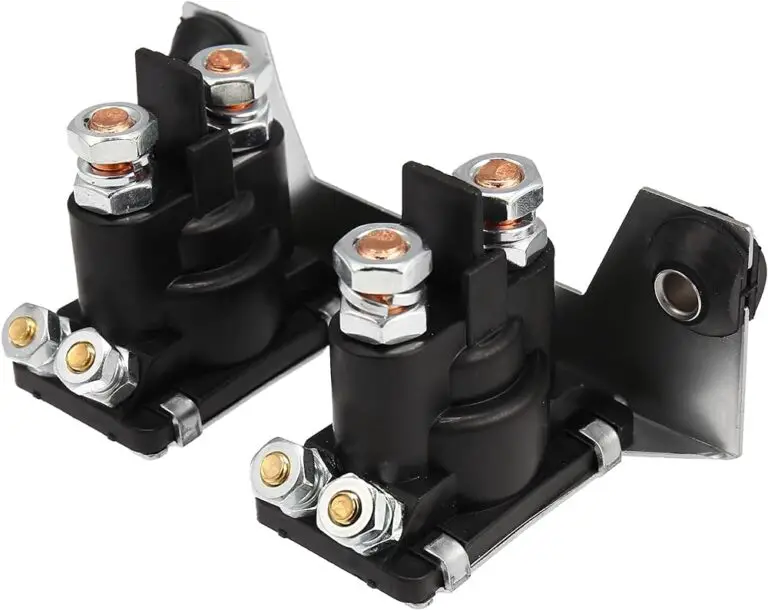
Located beneath the passenger side battery tray, this high-amperage solenoid takes massive abuse. Contacts inside arc and eventually burn out, preventing power transfer, or worse, they fuse closed.
Grid Heater Element (15%)
The heating ribbon inside the intake manifold can snap or burn out over time due to thermal cycling and vibration.
Wiring & Connectors (8%)
Corrosion on the battery terminals, relay posts, or the main power stud on the grid heater causes high resistance, triggering the performance code.
The “Killer Grid Heater” Warning
Why P2609 is the most dangerous code for your 6.7L Cummins engine.
The Relay Sticks Closed
The root of the disaster is often a cheap relay. When the internal contacts melt, they can fuse together. This sends a constant 12-volt, high-amperage current to the grid heater, even when the truck is running or turned off.
The Bolt Melts
Because the grid heater is constantly powered, the internal electrical connection—specifically a positive terminal nut located inside the intake plenum directly above cylinder #6—glows red hot, eventually melting the surrounding plastic and the stud itself.
Catastrophic Failure
The melted nut and stud detach and drop straight down into cylinder #6. The piston crushes the solid metal against the valves and cylinder head, resulting in instantaneous, catastrophic engine destruction requiring a $10,000+ rebuild.
Diagnostic Tip: If you have a P2609, visually inspect the positive battery cable leading to the grid heater. If the protective boot is melted, or if the cable is hot to the touch while the truck is off, disconnect the battery immediately. Your relay is stuck closed.
Step-by-Step Diagnostic Flow
Do not load the parts cannon. Follow this logical flowchart using a standard digital multimeter to pinpoint the exact cause of the P2609 code.
Step 1: Check Battery Voltage & Connections
Ensure batteries are resting at 12.4V – 12.6V. The grid heater draws massive amps; weak batteries will trigger a performance code. Clean all terminals.
Step 2: Inspect Grid Heater Stud
Locate the main power wire attaching to the intake horn. Check for signs of melting, arcing, or severe corrosion. Wiggle the stud—if it feels loose, the internal nut may be failing.
Step 3: Test Relay Input Voltage
Locate the relay under the passenger battery. Measure voltage at the heavy gauge wire coming straight from the battery. It should read constant battery voltage (12V+).
Step 4: Test Relay Output (Key On)
Have a helper turn the ignition to “Run” (do not start) on a cold engine. Measure the output stud on the relay. It should click and send 12V to the grid heater. If it clicks but outputs 0V, the internal contacts are burnt. Replace Relay.
Step 5: Ohm Test Grid Heater
If the relay works perfectly, disconnect the power wire from the grid heater. Check continuity (Ohms) between the grid heater stud and engine ground. It should read very low resistance (approx. 0.5 to 1.5 Ohms). If it reads open (OL), the ribbon is broken. Replace Grid Heater.
Repair Options & Cost Analysis
Fixing a P2609 can range from a quick weekend driveway repair to an expensive dealership visit. Below is a comparison of expected repair costs, including the financial risk of ignoring the “killer grid heater.”
The Aftermarket Solution: Grid Heater Delete
Because of the high risk associated with the factory setup, many
owners opt for a Grid Heater Delete Kit or a
high-flow intake horn. This removes the heating element
entirely.
Note: If you delete the heater, the P2609 code will remain
permanently unless you use a custom ECM tune to turn off the
grid heater parameters. Hard starting in extreme cold will
also become prevalent.
Part Numbers & References
- OEM Cummins Relay: P/N 68043442AA
- OEM Grid Heater: P/N 68043443AA
- Always cross-reference part numbers with trusted sources like Mopar Official Parts or reputable diesel communities such as the Cummins Forum for the latest revisions.
- For deep diagnostic procedures, referencing an ALLDATA or factory service manual is highly recommended.
The Anatomy and Evolution of the 6.7L Cummins Intake Air Heater
Understanding the severity of the P2609 code requires a comprehensive view of how the Cummins 6.7L intake air heater system was engineered, and how it has evolved across multiple truck generations. When the 6.7L Cummins Turbo Diesel was introduced in the 2007.5 model year to replace the aging 5.9L platform, it featured a significantly larger air intake grid heater.


This resistive heating element, sandwiched between the intake horn and the intake manifold, was designed to improve cold-start combustion efficiency and drastically reduce the white smoke typically associated with unburned diesel fuel.
The factory grid heater system is a high-demand electrical circuit. When ambient temperatures drop below 50°F, the ECM energizes the grid heater relay, sending up to 200 amps of electrical current through the heating element. This intense current draw generates up to 2400 watts of thermal energy, rapidly heating the incoming air.
The duration of this heating cycle is directly proportional to the ambient temperature; as temperatures decrease, the ECM increases the time the heater remains energized, often utilizing an “after-glow” or post-start heating phase to stabilize the engine during its initial warm-up.
While the system is highly effective at reducing cold-start emissions spikes and protecting cylinder walls from raw fuel wash, the physical design of the electrical connection point introduced a profound vulnerability. The main power feed passes through the cast aluminum intake plenum and connects to the heating element via a standard 1/4-inch steel stud and nut.
This small fastener is tasked with passing the entire 200-amp load while surviving the intense heat cycles and low-frequency vibrations inherent to the inline-six diesel engine.
It is highly notable that after nearly two decades of utilizing this grid heater design, Stellantis and Cummins have engineered a complete departure for the incoming 2025 model year. The newest iteration of the 6.7L high-output Cummins will abandon the intake grid heater entirely in favor of individual cylinder glow plugs.
While RAM officially states this redesign is aimed at reducing cold-start wait times from over 30 seconds down to a mere 3 seconds, the transition permanently eliminates the catastrophic bolt ingestion risks that have plagued the 2007.5 through 2024 model years.
Symptomatology and Operational Impact
When a 6.7L Cummins logs an active P2609 code, the vehicle exhibits a highly specific set of symptoms that are isolated primarily to cold-weather operation, thermal management, and auxiliary electrical functions. The engine’s core power delivery under load, fuel injection rail pressure, and overall performance remain largely unaffected once the engine reaches normal operating temperature, a factor that dangerously lulls many vehicle owners into a false sense of security.
The most immediate and universal symptom across all RAM truck generations is the illumination of the Check Engine Light (CEL), sometimes accompanied by a specific heater system warning lamp on the digital instrument cluster. For operators of modern RAM 2500 and 3500 trucks, the presence of an active CEL triggers a secondary nuisance: the factory remote start system is immediately disabled.
This is a hardcoded protective measure programmed into the vehicle’s body control module to prevent unattended operation when a known electrical or emissions fault is actively recorded.
During actual cold weather events, the lack of intake air preheating manifests as extended cranking times, rough and erratic idling upon initial startup, and occasional engine stalling when shifted into gear. Furthermore, without the brief burst of intense heat provided by the grid heater element, the engine suffers from poor initial fuel atomization. This leads to the emission of unburned raw fuel directly from the exhaust system, visually identified as thick, pungent white smoke.
Within the passenger cabin, operators frequently notice significantly weaker HVAC heater output and extended engine warm-up periods. The coolant temperature gauge may linger below the optimal 190–210 °F (88–99 °C) range for a prolonged duration after start-up. This extended warm-up not only causes passenger discomfort but prevents the diesel particulate filter (DPF) and selective catalytic reduction (SCR) systems from reaching their necessary operating temperatures efficiently.
Over time, driving a 6.7L Cummins with an inoperable grid heater accelerates soot loading within the DPF, leading to more frequent active regeneration cycles and premature exhaust aftertreatment degradation.
The “Killer Bolt” Phenomenon: Mechanical Failure and Engine Ingestion
The most severe and financially devastating consequence associated with the P2609 code is its strong predictive correlation to the degradation of the intake grid heater’s primary power terminal bolt. Often referred to within the automotive engineering community as the “killer bolt,” this critical vulnerability affects RAM 2500, 3500, 4500, and 5500 models equipped with the 6.7L Cummins engine spanning the 2007.5 to 2024 model years.
The factory grid heater design utilizes a minimal 1/4-inch stud and nut combination to secure the high-amperage electrical connection beneath the heater plate, suspending the hardware directly inside the intake runner. Over thousands of heat cycles, the combination of extreme thermal expansion, aggressive contraction during cool-down, and the inherent physical vibrations of the diesel powertrain causes this internal securing nut to loosen.
Once this mechanical connection becomes compromised, the electrical resistance at the junction spikes dramatically. This high resistance generates intense localized heat that far exceeds the design parameters and metallurgical limits of the standard fastener. The bolt begins to stretch, arc, and deform, taking on a molten appearance akin to a stalactite hanging precariously inside the intake manifold.
The P2609 diagnostic trouble code is frequently triggered during this exact degradation phase, as the PCM detects the abnormal resistance variation and subsequent lack of anticipated voltage drop just before complete hardware failure.
If the operator ignores this warning, the nut and the molten remnants of the terminal bolt eventually shear off, dropping directly into the high-velocity air stream of the intake runner. The physics of gravity and the internal airflow dynamics of the Cummins intake manifold dictate that this hardened steel debris inevitably migrates downhill, terminating in cylinder number six at the rear of the engine block.
The resulting internal collision between the rising piston, the steel debris, and the cylinder head causes catastrophic engine damage. The debris shatters pistons, bends intake and exhaust valves, and deeply scores the cylinder walls. In many documented cases, the gouges in the cylinder head are driven below the minimum deck height, meaning the head cannot be machined back to factory tolerances.
Repair costs for this level of internal engine destruction routinely exceed $10,000, with some full long-block engine replacements commanding upwards of $30,000 in parts and labor.
Differentiating P2609 and P0542 Diagnostic Codes
It is critical for technicians to properly distinguish the P2609 code from the closely related P0542 code during initial diagnostics. While P2609 denotes a general system performance failure or abnormal voltage drop during the pre-heat cycle, P0542 specifically indicates that the input voltage reading from the intake air heater circuit is entirely outside the manufacturer’s expected high-limit parameters.
P0542 frequently points to an outright open circuit, a completely severed heating element, or a relay that has fused internally and failed catastrophically. Grounding issues within the primary engine harness can also generate spurious P0542 fault codes, requiring meticulous tracing of the heavy-duty ground straps connected to the engine block.
The PCM utilizes a two-trip fault logic for these monitors; it will turn off the Malfunction Indicator Lamp (MIL) only when the monitor runs and passes in four consecutive drive cycles.
| Diagnostic Trouble Code | Formal Definition | Primary Trigger Condition | Common Root Cause |
| P2609 | Intake Air Heater System Performance | Voltage variation fails to meet calibrated drop during pre-heat cycle. | Loose grid heater bolt, high resistance in relay, failing heating element. |
| P2604 – P2608 | Intake Air Heater Circuit Range/Performance | Abnormal voltage readings from specific intake air heater sub-circuits. | Shorted wiring, damaged harness connectors. |
| P0542 | Intake Air Heater “A” Circuit High | PCM detects input voltage higher than maximum threshold. | Open circuit, melted terminal post, entirely failed relay solenoid. |
Advanced Diagnostic Workflows and Electrical Testing
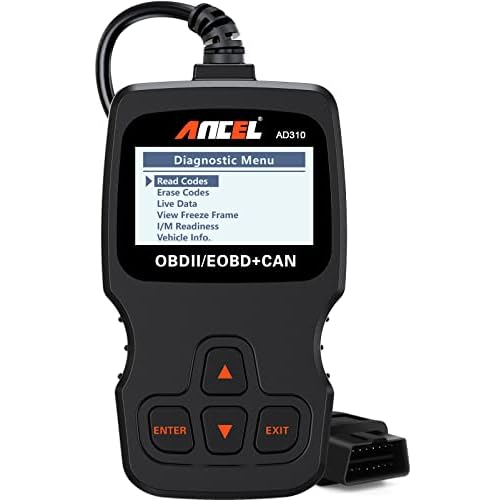
Accurately diagnosing a P2609 code requires a systematic, multi-tiered approach to differentiate between a simple relay failure, a wiring harness short, or the imminent threat of a melting grid heater bolt. Standard OBD-II diagnostics must always be paired with physical inspections and high-amperage electrical testing.
The Mandatory “Jiggle Test”
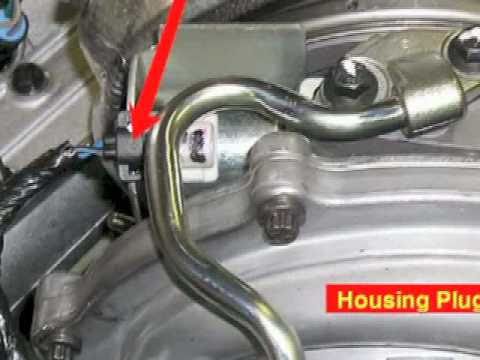
Before engaging in any electronic diagnostics or utilizing a multimeter, diesel technicians mandate a physical inspection of the grid heater terminal, colloquially known throughout the industry as the “jiggle test”. The primary 12-volt power post is located on the exterior of the intake plenum, secured by a 10mm nut directly adjacent to the high-pressure fuel rail.
To perform this test, the technician gently grasps this external power terminal and attempts to wiggle it laterally. Any lateral movement or free play indicates that the internal nut and bolt assembly beneath the heater plate has loosened, stretched, or actively begun to melt. If any movement is detected, the engine must not be started under any circumstances. The vehicle must be grounded, and the intake manifold must be removed immediately to extract the compromised hardware before it drops into the engine.
Voltage Drop and Relay Resistance Testing
If the terminal proves to be structurally sound and passes the physical inspection, diagnostic efforts shift toward the high-amperage electrical circuit. The intake air heater circuit operates under massive current loads, meaning that traditional continuity tests are wholly insufficient; voltage drop testing is explicitly required to find points of high resistance that trigger the P2609 code.
The technician utilizes a high-quality digital multimeter to probe the auxiliary battery circuit at the intake air heater relay terminal while the system is actively under load. The PCM uses a high-capacity relay—often visually resembling a traditional starter solenoid on older models—to route battery power directly to the heating element. Using a bi-directional automotive scan tool, the technician can manually command the Cold Start Aid Driver output to the “On” position without running the engine.
When the relay engages, the technician closely observes the voltage drop across the relay contacts and the primary feed wire. A voltage drop exceeding 0.2 volts indicates excessive resistance, typically caused by internal relay contact pitting, corroded high-amperage wiring, or loose main battery connections. Furthermore, the control side of the relay (the low-voltage circuit governed by the PCM) must be measured for proper resistance.
According to Cummins engineering specifications, testing the resistance between the intake air heater signal pin and the return pin should yield specific values; readings outside the manufacturer’s threshold—often cited as less than 100 ohms for the internal relay coil—confirm a failed solenoid requiring immediate replacement.


Technical Service Bulletins (TSBs) and Safety Recall 13A
The persistent issues surrounding the 6.7L Cummins intake air heater system have prompted the manufacturer to issue multiple software updates, Technical Service Bulletins, and federal safety recalls. Understanding the historical context of these manufacturer interventions is vital for technicians addressing a P2609 code.
Safety Recall 13A: The Solid-State Relay Fire Risk
The most severe manufacturer intervention regarding the grid heater system is Safety Recall 13A (NHTSA Campaign Number 23V060000), launched in response to a critical fire risk identified in late-model trucks. This massive recall affects approximately 306,165 vehicles, specifically targeting the 2021 through 2023 model year RAM 2500, 3500, 4500, and 5500 heavy-duty trucks equipped with the 6.7L Cummins engine.
The root cause of this specific recall lies not with the grid heater element itself, but with a transition to a new generation of electrical controllers. Beginning in 2021, Ram shifted from traditional mechanical contactor relays to a “Generation 1 solid-state intake air grid heater relay”.
This solid-state switch, supplied by a third-party vendor, was found to possess a manufacturing defect that made it highly susceptible to internal short-circuiting. When the solid-state relay shorts, it creates an uncontrolled thermal event within the engine compartment, leading to catastrophic vehicle fires regardless of whether the ignition is in the on or off position.
The severity of the risk prompted Stellantis and the(https://www.nhtsa.gov/) to issue advisories for owners to park their vehicles outside and away from structures until the recall remedy—a complete replacement of the solid-state relay with an updated component—could be performed free of charge.
PCM Flash Updates and Calibration Enhancements
OEM Replacement Parts and Generational Variances
| Component Description | Model Year Application | Current Mopar Part Number | Replaced/Superseded Numbers |
| Grid Heater Relay (Mechanical) | 2007.5 – 2018 | 5187880AC | 5187880AA, 5187880AB, 56029173AB |
| Grid Heater Relay (Updated) | 2019 – 2024 | 68606435AB | 68444169AA, 68444169AB, 68606435AA |
| Grid Heater Wiring Harness | 2019 – 2024 | 68447110AA | N/A |
Labor Economics, Teardown, and Reassembly Specifications
Critical Fitment Hazards by Generation
Torque Specifications and Gasket Reassembly
Aftermarket Engineering Solutions and Upgrades
The BD Diesel Killer Grid Heater Kit
The(https://us.bddiesel.com/) Killer Grid Heater Upgrade Kit represents a premier engineered solution that retains the factory intake horn. Rather than relying on a weak internal nut, the BD Diesel kit completely re-engineers the power path. The stock hardware is discarded and replaced with a robust M8 stainless steel bolt that threads downward through the top of the grid plate into a custom, tapped busbar.
High-Flow Manifold Upgrades: The Banks Monster-Ram
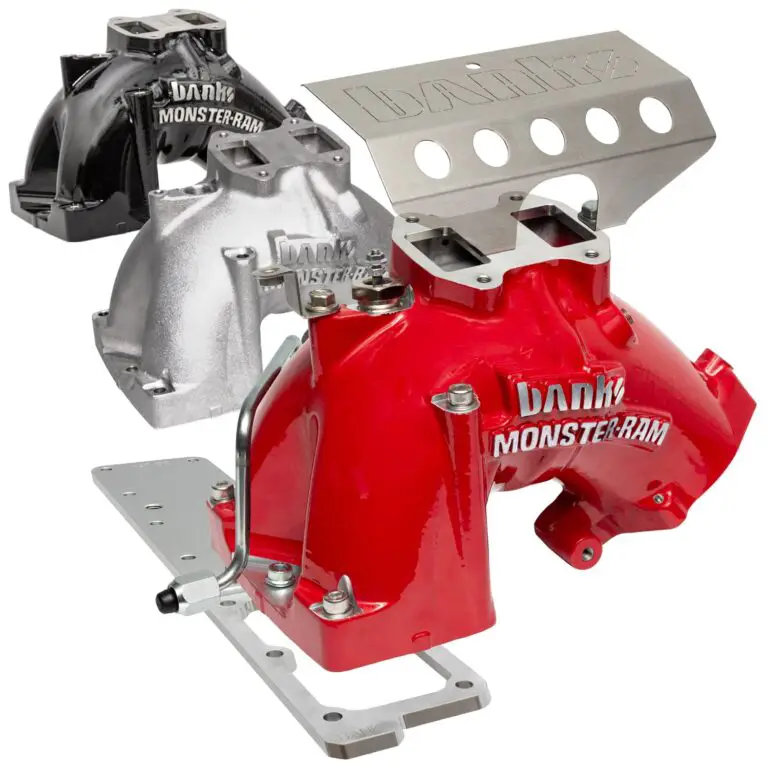
For owners seeking both reliability and a massive performance enhancement, replacing the entire intake elbow is a popular alternative. The(https://official.bankspower.com/) Monster-Ram intake system discards the factory intake horn and the restrictive grid heater plate entirely. Gale Banks Engineering identified that the factory grid heater not only poses a mechanical threat but also severely restricts airflow into the cylinders under heavy boost.



The Monster-Ram system improves mass airflow by up to 88% by utilizing a sweeping, billet aluminum design. To maintain cold-start capability and prevent the P2609 code, the system features a vertical, high-flow, coil-style heating element that threads directly into the top of the intake elbow. Because the heating element is elevated and securely threaded into the casting, the risk of bolt ingestion is entirely eradicated.
Like the BD Diesel kit, the Banks system is engineered to function with factory ECM parameters, maintaining 50-state emissions compliance under stringent California Air Resources Board (CARB) regulations.
The Pusher Heater Grid Delete
Another notable option in the aftermarket space is the Pusher Heater Grid Delete. Designed strictly for maximizing airflow, this kit replaces the restrictive factory heater grid with a fully CNC machined 6061-T6 aluminum plenum cover. Flow bench testing indicates that while the factory heater grid bolted to the outlet flange flows approximately 396 cfm,
the Pusher Heater Grid Delete increases that metric to 528 cfm at the same inlet pressure. While this provides a significant drop in Exhaust Gas Temperatures (EGTs) and faster turbo spooling, it fundamentally removes the heating element, leading to the complications discussed in the next section.
The Emissions Compliance and Grid Heater Delete Controversy
A frequent topic within diesel performance circles is the complete deletion of the grid heater system to maximize airflow and permanently solve the bolt failure issue. Various manufacturers produce CNC-machined aluminum “delete plates” that replace the heater grid, providing an unobstructed path for boost pressure. While this physically eliminates the “killer bolt,” it introduces a host of operational and legal complications.
Deleting the grid heater entirely removes the engine’s ability to warm incoming air. In environments where temperatures drop below 50°F, this results in difficult, prolonged cranking sequences, excessive starter wear, and the generation of heavy white smoke due to raw fuel washing the cylinder walls.
Modern 6.7L Cummins engines utilize the grid heater during the post-start warm-up phase to stabilize combustion and reduce the immediate soot load placed upon the Diesel Particulate Filter (DPF). Deleting the heater accelerates DPF clogging and exhaust aftertreatment failure.
Electrically, simply removing the heater element or disconnecting the primary power lead will immediately trigger a permanent P2609 code, as the PCM registers an open circuit. The persistent Check Engine Light permanently disables the vehicle’s remote start capabilities.
Circumventing this code requires specialized ECU tuning to electronically suppress the monitor, a practice that renders the vehicle strictly non-compliant with federal EPA regulations and state-level emissions testing, particularly in stringent jurisdictions like California and Texas. For vehicles operating on public roads, completely deleting the grid heater is considered an inferior, high-liability approach compared to installing an engineered safety upgrade.
| Solution Strategy | Bolt Ingestion Risk | Airflow Restriction | Cold Start Reliability | Emissions / CARB Compliant | ECU Tuning Required |
| Factory OEM Replacement | High (Vulnerable design) | High (396 cfm) | Excellent | Yes | No |
| BD Diesel Killer Grid Kit | Zero (Top-mount M8 Bolt) | High (Stock flow) | Excellent (2400W output) | Yes | No |
| Banks Monster-Ram Elbow | Zero (Relocated coil) | Very Low (+88% flow) | Excellent | Yes | No |
| Complete Grid Heater Delete | Zero (Hardware removed) | Zero (Up to 528 cfm) | Poor (Long cranks, smoke) | No (Fails Smog) | Yes (To clear P2609) |
FAQs
Can a vehicle be safely driven with an active P2609 code?
While the diesel engine can physically operate with an active P2609 code—especially in ambient temperatures above 60°F where the pre-heating cycle is less critical—continued driving is strongly discouraged. Operating the vehicle ignores the potential that the internal grid heater bolt is actively melting. If the code is generated by an imminent mechanical failure rather than a simple relay fault, driving the vehicle drastically increases the likelihood of the bolt fracturing and being ingested into cylinder #6, resulting in total engine destruction.
Will deleting the grid heater fix the P2609 code?
No, physically deleting the grid heater element will not resolve the code; it will permanently trigger it. The PCM actively monitors the voltage drop on the heater circuit during the pre-heat cycle. If the heater is removed or the power wire is disconnected, the PCM detects an open circuit and sets the P2609 DTC. The only way to clear the code after a physical delete is to reprogram the ECM with custom aftermarket tuning, which violates federal emissions laws.
Does the P2609 code affect the factory remote start system?
Yes. In all modern RAM trucks, the presence of any active Check Engine Light, including the P2609 code, immediately and automatically disables the factory remote start functionality. This is a programmed safety parameter designed to prevent the vehicle from operating unattended while a known electrical or emissions fault is present.
What is the difference between a mechanical grid heater relay and a solid-state relay?
Earlier generations of the 6.7L Cummins utilized traditional mechanical contactor relays (such as Mopar 5187880AC), which rely on physical electromagnetically driven contacts to close the high-amperage circuit. Beginning in 2021, Ram transitioned to solid-state relays, which use semiconductor switching elements to control the current without moving parts. While intended to be more reliable, a manufacturing defect in the Generation 1 solid-state relays caused them to short internally, leading to unregulated current flow, overheating, and engine compartment fires, prompting Safety Recall 13A.
Strategic Corrective Actions and Future Outlook
The P2609 “Intake Air Heater System Performance” diagnostic trouble code serves as a vital diagnostic crossroad for 6.7L Cummins operators. The data decisively indicates that treating this code merely as a cold-weather nuisance is a profound error in vehicle maintenance strategy. Because the electronic parameters that trigger the code are intimately linked to the mechanical integrity of the grid heater’s power terminal, the P2609 fault must be treated as an early warning of imminent catastrophic engine failure.
Diagnostic efforts must prioritize the physical “jiggle test” of the external terminal before any electronic relay testing is conducted. If the terminal is secure, multimeter voltage drop tests across the intake heater relay circuit provide a definitive path to isolating electrical faults.
From an engineering and longevity perspective, relying on continuous OEM replacements of the factory grid heater plate preserves the inherent design flaw of the 1/4-inch internal stud. To guarantee the lifespan of the engine without sacrificing emissions compliance or cold-weather drivability, migrating to an engineered aftermarket solution is the optimal corrective action.
Systems like the BD Diesel Killer Grid Heater Upgrade Kit offer the most cost-effective structural remedy by upgrading the power path via an external M8 bolt, while the Banks Monster-Ram system provides a comprehensive upgrade that eliminates the restrictive grid plate entirely in favor of a high-flow induction elbow and relocated coil heater. Swift, educated intervention upon the appearance of the P2609 code remains the definitive safeguard against the devastating financial impact of Cummins engine ingestion.