P0401 6.7 Cummins: EGR Flow Code Meaning & Fix Guide 2026

P0401 on a 6.7 Cummins means the ECM has detected insufficient EGR flow, and on this engine it almost always traces back to one of three components: a soot-clogged EGR cooler, a stuck EGR valve, or a failed EGR cooler bypass valve. That last one is the cause most owners miss, because it can pass a visual inspection while still triggering the code.
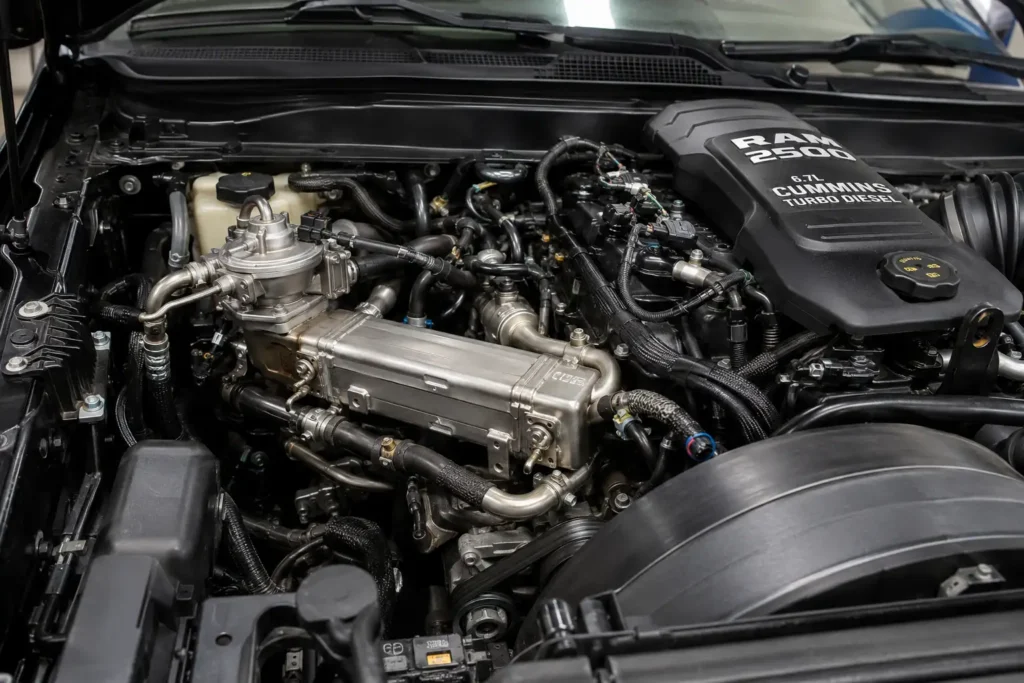
This guide walks through how to tell the three apart with a scan tool before you spend money on parts, what each repair actually costs, and why an EGR delete is not the shortcut it looks like.
What Causes a P0401 Code on the 6.7 Cummins
Recommended Best Deal Products


Three components cause nearly every P0401 on this engine.
- A clogged EGR cooler or EGR passages, usually from years of soot accumulation
- A stuck-closed or carbon-fouled EGR valve that won’t open on command
- A faulty EGR cooler bypass valve, which is Cummins-specific and easy to miss
Mileage narrows this down fast. Trucks past 100,000 miles with heavy stop-and-go driving lean toward a clogged cooler. Trucks that have already had the cooler and valve replaced and are still throwing the code point toward the bypass valve instead. If your truck falls in the 2013 to 2024 range, the bypass valve is a documented factory component (Mopar part 68399240AA), so it is a real possibility, not a guess.
How to Diagnose Which EGR Component Failed
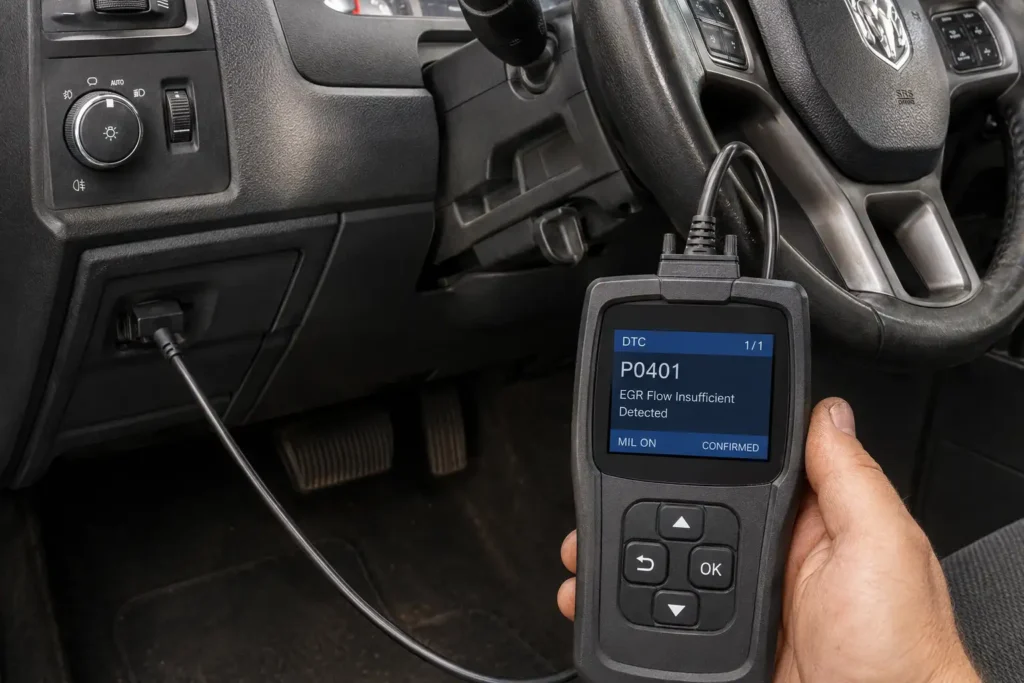
Start with a scan tool, not a parts cannon. Guessing at parts on a 6.7 Cummins EGR system gets expensive fast.
Step 1: Run a bidirectional flow test. A scan tool with bidirectional control can command the EGR valve open and closed while you watch actual flow data. This isolates whether the problem is the valve itself, a sensor reading, or a physical blockage. Most restricted EGR coolers actually pass a basic running test, so this step alone won’t always catch a clogged cooler.
Step 2: Inspect the EGR cooler inlet visually. Pull the EGR inlet pipe and look into the cooler with a bright flashlight. A cooler packed with hard, glassy soot is visibly restricted, even when it passed the scan tool’s dynamic test.
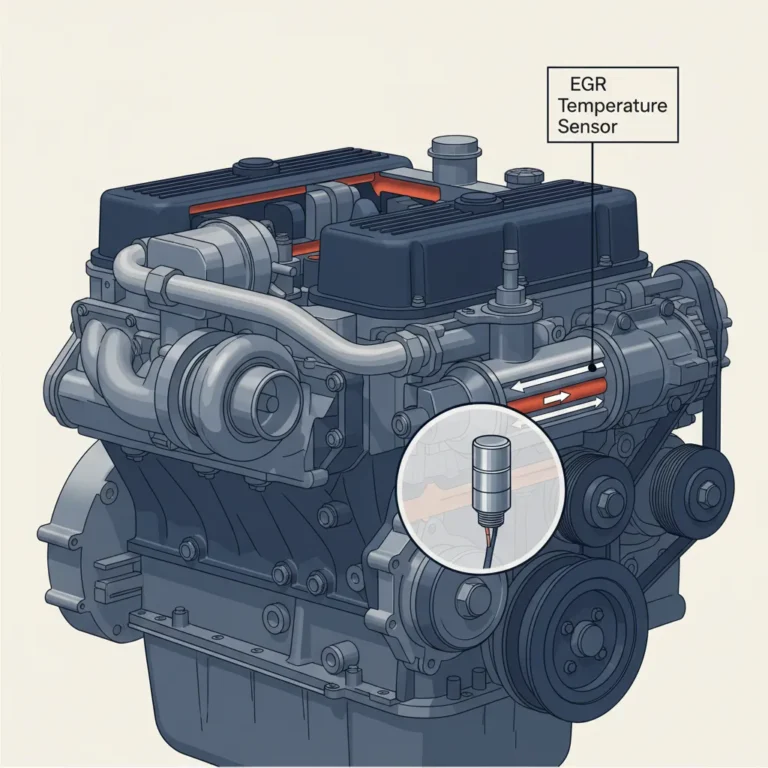
Step 3: Watch the EGR crossover temperature at startup. This is the step most guides skip. On a healthy system, crossover temperature stays elevated while the EGR is actively flowing. If you see roughly 400°F at cold start that drops to around 200°F after 10 to 12 minutes of running, and the code sets right at that drop, you’re looking at a bypass valve problem, not a cooler or valve problem. Our 6.7 Cummins EGR temp sensor location guide shows exactly where to check this reading.
Step 4: Check for companion codes. P0402 (excessive flow), P0403 through P0406 (circuit and performance faults), and P0299 (turbo underboost) sometimes set alongside P0401. A P0401 and P0299 combination on a 2021-and-newer Ram 2500 has been reported even after the EGR valve and cooler bypass valve were already replaced, which points investigation back toward the bypass valve or a boost-side issue rather than repeating the same parts swap.
Why the EGR Cooler Bypass Valve Gets Missed Most Often
The bypass valve controls whether hot exhaust gas is routed through the cooler or around it. When it fails, the crossover temperature reading tells the real story: hot at startup, then a drop to around 200°F within 10 to 12 minutes as the valve stops directing flow correctly, which is exactly the pattern that trips the low-flow threshold and sets P0401.
This is why owners get burned. They replace the EGR valve, replace the cooler, clear the code, and the truck throws P0401 again a few thousand miles later, because the bypass valve was never touched. One documented case involved a 2021 Ram 2500 6.7 Cummins that had already received a new EGR valve and cooler bypass valve, plus a PCM update, and still set P0401 alongside P0299, with the bypass valve remaining the prime suspect once the more obvious parts were ruled out.
Confirm the bypass valve before you buy anything else. The startup-to-200°F drop on the crossover sensor is the single clearest signal this engine gives you.
Once the cause is confirmed, here’s what repair actually runs.
What It Costs to Fix P0401 and Why EGR Delete Isn’t a Real Fix
| Repair | Parts Cost | Labor Cost | Total Estimate |
|---|---|---|---|
| EGR cooler replacement | $400 to $700 (OEM-spec) | $300 to $600 (shop rate dependent) | $700 to $1,300 |
| EGR valve replacement (independent shop) | $200 to $400 | 1.5 to 2.5 hours ($420 to $800 total) | $420 to $800 |
| OEM Mopar EGR bypass valve (part 68399240AA) | Roughly $1,250 for the OEM part alone | Additional labor, varies by shop | $1,250-plus before labor |
These ranges line up with real owner invoices. One 6.7 Cummins owner who replaced an EGR cooler using aftermarket parts and independent shop labor at $65 an hour for about six hours reported paying just under $2,000 out the door, which included more than the cooler alone.
The EGR cooler is also a repeat failure point on high-mileage trucks. Some owners report doing the same cooler replacement two or three times before the problem is finally solved, which pushes real lifetime cost well past the first repair estimate.
An EGR delete kit will eliminate P0401 permanently, since there is no EGR system left to fault. It is also illegal for street-driven trucks. Federal law prohibits installing any part whose main effect is to bypass or disable a required emissions control device, and EPA enforcement against EGR delete kits and defeat devices has resulted in real penalties against both shops and individual owners in recent years. For a truck that has to pass inspection or stay street legal, cleaning, repairing, or replacing the actual failed component is the only compliant path. If you want the full breakdown of what a delete kit involves and its tradeoffs for off-road-only builds, see our guide on the 6.7 Cummins EGR delete kit.
Whichever path you take, confirm the fix before clearing the code.
P0401 Diagnosis Quick Reference by Symptom
Use this table to match what your scan tool and inspection turned up to the likely cause and next step.
| Symptom Pattern | Scan Tool Confirmation | Likely Cause | Typical Fix | Cost Range |
|---|---|---|---|---|
| Rough idle, black smoke, worse past 100,000 miles | Cooler restricted on flashlight inspection, may pass dynamic test | Clogged EGR cooler or passages | Clean or replace cooler | $700 to $1,300 |
| Valve won’t respond to bidirectional command | No movement during commanded open and close test | Stuck or failed EGR valve | Replace EGR valve | $420 to $800 |
| Crossover temp drops from 400°F to 200°F in 10 to 12 minutes | Temperature pattern confirmed at startup | Faulty EGR cooler bypass valve | Replace bypass valve | $1,250-plus for OEM part, plus labor |
| P0401 with P0299 after parts already replaced | Boost pressure and flow both flagged | Bypass valve or boost-side fault | Re-inspect bypass valve, check boost system | Varies, diagnostic time required |
If you need help locating the EGR valve itself before starting any of these tests, our 6.7 Cummins EGR valve location and diagnostic guide walks through where it sits and how to access it.
Confirm the Cause Before You Clear the Code
P0401 on a 6.7 Cummins comes down to three components: a clogged cooler, a stuck valve, or a failed bypass valve. A scan tool, a flashlight, and a five-minute look at startup crossover temperature will tell you which one you’re dealing with before you spend a dollar on parts.
Skipping that diagnostic step is how owners end up replacing the same components twice. Confirm the cause, fix the actual failure, and clear the code once you know it will stay off. If your truck throws a different code alongside P0401, our guide to the P2149 Cummins code covers another common companion fault worth ruling out.
Frequently Asked Questions
Is it safe to drive with a P0401 code on a 6.7 Cummins?
Short trips are generally safe, but don’t ignore it long term. Reduced EGR flow raises combustion temperatures and can accelerate wear on related components, so get it diagnosed within a week or two.
Can a bad MAP sensor cause a P0401 on the 6.7 Cummins?
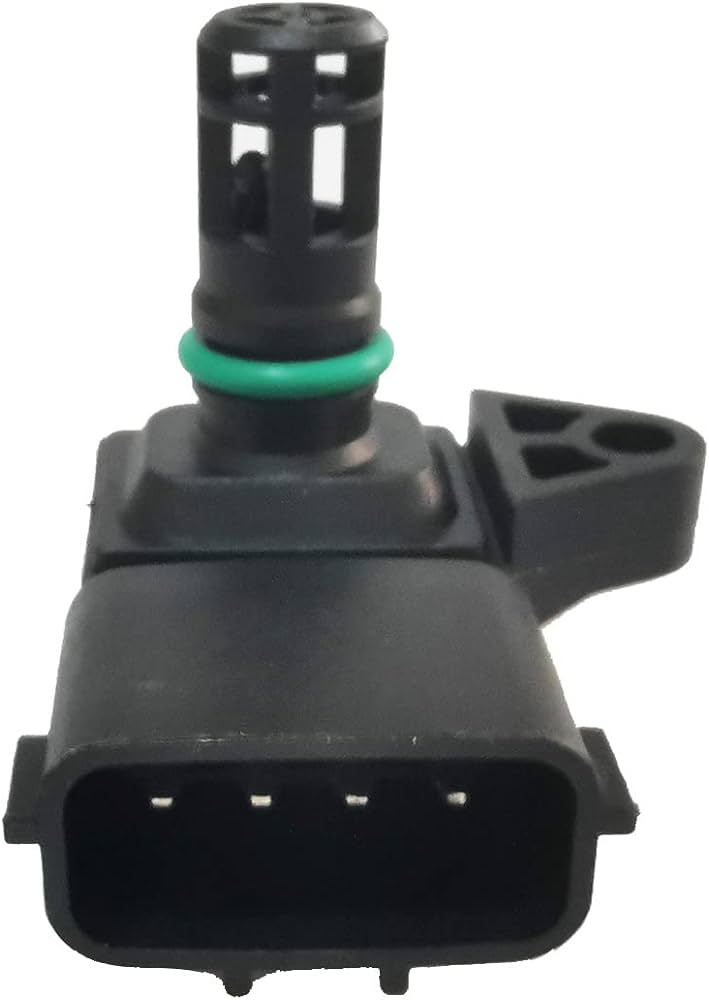
Yes, a faulty MAP or crossover temperature sensor can report incorrect flow data and trigger P0401 even when the EGR hardware itself is fine. Testing the sensor is a fast, low-cost step before replacing any EGR components.
Will clearing the P0401 code make it come back?
Yes, if you clear it without fixing the underlying cause. The ECM will re-trigger the code within one to two drive cycles once it detects insufficient flow again.
Does an EGR delete fix P0401 permanently on the 6.7 Cummins?
It eliminates the code because there’s no EGR system left to fault, but it’s illegal for street-driven trucks under the Clean Air Act. It’s only appropriate for off-road or racing applications where local law allows it.
How much does EGR cooler replacement cost on a 6.7 Cummins?
Expect $700 to $1,300 total for parts and labor at an independent shop, based on real owner invoices. Costs run higher if the turbo or intercooler boot also needs attention.
Reset the code only after the actual repair is done, and give it a couple of drive cycles to confirm the fix held before you consider it finished.