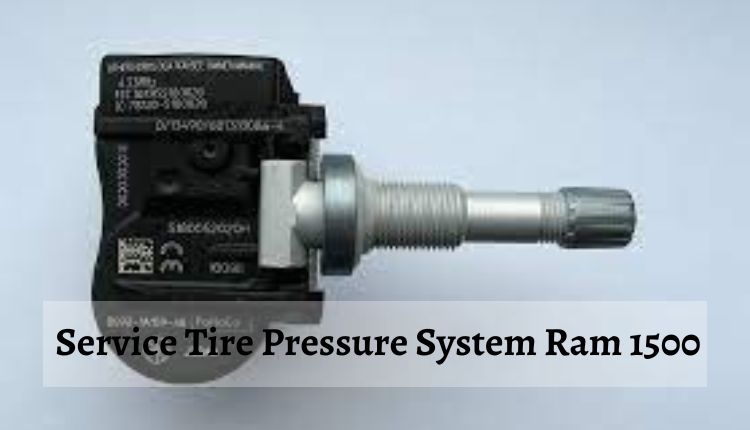
Ram 1500 Off-Road Build Guide: Best Lifts, Tires & Mods [2026]

The foundation of a capable Ram 1500 off-road build is a high-quality suspension system paired with aggressive all-terrain tires. Balancing ground clearance, wheel travel, and underbody protection is essential to ensure your truck handles rugged trails while maintaining highway reliability.
🎯 Key Takeaways
Recommended Best Deal Products


- Prioritize a 2-3 inch suspension lift to clear 35-inch tires without significant trimming.
- Quality shocks like Bilstein or Fox significantly improve dampening over factory components.
- Opt for 17-inch wheels to maximize tire sidewall for better off-road traction.
- Heavy-duty rock sliders are vital for protecting the Ram’s long wheelbase on obstacles.
- Upgrading Upper Control Arms (UCAs) is recommended for lifts over 2 inches to maintain alignment.
To build a capable Ram 1500 off-roader, you must prioritize ground clearance and suspension articulation over simple aesthetics. The most effective starting point for any build is a high-quality 2.5-inch leveling kit or a 4-inch suspension lift paired with 33 to 35-inch all-terrain tires. This combination resolves the factory raked stance, improves your approach angle, and provides the necessary clearance to navigate technical trails without damaging your rocker panels or fenders.

Prime for Young Adults — 6 Months Free
Students and 18–24s get six months of Prime free, then half price.
Start 6 Months Free
Practically, these modifications transform your truck from a highway cruiser into a purpose-built adventure machine. Whether you are building a 4th Gen (DS) or 5th Gen (DT) Ram, selecting the right hardware ensures your truck remains reliable on-road while becoming unstoppable when the pavement ends. This guide focuses on the specific parts you need to maximize performance while respecting your budget and the mechanical limits of the Ram 1500 platform.
Suspension Architecture: Leveling Kits vs. Full Performance Lifts
The foundation of your build starts with how you raise the chassis. On the Ram 1500, you have two primary paths: a leveling kit to fix the factory nose-down rake, or a full suspension lift for maximum clearance and trail performance. The choice depends entirely on how much technical terrain you plan to cover.
Leveling Kits and Adjustable Struts
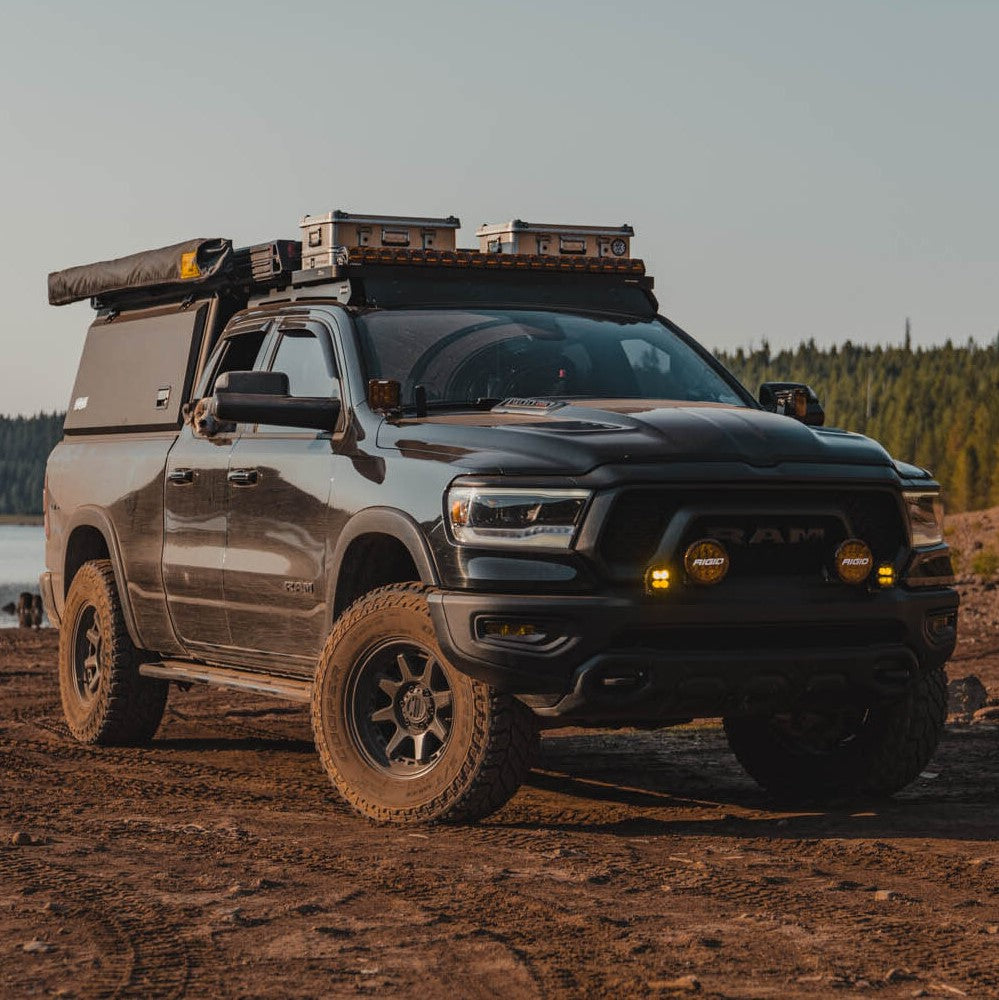
Leveling kits are the most cost-effective way to fit larger tires. However, not all leveling kits are equal. “Puck” spacers are cheap and easy to install, but they often lead to poor ride quality and increased wear on your ball joints. For a functional off-road build, adjustable height struts like the Bilstein 5100 or Eibach Pro-Truck Lift are superior choices. These units use the spring seat to provide lift, preserving suspension travel and improving damping over washboard roads.
- Entry-Level: 2-inch strut spacers (Best for 33-inch tires and light trails).
- Mid-Tier: Bilstein 5100 adjustable shocks (Better ride control and durability).
- Upper Control Arms (UCAs): If you lift the front more than 2 inches, aftermarket UCAs are mandatory to prevent ball joint failure at full droop.
Full Performance Lifts and Long-Travel Systems
If your goal involves rock crawling or high-speed desert running, a 4-inch to 6-inch lift is necessary. Unlike leveling kits, these systems include drop crossmembers that keep your CV axle angles flat, preventing premature drivetrain failure. Brands like BDS Suspension and Zone Offroad offer kits that maintain factory geometry while allowing for massive 35 or 37-inch tires. For the ultimate build, remote reservoir coilovers from King or Fox provide superior heat dissipation, allowing you to maintain high speeds off-road without the shocks fading.
- 4-Inch Lift: The “Goldilocks” height. Fits 35s comfortably and fits in most standard garages.
- 6-Inch Lift: Necessary for 37-inch tires, but requires re-gearing to maintain power.
- Coilover Conversion: Replaces factory springs with race-inspired hardware for maximum articulation.
From Start to Finish: The RAM 1500 Off-Road Build Explained
Recommended Best Deal Products


The RAM 1500 is one of the most capable light-duty pickups on the market, but taking it from a highway cruiser to a dirt-shredding off-road machine requires a strategic approach. This guide covers the essential modifications needed to increase ground clearance, improve traction, and protect your investment from trail damage. Whether you own a 4th Gen Classic or a 5th Gen DT model, following these steps ensures your build is balanced, durable, and ready for everything from technical rock crawling to high-speed desert runs. Properly sequencing your upgrades is critical to avoid “doing things twice” and to ensure that each new component works in harmony with the truck’s complex suspension and electronics.
Step 1: Vehicle Assessment and Platform Preparation
What you need: VIN decoder, owner’s manual, floor jack, and jack stands.
Instructions: Before buying parts, you must identify your truck’s specific configuration. RAM 1500s come with either traditional coil springs or the “Active-Level” Four-Corner Air Suspension. If you have air ride, your lift options are significantly more limited and expensive. Check your axle ratio in the glovebox or via a VIN lookup; a 3.21 ratio will struggle with larger tires, whereas a 3.92 is ideal. Inspect your CV boots and ball joints for wear. This is also the time to decide your “build philosophy.” Are you building an “Overlander” for long-distance camping or a “Trail Rig” for difficult obstacles? Your choice here dictates every subsequent purchase, from spring rates to tire tread patterns.
Pro Tip: If your RAM has the eTorque mild-hybrid system, be aware that additional weight from steel bumpers will affect your regenerative braking feel and battery cooling—always check for compatibility with hybrid trims.
Step 2: High-Performance Suspension Overhaul
What you need: Coilover kit or leveling struts, aftermarket Upper Control Arms (UCAs), socket set, torque wrench, and a heavy-duty spring compressor.

Audible — Listen Free for 30 Days
One free credit a month and thousands of titles included.
Listen Free for 30 DaysInstructions: Avoid cheap “spacer” leveling kits which can cause the upper ball joints to pop out at full extension. Instead, install a high-quality adjustable strut like the Bilstein 5100 or a full coilover system from Fox or King. Aim for 2 to 2.5 inches of lift in the front to level the truck’s stance. Crucially, replace the factory stamped-steel UCAs with boxed or tubular aftermarket versions. Factory RAM UCAs are notorious for failing when subjected to the increased angles of a lift. Ensure all bolts are torqued while the truck is at ride height on the ground to prevent premature bushing wear. This setup provides the travel needed for off-road articulation while maintaining highway stability.
Pro Tip: When installing coilovers, grease the uniballs or ball joints of your new UCAs immediately; many manufacturers ship them dry, leading to annoying squeaks within the first 500 miles.
Step 3: Wheels and All-Terrain Rubber
What you need: Set of five wheels (including spare), All-Terrain or Mud-Terrain tires, TPMS sensors, and a lug nut key.
Instructions: For the RAM 1500, a 33-inch tire fits easily with a level, but a 35-inch tire is the gold standard for off-roading. Select a 17-inch or 18-inch wheel to allow for more tire sidewall, which provides better flotation when aired down. Pay close attention to “offset.” A +18mm to 0mm offset is usually the “sweet spot” to avoid rubbing the frame while still giving the truck a wider, more aggressive stance. If you choose 35s, be prepared to do a “mid-perch” adjustment on your suspension and potentially trim the plastic inner fender liners. Don’t forget to purchase a fifth matching wheel and tire; a factory-sized spare is useless and potentially dangerous for your drivetrain if you get a flat on the trail with larger tires installed.
Pro Tip: Opt for “Load Range C” tires if you want to maintain a softer ride, or “Load Range E” if you plan on heavy towing or frequent travel over sharp volcanic rock and shale.
Step 4: Underbody Armor and Rock Sliders
What you need: Steel or aluminum skid plates, frame-mounted rock sliders, floor jack, and a drill with cobalt bits.
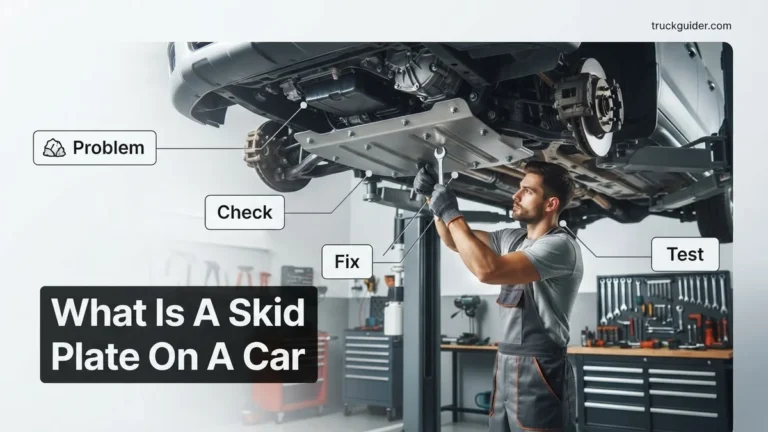
Instructions: The RAM’s underbelly has several vulnerabilities, specifically the aluminum oil pan and the low-hanging transfer case. Install a front bash plate and a transfer case skid plate. Next, replace the factory plastic “running boards” with true rock sliders. Unlike side steps, rock sliders mount directly to the frame and are designed to support the entire weight of the truck. This allows you to pivot off obstacles without crushing your rocker panels. If you are weight-conscious, choose 1/4-inch aluminum skids, which offer excellent protection against scrapes. For heavy rock crawling, 3/16-inch P&O steel is preferred for its ability to take repeated hard hits without deforming.
Pro Tip: Check if your sliders interfere with the RAM’s “Active Aero” shutters or the deployment of the optional power-retractable side steps if your truck is a higher trim level.
Audible Premium Plus — Annual Membership
12 audiobook credits up front, plus the full Audible catalogue.
See Annual PlansStep 5: Recovery Points and Winch Integration
What you need: Hidden winch mount or off-road bumper, 10,000lb+ winch with synthetic line, and rated recovery points.
Instructions: If you keep the stock bumper, install a “hidden winch mount” that sits behind the factory steel. If you replace the bumper, ensure it is winch-compatible and has integrated D-ring shackles. For a RAM 1500, a winch rated for at least 10,000 lbs to 12,000 lbs is necessary due to the truck’s high Gross Vehicle Weight Rating (GVWR). Opt for synthetic rope over steel cable; it is lighter, easier to handle, and significantly safer if a line snaps. Ensure your recovery points are bolted directly to the frame rails. Avoid using the factory “tow hooks” for heavy snatch recoveries, as they are often rated only for straight-line pulling on flat pavement.
Pro Tip: Always carry a “recovery kit” containing a tree saver, a snatch block to double your winch’s pulling power, and soft shackles which are easier on your equipment than metal ones.
Step 6: Lighting and Auxiliary Power
What you need: LED light pods, a wiring harness, an auxiliary switch controller (like an sPOD or Switch-Pros), and basic electrical tools.
Instructions: Visibility is key when the sun goes down on the trail. Start with “ditch lights” mounted near the A-pillars, angled outward to help you see around corners. Add a 20-inch light bar in the bumper opening for long-range forward illumination. To avoid a messy “rat’s nest” of wires at the battery terminal, install an auxiliary power distribution block. This allows you to run all your lights, compressors, and fridges to a single hub. Mount the controller inside the cab for easy access. When routing wires through the firewall, use an existing rubber grommet and ensure all wires are wrapped in plastic loom to prevent chaffing against the metal frame.
Pro Tip: Use “Amber” or “Yellow” lenses for your fog or ditch lights; these colors cut through dust, snow, and fog much more effectively than standard white LEDs, which tend to reflect light back into the driver’s eyes.
Step 7: Drivetrain Calibration and Final Alignment
What you need: OBDII programmer (like Z-Automotive Tazer RAM), professional alignment rack, and basic hand tools.
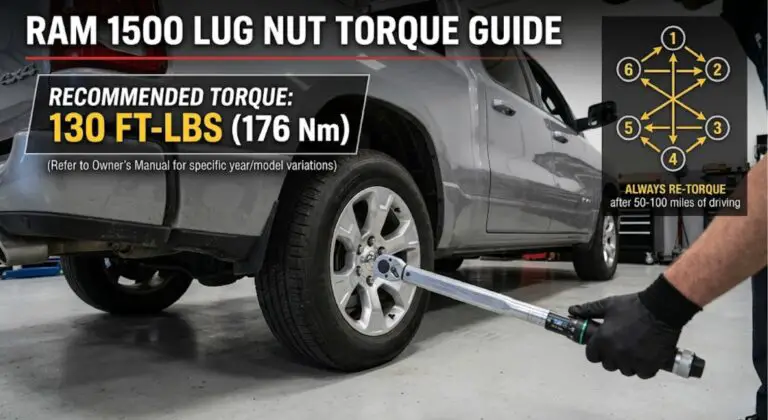
Instructions: After installing larger tires, your speedometer and odometer will be inaccurate, and your transmission shift points will be sluggish. Use an OBDII programmer to update the tire diameter in the truck’s ECU. This recalibrates the ABS, traction control, and transmission logic. Finally, take the truck to a specialized off-road alignment shop. A standard “toe-and-go” alignment at a chain tire store often isn’t enough for a lifted RAM. You need a technician who understands how to adjust caster to account for the new suspension geometry, ensuring the truck tracks straight and doesn’t “wander” at highway speeds. Check the torque on all new suspension components after the first 100 miles of driving.
Pro Tip: If you moved to 35-inch or 37-inch tires and find the truck is constantly hunting for gears on the highway, consider a gear swap to 4.56 ratios to regain your factory torque and fuel economy.
✅ Final Checklist
- Verify that the Upper Control Arm ball joints are not contacting the coil springs at full droop.
- Check that all brake lines and ABS sensor wires have enough slack during a full steering lock.
- Ensure the winch clutch engages and disengages smoothly and the line is properly tensioned.
- Confirm the speedometer matches a GPS speed app to verify correct ECU calibration.
- Inspect all underbody skid plate bolts for tightness and ensure no rattles are present.
Important Notes:
- Safety: Never work under a vehicle supported only by a jack; always use rated jack stands. Always wear eye protection when drilling into the frame.
- Professional Help: Seek a professional for differential re-gearing or if you are uncomfortable depinning electrical connectors for the switch system.
- Estimated Time and Cost: A full build typically takes 20-40 man-hours. Cost ranges from $5,000 for a basic functional build to $15,000+ for high-end long-travel suspension and premium armor.
Wheel and Tire Fitment Specifications for 4th and 5th Gen Rams
Fitting the largest possible tire is the only way to increase the height of your differentials. However, the Ram 1500 has specific clearance issues, particularly regarding the distance between the tire sidewall and the upper control arm. To avoid “rubbing,” you must balance tire width with wheel offset.
5th Gen (DT) Ram Fitment (2019-Present)
The 5th Gen Ram has larger wheel wells than its predecessor, making it friendlier for oversized rubber. On a stock 5th Gen, you can typically run 33-inch tires without modification. With a 2-inch level, 35×11.50R20 tires will fit on factory wheels with minimal trimming of the plastic air dam.
- 33-inch Tires: Fit stock height; no rubbing on factory 18 or 20-inch wheels.
- 35-inch Tires: Require a 2-inch level. Stick to a +12mm to +18mm offset to avoid trimming metal.
- Wheel Offset: Avoid deep dish wheels (-44mm) unless you are prepared to cut the “crash bars” inside the wheel well.
4th Gen (DS) Ram Fitment (2009-2018 / Classic)
The 4th Gen Ram is more restrictive. The factory upper control arms sit very close to the tire, meaning wide 12.50-inch tires will often rub the UCA on factory wheels. To run 35s on a 4th Gen, you almost always need a 2.5-inch level and wheels with less backspacing than the factory units.
- 33-inch Tires: Require a 1.5-inch level to clear comfortably during full-lock turns.
- 35-inch Tires: Require a 2.5-inch level and an offset of 0mm to +12mm to clear the suspension components.
- The “Muffler” Rub: Watch for oversized tires rubbing the rear inner fender liners; a small spacer or specific offset usually solves this.
Recommended Off-Road Tire Types
For a Ram 1500 build, All-Terrain (A/T) tires like the BFGoodrich KO2 or Falken Wildpeak AT3W offer the best balance for daily driving. If you spend more than 30% of your time in mud or deep sand, a Mud-Terrain (M/T) like the Nitto Trail Grappler provides better “self-cleaning” treads, though they are significantly louder on the highway. Rugged-Terrain (R/T) tires are a growing middle ground, offering aggressive looks with highway manners.
Essential Trail Armor and Recovery Solutions for Full-Size Trucks
Recommended Best Deal Products


The Ram 1500 is a powerhouse, but its sheer size and long wheelbase make it vulnerable to trail damage. Unlike smaller rigs, a full-size truck is more likely to high-center on obstacles or scrape its rocker panels. This makes “armor” a non-negotiable part of any serious build. Protecting your investment ensures you can drive home after a day in the dirt rather than calling a flatbed.
Protecting Your Undercarriage and Rockers
The belly of the Ram 1500 has several sensitive spots, most notably the transfer case and fuel tank. Stock plastic guards offer little protection against jagged rocks. High-quality steel or aluminum skid plates are essential upgrades. Furthermore, do not confuse side steps with rock sliders. Side steps are usually made of thin-walled tubing and bolt to the body; rock sliders are heavy-duty steel structures bolted directly to the frame, designed to support the entire weight of the truck during an impact.
- Full Underbody Skids: Look for kits that cover the front differential, oil pan, and transmission.
- Frame-Mounted Sliders: These protect your doors and quarter panels from expensive “trail rash.”
- Rear Bumper High-Clearance: Replacing the stock rear bumper can significantly improve your departure angle, preventing you from dragging your tail on steep climbs.
Self-Recovery Gear for Heavy Weights
A loaded Ram 1500 can easily tip the scales at over 6,000 pounds. If you get stuck in deep mud or sand, you need gear rated for that mass. A standard 8,000-lb winch is often insufficient for a heavy full-size truck under suction. Aim for a winch with at least a 12,000-lb capacity to ensure you have the pulling power needed for a safe recovery.
- Traction Boards: A set of MaxTrax or similar boards can provide instant grip in soft terrain without needing a winch point.
- Rated Recovery Points: Ensure your truck has frame-mounted shackles. Never pull from a trailer hitch ball or a suspension component.
- Kinetic Recovery Ropes: These are superior to static straps as they stretch and use kinetic energy to “pop” the vehicle out of a rut.
Budget Tiers: Categorizing Builds from Weekend Warrior to Overland Pro
Building a Ram 1500 doesn’t have to happen all at once. Most owners find success by building in stages based on how they actually use the truck. Whether you are hitting light fire roads or tackling technical rock crawls, your budget should prioritize the components that offer the most “bang for your buck” for your specific environment.
The Weekend Warrior (Under $2,500)
This tier is perfect for the owner who uses their Ram as a daily driver but wants to explore national parks and moderate trails on the weekends. The focus here is on reliability and aesthetics without sacrificing highway comfort. You can achieve a very capable look and feel with just a few smart choices.
- Levelling Kit: Clears the factory “rake” and allows for slightly larger tires.
- 33-inch All-Terrain Tires: Provides better grip than stock highway tires with minimal road noise.
- Basic Recovery Kit: A tow strap, shackles, and a portable air compressor.
The Dedicated Trail & Overland Pro ($5,000+)
If you plan on spending multiple days off the grid or tackling “black diamond” trails, you need a professional-grade setup. This tier moves away from basic spacers and focuses on performance suspension systems like those from King, Fox, or Icon. These systems provide increased travel and better heat dissipation for high-speed desert runs or technical crawling.
- 35-inch or 37-inch Tires: Requires a 3-inch to 6-inch lift and potentially some minor trimming of the inner fenders.
- Re-gearing: Swapping to 4.10 or 4.56 gears to regain the power lost by installing massive tires.
- On-Board Power and Storage: Dual battery systems and bed rack organizers for carrying tents, fuel, and water.
- High-Output Lighting: LED light bars and ditch lights to navigate dark trails safely at night.
Final Thoughts on Your Ram 1500 Build
Building an off-road capable Ram 1500 is a rewarding journey that balances raw power with trail-ready utility. From choosing the right suspension lift to ensuring your underbody is protected by heavy-duty armor, every modification should serve the purpose of getting you further into the wilderness and back safely. Remember that the best build is one that matches your actual driving habits—don’t overbuild for a trail you’ll never visit, but don’t under-equip for the adventures you dream of.
Your next step is simple: Determine your primary terrain and set a realistic budget. Start with a high-quality set of tires and a recovery kit, then head to the trails to see where your truck needs the most help. Ready to transform your rig? Grab your tools and start building the ultimate Ram 1500 today!
💬 Quick Questions & Answers
Can I fit 35-inch tires on a stock Ram 1500?
No, most Ram 1500s require at least a 2-inch leveling kit to clear 35-inch tires without rubbing.
What is the best wheel size for off-roading a Ram?
A 17-inch wheel is ideal because it allows for more tire sidewall, providing better cushion and grip when aired down.
Do I need to re-gear for larger tires?
If you have the 3.92 factory gears, you can usually run 35s comfortably, but 3.21 gears may require an upgrade to 4.10 or 4.56.
Are UCAs necessary for a 2-inch lift?
While not strictly mandatory for street use, aftermarket Upper Control Arms prevent ball joint failure at high articulation angles off-road.
Which shocks are best for a daily driven Ram build?
Bilstein 5100 series shocks are the most popular choice for balancing off-road performance with smooth street manners.
❓ Frequently Asked Questions
What are the primary differences between 4th and 5th Gen Ram off-road builds?
The 5th Gen (2019+) has a redesigned frame and suspension geometry that allows for slightly wider tires, but both generations benefit from similar leveling and lift technologies. Components are generally not interchangeable between the two generations.
How does a lift kit affect the Ram 1500’s towing capacity?
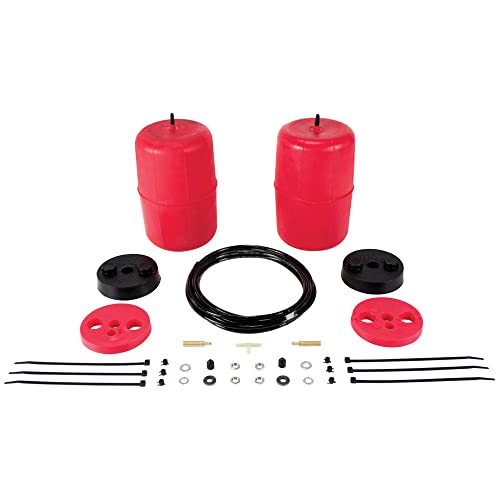
Most suspension lifts will slightly decrease towing stability due to a higher center of gravity and softer spring rates. Adding air helper springs or choosing a ‘heavy-duty’ spring option can help mitigate rear-end sag when hauling.
Is the factory Rebel suspension good enough for serious off-roading?
The Rebel trim offers a great starting point with a 1-inch factory lift and Bilstein shocks, but it still lacks the travel and clearance of a dedicated aftermarket mid-travel system for high-speed desert or technical rock crawling.
Should I choose All-Terrain (A/T) or Mud-Terrain (M/T) tires?
All-Terrain tires are better for daily drivers who need snow performance and low road noise, while Mud-Terrains offer superior traction in deep mud and sharp rocks at the cost of faster wear and louder hum.
How do I protect the fuel tank and transmission on a Ram 1500?
The Ram has a relatively long wheelbase, making the center underbelly vulnerable; installing 3/16-inch steel or 1/4-inch aluminum skid plates is the best way to protect these expensive components.
Can I off-road a Ram 1500 equipped with factory Air Suspension?
Yes, but options are limited. You can use ‘sensor links’ to trick the system into a higher ride height, but for serious builds, many owners choose to swap the air system for traditional coilovers for better reliability and travel.