
Rocker Panel Rust Repair Cost: 2024 Estimates & Factors [2026]

Repairing rocker panel rust typically costs between $500 and $2,500 per side, depending on the extent of the damage. While minor surface rust may only require grinding and painting, structural rot often necessitates full panel replacement and welding, significantly increasing labor expenses.
🎯 Key Takeaways
- Expect to pay $500–$1,000 for minor patch repairs including paint.
- Full rocker panel replacements often exceed $1,500 due to intensive labor.
- Labor costs typically account for 70-80% of the total repair invoice.
- Addressing rust early prevents it from spreading to the vehicle’s frame.
- Slip-on panels offer a cheaper aesthetic fix than traditional weld-in replacements.
On average, you can expect to pay between $500 and $3,500 per side to repair rocker panel rust in 2024. If the damage is limited to minor surface bubbling that hasn’t penetrated the metal, a professional touch-up might only cost you $200 to $600. However, because rocker panels are structural components that often sit beneath the doors, once the rust creates holes, the repair requires cutting, welding, and extensive paint blending, which quickly drives the price into the four-figure range.
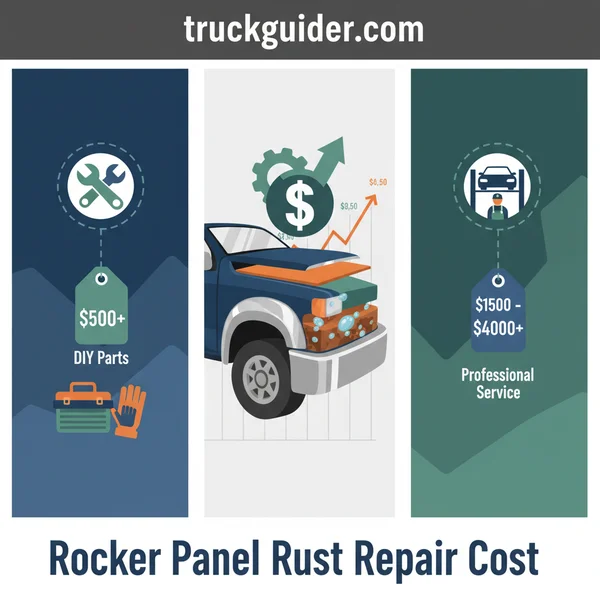
Addressing this issue early is critical for your wallet and your safety. Rocker panels provide significant structural integrity to your vehicle’s cabin; if they are compromised by “cancerous” rust, the vehicle may not protect you correctly in a side-impact collision. Furthermore, many states will not pass a vehicle for its annual safety inspection if there are visible rust holes in the rockers. Understanding the specific tier of damage your vehicle has is the first step in getting an accurate estimate.
Breakdown of Repair Costs by Damage Severity
The cost of your repair is dictated primarily by how deep the oxidation goes. Rust is often compared to an iceberg; what you see on the surface is usually only a fraction of the actual damage hidden behind the panel. Shops categorize these repairs into three main levels of severity.

Level 1: Surface Rust and Cosmetic Bubbling ($200 – $600)
This is the most affordable tier because it does not require new metal. The technician will grind down the paint to reach the bare steel, treat it with a chemical rust converter to stop further spread, and then apply primer and paint.
- Parts: Minimal (sandpaper, primer, paint).
- Labor: 2 to 4 hours.
- Best for: Vehicles where the paint is bubbling but the metal feels solid when pressed.
Level 2: Minor Perforation and “Pinhole” Damage ($600 – $1,500)
Once rust has eaten through the metal to create small holes, grinding and painting are no longer enough. The technician must cut out the affected area and weld in a “patch” of new steel. This requires significant skill to ensure the patch is flush with the existing body line before body filler is used to smooth the transition.
- Parts: Small sheet metal patches or partial “slip-on” panels.
- Labor: 5 to 10 hours.
- Best for: Rockers that have localized holes but retain 80% of their original structural integrity.
Level 3: Structural Rot and Full Panel Replacement ($1,500 – $3,500+)
If the rust has spread across the entire length of the panel or into the inner rocker structure, a full replacement is the only safe option. This involves drilling out dozens of factory spot welds, removing the entire panel, and welding in a complete OEM-style replacement.
- Parts: Full rocker panel (Inner and Outer).
- Labor: 12 to 25 hours.
- Best for: Vehicles with “crunchy” metal or large gaping holes that extend into the door sills.
From Start to Finish: Rocker Panel Rust Repair and Cost Management Explained
Rocker panels are the most vulnerable parts of your vehicle’s body, sitting low and catching road salt, moisture, and debris. Once rust takes hold, it can quickly transition from a cosmetic blemish to a structural safety hazard. This guide walks you through the entire process of evaluating the damage, managing the significant costs associated with professional work, and executing a DIY repair if you have the tools. Understanding the breakdown of these costs—ranging from $200 for a DIY patch to over $4,000 for full professional replacement—is essential for making the right decision for your vehicle’s longevity and your wallet.
Step 1: Damage Assessment and Cost Estimation
What you need: A flathead screwdriver, a wire brush, a flashlight, and a notepad.
Instructions: Before spending a dime, you must determine if the rust is surface-level or “scale” (structural). Use the screwdriver to poke the rusted area firmly. If the metal flakes away or the tool goes through, you are looking at a full replacement. Surface rust can often be sanded and treated for under $100 in materials. However, if the rocker is soft, a professional shop will typically charge between $1,000 and $2,500 per side, depending on the vehicle make and model. Record the length of the damaged area. If the rust has reached the inner rocker or the floorboards, expect the labor costs to double as structural welding becomes significantly more complex. Knowing these figures early prevents “project creep” where costs spiral out of control once the cutting begins.
Pro Tip: Always check the “cab corners” and wheel wells while you are under there; rust rarely stays confined to the rocker panel alone, and bundling these repairs can save on paint blending costs later.
Step 2: Procuring Materials and Replacement Panels
What you need: VIN number, internet access, and a local auto body supply contact.
Instructions: You have two choices for parts: slip-on rockers or full OE (Original Equipment) replacements. Slip-on panels are cheaper ($50–$150) and are designed to fit over the existing metal, but they are often considered a temporary fix. Full replacement panels ($150–$400) require removing the old metal entirely. In addition to the metal, you must factor in the “consumable cost.” This includes grinding discs, welding wire or panel bond adhesive, body filler, and specialized automotive paint. A custom-mixed aerosol can of your car’s exact paint code usually costs $25–$50. If you are hiring a pro, ask if they use aftermarket or OEM panels, as this can fluctuate the final invoice by several hundred dollars.
Pro Tip: Avoid “universal” rocker panels. They rarely match the body lines of modern vehicles, leading to hours of extra labor in body filler work that eventually costs more than the correct model-specific panel would have.
Step 3: Stripping and Precision Cutting
What you need: Angle grinder with a 40-grit flap disc, a reciprocating saw or cut-off wheel, and safety goggles.
Instructions: Start by grinding away the paint 2 inches beyond the visible rust to find “shiny metal.” Rust is like icebergs; there is always more beneath the surface. Once the extent of the damage is clear, use a cut-off wheel to remove the rotted sections. You must cut back until you reach solid, un-oxidized steel. If you are doing a partial patch, try to cut in a rectangular shape, as this is much easier to fit a patch into than an irregular blob. For full replacements, you may need to drill out the factory spot welds along the door sill and the bottom pinch weld. This is the “point of no return,” so ensure your measurements for the new panel are triple-checked against the hole you are creating.
Pro Tip: Use a “weld-through” primer on any interior metal surfaces you expose during this step to prevent the repair from rusting from the inside out within six months.
Step 4: Fitting and Mechanical Attachment
What you need: Cleco fasteners or C-clamps, a MIG welder or high-strength structural panel bond, and a flanging tool.
Instructions: This is where the structural integrity is restored. If you are welding, use “tack welds” every 2 inches to hold the panel in place without warping the thin sheet metal. Slowly fill in the gaps between tacks, allowing the metal to cool between pulses. If you do not have a welder, many modern shops use structural panel bond (a specialized two-part epoxy). This is often preferred for rockers because it creates a 100% moisture-proof seal and doesn’t require heat, which can destroy factory corrosion coatings. Ensure the door opens and closes perfectly before finalizing the attachment. Misaligning a rocker panel by even 1/8th of an inch can cause wind noise or door rubbing issues that are expensive to fix later.
Pro Tip: If welding, keep a damp rag nearby to quickly cool the metal and prevent the heat from blowing holes through thin, older steel.
Step 5: Grinding and Body Contouring
What you need: 80-grit and 180-grit sandpaper, a dual-action (DA) sander, fiberglass reinforced filler (long-hair), and standard body filler.
Instructions: Your welds or bond lines will be proud of the surface. Use a grinder to level the metal until it is flush with the surrounding bodywork. Apply a thin layer of fiberglass-reinforced filler over the seam first; this provides a waterproof barrier that standard body filler lacks. Once cured, sand it down with 80-grit paper. Follow up with a “finish” body filler to smooth out the transition. You should not be able to feel the seam when running your hand over the area with a glove on. The goal is to recreate the original “body line” of the vehicle. This stage is the most labor-intensive and accounts for about 40% of the labor cost at a professional body shop.
Pro Tip: Use a “guide coat” (a light dusting of dark spray paint) over your filler. As you sand, the dark spots will remain in the low areas, showing you exactly where you need more filler or more sanding.
Step 6: Priming and Environmental Sealing
What you need: Epoxy primer, high-build primer, and tack cloths.
Instructions: Clean the area thoroughly with a wax and grease remover. Apply two coats of epoxy primer first; this is the only primer that is truly waterproof and offers a chemical bond to the bare metal. Once dry, apply a high-build primer. This thicker coating fills in the tiny scratches left by the 180-grit sandpaper. Block sand the high-build primer with 320-grit followed by 600-grit wet sandpaper until the surface is glass-smooth. If you skip the epoxy primer and go straight to high-build or “rattle can” primer from a hardware store, moisture will eventually penetrate the porous surface and restart the rusting process under your new paint.
Pro Tip: Use a respirator during this stage. Automotive primers contain isocyanates and other chemicals that are significantly more hazardous than standard household spray paints.
Step 7: Painting and Blending for a Professional Finish
What you need: Basecoat paint (color matched), 2K clear coat (two-component), and blending solvent.
Instructions: Mask off the rest of the car using plastic sheeting and automotive masking tape. Apply the basecoat in thin, even passes, overlapping each stroke by 50%. Only apply enough paint to cover the primer—don’t try to get a “wet” look with the color coat. After the basecoat has flashed (usually 20 minutes), apply the 2K clear coat. This is the most critical component; 2K clear coat contains a hardener that makes it resistant to gasoline and UV rays. Apply two to three coats. To make the repair invisible, spray a “blending solvent” on the edge where the new clear coat meets the old paint. This melts the two layers together, eliminating the hard line that marks a DIY repair.
Pro Tip: Professional “blending” often involves painting into the adjacent doors or fenders to fool the eye. If your car has a metallic or pearl finish, blending is almost always required for a perfect match.
✅ Final Checklist
- Tap Test: Tap the repaired area with a knuckle; it should sound solid and metallic, not hollow or “plastic-y” from too much filler.
- Drainage Check: Ensure that the factory drain holes at the bottom of the rocker panel are not clogged with filler or paint, otherwise, water will trap inside and cause new rust.
- Door Clearance: Open and close all doors multiple times to ensure there is at least a 3mm gap between the door bottom and the new rocker.
- Paint Match: View the repair in natural sunlight; the color and “flop” (how the metallic reflects) should match the rest of the vehicle.
- Protection: Apply an internal wax coating (like Fluid Film or Cavity Wax) inside the rocker panel through an access hole to protect the back of the repair.
Important Notes:
- Safety Warning: Always use jack stands when working under a vehicle. Never rely on a hydraulic jack alone. When grinding or welding near fuel lines, use welding blankets for protection.
- When to Seek Help: If the rust has reached the seatbelt mounting points or the frame rails, this is a structural safety issue that should only be handled by a certified collision repair facility.
- Estimated Costs:
- DIY Materials: $150 – $400
- Professional “Patch” Repair: $800 – $1,500 per side
- Full Professional Replacement: $2,000 – $4,500 per side
- Estimated Time: A DIY repair typically takes 15–25 hours of active labor over the course of a weekend to allow for drying times.
Primary Factors Influencing Total Repair Estimates
When you receive a quote from a body shop, the “parts” cost is usually the smallest number on the page. Because rocker panel repair is a labor-intensive process involving specialized tools and hazardous materials, the final invoice is heavily weighted toward the technician’s time and the complexity of the vehicle’s design.
Labor Hours: The Biggest Cost Driver
Labor typically accounts for 70% to 80% of the total repair bill. In 2024, body shop labor rates generally range from $75 to $160 per hour depending on your region. A full rocker replacement is a multi-stage process that cannot be rushed:
- Disassembly: Removing doors, interior trim, and carpets to prevent fire during welding (2–3 hours).
- Cutting and Prep: Removing the old metal and grinding surfaces (3–5 hours).
- Fitting and Welding: Precisely aligning the new panel and performing plug welds (4–6 hours).
- Body Work: Grinding welds flat and applying body filler for a seamless look (3–5 hours).
Vehicle Type and Construction
The design of your vehicle changes how difficult the panels are to access. On most body-on-frame trucks (like a Ford F-150 or Chevy Silverado), the rocker panels are relatively accessible. However, on unibody SUVs and sedans, the rocker panels are often integrated into the quarter panels or central pillars. If the technician has to “section” a panel—meaning they cut into a larger structural piece of the car—the complexity and the price increase significantly. Additionally, high-end European vehicles often use thicker steel or aluminum, which requires specialized welding equipment and higher labor rates.
Paint Matching and Finishing
You aren’t just paying for the metal; you are paying for the repair to be invisible. Rocker panels are highly visible, and the new paint must be blended into the doors or the fenders to look right. If your car has a “Tri-coat” or pearl paint job, expect the paint labor and material costs to rise by 25% or more. The shop must also apply specialized “chip guard” or textured coatings to the lower section of the rocker to protect your new investment from road debris and future rust.
Full Replacement vs. Patching: Cost-Benefit Analysis
When you take your vehicle to a body shop, you will likely face a choice: patch the specific rusted areas or replace the entire rocker panel. This decision is the single biggest factor in your final bill. Patching involves cutting out a small section of rot and welding in a “slip-on” or partial panel, while full replacement requires removing the entire structural piece from the door pillars to the wheel arches.
When a Patch Makes Financial Sense
If the rust is localized to a small area—perhaps a single hole caused by a rock chip—patching is a cost-effective lifesaver. This approach typically keeps costs in the $200 to $600 range per side. It is the ideal choice for older “beater” vehicles where the goal is simply to pass a safety inspection or prevent the spread of rot for another few years.
The Argument for Full Replacement
While a full replacement can easily push your estimate toward $1,500 or more, it is often the better long-term investment for newer vehicles or trucks with high resale value. Slip-on patches often trap moisture behind the new metal, leading to “sandwich rust” that reappears within two years. A full replacement provides a “factory-fresh” seal that, when paired with professional undercoating, can last the remaining life of the vehicle.
- Resale Value: Professional full-panel replacements are almost invisible to buyers, whereas patches are easily spotted by inspectors.
- Structural Integrity: In many unibody vehicles, the rocker panel is a load-bearing component; a full replacement ensures original crash safety standards.
- Warranty: Most reputable shops offer a multi-year warranty on full replacements but may offer “no warranty” on rust patches.
Hidden Expenses in Professional Rocker Panel Restoration
The initial quote you receive for “metal work” is rarely the final price you pay. Because rocker panels are integrated into the vehicle’s body, several secondary tasks can inflate the total cost. Understanding these “hidden” line items will help you avoid sticker shock when you pick up your keys.
The “Iceberg” Effect: Inner Rocker Damage
What you see on the outside is often just 20% of the problem. Rocker panels consist of an outer skin and an inner structural reinforcement. If the outer panel is rusted through, there is an 80% chance the inner rocker is also compromised. Repairing the inner structure can add $300 to $700 in additional labor and materials that weren’t visible during the initial walk-around estimate.
Paint Matching and Blending
You aren’t just paying for the rocker panel to be painted; you are paying for the blend. To ensure the new paint doesn’t look like a different shade of silver or black, the technician must “blend” the color into the bottom of the doors and the lower fenders. This requires extra prep work, masking, and clear-coating.
- Trim and Weatherstripping: Removing and replacing plastic door sills or rubber seals often breaks old clips, adding small but annoying hardware costs.
- Environmental Fees: Most shops charge a flat percentage (usually 2-5%) for hazardous waste disposal and paint booth energy.
- Shop Supplies: This covers welding wire, grinding discs, and seam sealers used during the fabrication process.
Pro Tip: Always ask if the quote includes cavity wax or internal coating. Without this $30 treatment, your brand-new panel will start rusting from the inside out the moment it hits a salty road.
Conclusion: Protecting Your Investment
Repairing rocker panel rust is a significant but necessary expense if you want to keep your vehicle safe and roadworthy. While you can expect to pay anywhere from $500 for a basic patch to over $2,500 for a comprehensive professional restoration, the cost of doing nothing is much higher. Once rust reaches your frame or floorboards, the vehicle may become a total loss.
Your next steps should be clear: start by getting at least two professional quotes from local body shops that specialize in rust repair. Ask specifically about the difference between a patch and a full replacement for your specific model. Don’t wait for the next rainy season to address the issue. Take action today to stop the rot in its tracks and keep your car on the road for years to come!
❓ Frequently Asked Questions
Why is labor so expensive for rocker panel repairs?
Repairing rocker panels involves precision cutting of the old metal, custom fabrication, and complex welding. Additionally, the time required for grinding, priming, and multi-stage painting adds significantly to the total billable hours.
What is the price difference between slip-on and weld-in panels?
Slip-on panels are often 30-50% cheaper because they are installed over existing metal, reducing labor time. However, weld-in panels are the superior long-term fix because they involve removing all rot to prevent the rust from returning.
How much does it cost to paint a new rocker panel?
Professional painting for a single rocker panel usually costs between $200 and $500. This includes the cost of high-quality automotive paint, clear coat, and the labor required to blend the color into the surrounding body panels.
Can rust on rocker panels cause a car to fail inspection?
In many regions, rusted-through rocker panels will result in a failed safety inspection. Because they provide structural support, significant holes can compromise the vehicle’s integrity in a side-impact collision.
What are the signs that a rocker panel is beyond a simple patch?
If the metal crumbles when poked or if the rust has reached the inner rocker or floor pans, a patch is insufficient. At this stage, a full structural replacement is necessary to ensure the vehicle remains safe and rigid.
Does the vehicle make and model affect the repair price?
Yes, luxury vehicles or trucks with complex body lines require more specialized labor and more expensive OEM parts. Conversely, popular domestic trucks often have cheaper aftermarket panels readily available.
![2019 Ram 2500 Oil Capacity And Lubricant: Full Specs & Data [2026]](https://truckguider.com/wp-content/uploads/2026/03/featured-1657b7c0-768x768.webp)
![Dodge Journey Won’t Start & Brake Pedal is Hard: Fixing the Issue [2026]](https://truckguider.com/wp-content/uploads/2026/03/dodge-journey-won-t-start-brake-pedal-ha-featured.webp)
![1St Gen Dodge For Sale [2026]](https://truckguider.com/wp-content/uploads/2026/03/featured-e9aff475-768x768.webp)