Shocks vs Struts vs Coilovers 2026: Which Is Better?

The starkest difference you’ll encounter when choosing suspension components is in adjustability: Shocks offer a modest 4.0 out of 10, while Struts vs Coilovers boast a commanding 9.5. This 5.5-point gap isn’t just a number; it dictates everything from ride height customization to damping control, fundamentally shaping your vehicle’s stance and handling. Navigating the world of suspension can feel overwhelming, but understanding these core differences is crucial for any car owner. We’re breaking down Shocks versus Struts vs Coilovers, pitting them against each other in a definitive head-to-head to help you make the smartest choice for your ride.
Quick Verdict: Struts vs Coilovers generally offer a more integrated and often higher-performance solution for modern vehicles, making them the overall winner for versatility and adjustability in 2026. However, Shocks remain superior for simple, budget-conscious repairs and specific vehicle types with separate spring assemblies.

Prime for Young Adults — 6 Months Free
Students and 18–24s get six months of Prime free, then half price.
Start 6 Months FreeBudget-conscious repairs for vehicles with separate spring/damper setups like trucks or older cars.
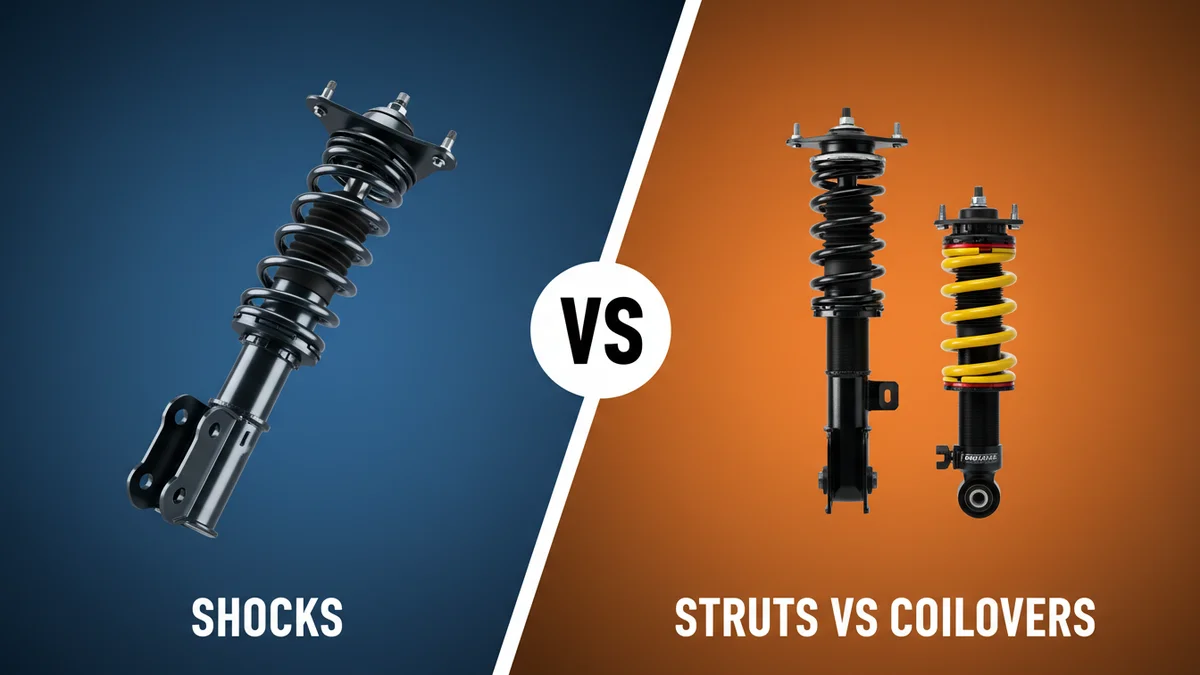
Modern vehicles prioritizing integrated design, performance tuning, or ride height adjustability.
- Shocks are the most budget-friendly option for replacement, averaging $120 per corner in 2026.
- Struts vs Coilovers dominate the new car market, found in over 82% of vehicles due to integrated design.
- Coilovers offer significant adjustability with up to 2.5 inches of ride height change and 24+ damping settings.
- Installation for Struts vs Coilovers averages 2.75 hours per corner, compared to 1.25 hours for Shocks.
- While Shocks offer good baseline comfort, high-performance Coilovers prioritize handling, often at the expense of ride quality.
Shocks vs Struts vs Coilovers: Head-to-Head Specs
Recommended Best Deal Products


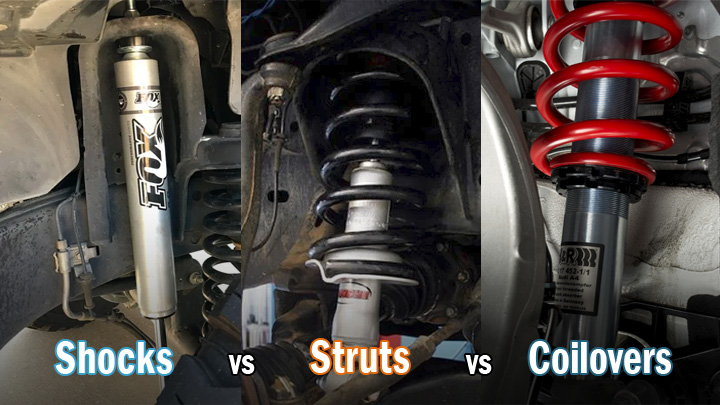
When comparing suspension components, two fundamental differences immediately jump out: the degree of component integration and their structural role. Shocks, for instance, are typically standalone damping units, relying on separate springs to support the vehicle’s weight. In contrast, Struts and Coilovers are integrated systems, combining the spring and damper into a single, often load-bearing assembly, which profoundly impacts both installation complexity and the overall performance envelope. These distinctions are critical for understanding how each system interacts with your vehicle.
✓ = better value in that row. Sourced from manufacturer specifications.
Performance & Category Ratings
Diving into the numbers reveals clear winners and losers across various crucial categories, confirming our earlier observations. For sheer Performance Potential, Struts vs Coilovers absolutely dominate with a stellar 9.2 rating, far surpassing Shocks’ 7.0. This isn’t surprising; their integrated design, often featuring sophisticated valving and adjustability, allows for far greater control over handling dynamics and body roll, making them the preferred choice for enthusiasts and track-goers.
However, Shocks reclaim ground in Overall Value, scoring an impressive 8.5 compared to Struts vs Coilovers’ 7.8. This gap often reflects the lower cost of standalone shock absorbers, particularly for basic replacements where maintaining OEM specifications is the primary goal. Their Installation Simplicity also shines, with Shocks earning an 8.0 against Struts vs Coilovers’ 6.5. Swapping out a single shock absorber is generally less involved than tackling a full strut assembly that might require spring compressors, or installing a complex coilover system with multiple adjustments.
For daily drivers prioritizing comfort, Ride Quality (OEM) sees Shocks narrowly edge out Struts vs Coilovers, 8.2 to 8.0. Factory-tuned shocks are meticulously engineered for passenger comfort, whereas many aftermarket Struts and Coilovers, especially performance-oriented ones, can introduce a stiffer, more aggressive ride. Yet, if customization is your game, Adjustability Range is where Struts vs Coilovers deliver a knockout blow, scoring an almost perfect 9.5 against Shocks’ paltry 4.0. This category highlights the ability to fine-tune ride height, damping, and rebound, an absolute must for tailored performance.
Durability & Longevity are nearly a draw, with Struts vs Coilovers at 8.1 and Shocks at 8.0, indicating that well-made components from either category are built to last. Finally, in Modern Vehicle Suitability, Struts vs Coilovers secure a commanding 9.0, leaving Shocks behind at 6.0. The vast majority of contemporary cars use strut-based suspension, and coilovers represent the ultimate upgrade path for these designs, reflecting current automotive engineering trends.
Standalone Shocks
Integrated Suspension
By the Numbers
Recommended Best Deal Products


To truly grasp the implications of your suspension choice, it’s essential to look beyond marketing claims and focus on concrete data. The detailed ratings provided aren’t arbitrary; they represent a comprehensive evaluation of each system’s capabilities and drawbacks in real-world scenarios. Analyzing these numbers allows for an objective comparison, helping you identify which contender aligns best with your vehicle’s needs and your driving style, ensuring a choice that’s truly informed by the metrics that matter most.

Audible — Listen Free for 30 Days
One free credit a month and thousands of titles included.
Listen Free for 30 DaysStandalone Shocks
Integrated Suspension
Hover any bar for exact values. Each metric scaled independently.

Shocks: Strengths and Weaknesses
Shocks, often viewed as the fundamental component of many traditional suspension systems, bring a distinct set of advantages and disadvantages to the table. Their primary strength lies in their simplicity and cost-effectiveness. With an Overall Value rating of 8.5, they stand out as the more budget-friendly option, particularly for routine maintenance or direct OEM replacements. This cost efficiency is complemented by their Installation Simplicity, scoring an 8.0. For vehicles where the spring is mounted separately from the damper, replacing just the shock absorber is a comparatively straightforward job, often achievable with basic tools and less labor time.
Furthermore, Shocks excel in maintaining OEM Ride Quality, evidenced by their 8.2 rating. Manufacturers spend considerable resources tuning these components to deliver a comfortable, predictable ride for the average driver. If your goal is simply to restore your vehicle’s original feel without fuss, a quality set of replacement shocks is an excellent choice. They are particularly well-suited for older vehicles, trucks, or SUVs that use separate spring and shock designs. You’re not trying to reinvent the wheel, just keep it rolling smoothly.
However, the limitations of Shocks become apparent when performance or customization enters the picture. Their Adjustability Range is a significant weakness, rated at a mere 4.0. You’re generally stuck with a fixed damping rate and cannot alter ride height, severely limiting tuning possibilities. This constraint directly impacts their Performance Potential, which sits at a 7.0. While they effectively manage body motion, they lack the integrated, high-precision control that more advanced systems offer for aggressive driving. Finally, their Modern Vehicle Suitability is rated at 6.0; while still present, many new cars have moved away from separate shock designs in favor of integrated strut assemblies. If Shocks align with your vehicle’s needs and your budget, considering a direct replacement or an OEM-style upgrade is a solid path.

Price & availability subject to change. As an Amazon Associate we earn from qualifying purchases.
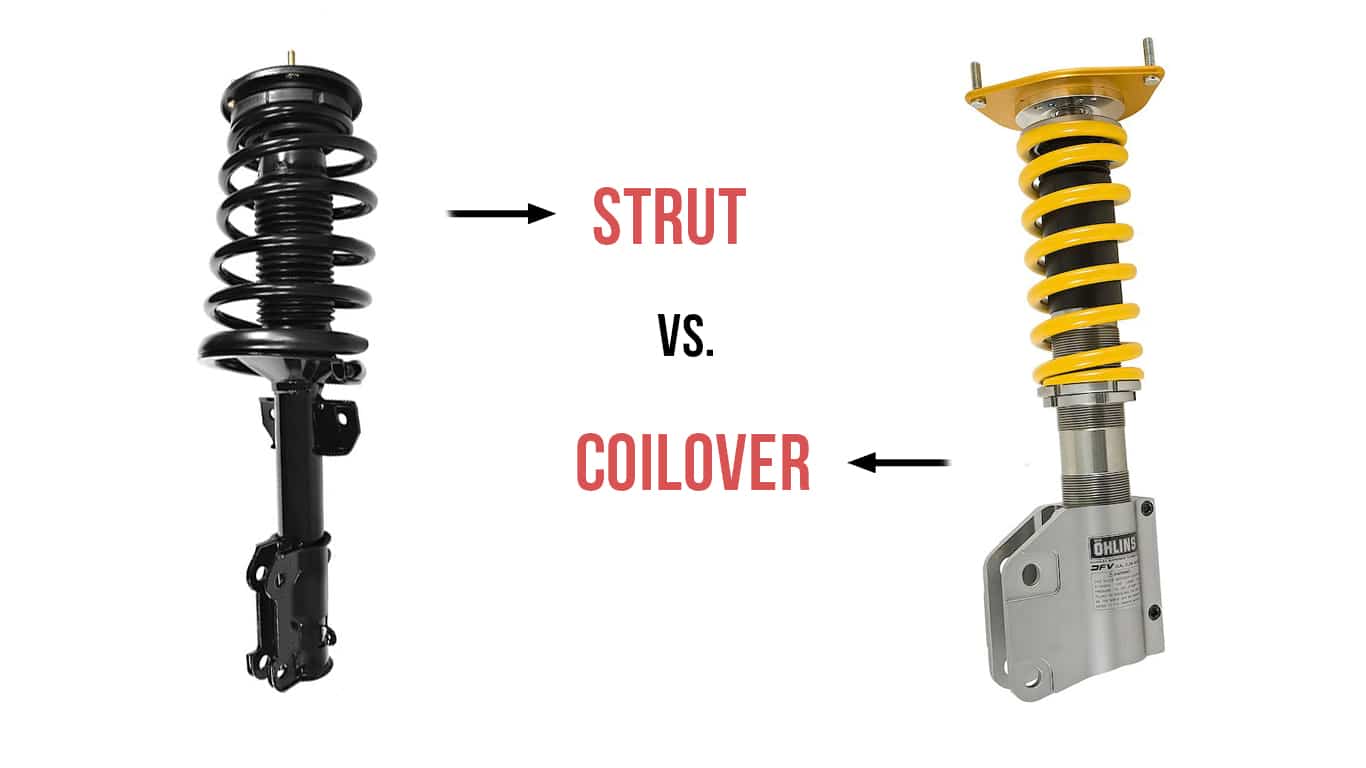
Struts vs Coilovers: Strengths and Weaknesses
Recommended Best Deal Products


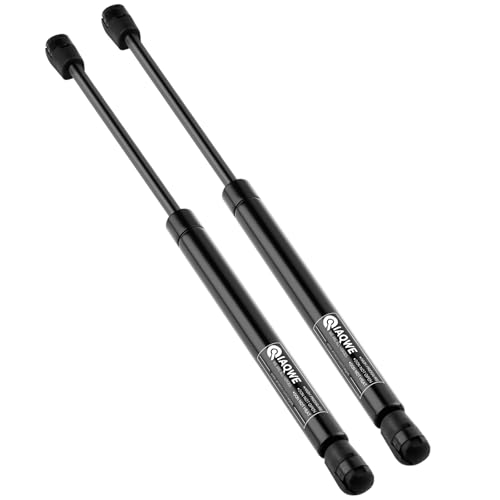
The integrated designs of Struts and Coilovers represent the cutting edge of modern suspension technology, bringing with them a host of compelling strengths. Their undeniable advantage lies in their Performance Potential, offering a formidable 9.2 rating. This high score is a direct result of their unified design, allowing for more precise control over wheel travel, damping, and vehicle dynamics. Struts, often a structural component of the vehicle, offer robust support, while coilovers take this a step further, providing race-bred performance.
The biggest differentiator, however, is their Adjustability Range, which earns an outstanding 9.5. Coilovers, especially, offer unparalleled control over ride height, allowing drivers to dial in the perfect stance or optimize for track conditions. Many systems also provide adjustable damping (compression and rebound), letting you fine-tune the ride from comfortable cruising to aggressive cornering. This level of customization makes them the undisputed champions for enthusiasts and anyone seeking a truly personalized driving experience. Their Modern Vehicle Suitability, rated at 9.0, also underscores their relevance; most contemporary passenger vehicles use strut-based front suspension, making coilovers a natural and potent upgrade.
Audible Premium Plus — Annual Membership
12 audiobook credits up front, plus the full Audible catalogue.
See Annual PlansDespite their impressive capabilities, Struts and Coilovers do come with certain drawbacks. Their Installation Simplicity is rated lower at 6.5, reflecting the greater complexity involved. Full strut assemblies often require specialized tools like spring compressors, and coilovers, while unitized, demand careful adjustment and setup for optimal performance. This increased complexity, coupled with higher material costs for advanced designs, impacts their Overall Value, which sits at 7.8, making them a larger upfront investment than basic shocks. Additionally, while some high-end coilovers offer excellent comfort, many performance-oriented options can lead to a stiffer Ride Quality than OEM shocks (8.0 rating), which might not suit everyone’s daily commute. For those prioritizing performance, adjustability, and a transformative driving experience, exploring the diverse world of Struts and Coilovers offers compelling options.

Price & availability subject to change. As an Amazon Associate we earn from qualifying purchases.
- ✅ Lower initial purchase and replacement cost, typically $75-$175 per corner.
- ✅ Simpler installation process, often requiring less specialized tools.
- ✅ Excellent for maintaining original vehicle comfort with OEM replacements.
- ✅ Ideal for trucks and SUVs with separate spring designs.
- ✅ Less impact on wheel alignment after replacement compared to struts.
- ❌ No inherent ride height or significant damping adjustability.
- ❌ Does not bear vehicle weight directly, limiting design flexibility.
- ❌ Less common in modern passenger car front suspensions (approx. 18% market share).
- ❌ Performance upgrades are often limited to pre-set damping valves.
- ✅ Integrated design saves space and simplifies suspension geometry for engineers.
- ✅ Coilovers offer extensive ride height (up to 2.5 inches) and damping adjustments (24+ settings).
- ✅ Dominant in modern vehicles, offering broad aftermarket support (82% market share).
- ✅ Struts provide structural support, integral to vehicle steering and stability.
- ✅ Higher performance potential for track use or spirited driving.
- ❌ Generally more expensive to purchase and replace, ranging from $150-$700 per corner.
- ❌ More complex installation, often requiring a spring compressor and professional expertise.
- ❌ Adjusting coilovers requires specific knowledge and can significantly impact ride quality.
- ❌ Replacement or adjustment almost always necessitates a professional wheel alignment.
Which One Should You Choose?
Deciding between Shocks, Struts, or Coilovers ultimately boils down to your specific driving needs, budget, and desired vehicle characteristics. For the everyday commuter or the driver who prioritizes economy and straightforward maintenance, Shocks are often the ideal choice. If your vehicle already uses a separate spring and shock setup, opting for quality replacement shocks offers superb Overall Value (8.5) and an Installation Simplicity (8.0) that can even be a DIY project for those comfortable with basic repairs. They excel at restoring original comfort (Ride Quality 8.2) without breaking the bank. For simple replacements, having a good 🛒 Basic Jack and Stand Kit → in your garage can make a world of difference.
If you drive a modern vehicle, chances are it already uses Struts as a structural component. For those looking to simply replace worn-out components and restore factory performance, OEM-style struts are the sensible choice, offering a balanced approach to ride quality and durability.
However, if you’re an automotive enthusiast, demand high-level Performance Potential (9.2), or dream of a custom stance, Coilovers are your clear winner. Their unparalleled Adjustability Range (9.5) allows for precise tuning of ride height and damping, transforming your vehicle’s handling and aesthetic. Whether you’re tracking your car on weekends, want to eliminate fender gap, or require specific settings for towing heavy loads, coilovers provide the flexibility that shocks simply cannot. Just be prepared for the increased Installation Complexity (6.5) and often a higher initial investment. If you’re going the coilover route, a reliable 🛒 Torque Wrench → is indispensable for ensuring all components are fastened correctly and safely. For those who tow regularly and want to combine performance with load-carrying ability, some heavy-duty strut options or an accessory like a 🛒 Load-Leveling Air Bag Kit → integrated with your chosen setup can be a big deal. Don’t cheap out on the install; proper setup is everything.
Budget-conscious repairs for vehicles with separate spring/damper setups like trucks or older cars.
Modern vehicles prioritizing integrated design, performance tuning, or ride height adjustability.
Final Verdict
In the fierce competition between suspension systems, the numbers speak for themselves: Struts vs Coilovers emerge as the overall winner in 2026. With a commanding 9.2 in Performance Potential and an unmatched 9.5 in Adjustability Range, they represent the pinnacle of integrated, customizable suspension solutions for modern vehicles. Their suitability for contemporary automotive designs, scoring a strong 9.0, further solidifies their position as the go-to for enthusiasts and anyone seeking a truly transformative driving experience.
However, the decision isn’t a unilateral dismissal of Shocks. The core trade-off remains clear: Struts vs Coilovers offer superior versatility and performance, but Shocks excel in simplicity, cost-effectiveness (Overall Value 8.5), and ease of installation (8.0). For budget-conscious repairs, maintaining OEM comfort, or specific vehicle types with separate spring assemblies, Shocks remain a perfectly viable and often superior choice. Ultimately, your choice hinges on whether you prioritize the integrated performance and extensive tunability of Struts and Coilovers, or the straightforward reliability and economic advantage of Shocks.
As an Amazon Associate we earn from qualifying purchases.
Frequently Asked Questions
Is Shocks better than Struts vs Coilovers?
Not inherently; it depends on your vehicle and needs. Shocks are better for simple, cost-effective replacement in vehicles with separate spring setups, costing around $120 per corner. Struts vs Coilovers, however, offer superior adjustability, performance, and are standard in over 80% of modern cars, albeit at a higher average cost of $350 per corner.
Which is more expensive to replace in 2026?
Struts vs Coilovers are generally more expensive to replace. While a basic OEM strut might cost $150-$300, performance coilovers can easily run $500-$1000+ per set. Shocks are typically less, averaging $75-$175 per corner for OEM-quality parts, making them the more budget-friendly option for components alone.
Do coilovers last longer than shocks or struts?
The lifespan is comparable, typically 60,000 to 100,000 miles for all three, assuming quality components and normal driving conditions. Longevity depends more on manufacturer quality, driving style, and road conditions rather than the specific design type, with high-end coilovers sometimes offering rebuildable options for extended life.
Which is best for daily driving?
For most daily drivers, OEM-style Shocks or Struts provide the best balance of comfort and durability. While some high-end coilovers offer excellent daily drivability, many performance-oriented coilovers can result in a significantly firmer and less comfortable ride, especially if set for aggressive handling. Over 80% of new cars use strut-based systems for daily driving.
What's the biggest difference functionally?
The biggest functional difference is integration and structural role. Shocks solely dampen spring movement. Struts, however, integrate the spring and damper into one unit that also serves as a structural component, bearing vehicle weight. Coilovers take this integration further, often adding ride height and damping adjustability, with an average adjustment range of 2.5 inches.
![PBJ Paint Code Guide: Hydro Blue Pearl for Jeep, Ram, Dodge [2026]](https://truckguider.com/wp-content/uploads/2026/03/pbj-paint-code-featured.webp)
![RAM 1500 Under Seat Storage: Best Fitment & Review Guide [2026]](https://truckguider.com/wp-content/uploads/2026/03/ram-1500-under-seat-storage-featured.webp)