
Steering Shaft Replacement Cost: 2024 Pricing & Labor Guide [2026]

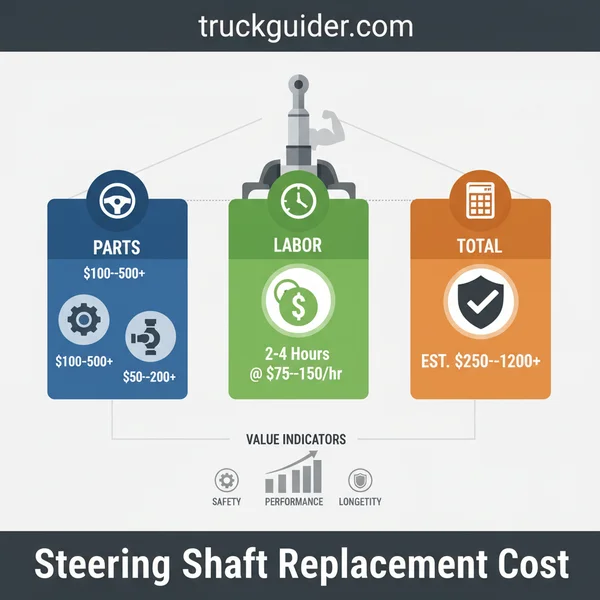
A typical steering shaft replacement costs between $200 and $900, with most drivers paying around $450 for a standard sedan. This total includes $100 to $400 for the part itself and roughly $100 to $500 in professional labor fees.
🎯 Key Takeaways
- Average replacement costs range from $200 to $900 including parts and labor.
- Intermediate steering shafts are the most frequently replaced component in the assembly.
- Labor usually accounts for 1 to 3 hours of professional shop time.
- Luxury vehicles and heavy-duty trucks often face significantly higher part costs.
- Common symptoms like clunking or binding indicate urgent replacement is necessary for safety.
You can expect to pay between $200 and $900 for a professional steering shaft replacement in 2024. Most drivers find the sweet spot for this repair falls right around $450 for a standard passenger vehicle. This total is split between the cost of the replacement part, which typically ranges from $100 to $400, and the professional labor required to install it, which adds another $100 to $500 to your final bill.
Getting this fixed as soon as you notice symptoms like “clunking” sounds while turning or stiff spots in the steering wheel is vital. The steering shaft is the mechanical link between your hands and the tires. When the universal joints (U-joints) within the shaft wear out or seize, your ability to navigate safely is compromised. Understanding the specific cost drivers helps you avoid overpaying at the shop and ensures you choose the right replacement parts for your vehicle’s needs.
Breakdown of Steering Shaft Replacement Costs: Parts vs. Labor
When you receive a quote from a mechanic, the bill is divided into two primary categories. In the case of a steering shaft, the labor often matches or exceeds the cost of the metal part itself because of the awkward positioning of the shaft within the engine bay and cabin.
The Cost of the Shaft Itself
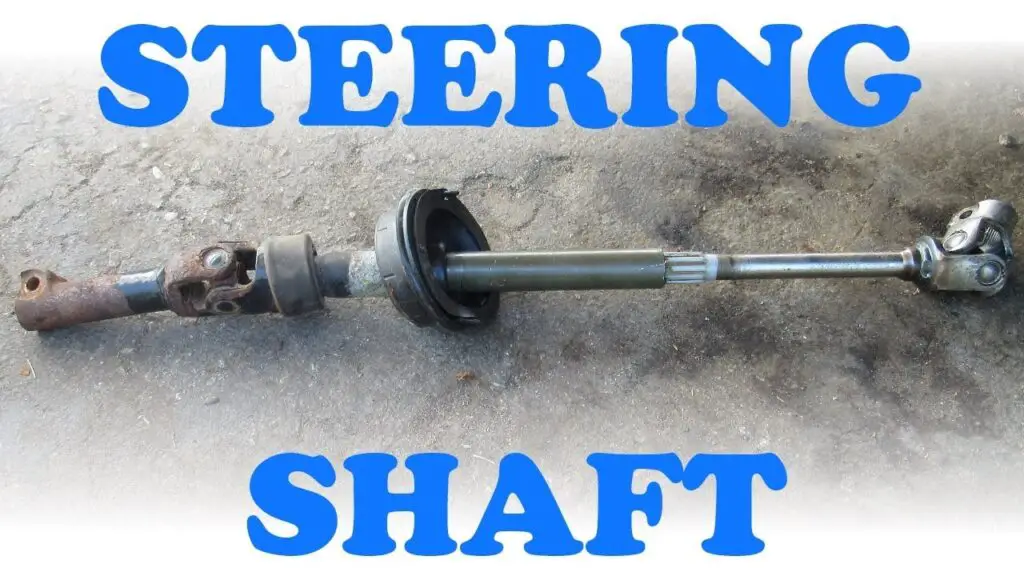
The steering shaft is a durable steel component, but its price fluctuates based on the brand and whether you choose Original Equipment Manufacturer (OEM) or aftermarket parts. OEM parts, which come directly from your car’s manufacturer, usually sit at the higher end of the $100 to $400 range. Aftermarket options from reputable brands like Dorman or Moog often provide a more budget-friendly alternative without sacrificing structural integrity.
- Economy Aftermarket Shafts: $80 – $150
- Standard OEM Replacement Shafts: $200 – $350
- Heavy-Duty or Performance Shafts: $400+
Labor Rates and Estimated Time
Most mechanics can complete a steering shaft replacement in 1 to 3 hours. However, the hourly rate for labor varies significantly by region and the type of facility you visit. Independent shops typically charge between $90 and $130 per hour, while dealership service centers often charge $150 to $200 per hour. If your vehicle has a complex firewall or requires the removal of significant dashboard components to reach the upper shaft, expect to pay for the full three hours of labor.
- Simple access (Trucks/SUVs): 1.0 – 1.5 hours
- Complex access (Crossover/Sedans): 2.0 – 3.0 hours
- Average Labor Total: $150 – $450
From Start to Finish: Steering Shaft Replacement Cost Explained
Replacing a steering shaft—specifically the intermediate steering shaft—is a critical maintenance task that restores the precision and safety of your vehicle’s handling. This guide covers everything from the initial diagnostic phase to the final alignment, explaining the costs associated with parts, labor, and the specialized tools required for a successful installation. Whether you are budgeting for a professional mechanic or planning a weekend DIY project, understanding these steps will help you navigate the expenses and technical requirements of this essential repair.
Step 1: Diagnosing the Steering Shaft Failure
What you need: A bright flashlight, a second person to assist, and a quiet environment.
Instructions: Before spending money on parts, you must confirm the shaft is the culprit. Have an assistant sit in the driver’s seat and oscillate the steering wheel back and forth rapidly while the vehicle is parked. From under the dashboard and then under the hood, use your flashlight to inspect the universal joints (U-joints) on the steering shaft. Look for excessive play, “binding” during rotation, or visible rust weeping from the needle bearings. Listen for a distinct “clunking” or “popping” sound. A professional diagnostic fee usually ranges from $80 to $150, which is often credited toward the repair if you choose to have the shop perform the work.
Pro Tip: Do not mistake a failing steering rack or worn tie rod ends for a steering shaft issue. A failing shaft usually presents as a clunk felt directly in the steering wheel, rather than through the floorboards.
Step 2: Researching and Sourcing Component Costs
What you need: Your Vehicle Identification Number (VIN) and access to online parts wholesalers or local dealerships.
Instructions: Steering shaft prices vary wildly depending on the vehicle make and model. For a standard domestic sedan, an aftermarket intermediate shaft might cost between $120 and $250. However, for a heavy-duty truck or a luxury European vehicle, OEM (Original Equipment Manufacturer) parts can easily exceed $500. Use your VIN to ensure the splines and bolt patterns match perfectly. If you are buying aftermarket, brands like Dorman are common, but check reviews for “play” issues. Budget an additional $20 for new high-grade pinch bolts, as these are often “one-time use” fasteners that should be replaced for safety.
Pro Tip: Check for active recalls or technical service bulletins (TSBs) for your vehicle before buying; some manufacturers have extended warranties for specific steering components due to known defects.
Step 3: Calculating Labor Hours and Shop Rates
What you need: A phone to call local shops and a clear understanding of your local hourly labor rates.
Instructions: If you aren’t doing the work yourself, labor will be your biggest variable. Most flat-rate manuals quote between 1.5 and 3 hours for a steering shaft replacement. In rural areas, shop rates might be $90/hour, while urban dealerships can charge $200/hour or more. This means labor costs can range from $135 to $600. Ask the shop if they allow “customer-provided parts.” While some do, many refuse because they cannot warranty the labor if the part fails. Expect to pay a markup on parts if the shop sources them, but this usually includes a 12-month/12,000-mile warranty on both the part and the labor.
Pro Tip: Always ask for a written estimate that includes the “shop supplies” fee, which can stealthily add 5-10% to your total bill for things like cleaners and lubricants.
Step 4: Securing the Steering Wheel and Airbag Safety
What you need: A steering wheel lock tool or a heavy-duty bungee cord, and the vehicle’s ignition key.
Instructions: This is the most critical safety step. When the steering shaft is disconnected, the steering wheel can spin freely. If the wheel spins too far, it will snap the “clock spring” inside the steering column, which controls the airbag and horn. This is a $300 to $500 mistake. Center the wheels and lock the steering wheel in place using a dedicated tool or by looping a bungee cord through the wheel and attaching it to the seat frame. Disconnect the negative battery terminal and wait at least 15 minutes to discharge the airbag system’s capacitors before working near the column.
Pro Tip: Use a paint pen to mark the exact orientation of the steering wheel relative to the dashboard before locking it, providing a visual reference for reassembly.
Step 5: Removing the Interior Pinch Bolt
What you need: A socket set (usually 10mm to 13mm), an extension bar, and a torque wrench.
Instructions: Locate the point where the steering shaft meets the steering column, usually found just above the brake pedal. There is a “pinch bolt” that holds the splined shaft in place. You must remove this bolt entirely, not just loosen it, because the shaft usually has a recessed groove that the bolt passes through as a secondary safety measure. This can be a cramped workspace, so removing the lower dash plastic panel may be necessary. If the bolt is stuck, use a small amount of penetrating oil, but be careful not to get it on the carpet or rubber pedal pads.
Pro Tip: If the shaft won’t slide off the splines after the bolt is removed, gently tap a flat-head screwdriver into the “slit” of the knuckle to slightly spread the metal and release the grip.
Step 6: Disconnecting the Exterior Rack Connection
What you need: Long extensions, a swivel joint (U-joint) for your socket, and penetrating oil (e.g., PB Blaster or WD-40 Specialist).
Instructions: This connection is located in the engine bay where the shaft meets the steering rack. Because this area is exposed to road salt and moisture, the pinch bolt here is often rusted. Spray the bolt with penetrating oil at least 30 minutes before attempting removal. Access can be difficult; you may need to reach through the wheel well after removing the front driver-side tire. Once the bolt is removed, use a pry bar to slide the shaft off the steering rack input shaft. Be careful not to damage the seals on the steering rack itself, as a rack replacement costs significantly more than a shaft.
Pro Tip: If the bolt head rounds off due to rust, use an “extractor socket” or “bolt biter” rather than standard pliers to avoid further damaging the hardware.
Step 7: Installing and Indexing the New Shaft
What you need: The new steering shaft, new pinch bolts, and a torque wrench.
Instructions: Slide the new shaft onto the steering rack splines first, then onto the steering column splines. Most shafts are “keyed” (they only fit one way) or have a flat spot to ensure proper alignment. If the steering wheel was locked properly, the splines should line up perfectly. Insert the new pinch bolts by hand to ensure they aren’t cross-threaded. Use your torque wrench to tighten the bolts to the manufacturer’s specific torque—usually between 22 and 35 ft-lbs. Under-tightening can lead to steering play, while over-tightening can snap the bolt or strip the threads in the knuckle.
Pro Tip: Apply a small amount of blue thread locker (Loctite 242) to the pinch bolt threads to ensure they do not vibrate loose over time.
Step 8: Final Testing and Alignment Considerations
What you need: A safe, empty parking lot and a scheduled appointment at an alignment shop.
Instructions: Reconnect the battery. Start the vehicle and turn the wheel from lock to lock several times while stationary to check for noises or binding. Take a slow test drive. Even if the steering wheel looks straight, replacing the shaft can slightly alter the steering geometry. A professional four-wheel alignment costs between $80 and $150 and is highly recommended to prevent uneven tire wear and ensure the steering angle sensor (on modern cars) is properly calibrated. Factor this cost into your total project budget from the beginning to avoid surprises.
Pro Tip: If your car has Electronic Stability Control (ESC), a professional alignment is mandatory because the computer needs to know exactly where “center” is to function correctly during a skid.
✅ Final Checklist
- Verify that the steering wheel was locked during the entire process to protect the clock spring.
- Ensure both the interior and exterior pinch bolts have been replaced and torqued to spec.
- Check that there is no rubbing between the new shaft and any heat shields or brake lines in the engine bay.
- Confirm that the steering wheel returns to center naturally after making a turn during the test drive.
- Verify that no “Airbag” or “ESC” warning lights are illuminated on the dashboard.
Important Notes:
- Safety Warning: Steering is a safety-critical system. If you are not confident in your ability to properly torque fasteners or handle airbag systems, seek professional help immediately.
- When to Seek Help: If the pinch bolts are so rusted that they require a torch for removal, or if the steering rack input shaft is damaged/pitted, professional intervention is necessary.
- Estimated Total Cost: DIY: $150–$350 | Professional Shop: $450–$950 (Prices include parts, labor, and alignment).
- Estimated Time: 2 to 4 hours for a DIYer; 1.5 to 2 hours for a professional technician.
Key Factors That Influence Your Total Repair Bill
Not all steering shafts are created equal. The final price you see on your invoice is heavily influenced by the specific design of your vehicle and which section of the steering assembly has reached the end of its lifespan.
Vehicle Make and Model Impact
The type of car you drive is the biggest variable in part pricing. Owners of domestic trucks, such as the Ford F-150 or Chevrolet Silverado, benefit from a massive aftermarket supply chain. Because these vehicles frequently experience steering shaft wear, parts are plentiful and relatively affordable. Conversely, luxury European brands like BMW or Mercedes-Benz use proprietary shafts with integrated sensors or specialized dampening systems. For these vehicles, the part alone can easily exceed $500, and the labor is more intensive due to tighter engine bay tolerances.
Which Shaft is Being Replaced?
Most modern vehicles use a multi-piece steering column assembly. The “intermediate shaft” is the most common part to fail because it contains the U-joints that are exposed to the most heat and friction. If you only need an intermediate shaft, your costs will stay near the lower end of the spectrum. However, if the upper steering shaft (located closer to the steering wheel) or the lower steering shaft (connecting to the rack and pinion) is damaged, the labor becomes much more expensive. These components often require the mechanic to disassemble the steering column or drop the subframe, significantly increasing the time spent on the clock.
- Intermediate Shaft: Most common, mid-range pricing.
- Lower Shaft: Highest risk of corrosion, moderate labor difficulty.
- Upper Shaft: Protected from the elements but requires significant interior disassembly.
Identifying Symptoms: When a Replacement Becomes Mandatory
Before you commit to the cost of a new steering shaft, you need to be certain that the shaft is actually the culprit. Because this component links your steering wheel directly to the rack and pinion, any failure isn’t just a nuisance—it’s a critical safety hazard. Usually, the universal joints (U-joints) on the shaft are the first things to go, leading to distinct physical and auditory “red flags.”
The Warning Sounds of a Failing Shaft
One of the most common signs of a worn intermediate steering shaft is a clunking, popping, or clicking noise when you turn the wheel. This usually happens at low speeds, such as when pulling into a parking spot or navigating a driveway. If the U-joint has developed “play” or lost its lubrication, the metal-on-metal contact creates a rhythmic tapping that you can often feel through the floorboards.
- Rhythmic Popping: A consistent “pop” every time the wheel reaches a certain angle.
- Grinding Sensations: A “crunchy” feeling when executing wide turns, indicating the bearings inside the joint have disintegrated.
- Squeaking: Often mistaken for a power steering pump issue, a dry steering shaft joint can emit a high-pitched localized squeak.
Physical Feedback and Steering Resistance
If your steering feels “lumpy”—meaning it is easy to turn for a quarter-turn, then suddenly becomes stiff—your steering shaft is likely binding. This “binding” occurs when the needle bearings inside the shaft’s joints seize up. In some cases, the steering wheel may even fail to return to the center position automatically after a turn, forcing you to manually pull it back. This is a mandatory replacement scenario, as a total seizure could prevent you from steering the vehicle entirely.
Professional Repair vs. DIY: Cost and Safety Comparisons
When looking at the 2024 pricing for steering shaft replacement, the “labor” portion of the bill is often the most significant variable. Deciding whether to tackle this yourself or head to a certified mechanic depends on your comfort level with safety-critical systems and your available toolset.
The Financial Breakdown
If you choose the professional route, you are paying for more than just a wrench-turn; you are paying for the peace of mind that your steering column is correctly indexed. A shop will typically charge 1.5 to 3 hours of labor, which at current rates ($100–$200/hour) adds $150 to $600 to the part’s price. Conversely, a DIYer only pays for the part (usually $100–$300) and perhaps a few cans of penetrating oil to loosen rusted bolts. However, if your vehicle requires the removal of the dashboard or specialized airbag handling, the “savings” of a DIY job can quickly be overshadowed by the risk of damaging expensive electronics.
Evaluating the Safety Risks
Steering is considered a “mission-critical” system. Unlike a broken radio or a faulty window motor, a mistake here can lead to a total loss of vehicle control. Professional technicians follow specific torque specifications and ensure the clock spring (the electrical connector behind your airbag) isn’t snapped during the process—a common and expensive mistake for DIY beginners.
- The “Rust Factor”: In northern climates, the bolts holding the shaft are often seized. Professionals have torches and induction heaters to manage this without damaging surrounding components.
- Alignment Concerns: While a shaft replacement doesn’t always require a wheel alignment, a professional can verify that your steering wheel is perfectly centered, preventing “crooked wheel” syndrome.
- Warranty Protection: Most shops provide a 12-month/12,000-mile warranty on both parts and labor, which you won’t get if you perform the swap in your driveway.
Conclusion
Replacing a steering shaft is an essential investment in your vehicle’s safety and drivability. While the average cost in 2024 ranges between $250 and $900, the price is a small trade-off for restoring precise control and eliminating those unsettling clunks and pops. Ignoring the symptoms of a binding shaft doesn’t just make driving unpleasant; it puts you at risk of a mechanical failure that could lead to an accident.
If you have noticed stiffness or strange noises while turning, your next step should be a visual inspection of the steering column U-joints. Look for signs of rust bleeding or excessive play. If you aren’t 100% confident in handling steering components, reach out to a trusted local mechanic for a diagnostic quote today. Keeping your steering sharp is the best way to ensure your car stays on the road—and under your control—for years to come.
❓ Frequently Asked Questions
Why does the labor cost vary so much for this repair?
Labor costs fluctuate based on the accessibility of the shaft within the engine bay. Some vehicles require removing several components to reach the intermediate shaft, increasing the billable hours.
What is the price difference between OEM and aftermarket steering shafts?
OEM shafts from the dealership offer guaranteed fitment but can cost $300 to $600, while high-quality aftermarket options often range from $100 to $250.
Can I just replace the U-joint on the steering shaft to save money?
Most modern steering shafts are sold as a sealed, complete unit. Attempting to replace just the universal joint is often impossible and could compromise the integrity of the steering system.
Do luxury cars cost significantly more to repair?
Yes, luxury brands like BMW or Mercedes often use specialized steering assemblies that can push part prices above $500 and require more intensive labor.
What happens if I ignore a failing steering shaft?
Ignoring the issue can lead to the universal joint binding or snapping entirely, resulting in an immediate and catastrophic loss of steering ability while driving.
How do I know if the intermediate shaft specifically is the problem?
If you feel ‘notches’ or resistance at specific points while turning the wheel, it typically points to a worn needle bearing in the intermediate shaft’s U-joint.
![2016 Ram 2500 Turbo Actuator: Guide to Costs: Complete Guide [2026]](https://truckguider.com/wp-content/uploads/2026/03/2016-ram-2500-turbo-actuator-featured.webp)
![P0868 Dodge Ram: Diagnosing [2026]](https://truckguider.com/wp-content/uploads/2026/03/featured-b82471b7-768x419.webp)
![Dodge U110C Code: Lost Communication with Fuel Level Sensor [2026]](https://truckguider.com/wp-content/uploads/2026/03/u110c-code-dodge-featured.webp)
![2019 Ram 1500 Reliability [2026]](https://truckguider.com/wp-content/uploads/2026/03/featured-4dc19a40.webp)
![RAM 2500 Rear Suspension: Specs & Fitment Guide [2026]](https://truckguider.com/wp-content/uploads/2026/03/ram-2500-rear-suspension-featured.webp)