1997 Dodge Ram 1500 V8 Magnum Specs 2026 Quick Reference

Quick Answer
The 1997 Dodge Ram 1500 V8 Magnum utilized the 5.2L (318 ci) and 5.9L (360 ci) engines, producing 230 hp and 245 hp respectively. Towing capacity ranges from 6,000 to 8,800 lbs depending on axle ratio, transmission, and cab configuration. Always verify specific payload and towing limits via the vehicle’s door jamb sticker and the official owner’s manual.
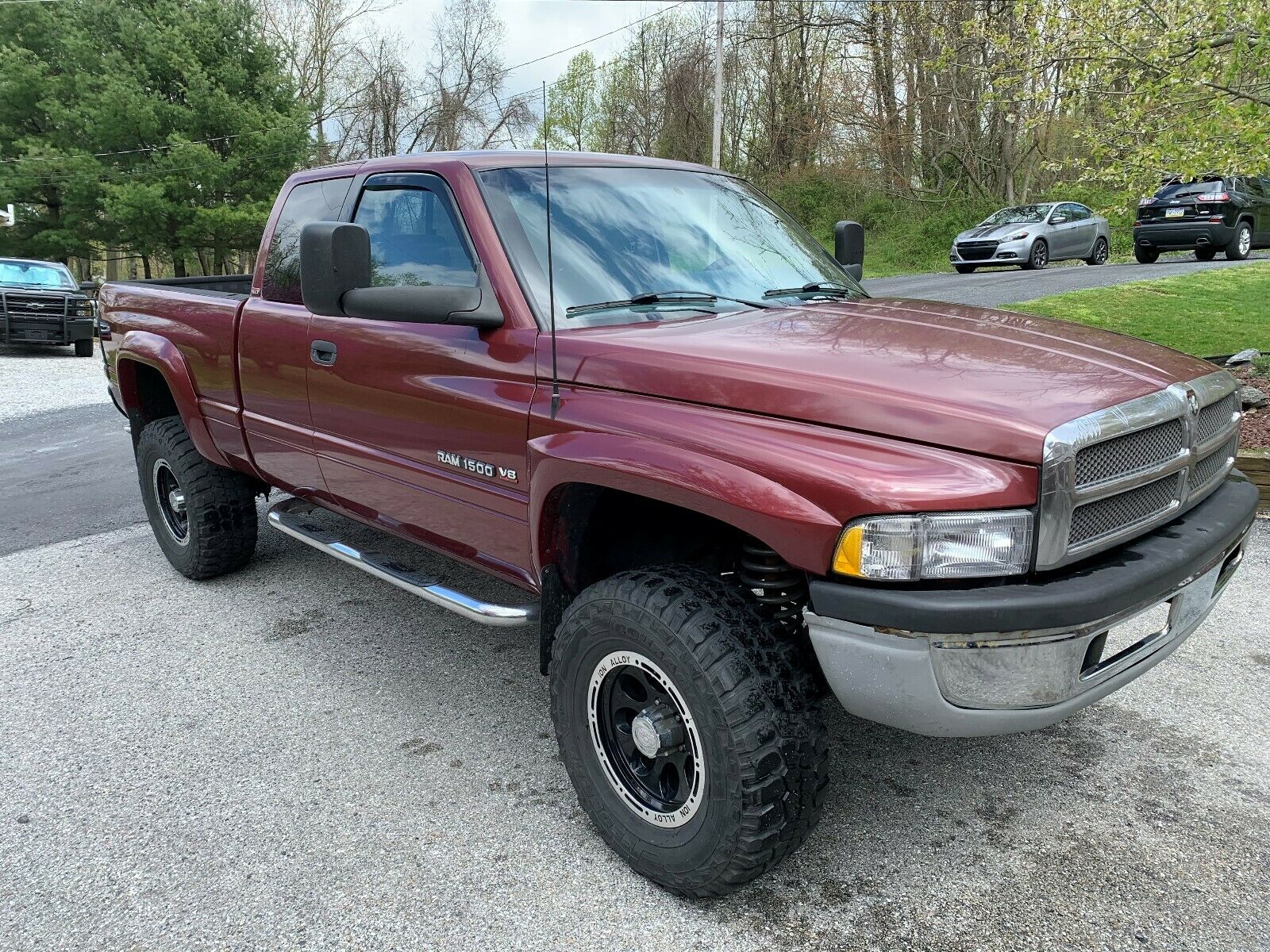
The 1997 Dodge Ram 1500 remains a cornerstone of the 2nd Generation “Big Rig” era, prized for its reliable Magnum V8 powerplants and rugged utility. Finding accurate factory specifications for a vehicle approaching its 30th year can be difficult, as many sources conflate older LA-series engine parts with the refined 1997 Magnum architecture. This guide serves as the definitive reference for 1997 Dodge Ram 1500 V8 Magnum specs, covering everything from engine displacement to towing capacity and system-specific maintenance requirements.

Prime for Young Adults — 6 Months Free
Students and 18–24s get six months of Prime free, then half price.
Start 6 Months FreeThis reference covers 1997 Dodge Ram 1500 models equipped with Magnum V8 engines. Data is based on period-accurate factory service manuals. As vehicle modifications are common, users should always cross-reference their specific VIN with the original factory door-jamb sticker and build sheet. Last reviewed: August 2026.

1997 Dodge Ram 1500 V8 Magnum Specs: Official Data Chart
Recommended Best Deal Products


| Engine / Trim | Horsepower | Torque (lb-ft) | Transmission | Notes |
|---|---|---|---|---|
| 5.2L Magnum V8 | 230 hp @ 4400 rpm | 300 lb-ft @ 3200 rpm | 46RE / NV3500 | Standard V8 |
| 5.9L Magnum V8 | 245 hp @ 4000 rpm | 335 lb-ft @ 3200 rpm | 46RE / NV3500 | Heavy-Duty Opt. |
Engine Displacement and Compression Ratios
The Magnum engines utilized in 1997 were refined versions of the long-standing Chrysler small-block architecture. Both the 5.2L (318 cubic inch) and 5.9L (360 cubic inch) featured a 9.1:1 compression ratio, designed to run on 87-octane unleaded fuel. These engines utilized sequential multiport fuel injection (SMPI), marking the final refinement phase before the transition to modern emissions standards.
Drivetrain and Transmission Specifications
The 1997 Ram 1500 employed the 46RE 4-speed automatic transmission for most V8 applications. Unlike its predecessors, the “E” suffix indicates electronic governor control, which integrated with the Powertrain Control Module (PCM). For manual transmission enthusiasts, the NV3500 5-speed was the standard pairing, offering durability for light-duty towing but requiring strict adherence to manual-specific oil grades.
Payload and Towing Capacity Factors
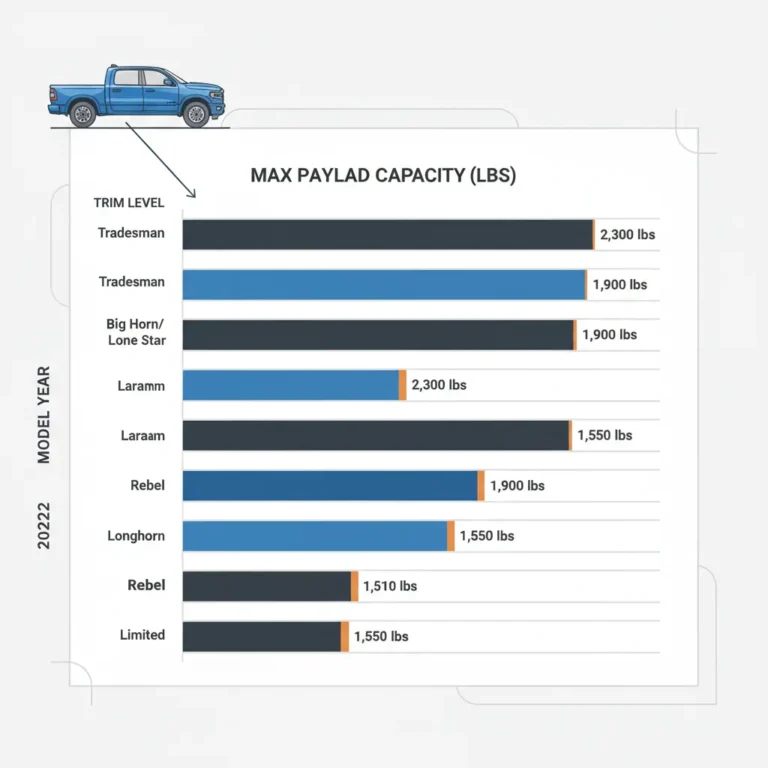
Towing capacity is highly variable. A short-bed, regular-cab 2WD truck with a 3.55 axle ratio will have a vastly different GCWR (Gross Combined Weight Rating) than a Quad Cab 4WD with a 3.92 axle ratio. Always reference the factory towing guide for your specific axle/gear configuration to avoid drivetrain strain.
Differentiating 1997 Dodge Ram 1500 V8 Magnum Engine Options
Comparing the 5.2L Magnum and 5.9L Magnum Torque Output
While the 5.2L is an exceptionally durable engine, the 5.9L Magnum is the preferred choice for heavy-duty hauling. The 5.9L delivers an additional 35 lb-ft of torque, which is immediately noticeable when accelerating from a dead stop while towing. Both engines prioritize low-end grunt over high-RPM horsepower, consistent with the truck’s intended role as a work vehicle.
Magnum vs. Older Chrysler LA Engine Architecture
A common point of confusion is the relationship between the “Magnum” and the older “LA” series engines. While they share the same basic mounting points and bellhousing patterns, the Magnum series features significantly improved cylinder head flow, a serpentine belt drive system, and a modernized intake manifold. Do not attempt to use older LA-style intake manifolds or heads on a Magnum block without significant custom fabrication.
Why Magnum V8 Engines Are Not Interference Designs
The Magnum engines are non-interference designs. This means that if a timing chain were to fail, the pistons would not strike the valves, potentially preventing catastrophic engine damage. This durability feature, combined with the proven pushrod valvetrain, contributes to the Magnum’s reputation for longevity under high-mileage conditions.
Essential Maintenance for 1997 Dodge Ram 1500 V8 Magnum Specs
Recommended Best Deal Products


📋
Maintenance Steps
The 46RE transmission is heat-sensitive. If you tow near the max GVWR, installing an auxiliary transmission fluid cooler is mandatory to prevent premature solenoid failure and fluid breakdown.

Audible — Listen Free for 30 Days
One free credit a month and thousands of titles included.
Listen Free for 30 Days1997 was the era of standardized OBD-II. Use a standard scan tool to pull diagnostic trouble codes (DTCs) from the port located under the dashboard to identify sensor failures accurately.
Cooling System Maintenance for Daily Duty
The cooling system capacity for the 5.2L/5.9L V8 is approximately 14-16 quarts. A failure to flush the cooling system every 30,000 miles can lead to “sludge” buildup in the heater core and radiator, which is a common complaint in high-mileage Magnum engines. Always use high-quality coolant compatible with the iron block/aluminum head material composition.
1997 Dodge Ram 1500 V8 Magnum Specs Compared to Competitors
Recommended Best Deal Products


Ram 1500 Solid Front Axle vs. F-150 Independent Suspension
The 1997 Dodge Ram 1500 featured a solid front axle on 4WD models, which provided superior off-road durability and ground clearance compared to the independent front suspension (IFS) introduced by Ford in the 1997 F-150 redesign. This choice made the 2nd Gen Ram a favorite for contractors and off-road enthusiasts alike.
1997 Dodge Ram 1500 V8 Magnum Specs Questions Answered
Can I use modern Hemi parts on my 1997 Magnum V8?
No. The Hemi platform (introduced later in the 2000s) shares almost zero components with the Magnum V8. Attempts to swap sensors, manifolds, or internal parts will result in failure.
Is the 5.9L Magnum V8 an interference engine?
No, it is a non-interference design, meaning a timing chain failure typically does not cause internal piston-to-valve collisions.
Always replace the plenum gasket if you encounter persistent oil consumption or pinging; this is a known weak point in the intake manifold design of these Magnum engines.
Never assume your transmission is operating optimally without checking fluid color and smell. The 46RE is notoriously sensitive to fluid heat degradation; if the fluid is brown or smells burnt, it requires an immediate flush and filter change.
The 5.2L and 5.9L Magnum engines are distinct, non-interference OHV pushrod designs. Proper transmission cooling for the 46RE is the single most important factor for vehicle longevity. 1997 marked a critical transition to OBD-II compliance, making diagnostics easier but parts-matching more specific. The 2nd Gen Ram’s solid front axle continues to make it a highly desirable platform for off-road builds. Always consult your original VIN-specific door sticker and the factory service manual before purchasing replacement drivetrain components.
Audible Premium Plus — Annual Membership
12 audiobook credits up front, plus the full Audible catalogue.
See Annual Plans
![2012 Ram 1500 Radio Upgrade: Best Units & Required Parts [2026]](https://truckguider.com/wp-content/uploads/2026/03/2012-ram-1500-radio-upgrade-featured.webp)