
2018 Dodge Journey Problems: Common Repairs and Recalls [2026]

The 2018 Dodge Journey is frequently cited for transmission shifting failures and unusually premature brake and rotor wear. Safety is a primary concern due to major NHTSA recalls affecting the cruise control system and rear-view camera functionality.
🎯 Key Takeaways
Recommended Best Deal Products


- Takeaway 1:Inspect transmission performance for hesitation or rough shifting before purchase.
- Takeaway 2:Budget for frequent brake replacements due to undersized factory components.
- Takeaway 3:Verify the cruise control PCM recall has been performed.
- Takeaway 4:Monitor the cooling system for leaks near the thermostat housing.
- Takeaway 5:Compare high repair costs against the vehicle’s rapid market depreciation.
The 2018 Dodge Journey is notorious for chronic mechanical setbacks that often appear shortly after the factory warranty expires. If you own this model, you are likely dealing with persistent transmission hesitation, premature brake rotor warping, or engine cooling leaks that can lead to sudden overheating. Identifying these specific patterns early is critical for both your safety and your wallet, as these repairs often require expensive component replacements rather than simple adjustments.
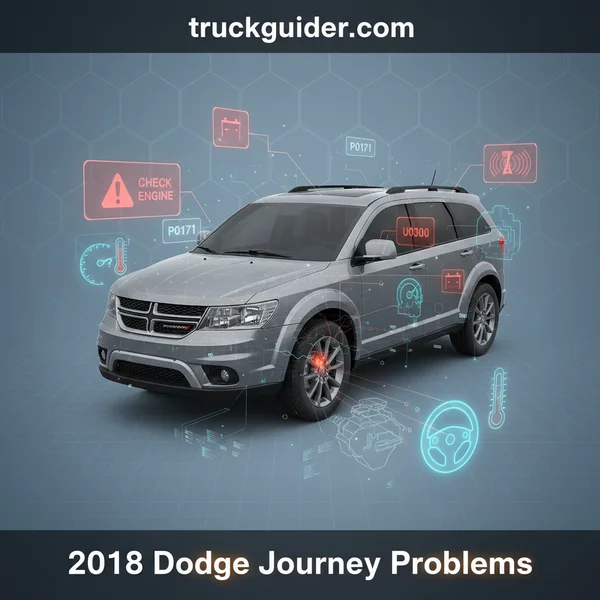
Understanding these flaws allows you to address symptoms before they escalate into a complete vehicle failure on the road. This guide focuses on the hardware realities of the 2018 model year, moving past the marketing to look at the actual repair data and safety concerns reported by thousands of owners. By pinpointing exactly where the Journey fails, you can better prepare for the maintenance costs associated with keeping this SUV on the road.
Major Mechanical Failures: Transmission and Engine Reliability
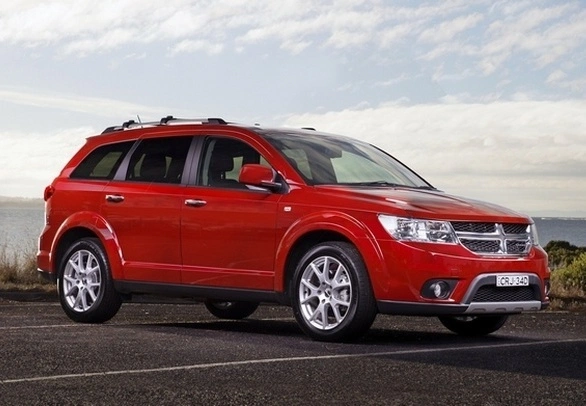
The 2018 Dodge Journey utilizes aging transmission technology that often struggles to manage the vehicle’s significant curb weight. Whether your unit is equipped with the four-speed or the six-speed automatic, you are likely to experience inconsistent power delivery. Owners frequently report a “hunting” sensation where the car cannot decide which gear to engage, especially during high-stress situations like highway merging or climbing steep grades.
Transmission Lag and Shifting Hardness
The most common complaint involves a distinct and jarring delay when shifting the vehicle from Park into Drive or Reverse. You may feel a violent “clunk” or a sustained shuddering sensation at low speeds that suggests a failing torque converter or internal clutch issues. These symptoms are not just annoying; they often precede a total transmission rebuild.
- Software Control Glitches: Many shifting issues stem from the Power Control Module (PCM) requiring a flash update to correct shift points and pressure settings.
- Internal Component Wear: Solenoid failures are common in the 2018 model, often resulting in the car entering “Limp Mode” where it refuses to shift out of second gear.
- Fluid Degradation: The transmission system runs exceptionally hot. This heat breaks down the lubricating properties of the fluid much faster than the manufacturer’s suggested service intervals.
- Gear Hunting: On the highway, the transmission may rapidly downshift and upshift, causing unnecessary wear on the internal bands.
Engine Cooling System Failures
The 2018 Journey, particularly models equipped with the 2.4L four-cylinder engine, suffers from plastic cooling components that cannot handle long-term high-pressure heat cycles. You should regularly check the ground beneath your engine for pink or orange fluid puddles. A cooling failure in this vehicle often happens without warning, leading to a warped cylinder head if the engine overheats.
- Thermostat Housing Cracks: This plastic part is prone to hairline fractures that spray coolant directly onto the hot engine block, creating a distinct sweet smell.
- Coolant Cross-over Pipe: Many owners report this pipe failing around the 60,000-mile mark, leading to immediate steam and a total loss of coolant.
- Radiator Seam Leaks: The seams where the plastic tanks meet the aluminum radiator core often separate, necessitating a full radiator replacement.
- Water Pump Failure: Listen for a grinding or whining noise from the front of the engine, which usually signals that the water pump bearing is failing.
The Ultimate 2018 Dodge Journey Troubleshooting Walkthrough
Recommended Best Deal Products


The 2018 Dodge Journey is a popular choice for families seeking an affordable crossover, but like any vehicle with a long production run, it has developed a specific set of known issues. This guide provides a comprehensive, technical walkthrough for identifying, diagnosing, and mitigating the most common problems associated with this model year. By following these proactive steps, you can extend the lifespan of your vehicle, save thousands in repair costs, and ensure your Journey remains a reliable mode of transportation for years to come.
Step 1: Diagnosing and Fixing Parasitic Battery Drain
What you need: Digital multimeter, 10mm wrench, and a basic fuse puller tool.
Instructions: One of the most frequent complaints for the 2018 Journey is a dead battery after sitting overnight. This is often caused by the Hands-Free Module (HFM) failing to “sleep.” To diagnose this, set your multimeter to DC Amps (10A setting). Disconnect the negative battery terminal and connect the multimeter in series between the terminal and the post. Ensure all doors are closed and wait 30 minutes for the modules to enter sleep mode. A reading higher than 0.050A (50mA) indicates a drain. While watching the meter, pull the fuse for the “Hands-Free” or “Telematics” system. If the amperage drops significantly, you have identified the culprit. You can either replace the module or leave the fuse out if you do not use the Bluetooth feature.
Pro Tip: Before assuming the battery is bad, always check the ground connection located on the driver-side strut tower. Corrosion here is common and causes intermittent starting issues that mimic a dead battery.
Step 2: Mitigating Premature Brake and Rotor Wear
What you need: Floor jack, jack stands, lug wrench, brake micrometer or caliper, and high-quality ceramic brake pads.
Instructions: The 2018 Journey is a heavy vehicle often equipped with brakes that owners find undersized for the load. If you feel a vibration in the steering wheel when braking at highway speeds, your rotors are likely warped or have uneven pad deposits. To address this, lift the vehicle and remove the wheels. Inspect the rotors for “blueing” or heat spots. Measure the thickness; if they are below the minimum specification stamped on the rotor, they must be replaced. When replacing them, avoid the cheapest “economy” rotors. Instead, upgrade to heavy-duty slotted rotors and high-quality ceramic pads which dissipate heat more effectively than the OEM semi-metallic pads. Ensure you clean the hub surface thoroughly with a wire brush to prevent lateral runout.
Pro Tip: Always perform a “bedding-in” procedure after installing new brakes: make 5-10 aggressive stops from 40 mph to 10 mph to transfer a layer of friction material to the rotor.
Step 3: Managing Transmission Hesitation and Shift Quality
What you need: 62TE transmission dipstick tool (this vehicle usually doesn’t come with one), ATF+4 transmission fluid, and an OBD-II scanner.
Instructions: The 6-speed 62TE transmission in the V6 models can sometimes exhibit “searching” for gears or hard shifts between 2nd and 3rd. First, use your OBD-II scanner to check for “pending” codes like P0732 or P0733. If no codes are present, check the fluid level. Since the 2018 Journey has a sealed tube, you must use a specialized shop dipstick. Measure the fluid temperature using your scanner; the fluid level must be checked against a specific temperature graph. If the fluid is low, add only Mopar-spec ATF+4. If the fluid is dark or smells burnt, a pan-drop and filter change are required. Avoid “flushing” machines, as they can dislodge debris that clogs the solenoid pack.
Pro Tip: Ask your dealer to check for any Transmission Control Module (TCM) software updates. Chrysler frequently releases “flashes” that recalibrate shift points to solve hesitation issues.
Step 4: Monitoring the Pentastar V6 Oil Filter Housing
What you need: Flashlight, 24mm socket, and a replacement aluminum oil filter housing (optional but recommended).
Instructions: If your 2018 Journey has the 3.6L Pentastar engine, the plastic oil filter housing/cooler assembly is a notorious failure point. It sits in the “V” of the engine and often cracks, leading to oil or coolant leaks that pool on top of the transmission. Use a flashlight to peer down into the valley of the engine behind the oil filter cap. If you see liquid pooling, the housing needs replacement. When it fails, do not replace it with another plastic unit. Purchase an aftermarket all-aluminum housing. This requires removing the upper and lower intake manifolds. While the manifolds are off, it is a perfect time to replace your spark plugs, as the rear bank is otherwise inaccessible.
Pro Tip: Over-tightening the oil filter cap is the leading cause of these cracks. Always use a torque wrench and tighten the cap to exactly 25 Nm (18 ft-lbs).
Step 5: Addressing Front Suspension Clunking
What you need: Pry bar, torque wrench, and replacement sway bar links or strut assemblies.
Instructions: A common complaint for 2018 models is a “clunking” or “rattling” sound when driving over small bumps at low speeds. This is almost always due to worn sway bar end links or prematurely failing strut mounts. With the vehicle on the ground, have an assistant rock the car side-to-side while you feel the sway bar links; if you feel a “pop,” the link is bad. If the noise persists, inspect the lower control arm bushings for tearing. To test the struts, push down hard on the front bumper; the car should bounce once and stop. If it continues to oscillate, the dampeners are shot. Replacing these components early prevents uneven tire wear and “cupping,” which causes significant road noise.
Pro Tip: When replacing front suspension components, always perform a four-wheel alignment immediately afterward. Even a slight change in ride height can throw off the toe-in settings, ruining tires in less than 1,000 miles.
Step 6: Resolving Uconnect Infotainment Freezing
What you need: A high-quality USB 2.0/3.0 flash drive (8GB or larger) and a computer with internet access.
Instructions: The 8.4-inch Uconnect system can experience screen freezing, “ghost touching,” or Bluetooth connectivity failures. The first step is a soft reset: press and hold the Volume and Tune knobs simultaneously for 10-20 seconds until the screen goes black and the logo reappears. If the problem persists, check your software version in the “Settings” menu. Visit the official Uconnect update website and enter your VIN. If an update is available, download it to your USB drive (formatted to FAT32). Start the vehicle, plug the drive into the center console USB port, and follow the on-screen prompts. Do not turn off the engine during this process, as it can “brick” the head unit.
Pro Tip: If you experience “ghost touching” (where the screen selects items on its own), it is often caused by delamination of the screen layers. A temporary fix involves cleaning the edges of the screen with a non-conductive electronic cleaner to remove static buildup.
✅ Final Checklist
- Verify battery voltage is between 12.4V and 12.7V with the engine off and 13.5V-14.5V with the engine running.
- Confirm the oil filter housing valley is dry and free of oil or OAT (Orange) coolant.
- Ensure the transmission fluid is at the correct level relative to its operating temperature (usually 70°C).
- Test the infotainment system by cycling through all radio bands and connecting a smartphone via Bluetooth.
- Drive the vehicle on a bumpy road to ensure no metallic clunks are heard from the front end.
Important Notes:
- Safety Warning: Always use jack stands when working under the vehicle. Never rely solely on a hydraulic jack.
- When to Seek Professional Help: If you detect a “ticking” sound from the top of the V6 engine (the “Pentastar Tick”), this may indicate a failed rocker arm. This requires internal engine work that is best handled by a certified technician to avoid camshaft damage.
- Estimated Time and Cost: Basic electrical and infotainment fixes take 30-60 minutes ($0-$50). Brake and suspension work takes 2-4 hours ($200-$500 in parts). Oil housing replacement is a 4-5 hour job ($150-$300 in parts).
Braking System Deficiencies and Premature Component Wear
One of the most frustrating and expensive aspects of owning a 2018 Dodge Journey is its undersized braking system. The vehicle’s heavy frame puts immense stress on the rotors and pads, causing them to wear out at nearly double the rate of competing SUVs. This is a fundamental design flaw rather than a sign of aggressive driving, as the heat generated by stopping the Journey is often more than the factory components can dissipate.
Rapid Rotor Warping and Pulsation
If you feel your steering wheel vibrating or the brake pedal pulsating when you slow down from highway speeds, your rotors are likely warped. This typically happens because the factory-installed rotors are too thin to handle the thermal load of the vehicle. Once warped, the brakes lose their effectiveness and can increase your stopping distance significantly.
- Extreme Frequency of Replacement: Many 2018 Journey owners report needing new rotors and pads as early as every 15,000 to 20,000 miles.
- Heat-Induced Distortion: Standard driving in heavy traffic or hilly terrain causes the metal to distort due to excessive thermal loads that the small vents cannot clear.
- Uneven Pad Transfer: The heat causes the brake pad material to melt unevenly onto the rotor, creating “hot spots” that cause the car to jerk during stops.
Caliper Issues and Maintenance Costs
The braking problems extend beyond just the pads and rotors. The mechanical components responsible for squeezing the brakes are also prone to early failure. This adds a layer of complexity to what should be routine maintenance. When a caliper fails, it often goes unnoticed until it has destroyed other parts of the wheel assembly.
- Rear Caliper Seizing: The rear brake calipers are notorious for sticking in the “engaged” position, which drags the pads against the rotor and ruins the assembly within miles.
- Guide Pin Corrosion: The pins that allow the caliper to slide often lose lubrication, leading to uneven pad wear where one side of the rotor is chewed through while the other remains thick.
- The Aftermarket Solution: Because the OEM parts are so prone to failure, many mechanics recommend upgrading to heavy-duty aftermarket ceramic pads and slotted rotors to better manage the heat.
In the second half of this post, we will cover the critical safety recalls you need to address immediately, including the cruise control lock-up and camera malfunctions, and show you how to check your specific VIN.
Critical Safety Recalls and Official Technical Service Bulletins
Recommended Best Deal Products


Staying informed about recalls and Technical Service Bulletins (TSBs) is non-negotiable for any vehicle owner. For the 2018 Dodge Journey, several official notices have been issued that address significant safety risks. Unlike regular maintenance, these recalls are typically fixed at no cost by a certified dealership, making it essential to check your vehicle’s VIN status regularly.
Notable NHTSA Recalls
The most alarming recall for the 2018 model year involved the cruise control system. A software glitch or short circuit could prevent the cruise control from disengaging, even if the driver hit the brakes. This obviously creates a dangerous high-speed scenario. Another critical recall focused on the brake system, specifically gas bubbles forming in the brake fluid due to a manufacturing error in the rear brake caliper pistons. This could significantly increase stopping distances.
- Recall U61 (Cruise Control): Dealers update the powertrain control module (PCM) software to ensure the system can be shut off reliably.
- Recall U87 (Brake Bubbles): Technicians bleed the brake system to remove trapped gas that compromises pedal feel and safety.
- Voltage Regulator Issues: Some units were recalled because the voltage regulator could fail, causing the engine to stall or preventing it from starting.
Key Technical Service Bulletins (TSBs)
While recalls are safety-related, TSBs are “pro-tips” from the manufacturer to mechanics about common bugs. For the 2018 Journey, many TSBs focus on electrical glitches and minor transmission hiccups. For example, if your infotainment screen is constantly freezing or your Bluetooth won’t pair, there is likely a TSB directing the dealer to perform a specific software flash to the Uconnect system.
Practical Tip: Before paying for any diagnostic work at an independent shop, visit a Dodge dealership and ask for a printout of all open recalls and relevant TSBs for your specific VIN.
Ownership Costs vs. Market Value: The Reliability Verdict
The 2018 Dodge Journey often attracts buyers because of its incredibly low entry price on the used market. It is one of the most affordable ways to get a three-row SUV. However, “cheap to buy” does not always mean “cheap to own.” When you factor in the frequency of repairs, the reliability verdict for the Journey is mixed, leaning toward high-maintenance.
Average Annual Maintenance Costs
On average, owners of the 2018 Journey can expect to spend more annually on repairs than they would on a Toyota Highlander or Honda Pilot. The Journey is particularly hard on its wear-and-tear components. Because of its heavy chassis and aging suspension design, it tends to go through brake pads and tires much faster than its peers. If you are a high-mileage driver, these small costs add up quickly.
- Brake Service: Expect to replace pads every 20,000 to 30,000 miles due to the vehicle’s weight.
- Fuel Economy: The older engine and transmission designs mean lower MPG, increasing your “at-the-pump” ownership costs.
- Depreciation: The Journey loses value faster than almost any other SUV in its class, which is a “hidden” cost of ownership.
Is it Worth the Investment?
The reliability verdict depends entirely on your budget strategy. If you need a 7-passenger vehicle for a low monthly payment and you have a reliable local mechanic, the 2018 Journey can serve you well. However, if you are looking for a vehicle that will reach 200,000 miles with nothing but oil changes, the Journey may frustrate you. It is a vehicle that rewards proactive owners who stay on top of fluid changes and address small electrical issues before they become “dead on the side of the road” problems.
Conclusion
The 2018 Dodge Journey is a study in trade-offs. While it offers unmatched affordability and a functional interior for families, it is hampered by common transmission stutters, frequent brake wear, and critical recalls regarding the cruise control and braking systems. Being aware of these common pitfalls allows you to budget for repairs and stay ahead of safety issues before they escalate.
If you are considering buying a used 2018 Journey, your next steps should be to run a full VIN check for open recalls and invest in a professional pre-purchase inspection. A few hundred dollars spent today could save you thousands in transmission or electrical repairs tomorrow. Stay proactive with your maintenance, and your Journey can still be a capable family hauler for years to come!
❓ Frequently Asked Questions
Why does the 2018 Dodge Journey experience transmission hesitation?
This is often caused by outdated software in the Transmission Control Module (TCM) or internal solenoid failures. While a software flash can sometimes fix it, some owners require a full transmission replacement at relatively low mileage.
What causes the premature brake wear in this vehicle?
The Journey is a heavy SUV, and many experts believe the factory braking system is undersized for the vehicle’s weight. This leads to excessive heat buildup, causing rotors to warp and pads to thin much faster than on competing SUVs.
What are the details of the cruise control recall?
The NHTSA issued a recall because a short circuit in the wiring or a software error in the Powertrain Control Module (PCM) could trap the vehicle in cruise control. Dealers provide a free software update to resolve this high-risk safety issue.
Are there common electrical issues with the infotainment system?
Yes, the Uconnect system in the 2018 model is known for screen freezing, Bluetooth connectivity drops, and rear-view camera malfunctions. Some camera issues are tied to a specific recall involving the wiring harness in the tailgate.
How much should I expect to pay for common repairs?
Minor repairs like brakes typically cost $400-$600, while cooling system repairs range from $300-$800. Major transmission work can easily exceed $3,500, which is a significant percentage of the car’s total value.
Is the 2018 Dodge Journey a ‘money pit’?
For many owners, yes, because the cost of frequent repairs often outpaces the vehicle’s resale value. It is considered a budget-friendly entry-level SUV that requires more vigilant and costly maintenance than its Japanese or Korean rivals.


![Dodge Ram 2500 Years to Avoid: Reliability Guide [2026]](https://truckguider.com/wp-content/uploads/2026/03/dodge-ram-2500-years-to-avoid-featured.webp)
![Truck Bed Organization Ideas [2026]](https://truckguider.com/wp-content/uploads/2026/03/featured-c7bc8677.webp)