2020 Ram 2500 Transmission: Specs & Fitment Guide [2026]

The 2020 Ram 2500 utilizes the 68RFE six-speed automatic for Cummins diesel engines and the ZF 8HP75 eight-speed for the 6.4L Hemi V8. While the ZF is praised for its shift quality, the 68RFE has faced critical recalls regarding thermal pressure and fluid leaks that owners must address.
🎯 Key Takeaways
Recommended Best Deal Products


- The 6.4L Hemi V8 uses the ZF 8HP75 eight-speed automatic transmission.
- The 6.7L Cummins diesel in the 2500 uses the 68RFE, not the Aisin.
- Aisin transmissions are exclusive to the 3500 High Output models, not the 2500.
- The Y43 recall is critical, addressing high-pressure build-up and potential fire risks.
- Service the 68RFE every 30,000 to 60,000 miles when towing frequently.
The 2020 Ram 2500 utilizes two primary transmissions depending on your engine choice: the 68RFE six-speed automatic (paired with the 6.7L Cummins Diesel) and the ZF 8HP75 eight-speed automatic (paired with the 6.4L Hemi V8). If you are looking for the heavy-duty Aisin AS69RC, you will only find it in the 3500 High Output models, not the 2500. For the 2020 model year, the most critical factor for you to watch is the 68RFE’s history of thermal issues, which triggered a significant fire-risk recall shortly after its release.

Prime for Young Adults — 6 Months Free
Students and 18–24s get six months of Prime free, then half price.
Start 6 Months Free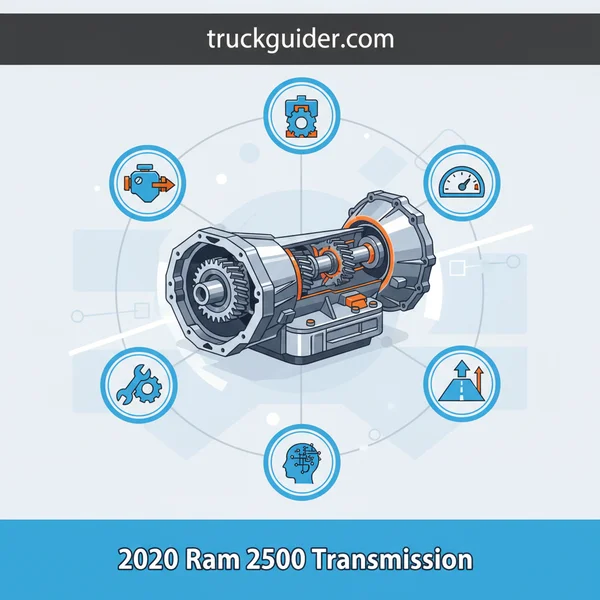
Choosing the right configuration depends on whether you prioritize heavy towing longevity or daily drivability. While the ZF 8HP75 offers modern, crisp shifting and better fuel management for gas engines, the 68RFE is a legacy unit built to handle the massive 850 lb-ft of torque produced by the Cummins. However, that torque handling comes with trade-offs in heat management and shift speed that every 2020 owner needs to understand to avoid premature transmission failure.
Comparing the 68RFE vs. ZF 8HP75 Transmission Options
The transmission you get in your 2020 Ram 2500 is dictated entirely by what is under the hood. Unlike the 3500 series, which offers the Aisin upgrade, the 2500 keeps things simple with one dedicated unit for gas and one for diesel. Understanding the mechanical differences between these two is vital for setting expectations for maintenance and performance.
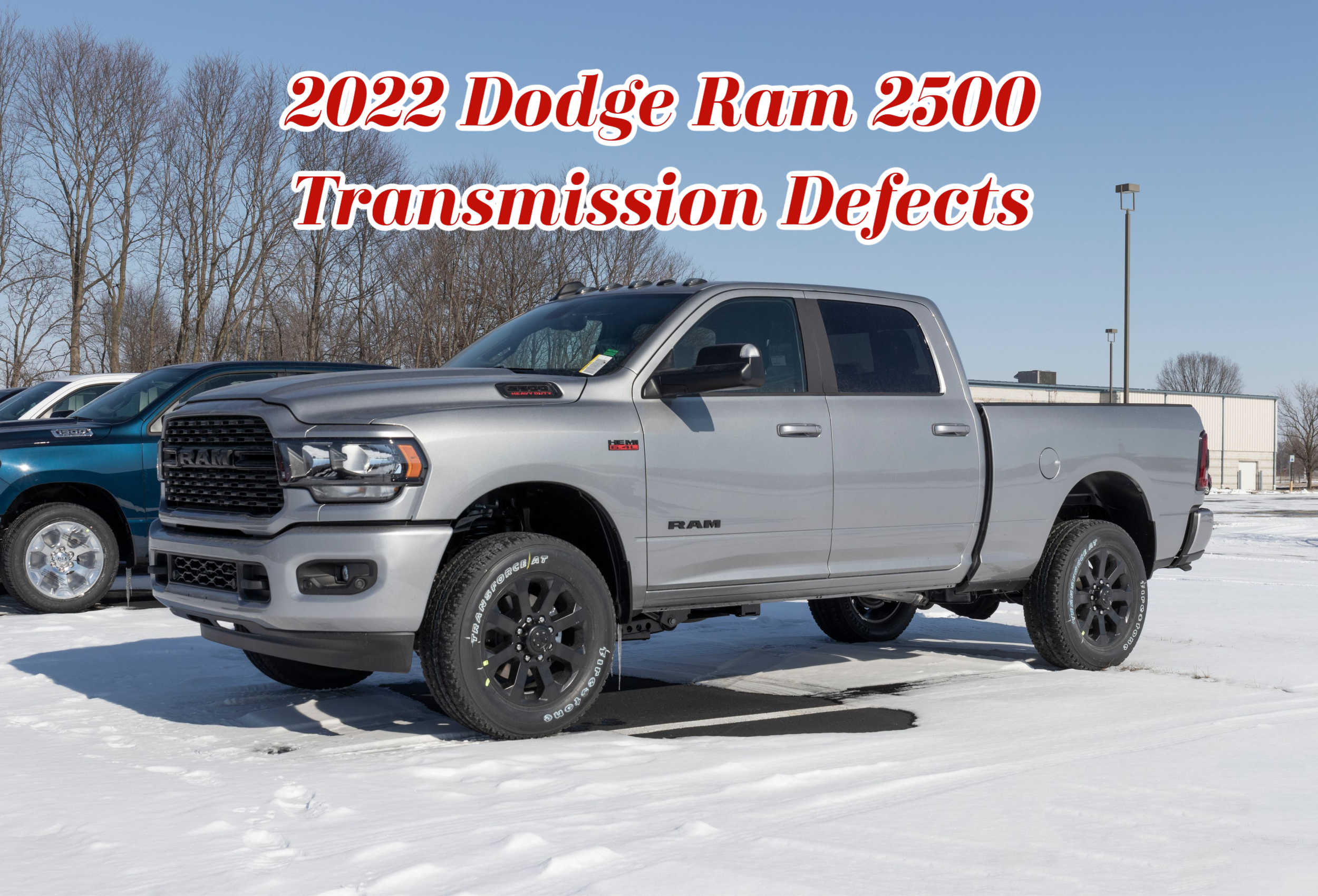
Diesel Power: The 68RFE Six-Speed
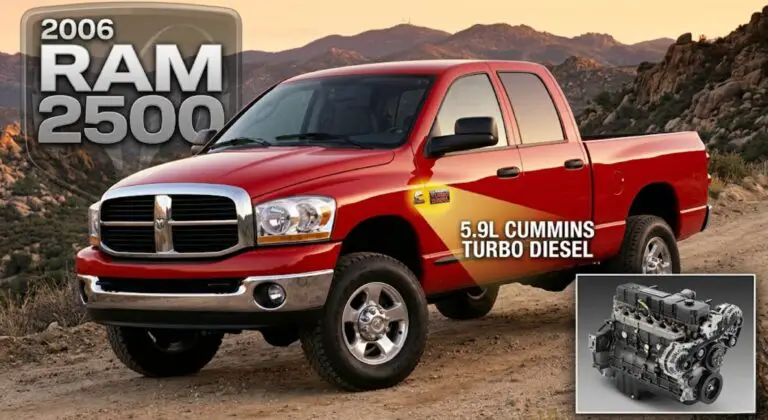
If you opted for the 6.7L Cummins Turbo Diesel, your truck is equipped with the 68RFE. This transmission has been the backbone of Ram’s diesel lineup for years. It is a Chrysler-designed unit specifically engineered to manage high-torque loads at low RPMs. While it is durable under normal conditions, its aging six-speed architecture feels “bus-like” compared to modern eight-speed units. You will notice longer gaps between gears and a tendency to hunt for the right gear when climbing grades under load.
- Engine Pairing: 6.7L Cummins I6 Turbo Diesel (Standard Output).
- Gear Ratios: Features two overdrive gears (5th and 6th) to improve highway fuel economy.
- Torque Capacity: Rated to handle the stock 850 lb-ft of torque, but has narrow margins for aftermarket tuning.
- Shift Character: Slower, softer shifts designed to prevent driveline shock.
Gas Versatility: The ZF 8HP75 Eight-Speed
The 6.4L Hemi V8 is paired with the ZF-sourced 8HP75. This is a sophisticated, fully electronic eight-speed transmission that transformed the 2500’s drivability. Because it has more gears to work with, it keeps the gas engine in its power band much more effectively than the old six-speeds ever could. It provides a much better “crawl” ratio for off-roading or starting a heavy trailer on an incline. Many owners prefer the ZF for daily driving because it mimics the smoothness of a luxury SUV while retaining a 17,000+ lb towing capacity.
- Engine Pairing: 6.4L Hemi V8 Gas.
- Control: Uses a rotary e-shift dial on the dashboard rather than a traditional column shifter.
- Durability: Highly regarded for its robust clutch packs and intelligent shift logic that adapts to your driving style.
2020 Ram 2500 Transmission Maintenance Made Easy: Your Essential Action Plan
Recommended Best Deal Products


The 2020 Ram 2500 is a powerhouse, often equipped with either the 68RFE six-speed automatic or the heavy-duty Aisin AS69RC transmission. Because these trucks are frequently used for heavy towing and hauling, the transmission undergoes significant thermal stress that can break down hydraulic fluid and lead to premature wear. This guide covers a comprehensive fluid and filter service, which is the single most important maintenance task you can perform to ensure your Cummins or HEMI-powered rig stays on the road. Following these steps carefully will help you avoid the common pitfalls of “shudder,” delayed shifts, and costly internal component failure.
Step 1: Gather Your Vehicle-Specific Supplies
What you need: A 2020 Ram 2500 service manual (for torque specs), 10–12 quarts of licensed ATF+4 (for 68RFE) or Mobil 3309/Aisin Type T-IV fluid (for Aisin), a primary sump filter, a spin-on cooler return filter (68RFE specific), a new pan gasket, an 8mm and 10mm socket set, and a high-capacity drain pan.
Instructions: Before you turn a single wrench, you must identify which transmission your 2020 Ram 2500 has. Most 2500s with the 6.7L Cummins use the 68RFE, while the high-output variants (more common in 3500s but present in some 2500 configurations) use the Aisin. Check your build sheet or the shape of the transmission pan. Buy a high-quality filter kit—avoiding “no-name” brands is critical here because the 68RFE is notoriously sensitive to the seal quality on the sump filter. If the seal isn’t seated perfectly, the pump will suck air, leading to immediate transmission failure. Ensure you have at least 12 quarts of fluid on hand; it is better to have extra than to be stranded with an empty pan.
Pro Tip: Always buy a replacement screw-on filter bypass tool or a high-quality thread-on filter. On the 68RFE, the internal spin-on filter has a plastic thread that can easily cross-thread; taking your time here prevents a massive headache later.
Step 2: Bring the Fluid to Operating Temperature
What you need: Your truck, a flat surface, and an OBD-II scanner or the dashboard’s digital cluster display to monitor transmission fluid temperature.

Audible — Listen Free for 30 Days
One free credit a month and thousands of titles included.
Listen Free for 30 DaysInstructions: Transmission fluid is viscous when cold and won’t drain completely or carry away contaminants as effectively as when it is warm. Drive your Ram for about 15–20 minutes, ensuring the transmission temperature reaches at least 160°F. Once warm, park the vehicle on a level surface. A level surface is non-negotiable for later when you check the fluid levels. Engage the parking brake and chocking the wheels for safety. Even though the Ram 2500 has high ground clearance, you may want to use heavy-duty ramps or jack stands if you need extra room to maneuver the large drain pan. However, for most, the stock height is sufficient to work under.
Pro Tip: Do not perform this service when the transmission is “scalded” (over 200°F). You want the fluid warm enough to flow, but not so hot that it causes instant skin burns upon contact with the pan or bolts.
Step 3: The Controlled Drain Method
What you need: A 15-quart drain pan, 8mm and 10mm sockets, and plenty of shop rags.
Instructions: Most stock 2020 Ram 2500 transmission pans do not feature a drain plug, which makes this step potentially messy. Position your large drain pan directly under the transmission. Begin by loosening all the bolts around the perimeter of the pan, but do not remove them. Gradually remove the bolts from one end (usually the rear) while leaving the bolts at the front end loosely attached. Use a flathead screwdriver to gently pry the rear of the pan down, allowing the fluid to tilt and pour over the edge into your catch pan. This “controlled tilt” prevents a “tsunami” of oil from splashing your driveway. Once the flow slows to a trickle, support the pan with one hand while removing the remaining front bolts.
Pro Tip: If your pan is stuck due to the factory RTV sealant, do not hammer it. Give it a few firm taps with a rubber mallet on the side of the pan to break the seal without bending the mounting flange.
Step 4: Cleaning and Inspection
What you need: Brake cleaner, a lint-free cloth, a gasket scraper (plastic preferred), and a clean workspace.
Instructions: With the pan removed, set it on a workbench. You will see a magnet sitting in the bottom. Remove the magnet and inspect the “sludge” attached to it. A fine, greyish paste is normal wear from the clutch packs. However, if you find large metal flakes or “chunks,” this indicates a mechanical failure that a simple fluid change won’t fix. Clean the pan thoroughly with brake cleaner until it is spotless. Use your scraper to remove every trace of old gasket material or RTV from both the pan flange and the transmission mating surface. Any leftover debris will create a gap that leads to a persistent leak once the truck is pressurized.
Pro Tip: Once the pan is clean, place the magnet back in its designated spot (usually a molded indentation). Forgetting the magnet is a common mistake that allows metal shavings to circulate through your brand-new filters.
Audible Premium Plus — Annual Membership
12 audiobook credits up front, plus the full Audible catalogue.
See Annual PlansStep 5: Replacing the Internal Filters
What you need: New sump filter, new spin-on filter (if 68RFE), T25 Torx bit (for some models), and a small amount of fresh ATF.
Instructions: The 68RFE has two filters. First, unscrew the spin-on cooler filter (it looks like a small oil filter). Before installing the new one, lubricate the rubber gasket with fresh ATF and hand-tighten it—do not use a wrench. Next, remove the bolt holding the flat sump filter in place. Be prepared for an additional pint of fluid to drop when you pull the filter down. Crucially, check the “bore” where the filter neck goes. Sometimes the old rubber seal gets stuck inside the transmission. You must fish it out; if you stack two seals, the filter won’t seat, and the transmission will fail to prime. Push the new sump filter firmly into place until you feel it “click” or seat fully, then reinstall the mounting bolt.
Pro Tip: On the sump filter, ensure the metal “snout” is perfectly aligned. If it’s even slightly crooked, it can allow air to enter the valve body, causing erratic shifting or a “limp mode” code.
Step 6: Resealing and Pan Installation
What you need: New gasket or high-quality RTV (like Mopar ATF-RTV), a torque wrench (inch-pounds), and the cleaned pan.
Instructions: While some pros prefer RTV, a high-quality reusable gasket (like a LubeLocker) is often better for DIYers to ensure a leak-free seal. If using a gasket, place it on the clean pan. Lift the pan into place and start 4 bolts by hand at the corners to hold it up. Thread in the remaining bolts. Using your torque wrench, tighten the bolts in a “criss-cross” or “star” pattern. For the 68RFE, the torque spec is typically 105 inch-pounds (NOT foot-pounds). Over-tightening is a common error that crushes the gasket or snaps the small bolts. Work in two stages: first tighten them all to 50 inch-pounds, then do a final pass at the full 105.
Pro Tip: If you are using RTV instead of a gasket, you must let the sealant “skin over” for 15-20 minutes before bolting the pan up, and ideally, wait 24 hours before adding fluid for a perfect cure.
Step 7: The Refill and Level Check
What you need: Long-neck funnel, fresh transmission fluid, and a clean rag.
Instructions: Locate the transmission dipstick under the hood (near the firewall on the passenger side). Insert your funnel and begin adding fluid. Since you only drained the pan and didn’t flush the torque converter, you will likely need between 7 and 8.5 quarts for a standard service. Start by adding 6 quarts. Start the engine and let it idle in Park for two minutes. With your foot firmly on the brake, slowly cycle the gear selector through Reverse, Neutral, Drive, and the manual gears, holding each for 5 seconds. This moves fluid into the valve body and the new filters. Put the truck back in Park and check the dipstick while the engine is running. Add fluid in half-quart increments until the level hits the “COLD” mark.
Pro Tip: Never overfill. Overfilling causes the fluid to foam as the gears hit it, which introduces air into the hydraulic system and causes overheating and erratic pressure readings.
Step 8: Final Hot Verification
What you need: Your truck and a short 10-mile test drive.
Instructions: To get an accurate final reading, the fluid must be at “Hot” operating temperature (approx. 160°F–175°F). Take the truck for a drive, ensuring it shifts through all gears, including overdrive. Listen for any unusual whining noises (which could indicate a filter seal leak). Once home, park on the same level surface and keep the engine idling. Check the dipstick one last time. The fluid level should be squarely in the “HOT” crosshatched area. If it’s low, add a tiny amount and recheck. Finally, crawl under the truck and inspect the pan perimeter for any signs of “weeping” or active leaks. If everything is dry, you have successfully serviced your heavy-duty transmission.
Pro Tip: Keep a log of the mileage and the amount of fluid used. This is vital for your warranty records and helps you track if the transmission is “consuming” or losing fluid over time.
✅ Final Checklist
- Confirm the old sump filter seal was removed from the transmission bore.
- Verify all pan bolts were torqued to 105 inch-pounds in a star pattern.
- Ensure the spin-on filter was hand-tightened and not over-torqued.
- Check that the fluid level is in the “HOT” zone while the engine is idling and warm.
- Inspect the area around the pan and cooler lines for any fresh leaks after the test drive.
Important Notes:
- Safety Warning: Transmission fluid is highly flammable; keep it away from hot exhaust manifolds. Always wear eye protection when working under the vehicle.
- Professional Help: If you see large metal chunks in the pan or if the fluid smells “burnt” (like burnt toast), do not proceed with a simple fluid change. Take the truck to a specialist for a diagnostic pressure test.
- Estimated Time: 2 to 3 hours for a first-timer.
- Estimated Cost: $160–$250 depending on fluid brand and filter kit quality.
Common Reliability Issues and Known 2020 Recalls
The 2020 model year is generally reliable, but it was the subject of one of the most publicized transmission recalls in recent Ram history. If you are buying a used 2020 Ram 2500, your first step should be verifying that the recall work has been completed. Beyond the recalls, the 68RFE diesel transmission has a few mechanical “achilles heels” that usually manifest between 60,000 and 100,000 miles.
The 2020 Thermal Recall (NHTSA 19V-817)
In late 2019 and early 2020, Ram issued a major recall (Recall W20) for 2500 and 3500 trucks equipped with the 68RFE transmission. The issue involved a build-up of heat and pressure inside the transmission. If the pressure became too great, fluid could be forced out of the dipstick tube. If that fluid sprayed onto a hot engine component, it created a significant fire risk. Check your VIN: The fix involved replacing the transmission valve body separator plate and, in some cases, the transmission oil pump to ensure pressure is regulated correctly.
Common Mechanical Failure Points
Outside of official recalls, the 68RFE is known for specific failure patterns that you can often spot before they become catastrophic. Most issues stem from heat and the way the torque converter manages the Cummins’ power. Pay attention to these symptoms during your drive:
- Torque Converter Slip: The stock torque converter is often the first part to fail, especially if you tow heavy loads in high heat. You may feel a shudder when the converter locks up in higher gears.
- Solenoid Block Failures: Electronic issues can cause the truck to go into “Limp Mode,” where it gets stuck in 4th gear to prevent further damage.
- Overheating: The 2020 cooling system is generally good, but if you see transmission temperatures consistently exceeding 220°F during normal towing, your bypass valve may be sticking or the thermal management system is malfunctioning.
- Valve Body Wear: Internal leaks in the valve body can lead to lower line pressure, which causes the internal clutches to slip and eventually burn out.
Understanding the Thermal Bypass Valve and Overheating Risks
Recommended Best Deal Products
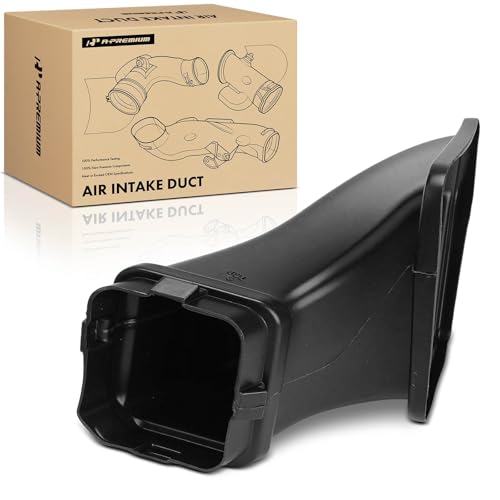


One of the most discussed components of the 2020 Ram 2500 transmission system—specifically on models equipped with the 68RFE—is the Thermal Bypass Valve (TBV). While designed to help the transmission reach operating temperature quickly to improve fuel efficiency and shifting in cold weather, it has become a known “weak link” for many heavy-duty owners.
The TBV Failure Point
The TBV acts as a gatekeeper for your transmission fluid. It restricts fluid flow to the external cooler until the transmission reaches a specific temperature, usually around 160°F. The problem arises when this valve sticks in the closed position. If the valve fails to open, the fluid continues to recirculate within the transmission without being cooled, leading to rapid overheating. Over time, consistent exposure to high heat degrades the fluid and can cause internal seals to harden and clutches to slip.
How to Manage Transmission Temperatures
Staying proactive is the best way to prevent a minor valve issue from becoming a multi-thousand-dollar repair bill. Here are a few practical tips for keeping your 2020 Ram running cool:
- Monitor Your Gauges: Get familiar with your truck’s digital transmission temperature readout. Under normal driving conditions, you should see temperatures between 165°F and 195°F. If you see spikes over 220°F while driving empty, your TBV may be failing.
- Consider a Bypass Upgrade: Many owners choose to install an “aftermarket bypass delete.” These kits allow for full-time fluid flow to the cooler, often resulting in a 20-to-40-degree drop in operating temperatures.
- Inspect for Seepage: During your routine oil changes, take a look at the transmission lines near the bypass valve. Small leaks or “sweating” at the connectors can indicate high pressure or failing seals.
Performance Analysis: Towing Capacity and Gear Ratios
The 2020 Ram 2500 is a powerhouse, but its real-world performance is dictated by how the transmission interacts with the engine and the rear axle. Whether you are hauling a fifth-wheel camper or a flatbed of equipment, the transmission is what translates that torque into motion.
Towing Limits and Real-World Usage
When equipped with the 6.7L Cummins Turbo Diesel and the 68RFE, the 2020 Ram 2500 boasts a maximum towing capacity of approximately 19,680 pounds. For those opting for the 6.4L Hemi gasoline engine paired with the 8HP75 8-speed automatic, the capacity is still a respectable 17,540 pounds. While the 8-speed is often praised for its car-like smoothness and quick gear changes, the 68RFE is built for steady, high-torque pulling. However, the 68RFE can feel “sluggish” to some drivers because it is programmed to protect the clutches from the massive torque output of the Cummins engine.
Understanding Gear Ratios for Optimal Pulling
Your transmission’s efficiency is heavily influenced by your truck’s axle ratio. In 2020, the most common options were the 3.73 and the 4.10 ratios. Choosing the right one changes how the transmission behaves under load:
- 3.73 Axle Ratio: This is the standard for most trucks. it offers a great balance of highway fuel economy and towing capability. It works best for drivers who spend 80% of their time unloaded.
- 4.10 Axle Ratio: This is the choice for dedicated towers. It keeps the engine higher in its power band, which reduces the “hunting” between gears when climbing steep grades and puts less strain on the transmission’s torque converter.
- Tow/Haul Mode: Always use this feature when your trailer exceeds 50% of your truck’s capacity. It increases line pressure inside the transmission, which helps the clutches hold tighter and prevents the friction that causes heat buildup.
Conclusion
The 2020 Ram 2500 transmission is a sophisticated piece of equipment designed to handle immense pressure. While the 68RFE and the 8HP75 are generally reliable, they aren’t without their quirks. From managing the thermal bypass valve to choosing the right gear ratio for your specific towing needs, being an informed owner is the best way to ensure your truck stays on the road for the long haul. High heat is the primary enemy of these gearboxes, so keeping a close eye on your temps and maintaining fresh fluid is essential.
Ready to protect your investment? Start by checking your VIN on the Mopar website for any outstanding transmission-related recalls. If you frequently tow heavy loads, consider a high-quality synthetic fluid upgrade during your next service. Keep your Ram maintained, and it will keep moving whatever you throw behind it!
💬 Quick Questions & Answers
Does the 2020 Ram 2500 have an Aisin transmission?
No, the Aisin AS69RC is only available on the Ram 3500 High Output; the 2500 diesel uses the 68RFE.
What transmission is in the 2020 Ram 2500 Hemi?
The 6.4L Hemi gas engine is paired with the ZF 8HP75 eight-speed automatic transmission.
What is the most common 2020 Ram 2500 transmission recall?
The Y43 recall addresses a build-up of heat and pressure that can cause fluid to spray and potentially ignite.
What fluid does the 68RFE transmission require?
The 68RFE requires Mopar ATF+4 fluid for proper lubrication and clutch operation.
Is the ZF 8-speed better than the 68RFE?
The ZF 8-speed offers smoother shifts and better ratios for gas engines, while the 68RFE is built for diesel torque.
❓ Frequently Asked Questions
What are the primary differences between the 68RFE and the Aisin AS69RC?
The 68RFE is a Chrysler-designed six-speed used in the 2500 diesel, while the Aisin is a heavier-duty commercial-grade transmission reserved for the 3500 HO. The Aisin has a much higher torque capacity and a lower first-gear ratio for starting heavy loads.
What are the symptoms of the 2020 Ram 2500 transmission recall issues?
Symptoms of the thermal pressure recall include transmission fluid leaking from the dipstick tube or sudden overheating warnings. If fluid hits the hot engine or exhaust, it can result in smoke or a vehicle fire, making it a high-priority safety repair.
How often should I change the transmission fluid in my 2020 Ram 2500?
For heavy towing or commercial use, it is recommended to change the fluid and filters every 30,000 to 60,000 miles. Under normal driving conditions, the interval can extend to 120,000 miles, but diesel owners usually benefit from more frequent service.
Why does the 2020 Ram 2500 diesel feel like it’s ‘hunting’ for gears?
The 68RFE is known for conservative shift programming to protect the torque converter. This can lead to a ‘hunting’ sensation or lazy shifts, which many owners address through aftermarket transmission tuning or valve body upgrades.
Can I upgrade the cooling system for the 68RFE?
Yes, many owners install a thermal bypass delete kit. This allows transmission fluid to flow to the cooler immediately rather than waiting for the internal thermostat to open, significantly reducing operating temperatures during heavy hauls.
Are there any common failure points on the ZF 8HP75 gas transmission?
The ZF 8-speed is generally very reliable but can suffer from ‘bump shifts’ or harsh engagement if the adaptive learning software is not updated. It is also a ‘sealed for life’ unit, though experts recommend fluid changes at 60,000-80,000 miles.