2Wd Ford Ranger Front Suspension Diagram: Complete Guide 2026

Is your dependable 2WD Ford Ranger exhibiting sloppy handling, uneven tire wear, or a mysterious clunk from the front end? Accurately diagnosing and repairing these issues requires a solid understanding of the specific front suspension system underneath your truck, as Ford utilized distinctly different designs across various model years. This comprehensive guide provides the expert information you need, featuring detailed analysis to help you identify your Ranger’s setup, understand how it works, troubleshoot common problems, and make reliable repairs or upgrades. Whether you are wrestling with a classic Twin I-Beam or maintaining a modern SLA system, this resource is your definitive manual for front-end health.

Evolution of the 2Wd Ford Ranger Front Suspension Diagram
Recommended Best Deal Products


The Twin I-Beam Era (1983-2011)
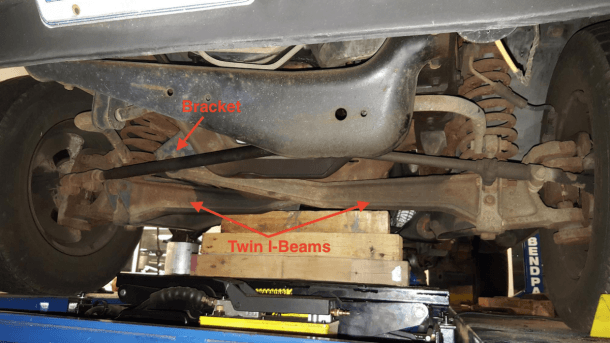
For the vast majority of its production life, the 2WD Ford Ranger relied on the legendary Twin I-Beam independent front suspension. This design is easily identified by two heavy-duty forged steel beams that overlap under the engine crossmember. Each beam is attached to the opposite frame rail, allowing the front wheels to move independently, providing impressive durability and load-carrying capacity.

Modern SLA Suspension Diagrams (2019+)
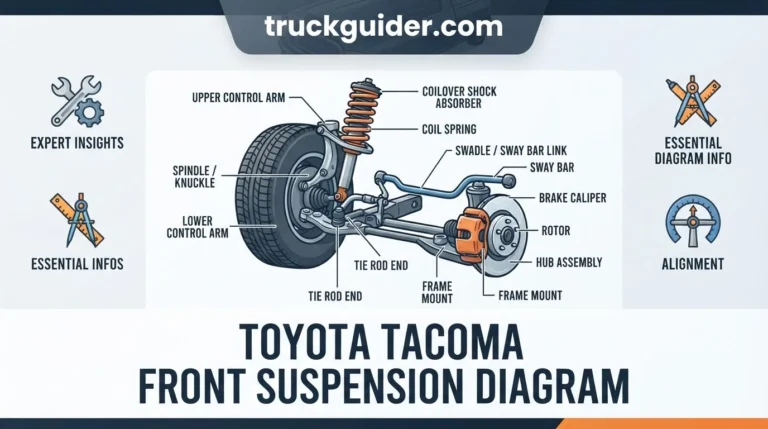
When the Ranger returned to the North American market, Ford shifted to a Short-Long Arm (SLA) independent front suspension. Unlike the I-Beam design, this architecture uses upper and lower control arms to locate the steering knuckle. This shift was driven by the need for enhanced ride quality, precision steering, and tighter camber control, aligning the Ranger with modern automotive standards.
Identifying Your Ranger’s Front End
Visual identification is straightforward. If you look under the front bumper and see two large, stamped or forged beams spanning the width of the engine bay, you have a Twin I-Beam system. If you see standard control arms with ball joints connecting to a spindle and a coil-over shock assembly, you are working with the modern SLA platform.
Inside the 1983-2011 2Wd Ford Ranger Twin I-Beam Diagram
Twin I-Beam Axles and Pivot Bushings
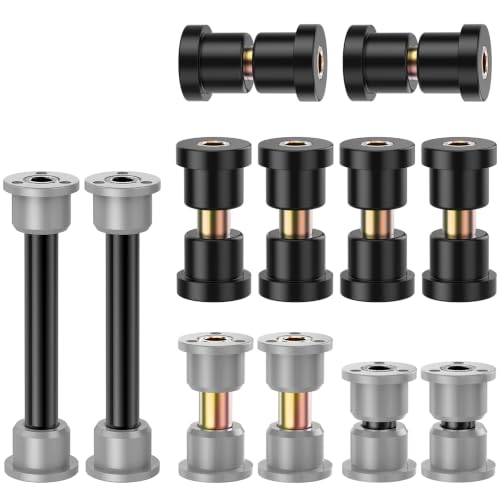
The core of the Twin I-Beam system rests on the pivot bushings. These rubber or polyurethane mounts allow the beams to swing vertically. When these wear out, the beams gain “slop,” leading to erratic alignment and a wandering sensation on the highway. Research indicates that neglecting these pivot points is a leading cause of premature tire wear on high-mileage Rangers.
Coil Springs and Radius Arms Explained
The radius arms are the long, rod-like components that reach back from the beams to the frame. Their sole purpose is to maintain the fore-and-aft positioning of the beams. The coil springs sit between the beam and the frame tower, supporting the vehicle’s weight. In many 2WD models, the combination of these arms and springs provides a “long-travel” feel that absorbs harsh impacts effectively.
Stabilizer Bar Function
The stabilizer bar—often called a sway bar—links the two beams to the frame. By transferring energy from one side of the suspension to the other during cornering, it minimizes body roll. In a Twin I-Beam diagram, this bar is critical for high-speed stability.
Steering Knuckles and Ball Joints
Each beam terminates in a steering knuckle held by upper and lower ball joints. These are the pivot points for steering. Due to the high leverage exerted by the I-Beam design, these joints are subject to significant stress and require consistent lubrication on older models.
By The Numbers: System Vitality
Years of Twin I-Beam Production
Primary Modern Suspension Architectures
2Wd Ford Ranger Sla Front Suspension Diagram: A Modern Approach
Recommended Best Deal Products


Understanding SLA Geometry
The Short-Long Arm (SLA) setup is a classic performance-oriented design. By using an upper arm that is shorter than the lower arm, engineers can create a “camber gain” effect during suspension travel, keeping the tire contact patch flatter against the road. This yields a more professional steering feel and significantly improved handling precision.
Control Arms and Bushings
The upper and lower control arms are the primary structural members. Modern Ranger bushings are largely maintenance-free sealed units. However, they are sensitive to harsh environments. Expert mechanics recommend inspecting the upper control arm bushings whenever doing front-end work, as they directly impact steering return to center.

Audible — Listen Free for 30 Days
One free credit a month and thousands of titles included.
Listen Free for 30 DaysCoilover Assemblies on Modern Rangers
Unlike the separate spring and shock setup of the older trucks, the modern Ranger uses a coil-over-strut assembly. This consolidates the load-bearing spring and the dampening shock into one unit, saving space and improving weight distribution.
Common 2Wd Ford Ranger Front Suspension Diagram Problems and Fixes
Worn Radius Arm Bushings: Symptoms & Inspection
The hallmark of a worn radius arm bushing on an I-Beam Ranger is a clunking sound during braking or when hitting bumps. You may also feel the truck “dart” left or right under heavy braking. Inspect these by looking for large gaps between the bushing and the mounting bracket.
Ball Joint Failure Indicators
Ball joints have limited life spans. If you notice a “clicking” sound when turning, or if your steering feels loose or overly heavy, the joints are likely failing. Use a jack to unload the suspension and check for play at the 12 and 6 o’clock positions.
Interpreting Tire Wear Patterns
Uneven tire wear is a window into your suspension health. Inside edge wear often points to excessive negative camber (common in sagging I-Beam springs), while “cupping” or “scalloping” indicates that the shock absorbers are no longer effectively controlling wheel oscillation.
Checking Shocks and Coil Springs
Perform the “bounce test” to evaluate shocks. If the vehicle continues to oscillate after you release pressure on the fender, the dampers are blown. For coil springs, look for visible sagging or metal-on-metal contact marks, which indicate the coil has reached its elastic limit.
Trusted Procedures for 2Wd Ford Ranger Front Suspension Repair
Recommended Best Deal Products


📋
Repair Procedures
Always lift by the frame, never the beams or control arms. Use high-quality jack stands rated for the vehicle’s GVWR before attempting any disassembly.
On Twin I-Beam models, remove the radius arm nut—this often requires a long breaker bar. Replace both halves of the bushing, ensuring the bracket is clean of debris before reassembly.
Use a professional-grade ball joint press. For coil springs, a spring compressor is mandatory; the stored energy in a compressed spring can cause severe injury if released incorrectly.
Audible Premium Plus — Annual Membership
12 audiobook credits up front, plus the full Audible catalogue.
See Annual PlansUpgrading Your 2Wd Ford Ranger Front Suspension: Expert Options
Twin I-Beam Lift Kits Explained
Lifting a Twin I-Beam truck is complex. Simple coil spacers often wreck the camber geometry. Professional upgrades involve drop brackets for the beams and radius arms, which keep the pivot points in a factory-aligned position. This ensures the truck remains drivable and predictable after the lift.
Performance Shocks and Coilovers
Upgrading to nitrogen-charged performance shocks is the most cost-effective way to improve the ride on any generation of Ranger. These provide superior heat dissipation and more consistent dampening over washboard roads compared to OEM-style twin-tube shocks.
SLA Leveling and Lift Options
For modern SLA Rangers, leveling kits consist of top-mount spacers that push the factory coilovers down. This is an efficient way to achieve a leveled stance. However, always pair a leveling kit with a professional alignment to correct the toe-in changes caused by the altered ride height.
Never attempt to heat, bend, or modify the forged steel I-Beams to achieve alignment. This will compromise the molecular structure of the metal and lead to catastrophic structural failure under load.
Conclusion: Keeping Your Ranger Road-Ready
We have explored the evolution of 2WD Ford Ranger front suspensions, from the rugged Twin I-Beam to the modern SLA. You now have the knowledge to identify your specific system and understand its key components via this guide. Key failure points like radius arm bushings and ball joints have been highlighted for easier diagnosis, and trusted repair procedures and popular upgrade paths have been outlined to empower your next project. Armed with this complete information, you can confidently tackle maintenance, diagnose issues accurately, or plan performance upgrades for your 2WD Ford Ranger’s front suspension, ensuring reliable and safe operation for years to come. Always consult a professional if you are unsure of your mechanical capabilities or if an issue persists after attempted repairs.
2wd Ford Ranger Front Suspension Diagram: Frequently Asked Questions
How do I lift my 2WD Ford Ranger Twin I-Beam?
Lifting a Twin I-Beam setup requires specialized drop-brackets and longer radius arms to maintain correct geometry. Simply installing taller coil springs will throw the camber beyond the range of adjustment cams, causing extreme tire wear and unpredictable steering. Use a trusted aftermarket lift kit specifically designed for the I-beam geometry to preserve alignment.
Why is my 2WD Ranger eating front tires (alignment issues)?
Uneven tire wear on a 2WD Ranger usually points to worn ball joints, collapsed radius arm bushings, or sagging coil springs. The Twin I-Beam and SLA designs are sensitive to ride height changes; if the suspension has ‘settled,’ the camber becomes too negative or positive, resulting in rapid shoulder wear. Inspect these components before booking a professional alignment.
What are the symptoms of bad Twin I-Beam radius arm bushings?
The most common symptoms include a distinct ‘thumping’ noise when braking or accelerating, front-end wandering, and a steering wheel that feels disconnected from the road. Because these bushings control the fore-aft movement of the I-beams, their failure allows the entire axle assembly to shift under load, which compromises steering stability and alignment.
Can I swap a 4WD front suspension onto a 2WD Ranger?
Swapping 4WD suspension onto a 2WD Ranger is technically possible but highly complex. It requires significant frame modifications to mount the differential, custom driveshaft work, and swapping to 4WD spindles. For most owners, it is more cost-effective and reliable to source a factory 4WD chassis or stick with high-quality performance upgrades for the 2WD system.
What is the difference between Twin I-Beam and SLA suspension on a Ranger?
The Twin I-Beam (1983-1997) uses two massive steel beams that pivot from the frame, offering exceptional durability for heavy work. The SLA (1998-2011) uses a short upper control arm and long lower control arm setup. SLA provides a more refined, car-like ride quality and improved steering precision compared to the mechanical simplicity of the older Twin I-Beam.
![Bilstein 5100 Ram 1500 [2026]](https://truckguider.com/wp-content/uploads/2026/03/bilstein-5100-ram-1500-featured.webp)


![2022 RAM 2500 Fender Flares: Top Styles & Fitment Guide [2026]](https://truckguider.com/wp-content/uploads/2026/03/2022-ram-2500-fender-flares-featured.webp)