5.7 Hemi Multi Displacement System Problems: Diagnosed & Fixed

The “Hemi Tick” is the dreaded sound that haunts every 5.7L owner, but is it just a manifold issue, or is your engine’s fuel-saver system failing? The Multi Displacement System (MDS) was designed to optimize fuel economy by deactivating four cylinders under light-load conditions. However, MDS-related failures can lead to lifter collapse, catastrophic camshaft damage, and costly engine overhauls. We break down how to diagnose, repair, and even safely disable the 5.7 Hemi Multi Displacement System to keep your engine running for the long haul.

Identifying 5.7 Hemi Multi Displacement System Problems
Recommended Best Deal Products



Distinguishing between a harmless exhaust leak and a terminal valvetrain failure is critical. Many owners panic over the “Hemi Tick,” which is often a broken manifold bolt—a simple, albeit annoying, exhaust issue. In contrast, 5.7 Hemi Multi Displacement System problems manifest as a deeper, rhythmic metallic tap that is frequently tied to cylinder head oil pressure.
Recognizing MDS Solenoid Failure Symptoms
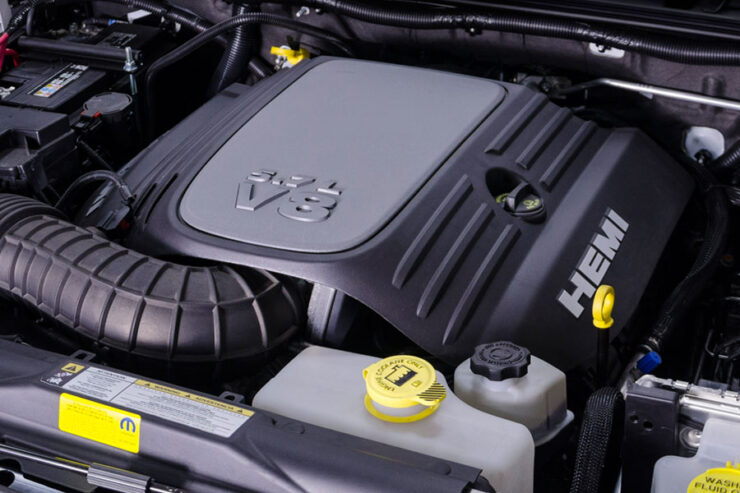
The MDS relies on four specific solenoids located in the engine valley. When these components fail, the Engine Control Module (ECM) cannot effectively manage oil flow to the MDS lifters. Symptoms include a rough idle, noticeable engine hesitation when transitioning from 4-cylinder to 8-cylinder mode, and specific diagnostic codes like P3400 through P3449. If you feel a “stumble” during highway cruising as the engine shifts modes, your solenoid is likely struggling to hold or release pressure.
Common Causes of MDS Lifter Collapse
Lifter collapse is the most severe outcome. The MDS lifter is a complex piece of engineering designed to “collapse” internally to keep the valve closed. If the oil is dirty or the pressure is inconsistent, the locking pin inside the lifter can stick. This prevents the lifter from pumping up, resulting in a permanent “tap” that does not go away as the engine warms up. Unlike a manifold tick, this sound often grows louder and deeper as the camshaft lobe begins to “wipe” or flatten out due to the stuck lifter.
Why Oil Pressure and Viscosity Matter
Research confirms that the 5.7L HEMI engine is highly sensitive to oil viscosity. Running oil that is too thin or failing to adhere to strict 5,000-mile change intervals is the leading cause of hydraulic lash adjuster failure. The MDS system uses oil as a hydraulic fluid to actuate the lifters; if the oil is thin or aerated, the hydraulic pressure necessary to keep the lifter locked in “V8 mode” drops, causing the system to flutter.
Industry Data: Component Sensitivity
Solenoid Resistance Range
Recommended Service Interval
Diagnosing 5.7 Hemi Multi Displacement System Problems: Tools & Tests
To effectively troubleshoot the system, you must separate electrical faults from mechanical failures. Many mechanics assume a solenoid is the cause when the real culprit is a physical restriction in the oil galley.
- Isolate the Cylinder: Use an advanced OBD-II scanner capable of reading manufacturer-specific codes. A P0300 (Random Misfire) is common, but look for codes P3401 through P3449 to pinpoint exactly which cylinder is misfiring.
- Electrical Resistance Check: Disconnect the wiring harness from the MDS solenoid. Using a multimeter set to ohms, measure the resistance across the two pins. A healthy solenoid typically reads between 10 and 15 ohms. If it reads “OL” or zero, the coil is internally shorted or open.
- Oil Control Valve Testing: If the electrical side tests fine, verify oil pressure at the cylinder head. Low oil pressure at the top of the engine often indicates that the O-rings on the MDS solenoids have hardened and are leaking pressure before it can reach the lifter.
- Hydraulic Lash Adjuster Bleed-down: If you suspect a bad lifter, perform a manual valve lash check. If a lifter fails to remain “pumped up,” you will find excessive clearance between the rocker arm and the valve tip, even when the engine is warm.
Don’t rush to buy new lifters. Frequently, pulling the intake manifold and inspecting the MDS solenoid screen for debris can resolve intermittent misfires caused by oil sludge.
How to Repair 5.7 Hemi Multi Displacement System Problems
Recommended Best Deal Products

Repairing internal MDS components is invasive. It requires removing the intake manifold and, in the case of lifter failure, the cylinder heads. If you are DIY-capable, ensure you have a high-quality torque wrench and the proper Mopar gaskets.
📋
MDS Component Replacement Procedure
Clear the engine bay of all fuel rails and electrical connectors. Carefully remove the intake manifold, ensuring no debris falls into the exposed intake ports.
The MDS solenoids are located in the valley of the block. Remove the retaining bolts and pull them vertically. Clean the galley thoroughly to remove any metal shavings or carbon buildup.

Audible — Listen Free for 30 Days
One free credit a month and thousands of titles included.
Listen Free for 30 DaysIf the lifter is damaged, the head must come off. Always replace the camshaft if you find evidence of a “wiped” lobe, as putting new lifters on a scarred cam is a guaranteed failure.
Managing 5.7 Hemi Multi Displacement System Problems with Tuning
For many owners, the anxiety of potential MDS failure leads to the decision to disable it entirely. This is achievable through either software modifications or hard-part removal. While software tuners can instruct the ECM to ignore the MDS signal, this does not fix a physically damaged lifter.
Simply tuning out the MDS does not address a “collapsed” lifter. If your lifter is already physically damaged, you must replace the hardware. Driving a vehicle with a failed, stuck lifter will result in catastrophic camshaft failure.
Ultimately, the 5.7 Hemi Multi Displacement System is a functional piece of engineering that demands clean, high-quality oil and strict adherence to maintenance schedules. By understanding the mechanical signs of distress—the difference between an exhaust tick and a valve train tap—you can prevent terminal failure and ensure your Hemi continues to provide its signature power for hundreds of thousands of miles.
If you suspect your system is failing, start with an oil pressure test and an OBD-II scan. Addressing these issues early can be the difference between a simple solenoid replacement and a complete engine rebuild. If you are hearing consistent tapping, pull your codes today and verify your oil pressure before the damage becomes terminal.
5.7 Hemi Multi Displacement System Problems: Frequently Asked Questions
Does MDS cause the ‘HEMI tick’?
Yes, it is a significant contributor. The ‘HEMI tick’ is frequently caused by a collapsing or sticky MDS lifter. When the hydraulic mechanism fails to engage or disengage correctly, it creates excessive clearance, leading to the audible clicking sound. While exhaust manifold leaks can mimic this sound, the MDS-related tick is internal and directly correlated to the oil pressure and deactivation cycles.
Can MDS be permanently disabled?
Yes, MDS can be disabled, but not through a simple dashboard button. Owners typically use an aftermarket plug-in module that plugs into the OBD-II port, which mimics signals to the PCM to prevent MDS engagement. For a more permanent solution, owners performing engine modifications often install a non-MDS camshaft and lifter kit, which physically removes the system’s ability to deactivate cylinders entirely.
Does disabling MDS hurt the engine?
No, disabling the MDS system will not hurt the engine; in fact, many enthusiasts and mechanics argue that it improves the longevity of the engine’s valvetrain. By keeping all eight cylinders firing continuously, you reduce the mechanical stress on the lifters, avoid the constant pressure cycling of the solenoids, and minimize the risk of lifter collapse, which is the primary cause of camshaft failure.
Audible Premium Plus — Annual Membership
12 audiobook credits up front, plus the full Audible catalogue.
See Annual PlansIs a cam failure related to MDS?
Highly related. When an MDS lifter fails, the needle bearings inside the lifter often disintegrate or lock up. Once the lifter stops rotating, it begins to ‘wipe’ the camshaft lobe rather than following its profile. This metal-on-metal friction creates metal shavings that circulate through the engine oil, leading to catastrophic cam and lifter damage that requires a full engine teardown.
What is the best way to prevent MDS lifter failure?
The most effective prevention is rigorous oil maintenance. Use only high-quality synthetic oil of the exact viscosity recommended in your owner’s manual. Ensure you change your oil at or before the recommended intervals to prevent sludge from forming in the narrow oil passages of the MDS solenoids. Keeping the engine clean inside is the single best way to ensure the lifter locking pins function properly.
![P0420 Dodge Caravan: Diagnostic Guide & Repair Costs [2026]](https://truckguider.com/wp-content/uploads/2026/03/p0420-dodge-caravan-featured-768x403.webp)
![Best Starter for Dodge Ram 1500 5.7 Hemi: Top Pick Guide [2026]](https://truckguider.com/wp-content/uploads/2026/03/starter-for-dodge-ram-1500-5-7-hemi-featured.webp)