
6.7 Cummins Specs Chart by Year: HP, Torque and Key Changes (2007-2026)

The 6.7L Cummins Turbo Diesel debuted in 2007.5 at 350 hp and 650 lb-ft of torque. By 2025, the High Output version produces 430 hp and 1,075 lb-ft. That progression did not happen smoothly — it came in jumps tied to specific engineering generations, each with different fuel pumps, block materials, and transmission pairings that matter as much as the output numbers.
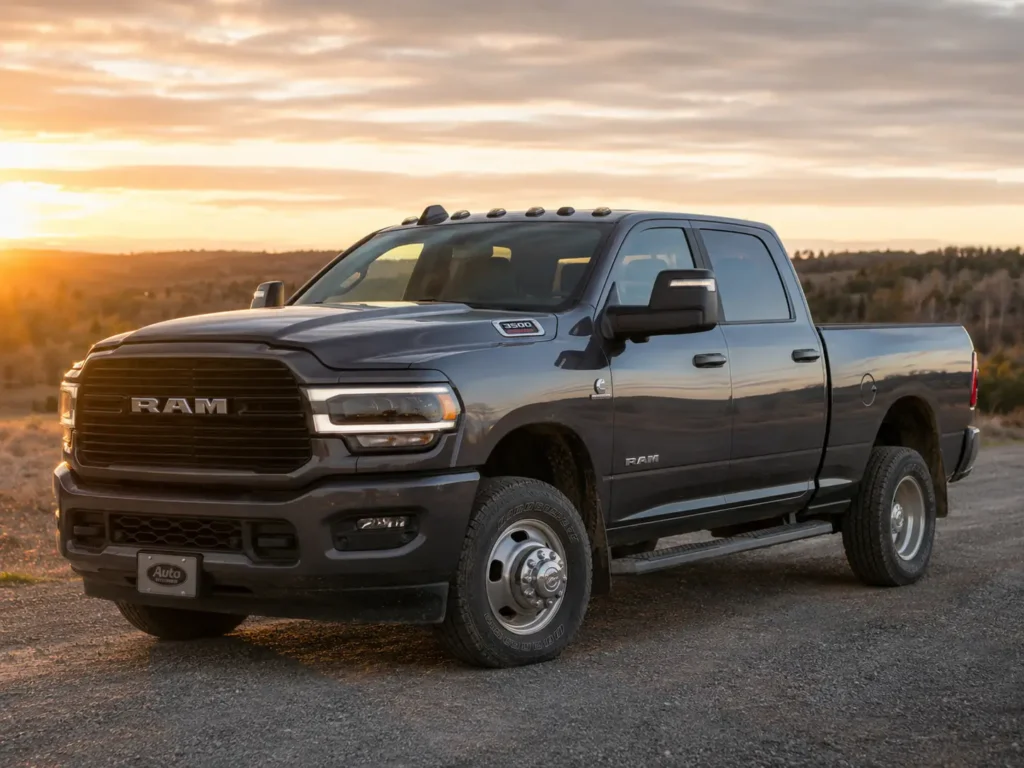
This guide covers the complete 6.7 Cummins specs chart by year, what changed in each generation, which years to buy, and what max towing each generation supports.

Prime for Young Adults — 6 Months Free
Students and 18–24s get six months of Prime free, then half price.
Start 6 Months Free6.7 Cummins Engine Specs That Never Changed by Year
Recommended Best Deal Products


| Specification | Value |
|---|---|
| Engine Type | Inline-6 cylinder, turbocharged, intercooled diesel |
| Displacement | 408 cu in / 6,690cc (6.7 liters) |
| Bore x Stroke | 4.21 in x 4.88 in (107 mm x 124 mm) |
| Valvetrain | OHV, 24 valves (4 per cylinder), single in-block camshaft |
| Fuel Injection | High-Pressure Common Rail (HPCR) direct injection |
| Turbocharger | Holset Variable Geometry Turbocharger (VGT) |
| Oil Capacity | 12 quarts with filter |
| Fuel Type | Ultra-Low Sulfur Diesel (ULSD) |
| Block Configuration | Undersquare bore/stroke ratio (stroke longer than bore) |
The undersquare bore/stroke ratio is what gives the 6.7 Cummins its towing character. When the stroke is longer than the bore, the engine generates strong low-RPM torque, which means it pulls hard from a stop without spinning up. That architecture has never changed. What changes by year is output rating, fuel system, block material, and transmission pairing.
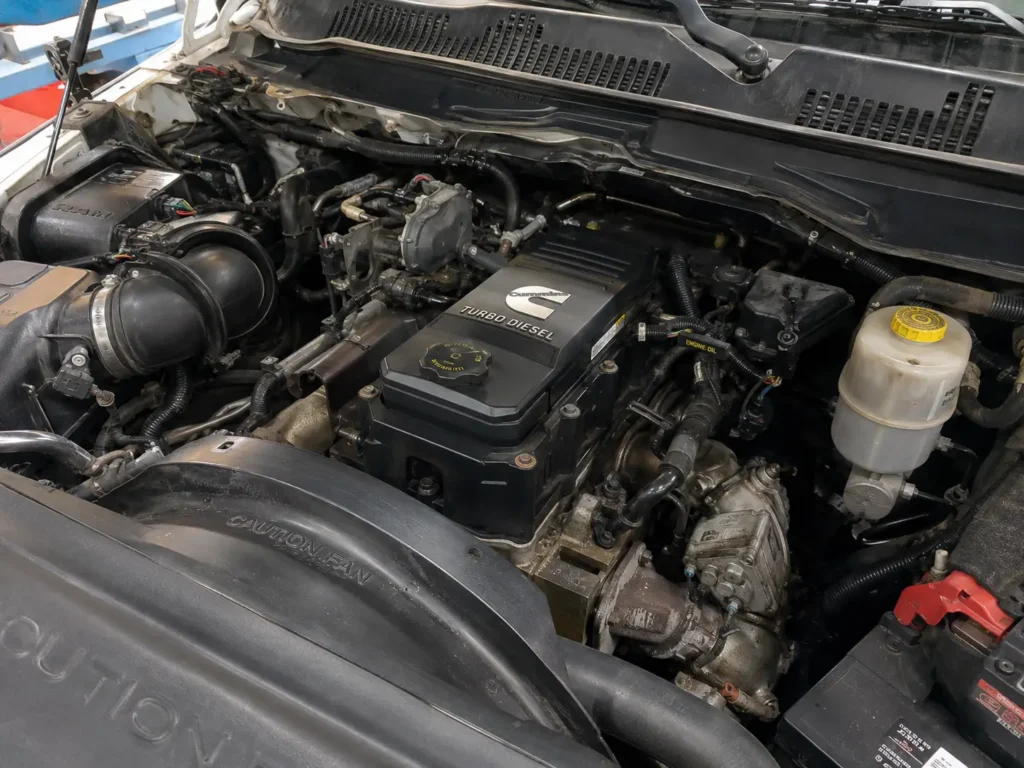
For a detailed breakdown of every component on the engine itself, see our 6.7 Cummins engine diagram and component guide
6.7 Cummins HP and Torque Chart by Year — All Generations
The 6.7L Cummins has gone through five distinct engineering generations since 2007.5. Each brought meaningful changes to output, fuel system, or block construction. The ⚠️ flag on Gen 3 is the most important buying signal in the entire table.| Generation | Years | Horsepower | Torque | Fuel Pump | Block Material | Transmission Options |
|---|---|---|---|---|---|---|
| Gen 1 | 2007.5–2010 | 350 hp | 650 lb-ft (auto) 610 lb-ft (manual) | Bosch CP3 | Gray cast iron | 68RFE auto / G56 manual |
| Gen 1 Update | 2011–2012 | 350 hp | 800 lb-ft (auto) 660 lb-ft (manual) | Bosch CP3 | Gray cast iron | 68RFE auto / G56 manual |
| Gen 2 | 2013–2018 | SO: 370 hp HO: 385 hp | SO: 800 lb-ft HO: 850–930 lb-ft | Bosch CP3 | Gray cast iron | 68RFE / Aisin AS69RC / G56 (through 2018) |
| ⚠️ Gen 3 | 2019–2020 | SO: 370 hp HO: 400 hp | SO: 850 lb-ft HO: 1,000 lb-ft | Bosch CP4.2 — RECALL | Compacted Graphite Iron (CGI) | 68RFE / Aisin AS69RC |
| Gen 4 | 2021–2024 | SO: 370 hp HO: 420 hp | SO: 850 lb-ft HO: 1,075 lb-ft | Bosch CP3 (returned) | CGI | 68RFE / Aisin AS69RC |
| Gen 5 | 2025+ | 430 hp (HO pickup) 360 hp (chassis cab) | 1,075 lb-ft (HO) 800 lb-ft (chassis cab) | Bosch CP8 | Gray cast iron (returned) | TorqueFlite HD 8-speed (ZF) |
The torque jump from 650 lb-ft in 2007 to 1,075 lb-ft in 2021 happened on the same basic inline-six platform. No competitor has matched that progression on a single engine architecture over the same period.
Now that you have the full picture by year, here is what each generation means if you are shopping for a used Cummins truck.
Which 6.7 Cummins Year Is the Best One to Buy
With five generations on the used market, here is how to match the right year to your actual use case.
Best for Reliability: 2013–2018 Cummins
The 2013–2018 generation is the used-market sweet spot for most buyers. It runs the proven Bosch CP3 fuel pump, carries SCR (Selective Catalytic Reduction) emissions equipment that works better than the older NOx absorption system, and offers the Aisin AS69RC as an available transmission for serious towing.
The HO variant in this generation reaches 385 hp and up to 930 lb-ft of torque with the Aisin. For used truck shoppers who want reliable towing without CP4 risk, this range hits the right balance of power, parts availability, and tuning potential.
The G56 manual was still offered through 2018 but ran de-rated calibrations, so if max torque matters, stick with an automatic-equipped truck from this generation. For the complete reliability breakdown by year on this platform, our 6.7 Cummins years to avoid guide covers exactly which model years to prioritize.
Best for Max Towing Power: 2021–2024 Cummins
The 2021–2024 Gen 4 trucks represent the best combination of high output and reliability in the engine’s history. The CP3 fuel pump returned after the CP4 disaster, the CGI block handles the 1,075 lb-ft HO rating without issue, and the Aisin AS69RC holds up to sustained heavy loads.

Audible — Listen Free for 30 Days
One free credit a month and thousands of titles included.
Listen Free for 30 DaysThe HO variant produces 420 hp and 1,075 lb-ft of torque exclusively when paired with the Aisin transmission. Trucks spec’d with the 68RFE run the Standard Output calibration at 370 hp and 850 lb-ft. If you are buying a 2021–2024 Ram 3500 for maximum fifth-wheel or gooseneck work, confirm the truck has the Aisin before purchase.
Years to Approach With Caution: 2019–2020 Cummins
The 2019–2020 generation is the only one we flag as a risk. Cummins switched to the Bosch CP4.2 high-pressure fuel pump (HPFP) that year. The CP4.2’s roller tappets rely on fuel lubricity for internal lubrication. Ultra-Low Sulfur Diesel sold in the US lacks sufficient lubricity, causing premature wear.
When the CP4.2 fails, it flushes metal debris through the entire fuel system. Full replacement of injectors, fuel lines, pump, and fuel tank is common, with repair costs reported over $10,000 before labor. Ram issued Safety Recall Y78 (NHTSA Campaign ID: 21V-880) in November 2021,
covering approximately 222,410 trucks across the 2019–2020 Ram 2500, 3500, 4500, and 5500. The recall remedy replaces the CP4.2 with a CP3 and reflashes the PCM at no cost. Before buying any 2019–2020 Cummins truck, verify the recall has been completed at your local dealer.
Newest and Most Powerful: 2025 Cummins
The 2025 Gen 5 engine is the most powerful factory 6.7L ever offered. Cummins officially for the HO pickup variant, paired with the new TorqueFlite HD eight-speed automatic from ZF. The block returned to gray cast iron, and the new Bosch CP8 pump resolves the CP4 reliability concern permanently.
Aftermarket tuning options are still limited at this stage, and parts ecosystem maturity is lower than older generations. If you are buying new and plan to tow heavy without modifications, the 2025 is the strongest platform the engine has ever been.
6.7 Cummins Max Towing Capacity by Truck and Year
The 6.7 Cummins specs tell you what the engine can produce. The truck’s official tow rating tells you what Ram certifies it can safely pull, and that number depends on the truck body, axle ratio, cab configuration, and drivetrain as much as the engine itself.
| Truck | Engine Config | Max Towing Capacity | Key Config Requirement |
|---|---|---|---|
| Ram 2500 | 6.7L Cummins SO / HO | Up to 19,990 lbs | Regular Cab 4×2, proper axle ratio |
| Ram 3500 SRW | 6.7L Cummins HO | Up to ~23,000 lbs | Aisin AS69RC, 4.10 axle |
| Ram 3500 DRW | 6.7L Cummins HO | Up to 37,090 lbs (pre-2025) | DRW, Aisin AS69RC, gooseneck hitch |
These are peak figures under best-case configurations. As you add weight to the truck through larger cabs, 4×4 systems, or extra equipment, the tow rating drops. The door-jamb sticker on your specific truck is the only authoritative towing number for that vehicle. GVWR (Gross Vehicle Weight Rating) and GCWR (Gross Combined Weight Rating) are the legal limits that govern what you can load.
Audible Premium Plus — Annual Membership
12 audiobook credits up front, plus the full Audible catalogue.
See Annual PlansFor the full year-by-year Ram towing breakdown with every cab and axle configuration, see our Ram 2500 towing capacity guide
6.7 Cummins Common Problems by Year and Generation
Every generation of the 6.7L Cummins has its own maintenance profile. Knowing which problems are tied to which years helps you budget accurately and inspect correctly when buying used.
2007.5–2012 Issues: DPF Clogging and Fuel Dilution
The first-generation 6.7L was the first Cummins equipped with a DPF (Diesel Particulate Filter), which traps exhaust soot and periodically burns it off through active regeneration. The regeneration process uses post-injection of raw fuel into the cylinder to raise exhaust temperatures. This caused measurable fuel dilution into the engine oil in early trucks — more common with short-trip driving or high idle time.
EGR (Exhaust Gas Recirculation) valve clogging is also a recurring issue across the 2007–2012 range. Pre-2013 trucks did not use SCR (Selective Catalytic Reduction) or DEF (Diesel Exhaust Fluid), so the EGR did more emissions work and accumulated carbon buildup faster. Regular EGR cleaning intervals matter more on these trucks than on later generations. Oil change intervals are best kept at or below 5,000 miles on any 2007–2012 truck used for frequent short trips.
2019–2020 Issues: CP4.2 Fuel Pump Failure
This is the most consequential issue in the engine’s history. The Bosch CP4.2 high-pressure fuel pump introduced in 2019 fails when its internal roller tappets wear against the cam due to inadequate lubrication from ULSD fuel. When failure occurs, metal debris contaminates the entire fuel system instantly. Injectors, fuel lines, the pump itself, and often the fuel tank all require replacement.
Recall Y78 / NHTSA 21V-880 covers 2019 and 2020 Ram 2500, 3500, 4500, and 5500 trucks. The remedy replaces the CP4.2 with a CP3 pump and reflashes the PCM. Any 2019–2020 truck with the recall completed is in significantly better shape, but confirm remedy status before any purchase.
All Years: EGR Cooler Leaks and VGT Carbon Buildup
Two issues appear across the full lifespan of the engine. EGR cooler failure can allow coolant to enter the intake system — the symptom is white smoke and coolant loss without visible external leaks. The VGT (Variable Geometry Turbocharger) can accumulate carbon deposits on the sliding nozzle vanes, particularly in trucks with heavy idle time.
Sticking vanes cause boost hesitation and reduced power before full failure. Both are manageable with preventive maintenance and are well-documented in the Cummins community. For more on the engine’s upgrade and maintenance path, our best 6.7 Cummins upgrades guide covers the modifications most owners prioritize first.
6.7 Cummins Specs by Year — Final Takeaways
The 6.7L Cummins Turbo Diesel has improved with every generation. Gen 1 (2007–2010) is the proven entry point. Gen 2 (2013–2018) is the used-market sweet spot. Gen 3 (2019–2020) carries CP4 risk that demands recall verification. Gen 4 (2021–2024) is the strongest reliability-to-power combination available used. Gen 5 (2025) is the most capable platform the engine has ever been.
When comparing years, transmission pairing matters as much as the HP number. The HO rating always requires the Aisin transmission. The Standard Output rating applies to 68RFE trucks. Always cross-reference the 6.7 Cummins specs chart by year against the door-jamb sticker on your specific truck to confirm which calibration and output level you actually have.
Frequently Asked Questions About 6.7 Cummins Specs
What is the stock horsepower of a 6.7 Cummins?
Stock horsepower depends on the year and transmission. Early 2007.5–2012 trucks produce 350 hp. The 2013–2018 Standard Output runs 370 hp; the High Output variant reaches 385 hp. By 2021–2024, the High Output rating is 420 hp. The 2025 generation reaches 430 hp in the HO pickup configuration.
What year did the 6.7 Cummins get 1,000 lb-ft of torque?
The 6.7 Cummins first crossed the 1,000 lb-ft threshold in the 2019 model year with the High Output variant paired to the Aisin AS69RC transmission. That made it the first factory pickup truck diesel engine to reach four-figure torque. The 2021–2024 HO version raised the figure to 1,075 lb-ft.
What is the oil capacity of a 6.7 Cummins?
The 6.7L Cummins holds 12 quarts of oil with the filter. This figure is consistent across all model years. Cummins recommends 15W-40 or 5W-40 full synthetic diesel engine oil; consult your model year’s owner manual for the approved specification, as it varies slightly by year and operating temperature range.
Is the 6.7 Cummins a good engine?
It has documented 300,000-mile service records under regular maintenance and is widely considered one of the most durable light/medium-duty diesel engines in production. The main caveat is the 2019–2020 CP4.2 fuel pump issue. Outside those two model years, the 6.7L Cummins has strong long-term reliability, excellent aftermarket support, and competitive resale value.
What years have the CP4 fuel pump problem on the 6.7 Cummins?
The CP4.2 fuel pump was used only in 2019 and 2020 model year Ram 2500, 3500, 4500, and 5500 trucks equipped with the 6.7L Cummins. Ram issued recall Y78 (NHTSA 21V-880) in November 2021 covering approximately 222,410 affected trucks. All years before 2019 and from 2021 onward use the more reliable Bosch CP3 or the new CP8 pump. For a full breakdown of which years to avoid and why, see our 6.7 Cummins years to avoid guide


![How Much Does a 6.7 Cummins Weigh? Dry vs. Wet: Complete Specs Guide [2026]](https://truckguider.com/wp-content/uploads/2026/03/how-much-does-a-6-7-cummins-weigh-featured.webp)