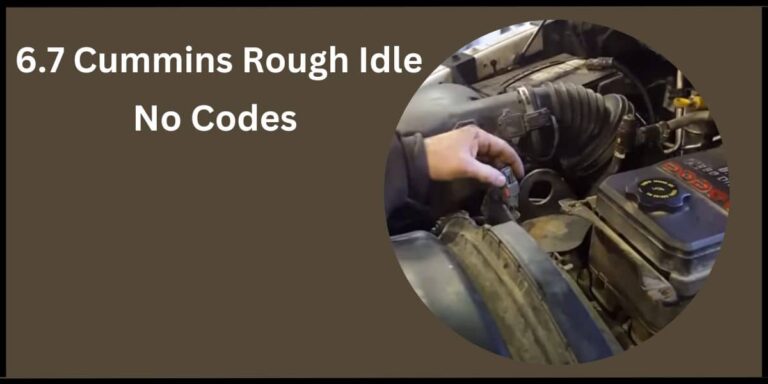
6.7 cummins grid heater problems: Diagnostic Guide and Repair Solutions

When the temperature drops and your 6.7 Cummins struggles to find its rhythm, the culprit is almost always hidden within the intake plenum. The 6.7 Cummins grid heater is a vital cold-start component, yet it is prone to relay failures, electrical corrosion, and a notorious hardware failure that can lead to catastrophic engine damage. Whether you are dealing with a simple electrical troubleshoot or trying to prevent a total engine overhaul, understanding the nuances of this system is critical. This guide provides a professional-grade roadmap to diagnosing 6.7 Cummins grid heater problems, testing the circuitry, and implementing permanent repairs to keep your rig reliable in any climate.



Understanding the 6.7 Cummins Grid Heater System and Components
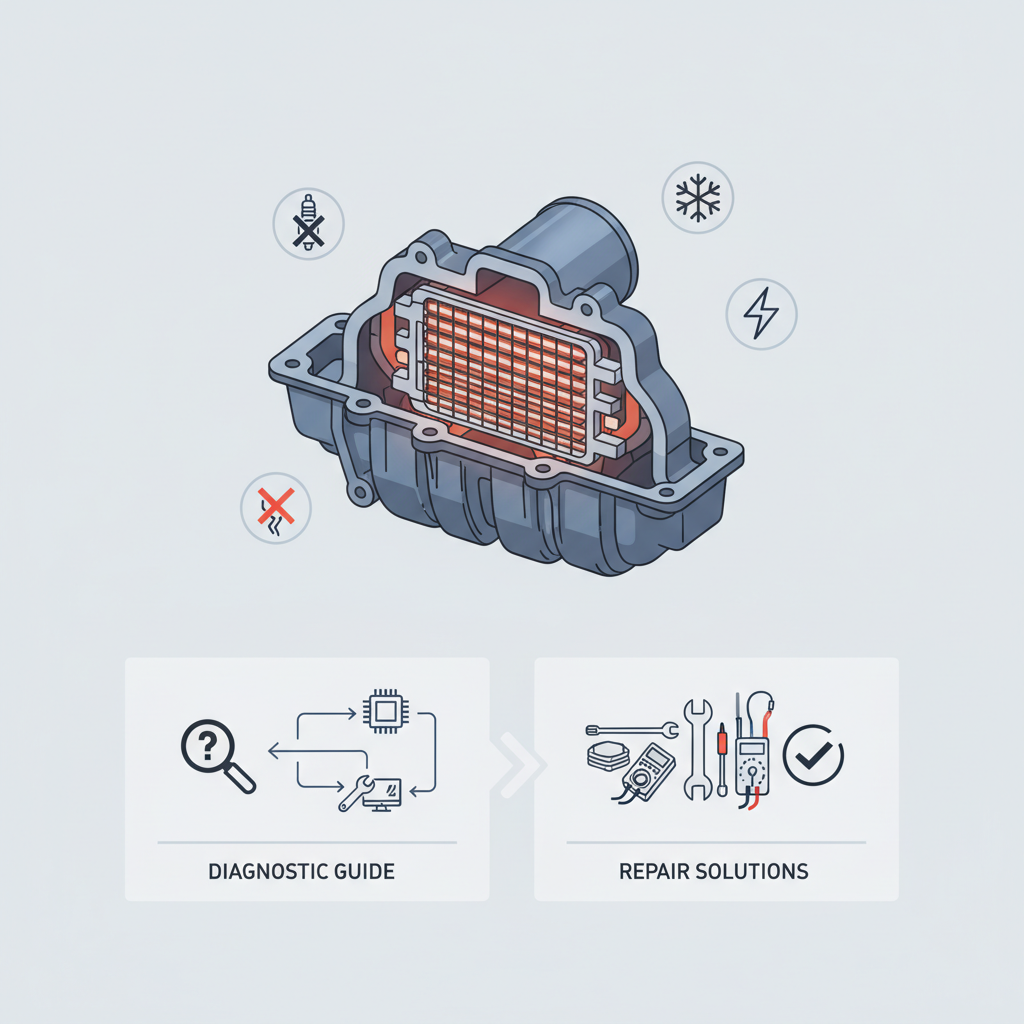
Unlike the Powerstroke or Duramax platforms, which utilize individual glow plugs for each cylinder, the 6.7 Cummins utilizes a single, high-capacity grid heater. This component serves as a technical gateway, warming the intake air as it passes through the intake horn to facilitate compression ignition during cold ambient temperatures. Because diesel fuel requires significant heat to atomize and ignite, the grid heater is the difference between a smooth startup and a non-firing engine.
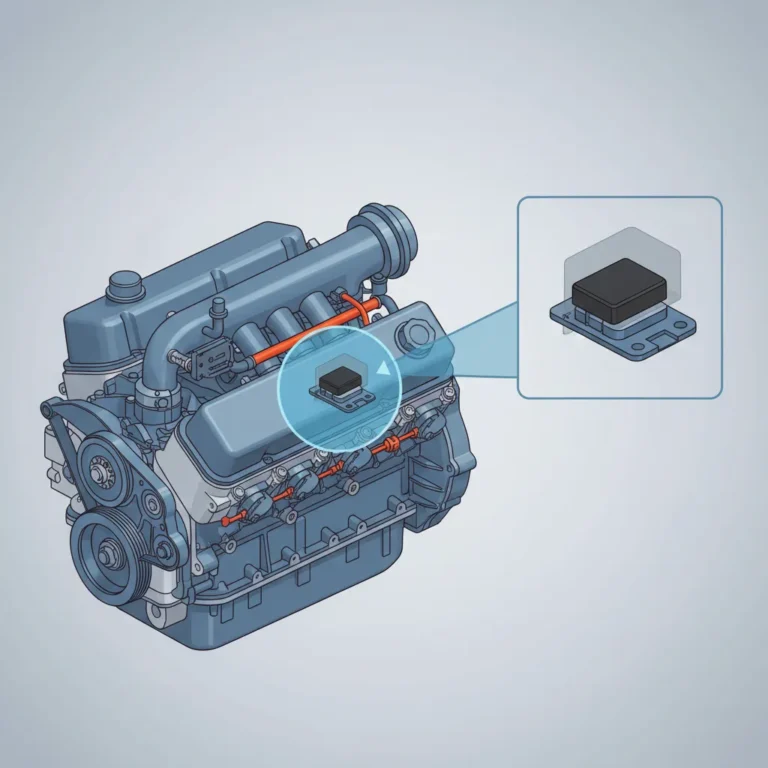
The grid heater element is strategically sandwiched between the intake horn and the intake plenum. It operates on a high-amperage circuit, frequently pulling upwards of 200 amps during its cycle. This massive electrical draw puts a significant load on the truck’s dual-battery system and requires heavy-gauge wiring and a robust solenoid. The system is managed by the Engine Control Module (ECM), which triggers the grid heater relay—located on the passenger side inner fender—based on ambient temperature and coolant sensor data.
Pre-Heat vs. Post-Heat Cycles
The grid heater performs two distinct functions. The pre-heat cycle occurs before the engine cranks (the “Wait to Start” light), while the post-heat cycle continues to run after the engine has fired. This post-heat phase is crucial for reducing emissions and preventing the “stumble” often associated with cold diesel combustion. Failing to maintain this system not only affects starting but can lead to long-term carbon buildup and reduced engine longevity. For detailed technical specifications, owners often refer to the BLANKPLACEHOLDER”>Ram specs for their specific model year.
Identifying Common Symptoms of 6.7 Cummins Grid Heater Failure
Recognizing the early warning signs of a failing grid heater can prevent you from being stranded in freezing conditions. The most obvious indicator is a hard starting condition that only manifests when the mercury drops. According to BLANK
PLACEHOLDER”>official guide resources, the grid heater becomes essential once temperatures fall below the 40°F (4.4°C) threshold. If your truck cranks excessively or requires multiple cycles of the ignition to fire, the grid heater circuit is likely compromised.Another primary symptom is excessive white smoke during startup. This smoke is actually unburned diesel fuel that has been vaporized but failed to ignite properly because the intake air was too cold. You may also notice your “Wait to Start” light behaving erratically—either staying on too long or not appearing at all when it should. In some cases, a failing relay can “stick” in the closed position, causing a continuous 200-amp draw that will drain your batteries in minutes and potentially melt the heater wiring.
By The Numbers
Threshold for failure symptoms
Issues caused by relay failure
Standard electrical draw
Common Diagnostic Trouble Codes (DTCs)
When the ECM detects an anomaly in the heater circuit, it will trigger the Check Engine Light. The most common codes include:
- P0541: Intake Air Heater Relay 1 Control Circuit Low
- P0542: Intake Air Heater Relay 1 Control Circuit High
- P2609: Intake Air Heater System Performance

Step-by-Step Diagnostic Procedures to Troubleshoot the Problem
To diagnose a grid heater failure properly, you must take a systematic approach to the electrical path. Because this system carries high amperage, always exercise caution and use high-quality diagnostic tools.


Before testing, ensure your batteries are fully charged. A weak battery can cause the ECM to disable the grid heater to preserve cranking power, leading to a false diagnosis of a heater failure.
📋
Diagnostic Workflow
Inspect the power stud on the intake horn. Perform the ‘wiggle test’ to see if the stud is loose. Check for melted insulation or heavy corrosion on the relay terminals located on the fender.
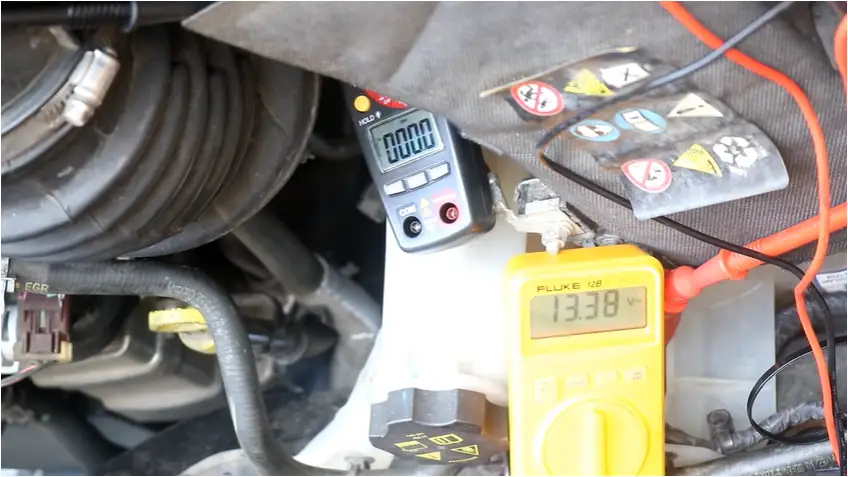
Using a multimeter, check for 12V at the main battery supply terminal of the relay. Have an assistant turn the key to ‘Run’ and verify that the relay clicks and sends 12V to the heater side terminal.
Test the heater element itself for continuity. A reading of “OL” (Open Loop) indicates a broken heating element. Check the mega-fuse or fusible link to ensure the circuit hasn’t been interrupted by a surge.
Root Causes: Why 6.7 Cummins Grid Heaters Fail
The cause of grid heater failure typically falls into one of three categories: electrical wear, environmental corrosion, or mechanical fatigue. Because the relay is a mechanical switch handling massive current, internal arcing eventually pits the contact surfaces. Over 100,000 to 150,000 miles, this arcing can weld the relay shut or prevent it from making contact entirely.



However, the most discussed failure among the BLANKPLACEHOLDER”>expert tips community is the “jiggle nut” or “grid heater bolt” issue. The heating element is secured to the power stud by a small nut. Through thousands of thermal cycles (expanding and contracting as it heats and cools), this nut can vibrate loose. If it falls, it is sucked directly into the intake plenum, almost invariably finding its way into cylinder #6. The result is catastrophic engine failure.
If you find the power stud on your intake horn is loose or can be spun by hand, STOP driving the vehicle immediately. This is a primary indicator that the internal nut is backing off and ingestion is imminent.
Repair Solutions and Preventative Maintenance
Once you have used your diagnostic findings to resolve the issue, you have several paths for repair. For most owners, replacing the failing relay with a heavy-duty aftermarket solenoid is the first step. These upgraded relays often feature better internal contact materials to resist arcing. When installing, always clean all terminals with a wire brush and apply dielectric grease to prevent the moisture and road salt from causing high-resistance connections.
For those concerned about the hardware ingestion risk, many aftermarket companies offer “boltless” grid heater designs. These units relocate the heating element or change the mounting architecture to eliminate the nut entirely. Another popular workaround is the grid heater delete plate. While this improves airflow by 20-30% and eliminates the ingestion risk, it is not recommended for trucks operating in sub-zero climates.
Choosing the Right Path
If you live in a region where temperatures regularly dip below freezing, maintaining a functional grid heater is non-negotiable. However, the factory design has clear flaws. The best middle ground for most 6.7 Cummins owners is to debug any electrical issues with high-quality components and proactively replace the factory heater with a boltless design before the 150,000-mile mark. This ensures reliable cold-weather operation without the hovering threat of engine destruction.
✅ Pros of Upgrading
- Eliminates risk of nut ingestion
- Provides faster, more reliable starts
- Reduces strain on batteries/starter
- Often improves intake airflow
❌ Cons of Neglect
- Potential for total engine loss
- Stranded in cold conditions
- Accelerated battery wear
- Increased exhaust smoke/emissions
In summary, the 6.7 Cummins grid heater is a robust system that is occasionally let down by a few weak links. By recognizing symptoms like white smoke and P0541/P0542 codes early, utilizing a multimeter to isolate failure between the relay and the element, and addressing the grid heater bolt issue proactively, you can ensure your Cummins remains the reliable workhorse it was built to be. Inspect your grid heater connections today and consider a heavy-duty relay upgrade before the next cold snap leaves you stranded.
Frequently Asked Questions
How do I test my 6.7 Cummins grid heater relay?
To test the relay, use a multimeter set to DC volts. Measure the voltage at the output terminal while an assistant turns the key to the ‘Run’ position during a cold start. You should see roughly 12V. If you have voltage at the input but not the output when the ECM triggers the solenoid, the relay is faulty and requires replacement.

What are the most common symptoms of a bad grid heater?
Primary symptoms include extended cranking times in cold weather, a ‘Wait to Start’ light that behaves erratically, and a plume of white smoke upon startup. You may also notice a Check Engine Light with codes P0541 or P0542, or a significant drop in battery voltage that doesn’t recover during the pre-heat cycle.
Where is the grid heater located on a 6.7 Cummins?
The grid heater element is located directly beneath the intake horn on the driver’s side of the engine. It is sandwiched between the intake horn and the cylinder head’s intake plenum. The relay that controls the heater is typically mounted on the passenger side inner fender well, following the heavy-gauge power wire from the battery.
Is the grid heater ‘nut drop’ issue real for 6.7 Cummins owners?
Yes, it is a well-documented issue. The nut holding the power lead to the heater element can vibrate loose over time due to thermal expansion. If it falls, it is sucked into the intake port—usually cylinder #6—causing catastrophic piston and valve damage. Many owners install a ‘boltless’ aftermarket heater or a delete plate to eliminate this risk.
Can I bypass or delete the grid heater safely?
You can install a grid heater delete plate to improve airflow and remove the risk of engine damage. However, in climates where temperatures regularly drop below 40°F, you will experience very hard starts and excessive smoke. Additionally, deleting the heater may be illegal for street-driven vehicles in jurisdictions with strict emission laws.

![Aisin vs. 68RFE: Specs & Fitment Guide [2026]](https://truckguider.com/wp-content/uploads/2026/03/aisin-transmission-ram-3500-featured.webp)